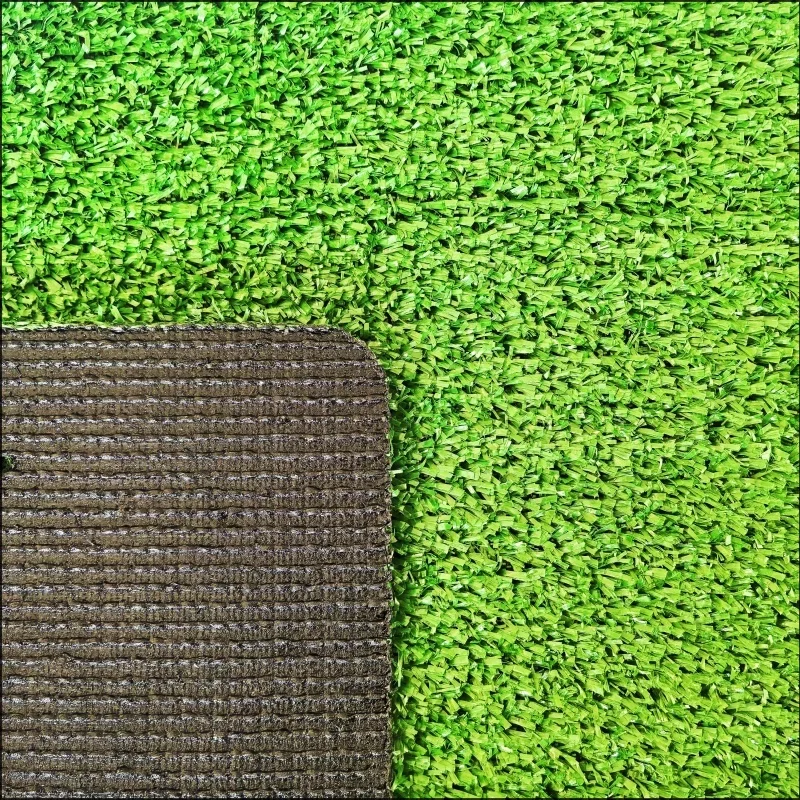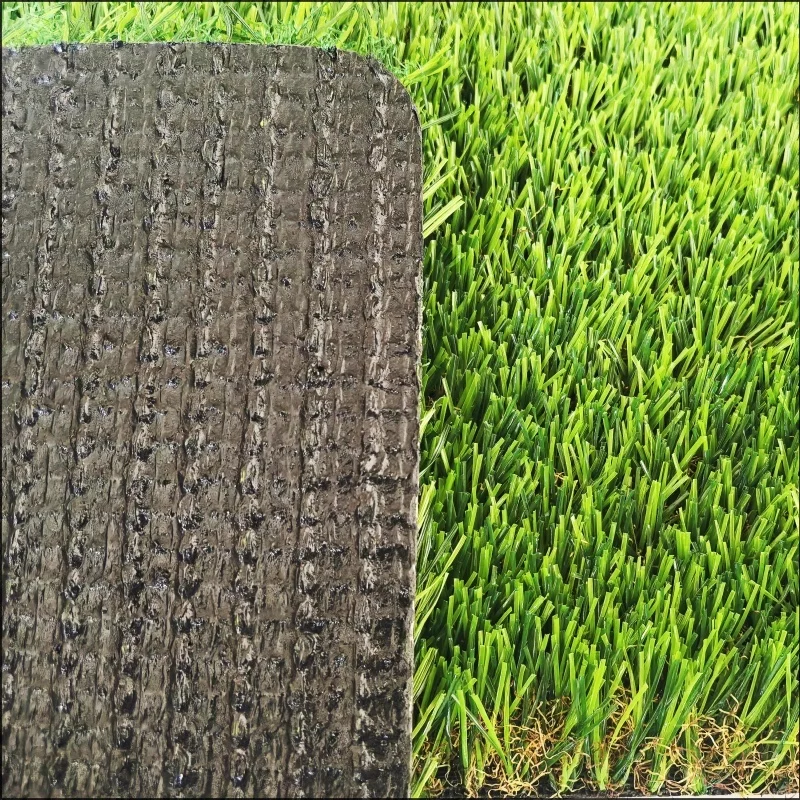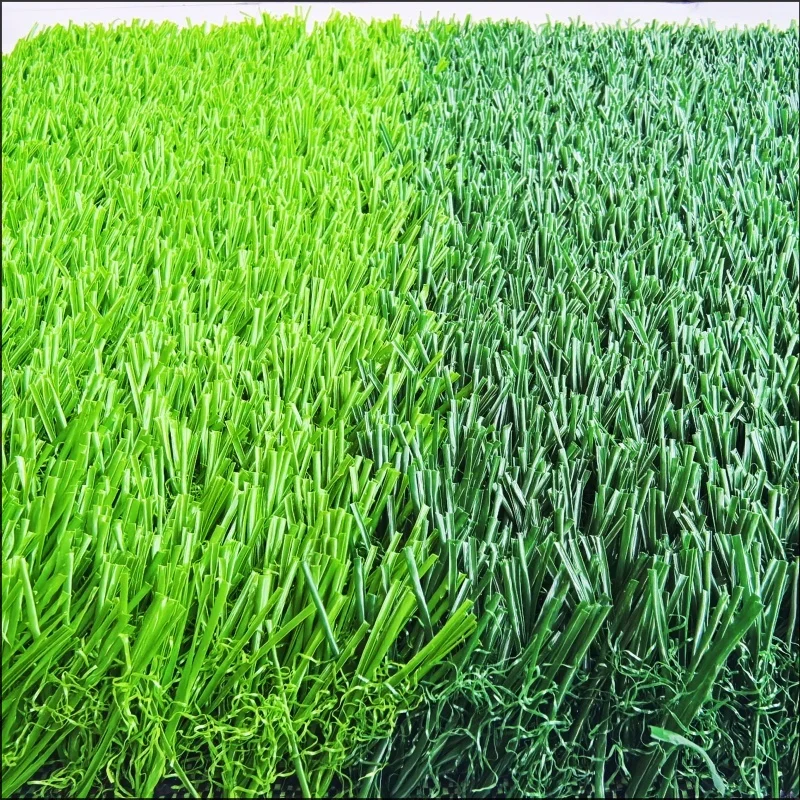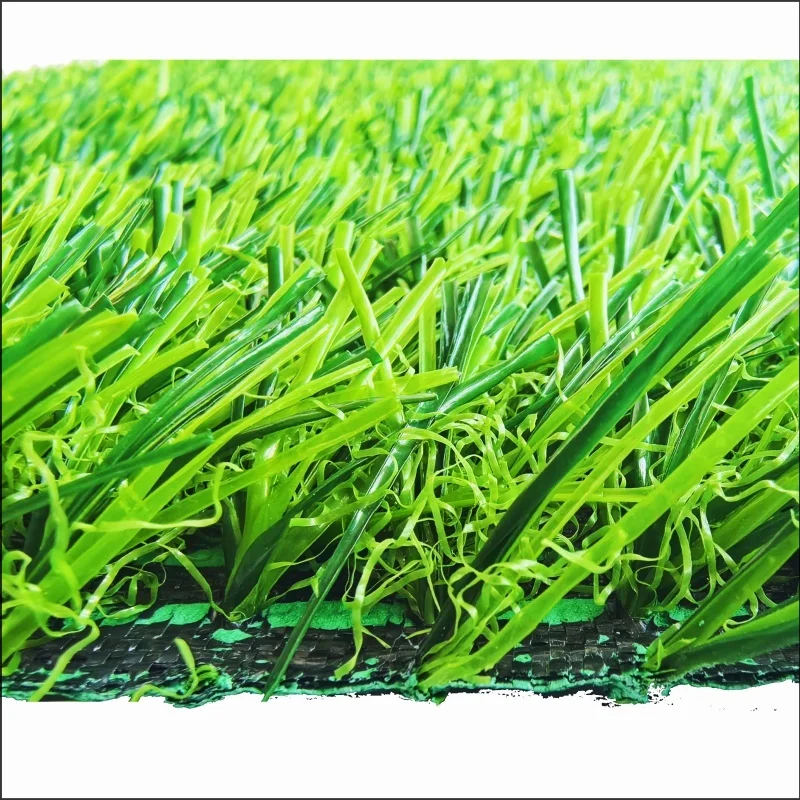
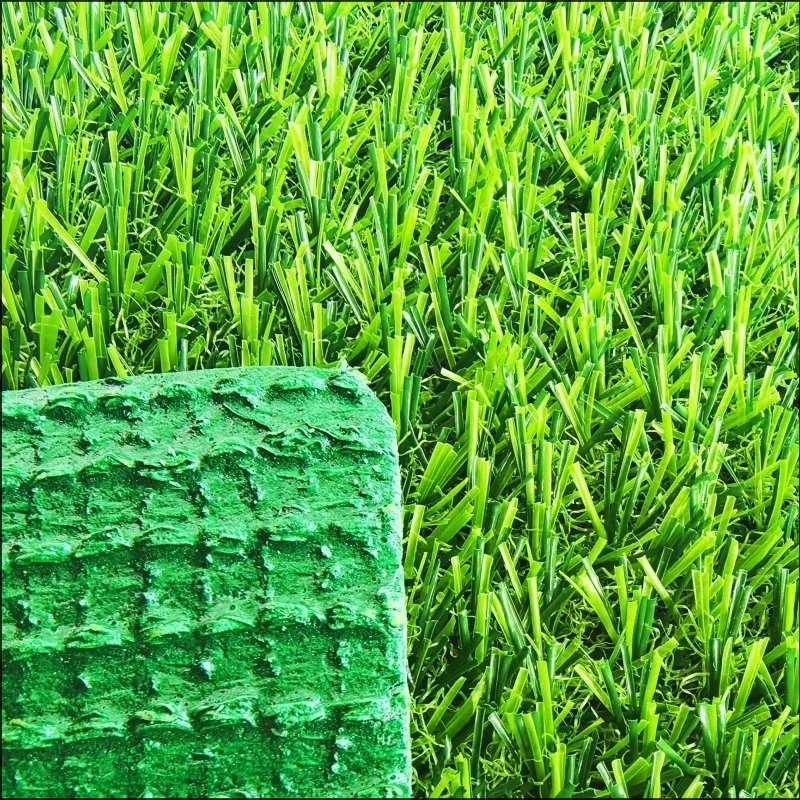
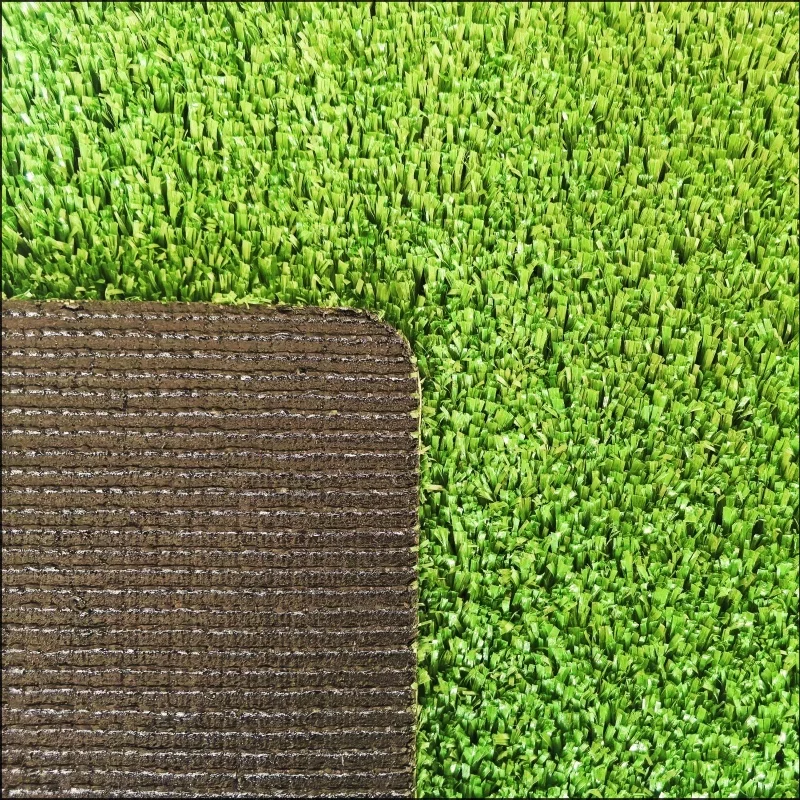
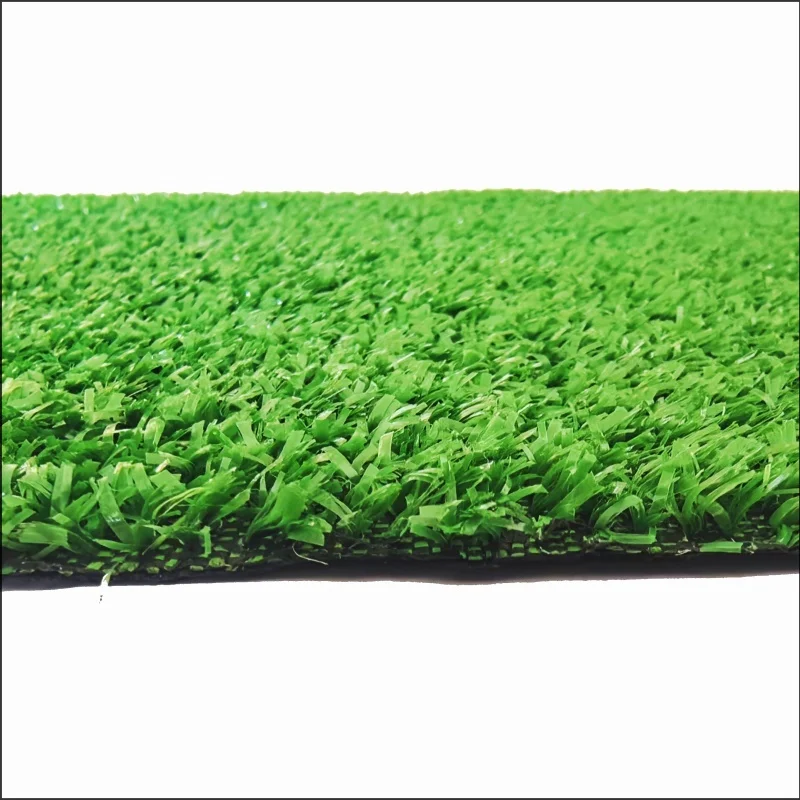
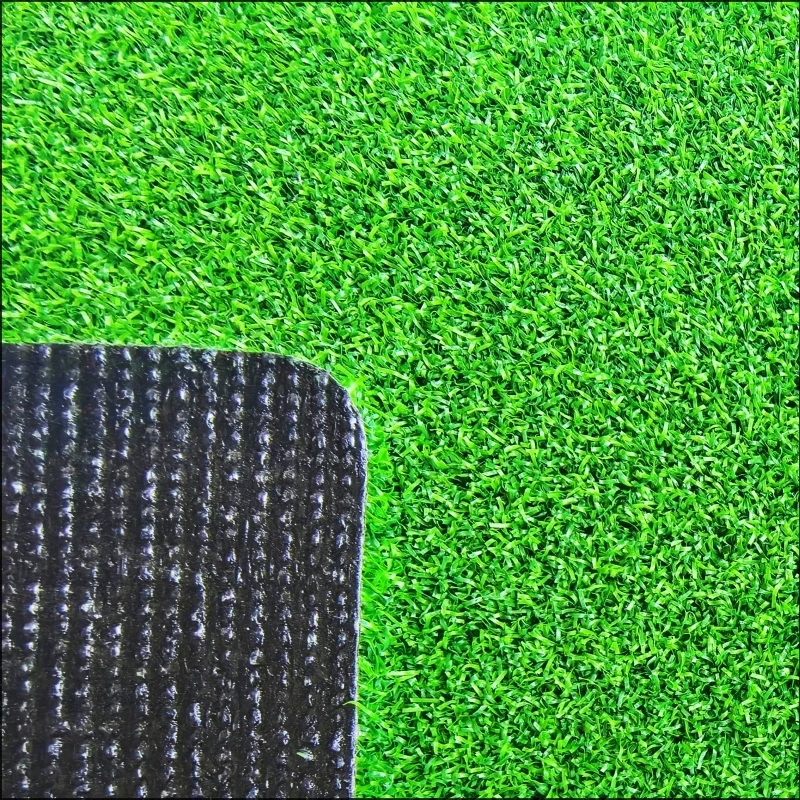
In Libya, the scarcity of freshwater and the intense UV radiation from the Saharan sun make maintaining natural grass nearly impossible for high-traffic areas. This has led to a surge in demand for artificial football turf, as sports complexes in Tripoli and Benghazi seek surfaces that do not require irrigation while remaining playable year-round.
The market has evolved from simple plastic carpets to sophisticated multi-layered systems. Modern installations now focus on heat-reduction technology and high-density polymers to prevent the turf from melting or fading under the intense North African sun, ensuring that artificial gardens remain lush and green despite the desert surroundings.
Currently, the Libyan market is shifting towards specialized niches. There is a growing interest in luxury recreational facilities, where high-precision artificial golf turf is being integrated into private villas and commercial resorts to provide an elite experience without the ecological burden of water-intensive maintenance.