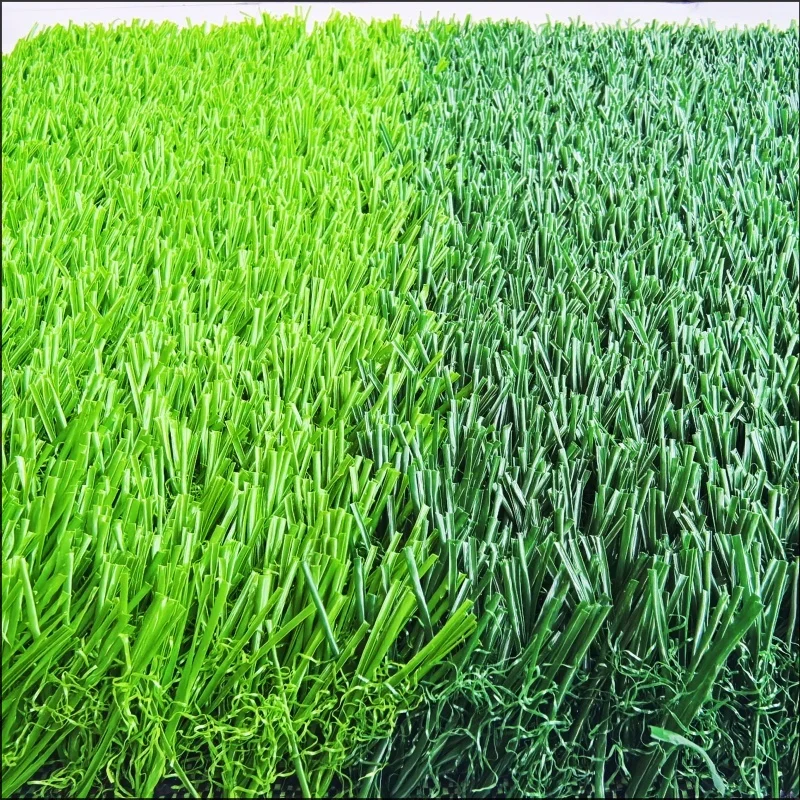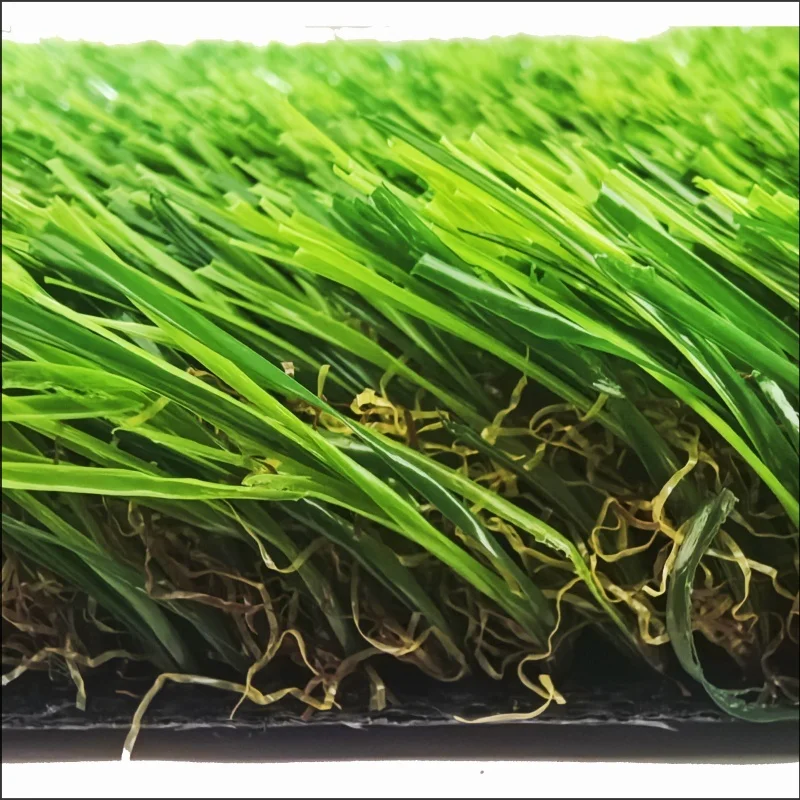
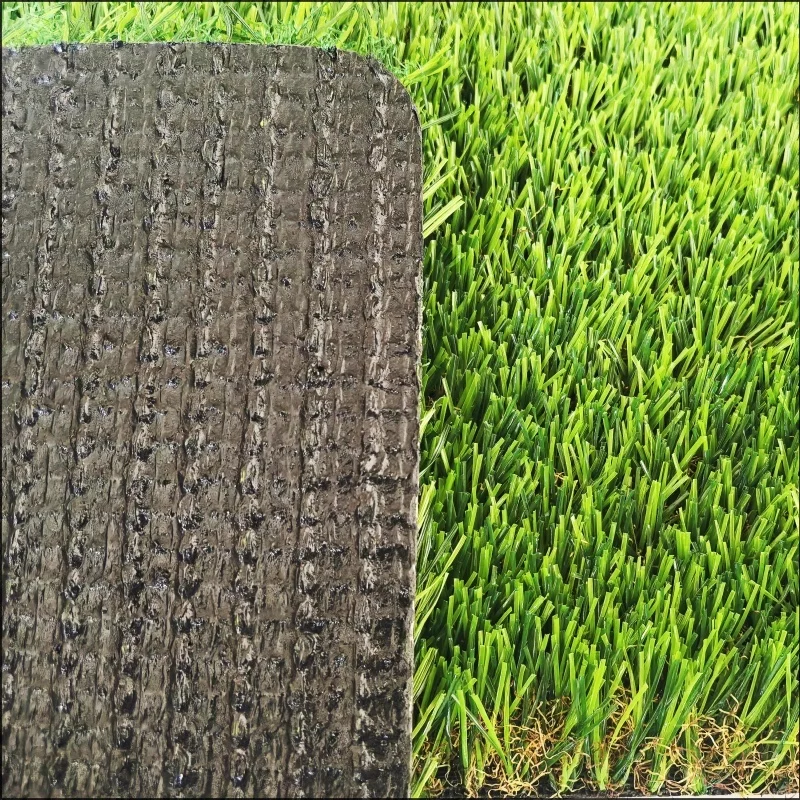
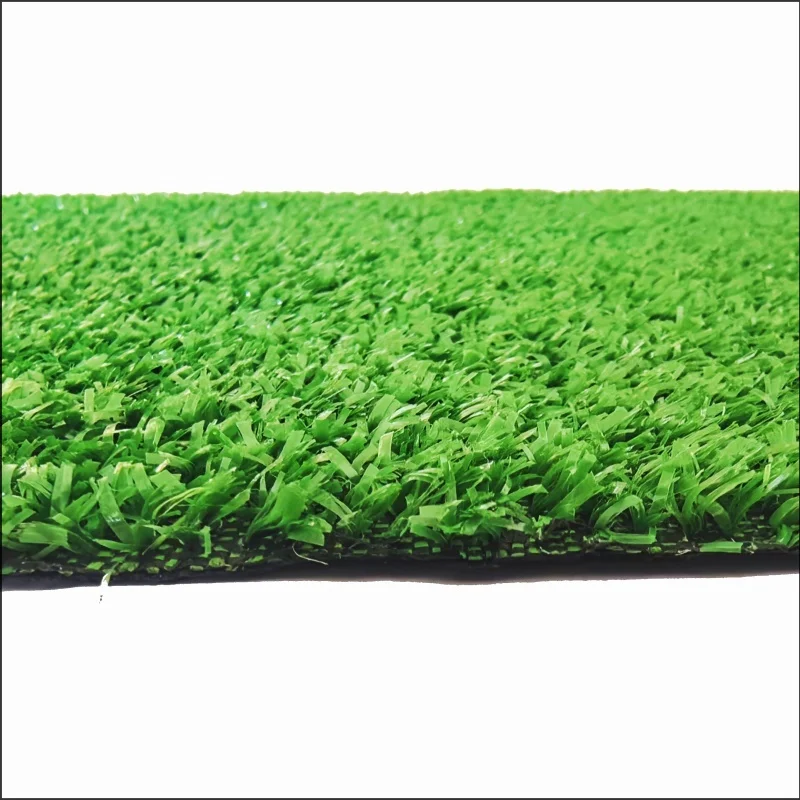
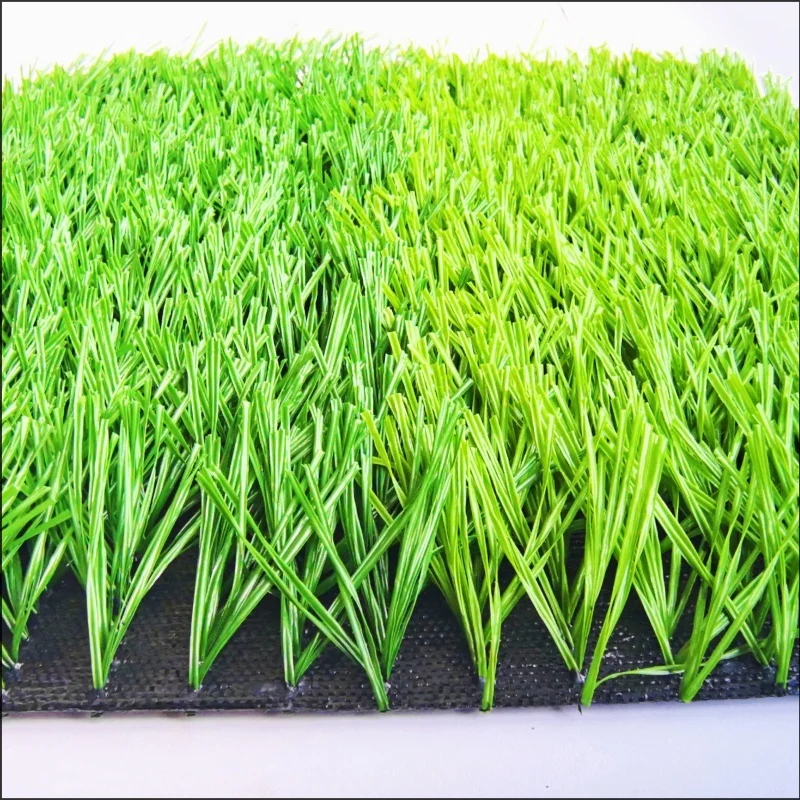
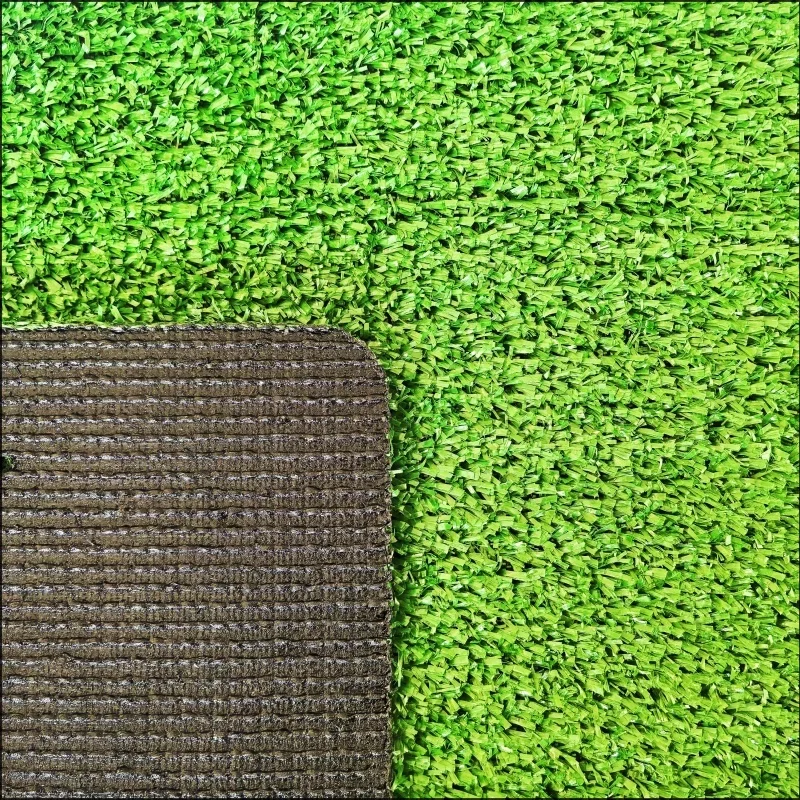
In South Sudan, the dichotomy between extreme dry seasons and heavy monsoon rains makes natural grass maintenance nearly impossible for professional sports and luxury landscaping. The reliance on artificial football turf has grown as urban centers like Juba seek reliable athletic facilities that do not require constant irrigation in water-scarce periods.
Environmental stressors, including high UV indices and sandy soil composition, often lead to the rapid degradation of low-quality plastics. There is a critical demand for specialized artificial golf turf that utilizes heat-resistant polymers to prevent melting and color fading under the equatorial sun.
Current market adoption is shifting from basic utility to high-performance standards. The emergence of artificial gardens in residential and commercial sectors highlights a trend toward sustainable urban aesthetics that reduce the ecological footprint of water consumption.