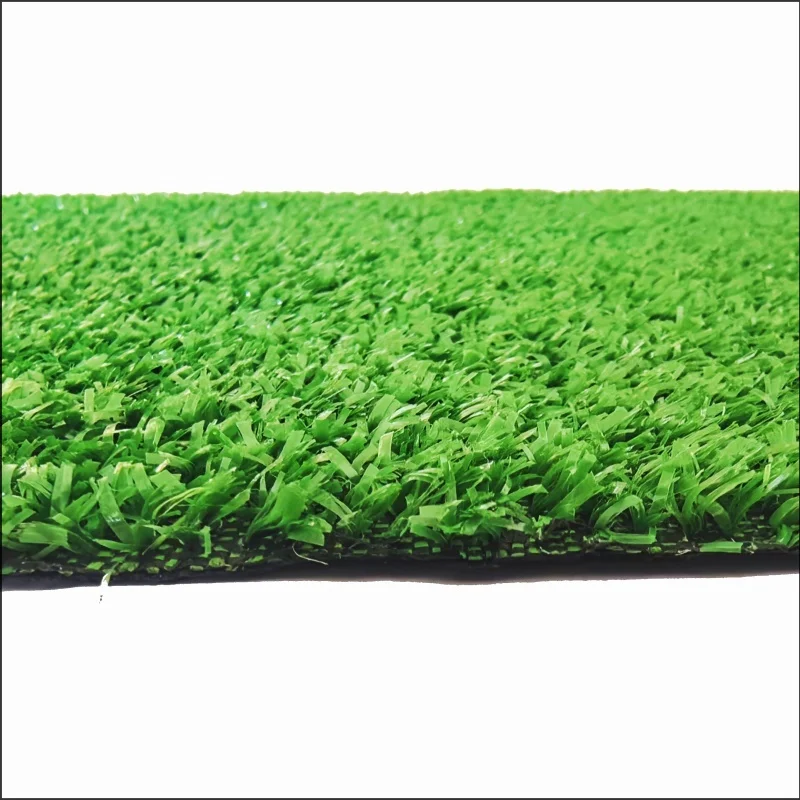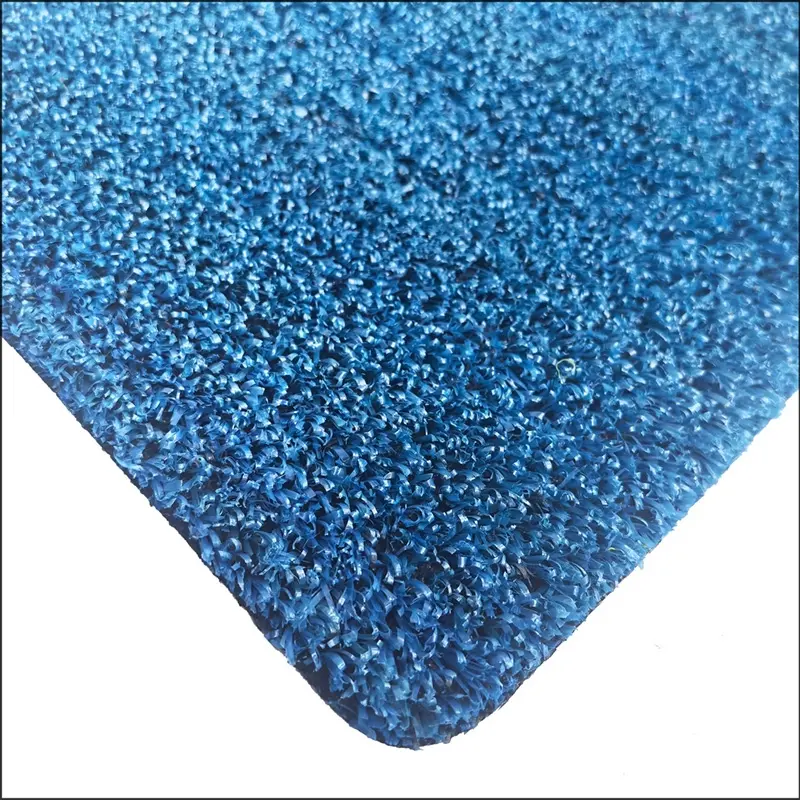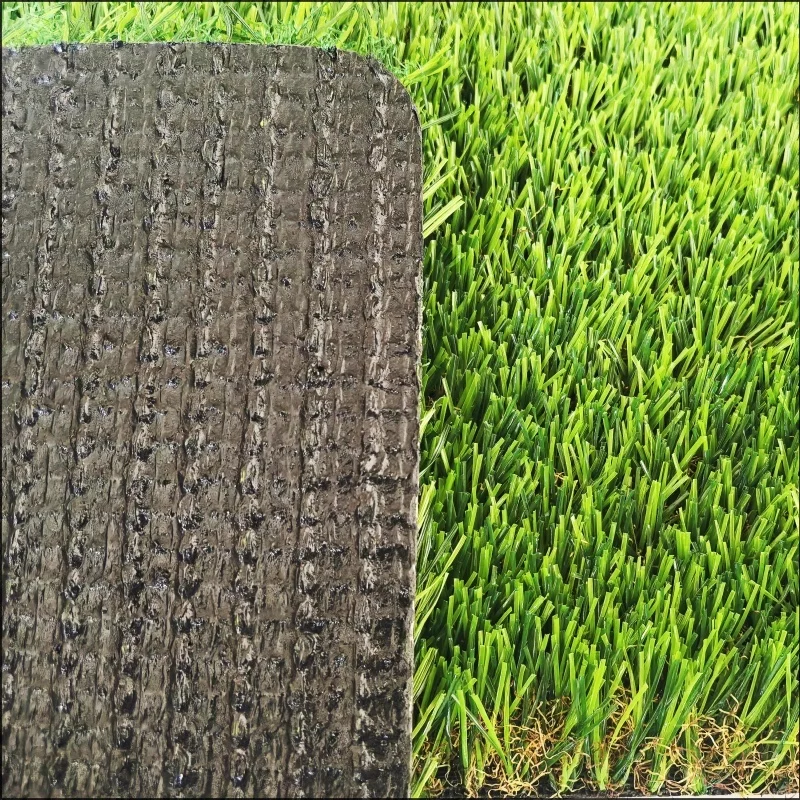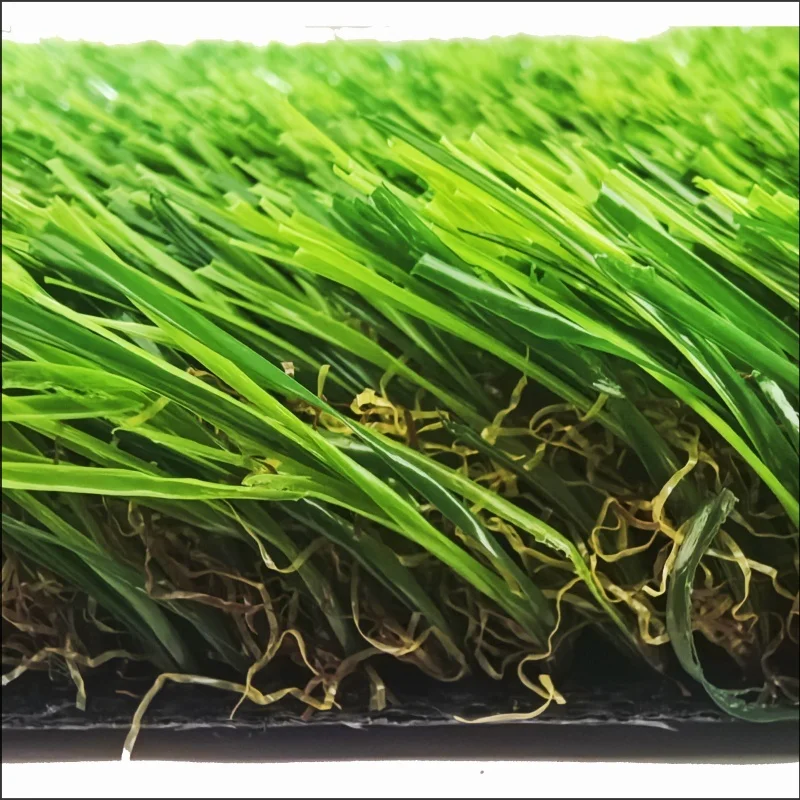
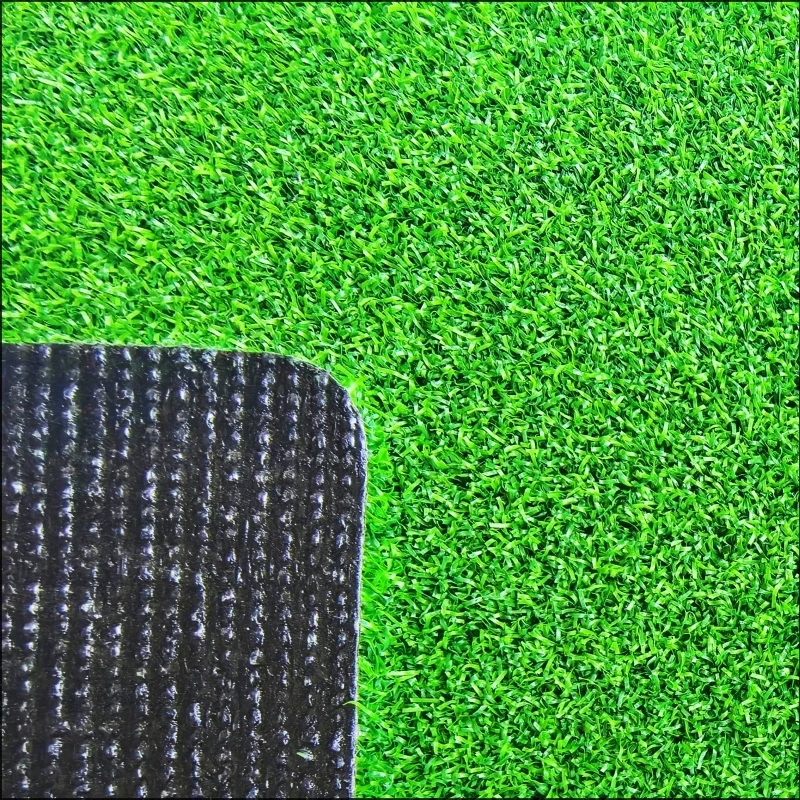
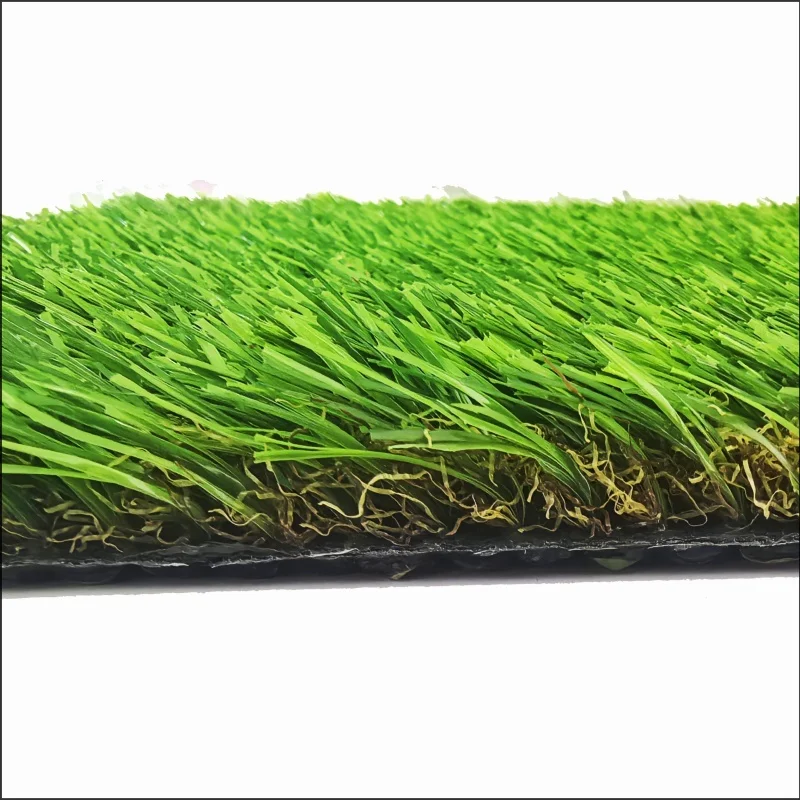
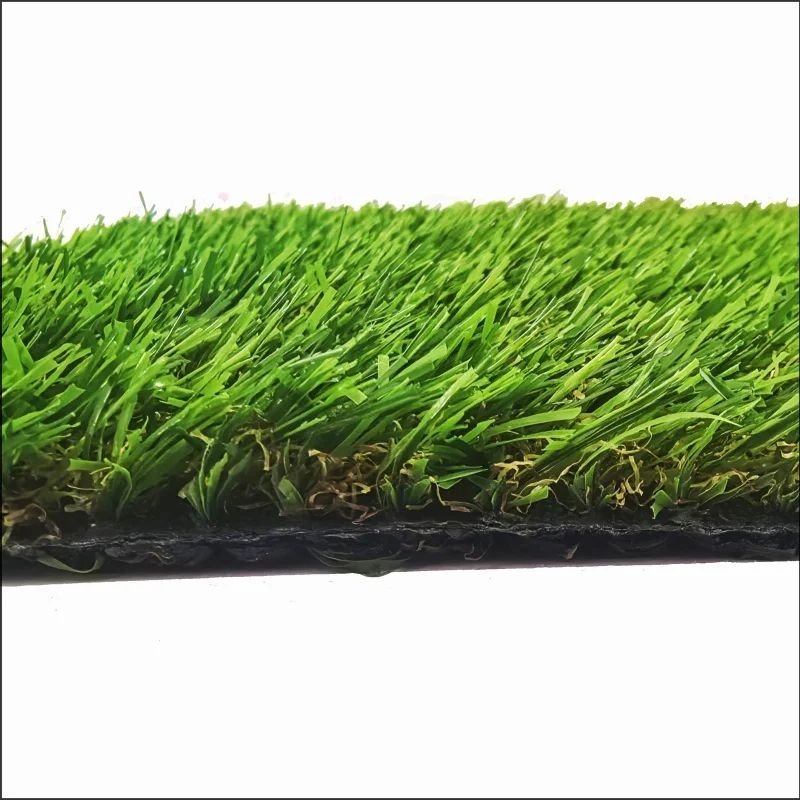
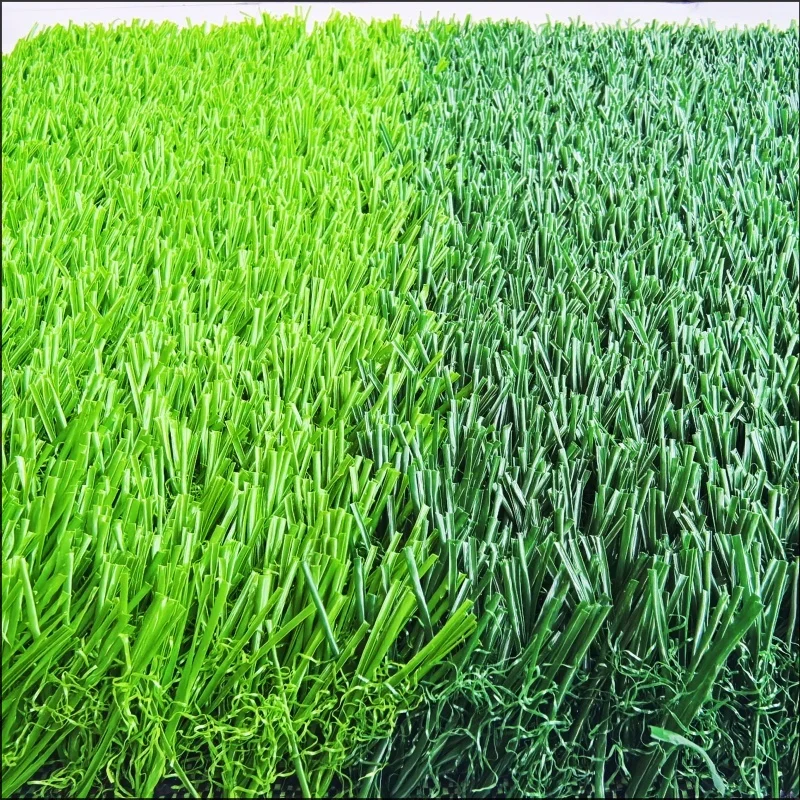
Tanzania's climate, characterized by intense tropical sunlight and alternating wet and dry seasons, presents a significant challenge for natural grass maintenance. This has led to a surge in demand for artificial football turf, particularly in urban centers like Dar es Salaam and Arusha, where space is limited and water conservation is critical.
The current market is transitioning from basic plastic fibers to advanced polyethylene and polypropylene blends. The growth of the tourism sector and the rise of luxury resorts in Zanzibar have increased the adoption of artificial gardens to maintain a lush, green appearance year-round without the need for excessive irrigation.
However, the industry faces the challenge of "heat island" effects. Standard synthetic grasses often overheat under the Tanzanian sun, necessitating the introduction of specialized cooling infills and UV-resistant polymers specifically designed for the equatorial region.