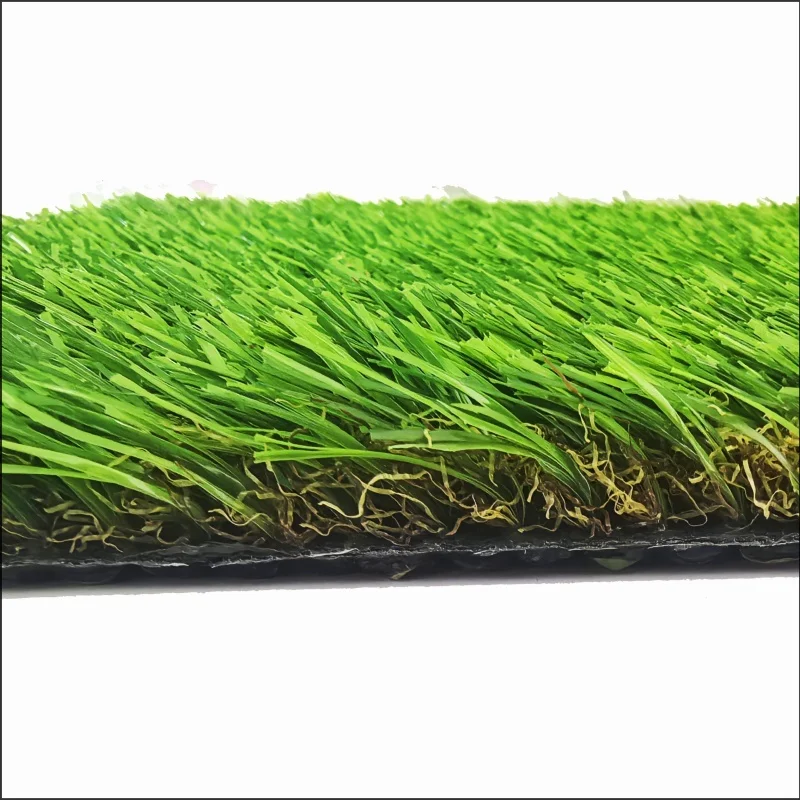
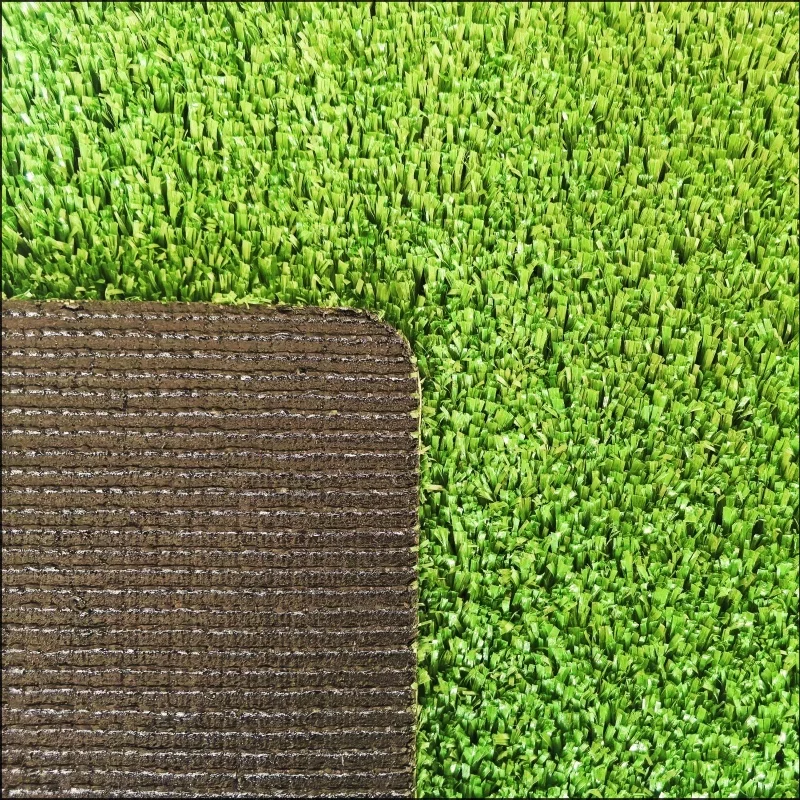
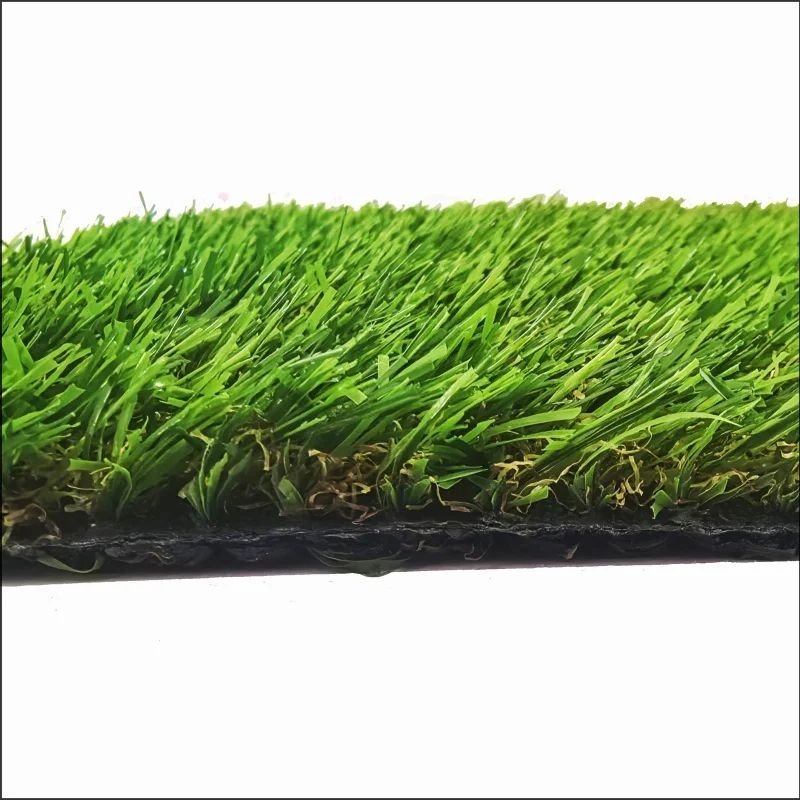
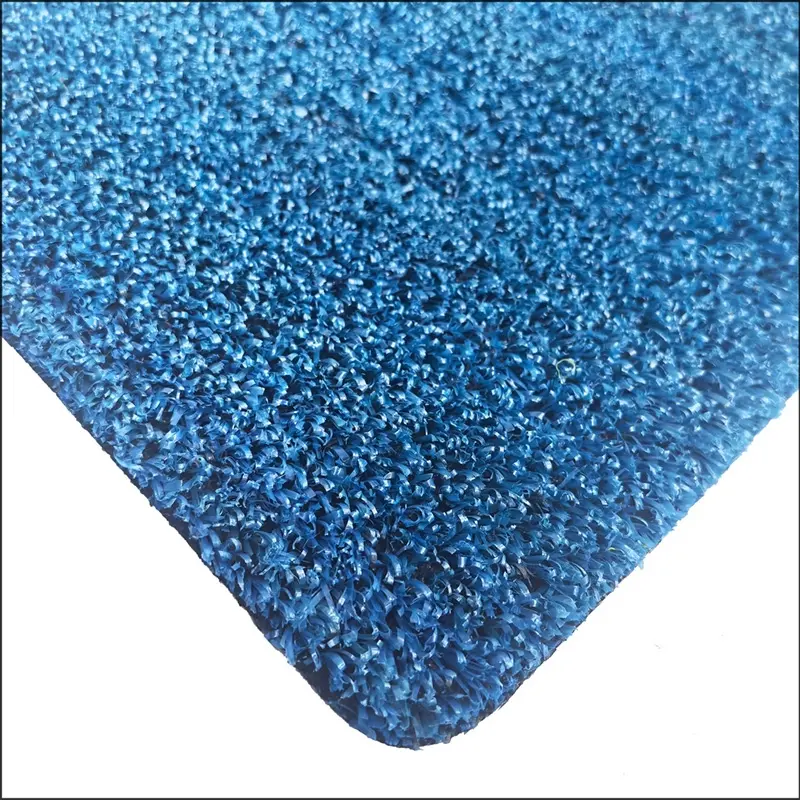
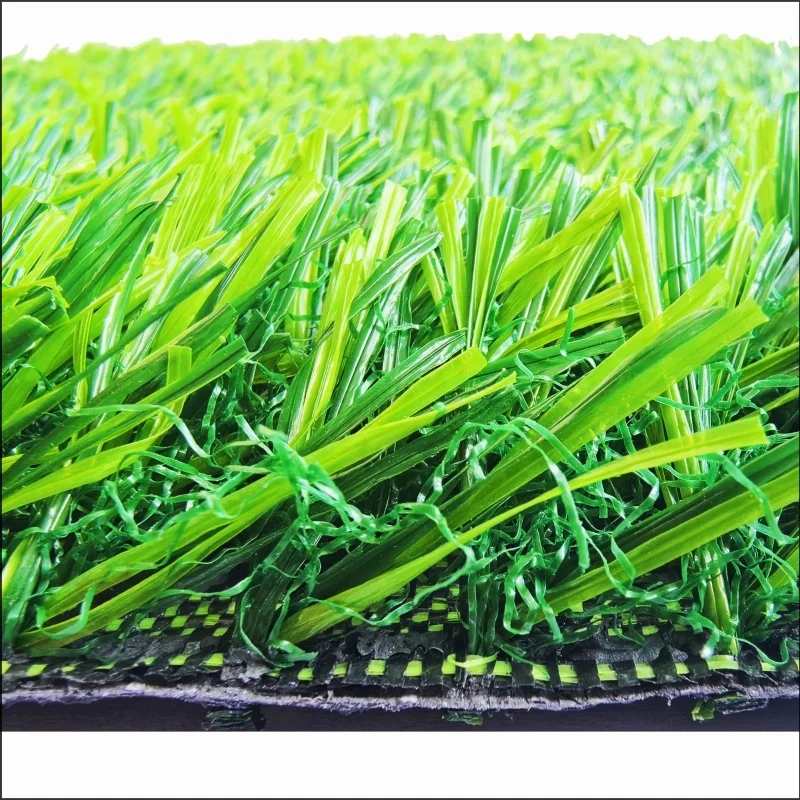
Premium artificial golf green turf Solutions for South Korea

Premium artificial golf green turf Solutions for South Korea

Integrating high-performance polymer engineering with South Korean aesthetic standards for elite sports and landscaping.

Premium artificial golf green turf Solutions for South Korea

Providing the most durable, low-maintenance, and realistic synthetic grass systems tailored for the unique urban and climatic demands of the Korean Peninsula.

The Current Landscape of Synthetic Turf in South Korea

Adapting to high urban density and seasonal climate fluctuations.

South Korea's market for artificial football turf has seen an explosion in demand due to the limited availability of natural land in metropolitan areas like Seoul and Busan. The integration of synthetic surfaces in community sports complexes has become a necessity for maintaining year-round athletic activity despite the harsh winters.

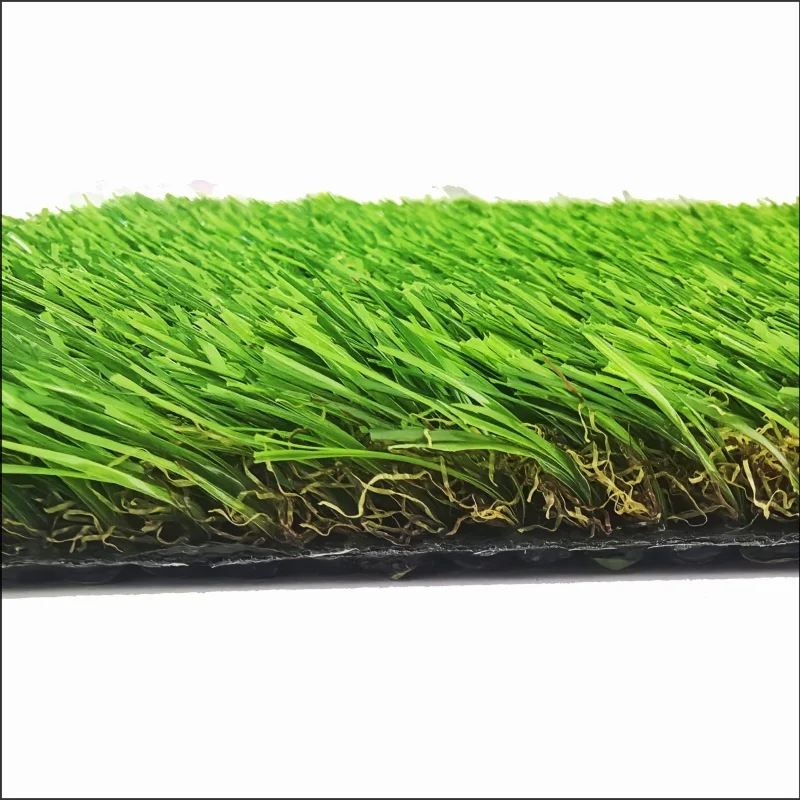
In the residential sector, the trend toward artificial gardens is growing rapidly among high-rise apartment dwellers. With the "K-style" preference for minimalism and clean lines, homeowners are opting for high-density polyethylene grass that requires zero watering and remains vibrant throughout the monsoon season.

Furthermore, the luxury leisure sector has driven a surge in the installation of artificial golf green systems. As golf becomes a primary social activity for the corporate elite in South Korea, the demand for professional-grade putting greens in private villas and commercial screen-golf centers has reached an all-time high.
Evolution and Trajectory of Turf Technology

From basic plastic carpets to bio-mimetic sports surfaces.

Market Development History

From 1990 to 2005, the Korean market relied on first-generation nylon fibers which were abrasive and prone to heat buildup. These early installations were purely functional and lacked the elasticity required for professional sports.

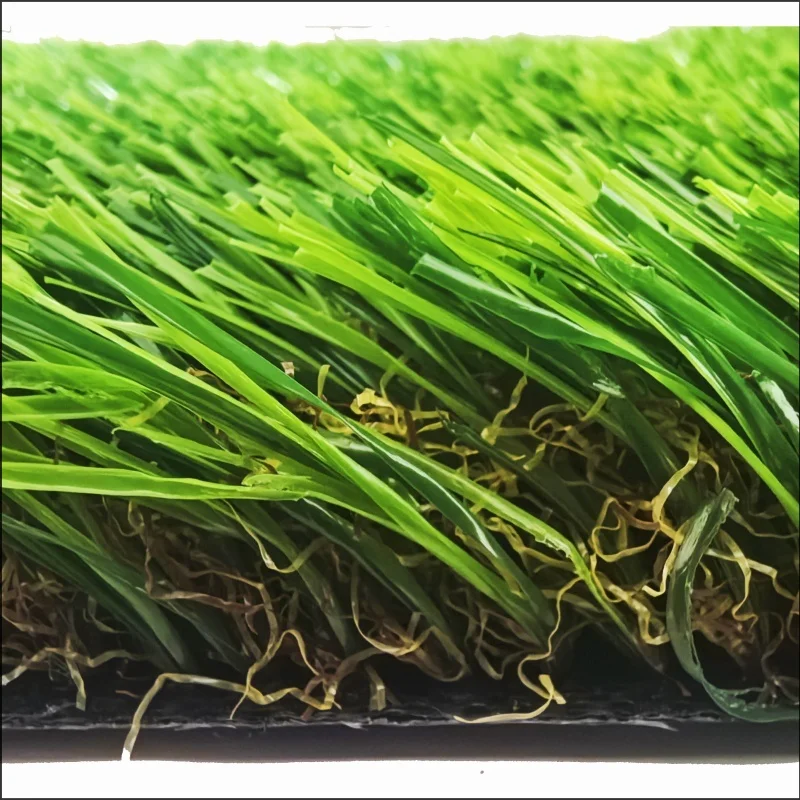
Between 2006 and 2015, the transition to polyethylene (PE) and the introduction of SBR rubber infill revolutionized artificial golf turf. This era focused on "pile height" and "density," moving closer to the feel of natural bentgrass.

Since 2016, the focus has shifted toward sustainability and E-E-A-T compliant manufacturing. The adoption of TPE (Thermoplastic Elastomer) and eco-friendly infills has reduced the carbon footprint while enhancing the UV resistance necessary for East Asian summers.

Future Development Trends

Cool-Roof Integration

Developing turf with infrared-reflective pigments to combat the "urban heat island" effect in Seoul's dense districts.

Smart-Sensing Fibers

Integrating conductive polymers into the backing of sports turf to monitor player movement and surface wear in real-time.

Bio-Degradable Base Layers

Transitioning from petroleum-based backings to recycled organic polymers to meet South Korea's strict 2030 environmental targets.

Industry Trends and Future Outlook

Navigating the shift toward sustainable and high-performance synthetic polymers.

Eco-Polymer Shift
Moving toward lead-free and non-toxic materials to satisfy strict health regulations.
Hyper-Realistic Textures
Using multi-shape fiber technology to mimic different species of natural Korean grass.
Drainage Optimization
Advanced perforated backing systems to prevent flooding during the East Asian monsoon.
Hybrid Installation
Combining synthetic fibers with natural organic infill for professional sports stadiums.

Industry Outlook

The South Korean market is pivoting toward a "Circular Economy" model. Google search trends indicate a 35% increase in queries for "eco-friendly synthetic grass" and "non-toxic turf," suggesting that the next 3-5 years will be dominated by biodegradable polymer blends.

Furthermore, the integration of AI-driven maintenance scheduling will reduce operational costs for commercial sports facilities, ensuring that the performance of artificial golf green turf remains consistent across all seasons.

Localized Application Scenarios in South Korea

Tailored solutions for diverse urban and leisure environments.

01. Seoul High-Rise Rooftop Gardens

Utilizing lightweight artificial gardens to create green escapes on apartment rooftops, providing mental wellness spaces without adding excessive structural load.

02. Gangnam Commercial Screen-Golf Centers

Implementing professional-grade artificial golf green surfaces that offer a precise ball roll and high impact resistance for high-traffic urban simulators.

03. Gyeonggi-do Community Football Hubs

Installing heavy-duty artificial football turf with advanced shock-absorption layers to reduce athlete injuries during intensive training.

04. Jeju Island Luxury Resort Landscaping

Deploying salt-resistant synthetic grass to maintain a lush green appearance in coastal environments where natural grass struggles with salinity.

05. Incheon Smart City Public Parks

Creating multi-functional play areas using hybrid turf systems that combine safety, aesthetics, and rapid drainage for children's playgrounds.

Brand Story

Global Development Journey of Hebei Xiongyi Rubber and Plastic Products Co., Ltd.

Foundational Engineering

Established with a focus on high-precision polymer extrusion to solve the common issue of fiber shedding in early synthetic turf.

Material Innovation

Developed proprietary UV-stabilized polyethylene blends to ensure color longevity in extreme East Asian climates.

Global Expansion

Expanded into the South Korean market, tailoring product specifications to meet the unique demands of K-sports and urban aesthetics.

Sustainable Pivot

Launched a series of eco-friendly, recyclable turf systems, reducing the environmental impact of rubber infills.

Industry Leadership

Recognized as a leading provider of integrated turf solutions, blending manufacturing excellence with regional market intelligence.

Comprehensive Turf Portfolio for South Korea

From professional sports arenas to boutique residential landscapes.

Common Questions for South Korean Turf Installation

Expert answers to technical and maintenance concerns.

How does artificial football turf handle the heavy summer rains in Korea?

Our turf features a high-permeability backing and specialized drainage holes that allow water to flow rapidly into the sub-base, preventing surface pooling during the monsoon season.

Is artificial golf green turf suitable for cold Seoul winters?

Yes, we use low-temperature resistant polymers that prevent the fibers from becoming brittle or cracking in sub-zero temperatures, maintaining elasticity year-round.

What is the lifespan of artificial gardens in urban apartments?

With proper maintenance, our high-density synthetic grass lasts between 8 to 12 years, depending on the foot traffic and UV exposure of the rooftop or balcony.

How to maintain the ball roll speed on an artificial golf green?

Regular brushing and the application of specialized kiln-dried sand infill help maintain the desired stimpmeter speed and protect the fiber structure from flattening.

Are your artificial golf turf materials non-toxic and safe for pets?

Absolutely. All our products are certified lead-free and phthalate-free, ensuring they are safe for children and pets in residential garden settings.

Can artificial football turf be installed over existing concrete?

Yes, by using a specialized shock-pad underlay, we can install high-performance turf over concrete while still providing the necessary impact absorption for athletes.

Ready to Transform Your Space?

Get a professional consultation for your synthetic turf project in South Korea today.

Contact Us Now

If you are interested in our products, you can choose to leave your information here, and we will be in touch with you shortly.