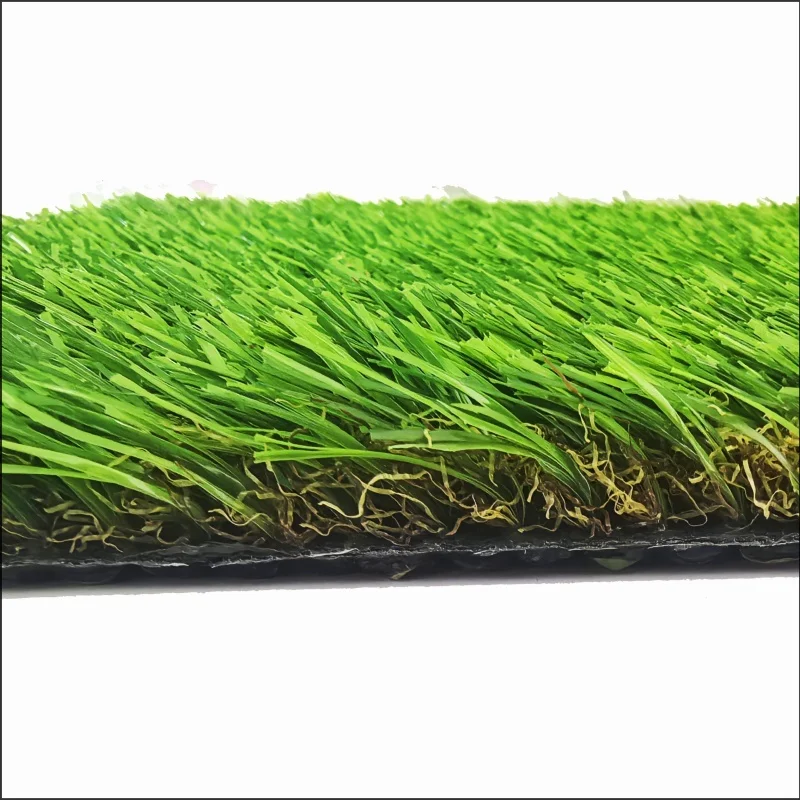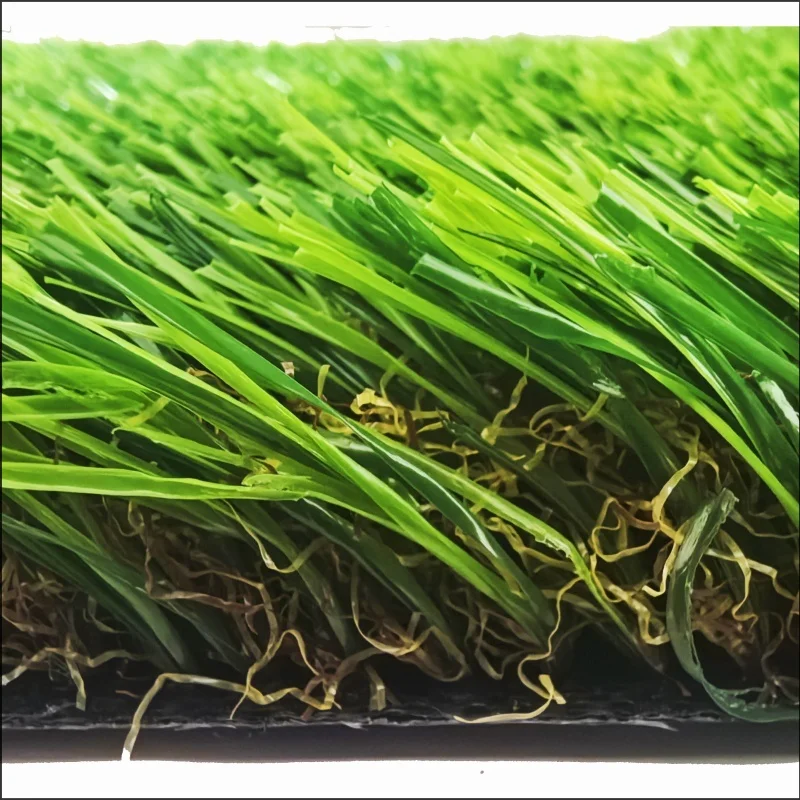
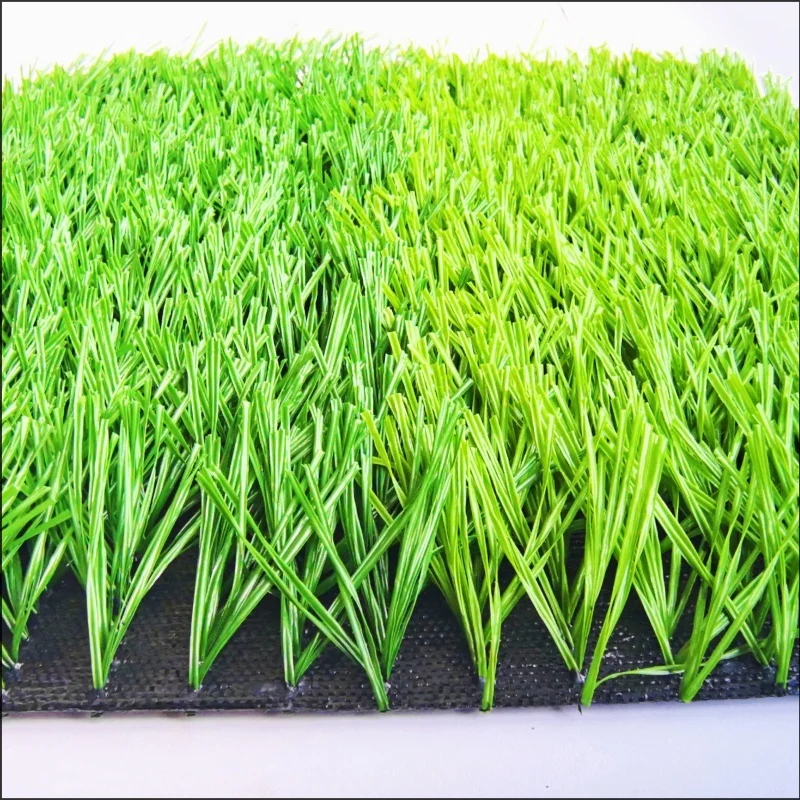
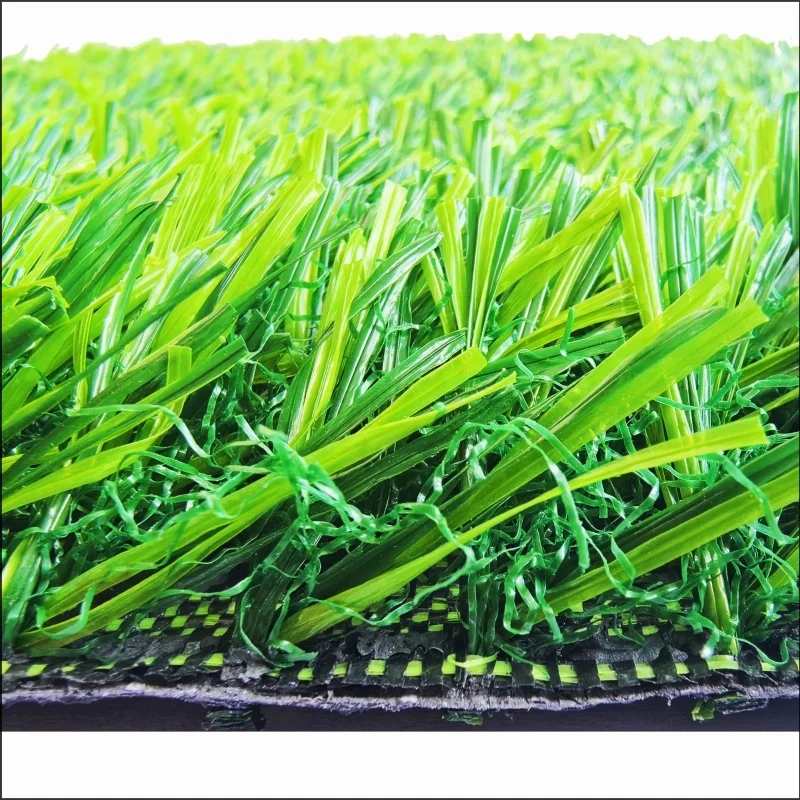
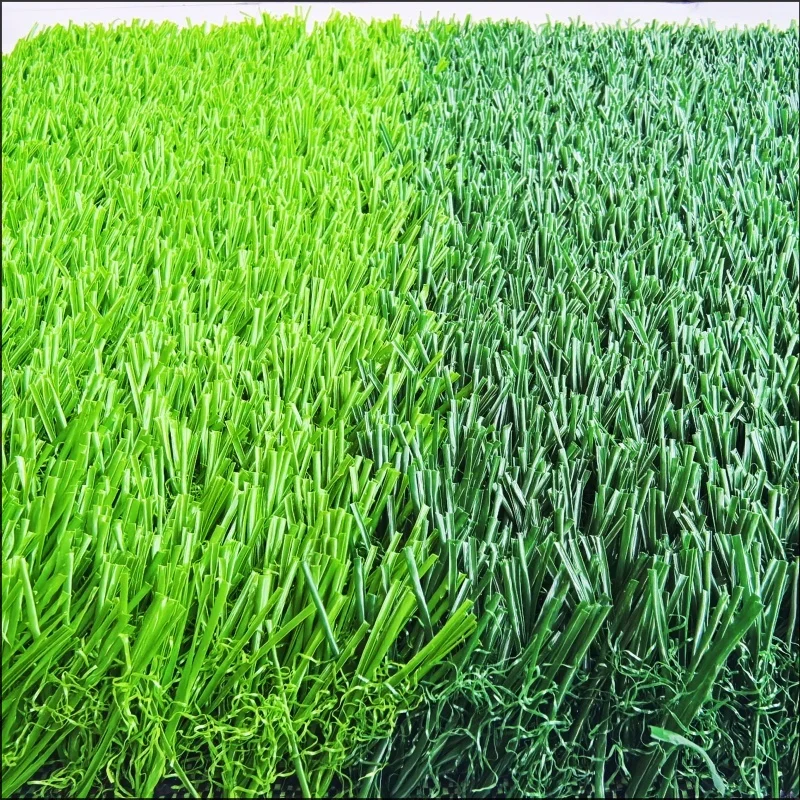
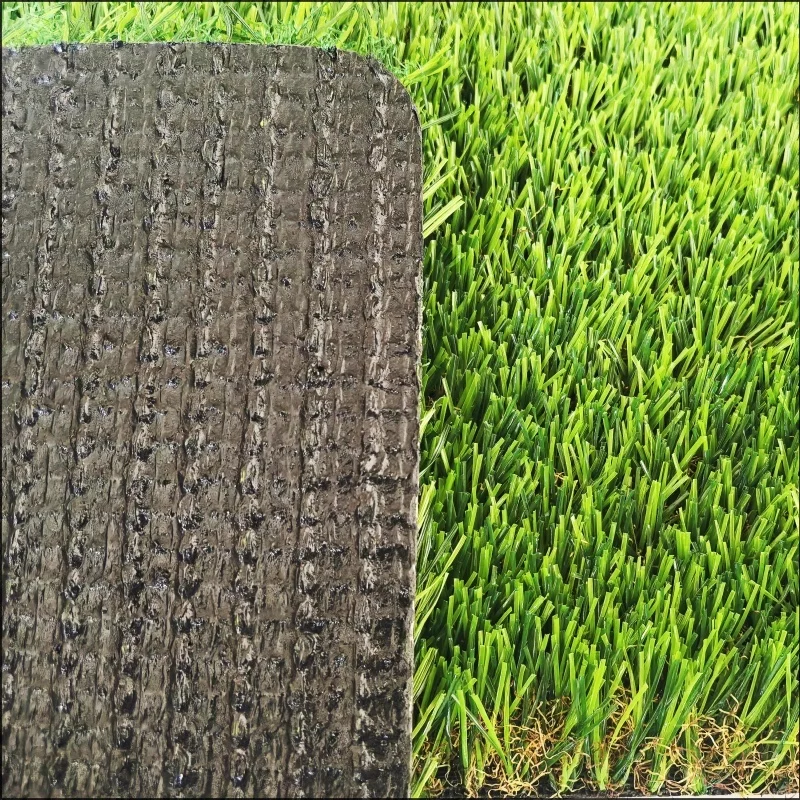
Kazakhstan presents a unique challenge for the rubber and plastics industry due to its continental climate, where temperatures swing from extreme freezes in winter to scorching heat in summer. This has led to a surge in demand for artificial football turf that can withstand thermal expansion and contraction without losing structural integrity.
In urban centers like Almaty and Astana, the scarcity of water for maintaining natural grass has pushed developers toward artificial gardens. The local market is shifting away from low-cost imports toward high-density polyethylene (PE) fibers that resist UV degradation under the intense Central Asian sun.
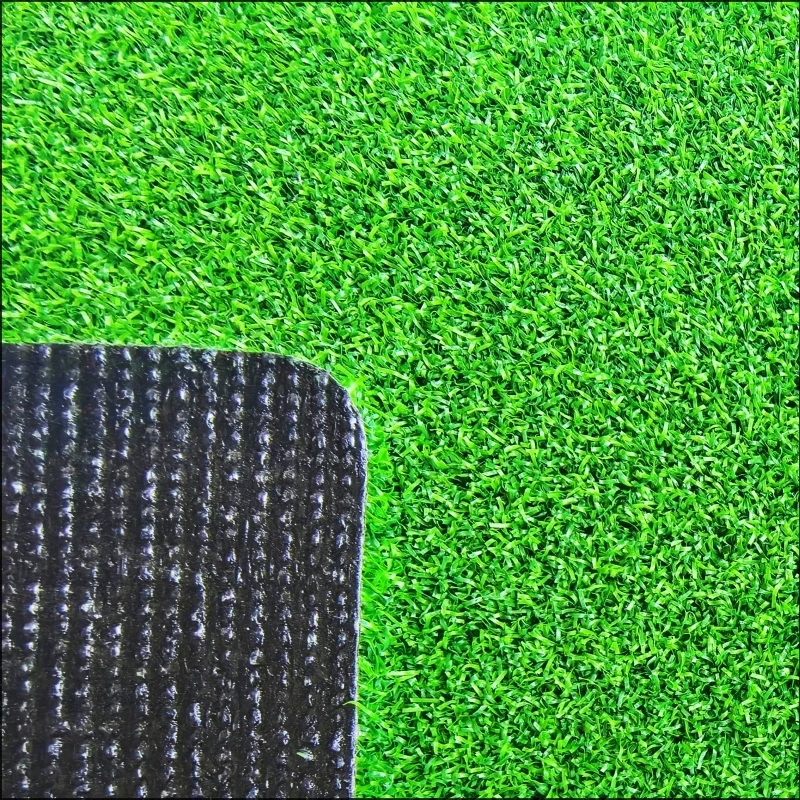
Furthermore, the growing luxury real estate sector in the region has created a niche for specialized sports surfaces. The adoption of artificial golf turf is increasing as corporate hubs integrate leisure facilities that remain usable year-round, regardless of the dormant season of natural grass.