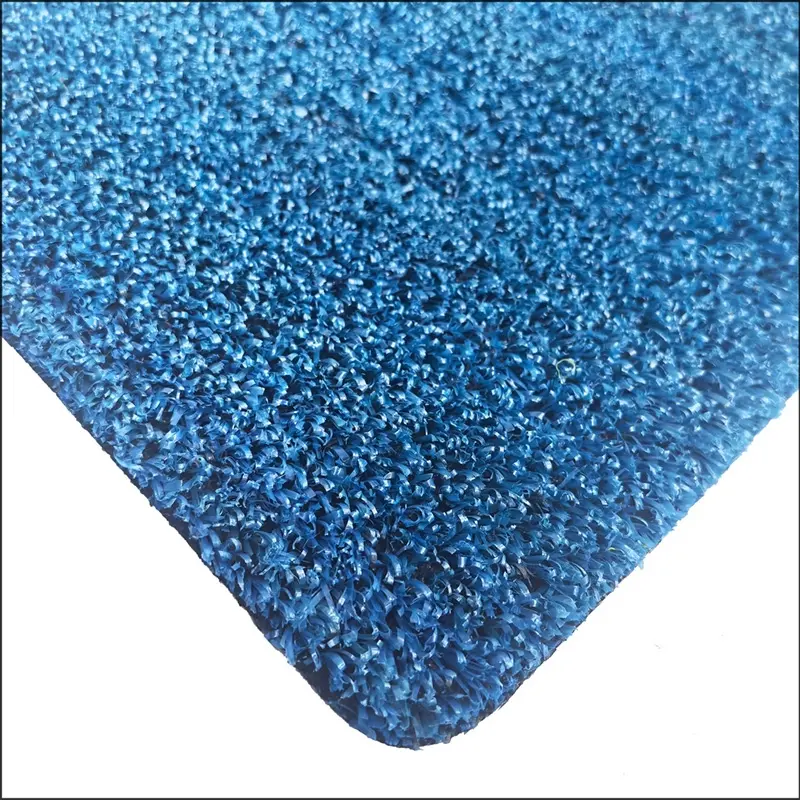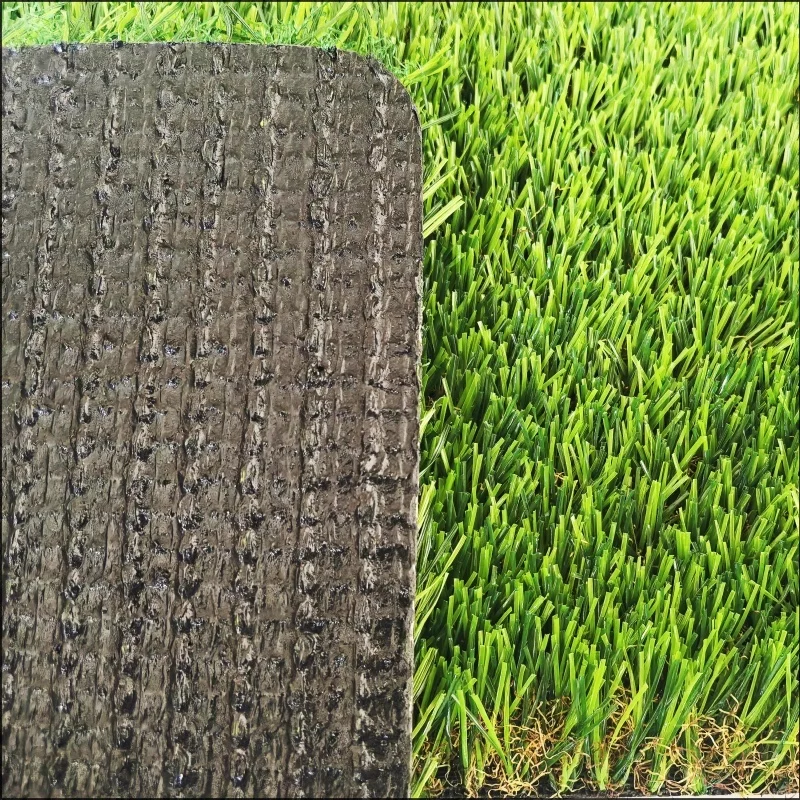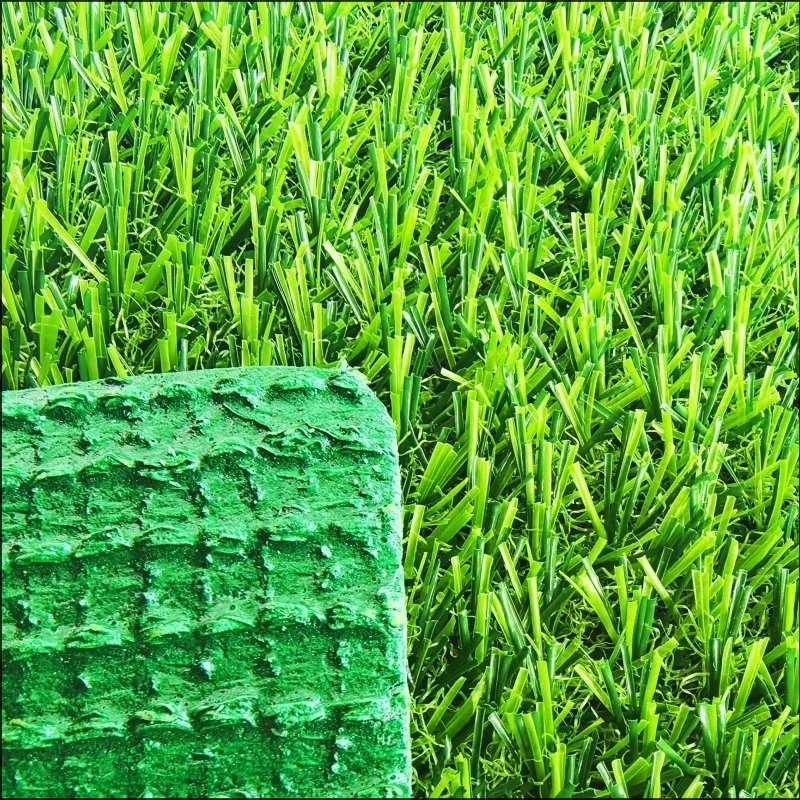
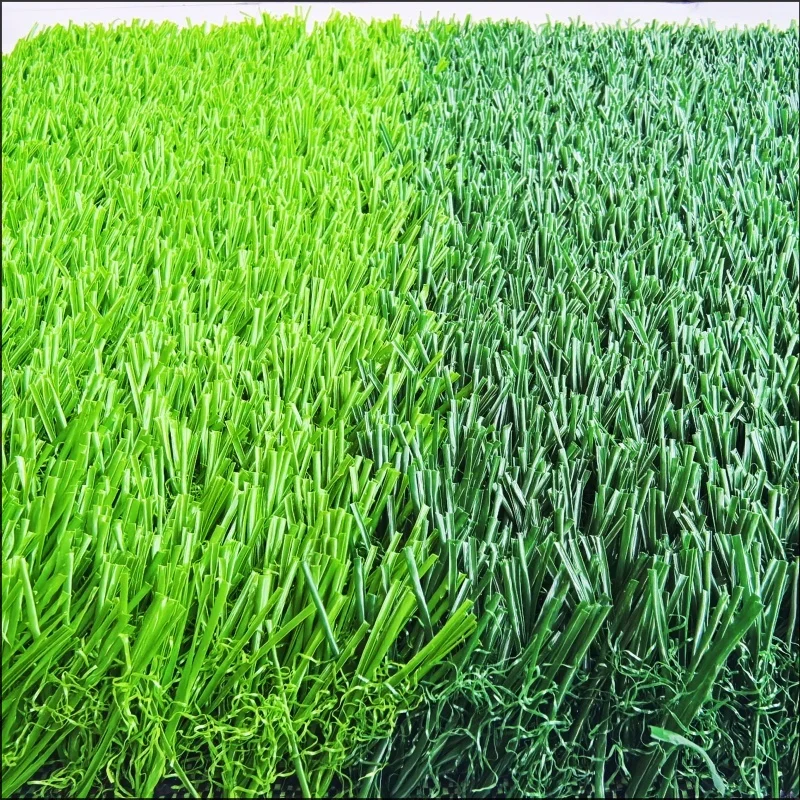
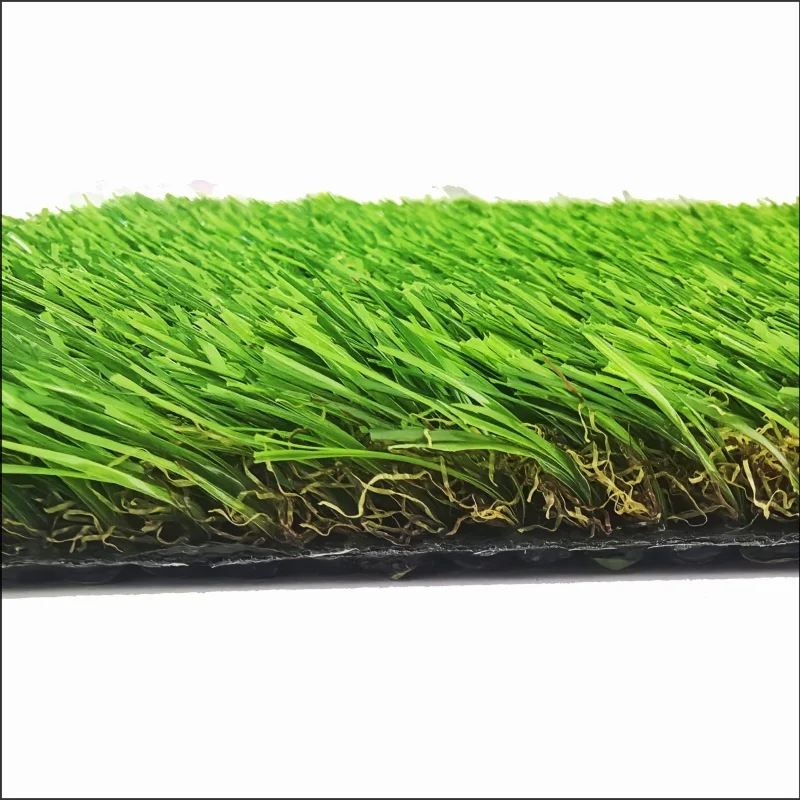
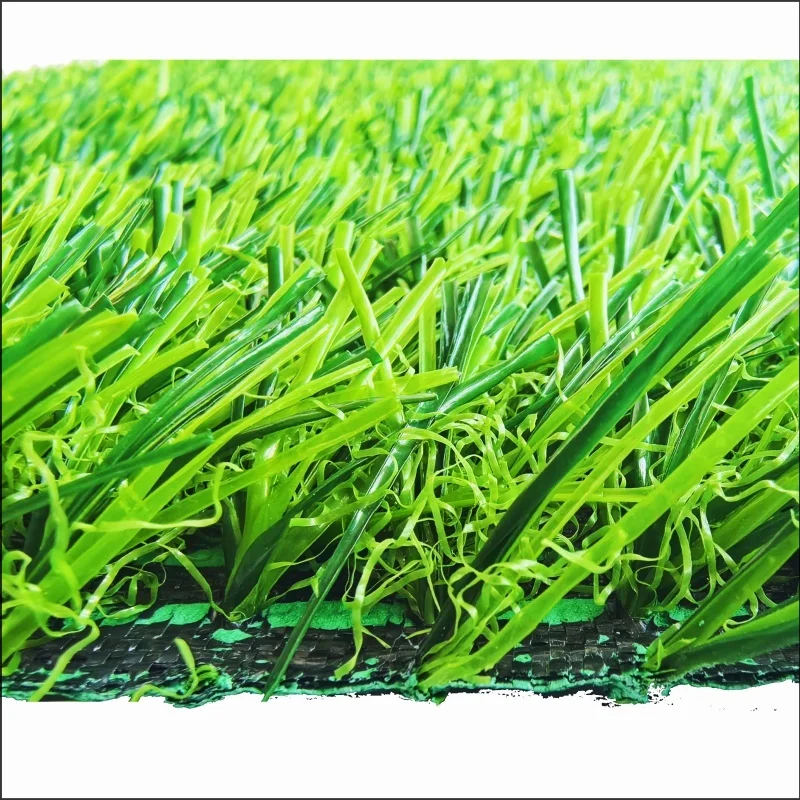
Germany's commitment to environmental sustainability and precise engineering has shifted the demand toward high-quality artificial gardens. With fluctuating seasonal temperatures and significant rainfall in regions like Bavaria and North Rhine-Westphalia, the market requires turf that offers superior drainage and UV resistance to prevent degradation during harsh winters and hot summers.
The proliferation of urban living in cities like Berlin and Munich has led to a surge in the adoption of artificial football turf for community sports clubs. These facilities prioritize high-density fibers and shock-absorption layers to reduce athlete injury while maintaining a consistent playing surface year-round, regardless of the muddy conditions typical of autumn.
Furthermore, the luxury leisure sector has seen a rise in private artificial golf turf installations. German homeowners and commercial resorts are increasingly investing in precision-engineered surfaces that mimic the rolling greens of professional courses, emphasizing a "natural feel" combined with zero-water maintenance.