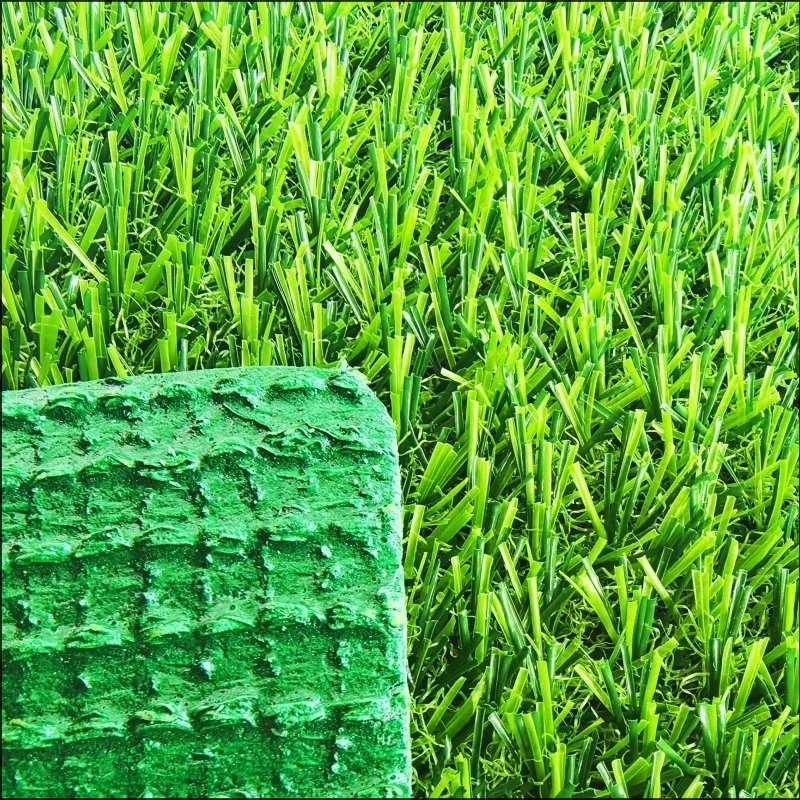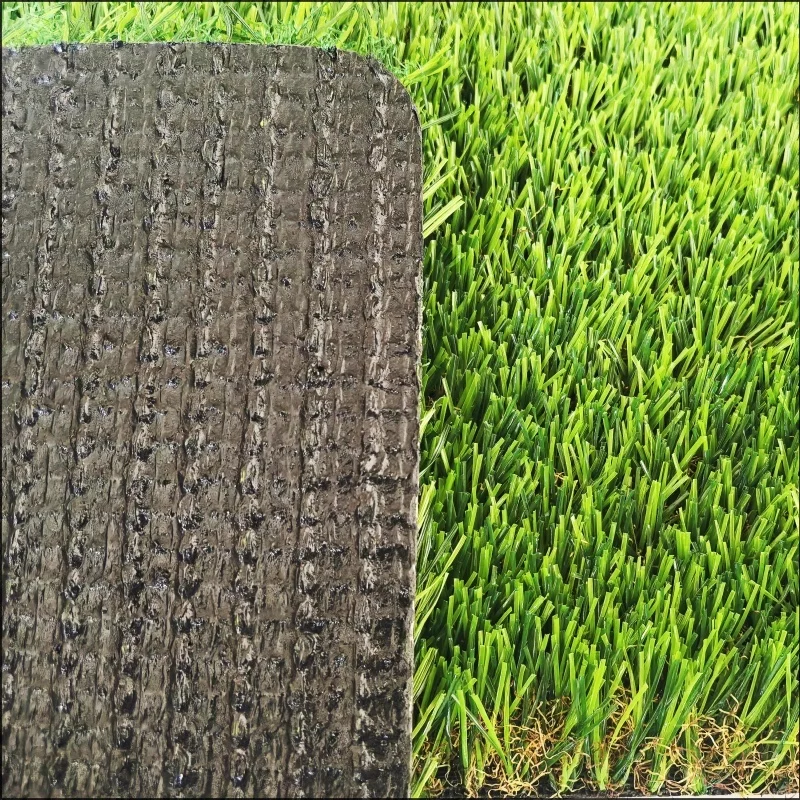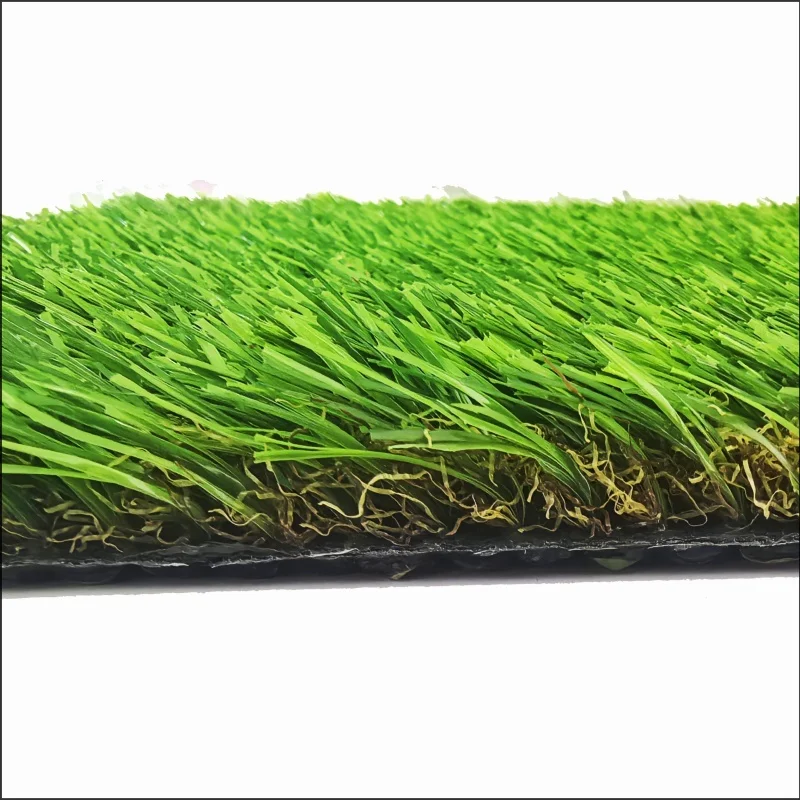
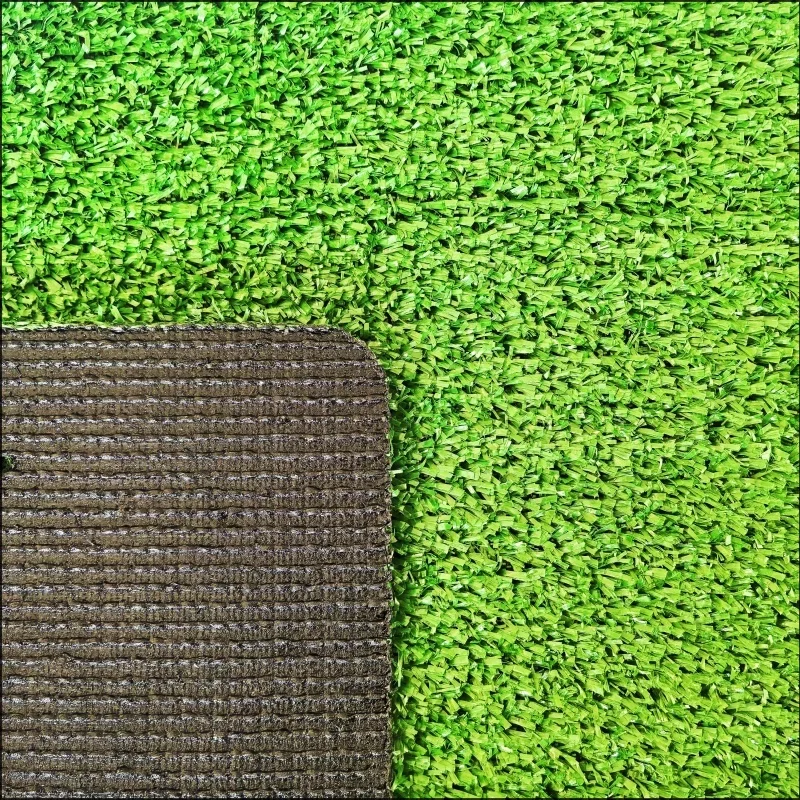
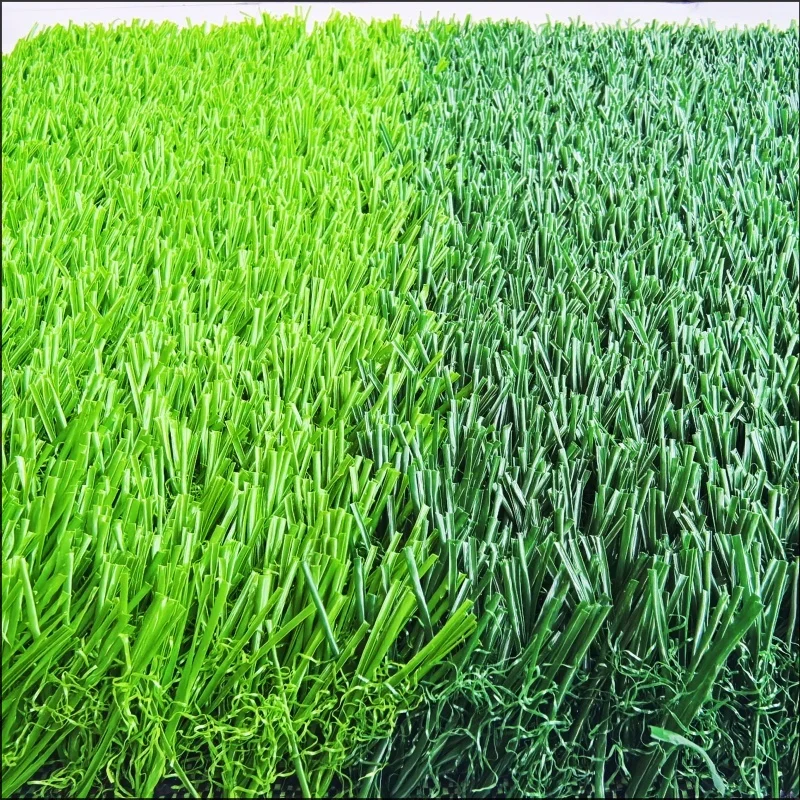
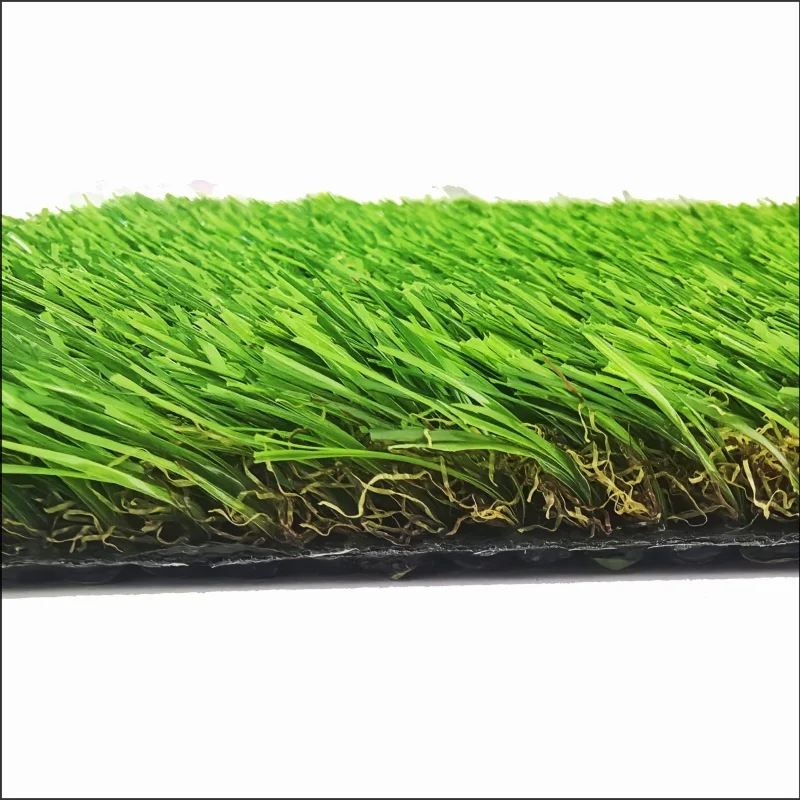
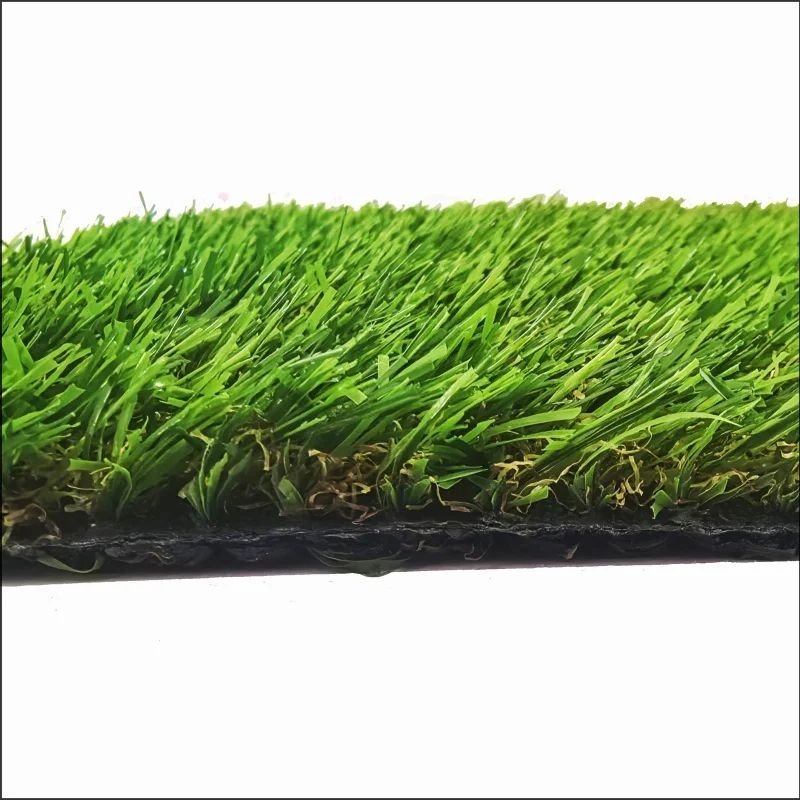
Denmark's maritime climate, characterized by high humidity and frequent precipitation, presents a significant challenge for natural grass maintenance. This has led to a surge in demand for artificial gardens that can maintain a lush, green appearance throughout the gloomy winter months without the need for excessive chemical fertilizers.
In the professional sports sector, the need for year-round training facilities has made artificial football turf a standard requirement for Danish football clubs. The focus has shifted toward advanced drainage systems and non-toxic infill materials to meet strict EU environmental regulations and the Danish commitment to sustainability.
The leisure segment is seeing a specialized growth in precision surfaces. From private residential putting areas to commercial clubs, the integration of artificial golf turf is increasing, driven by a desire for low-maintenance, high-consistency playing surfaces that withstand the heavy dew and frost typical of the region.