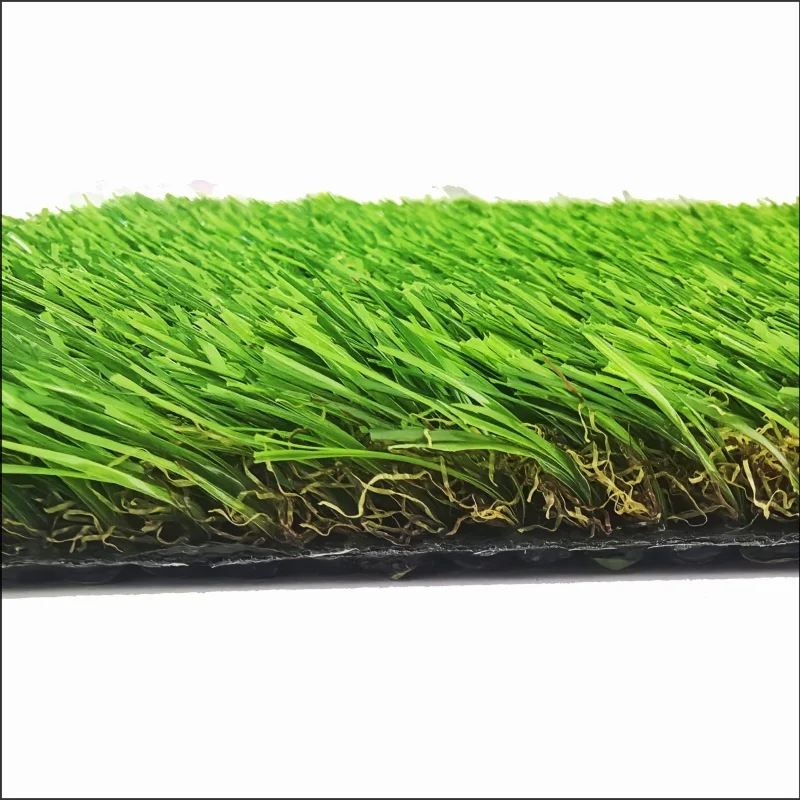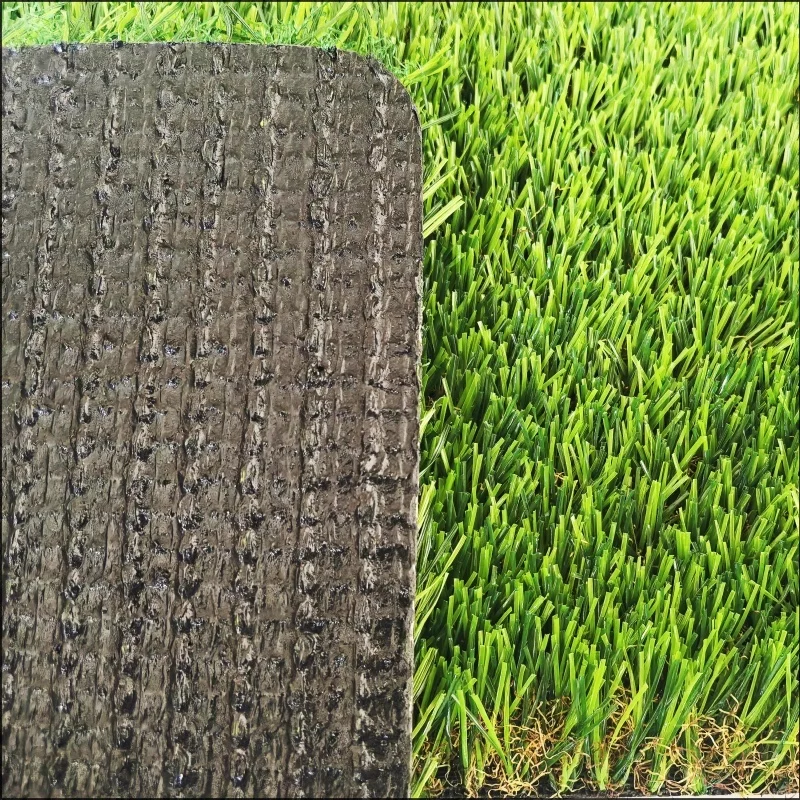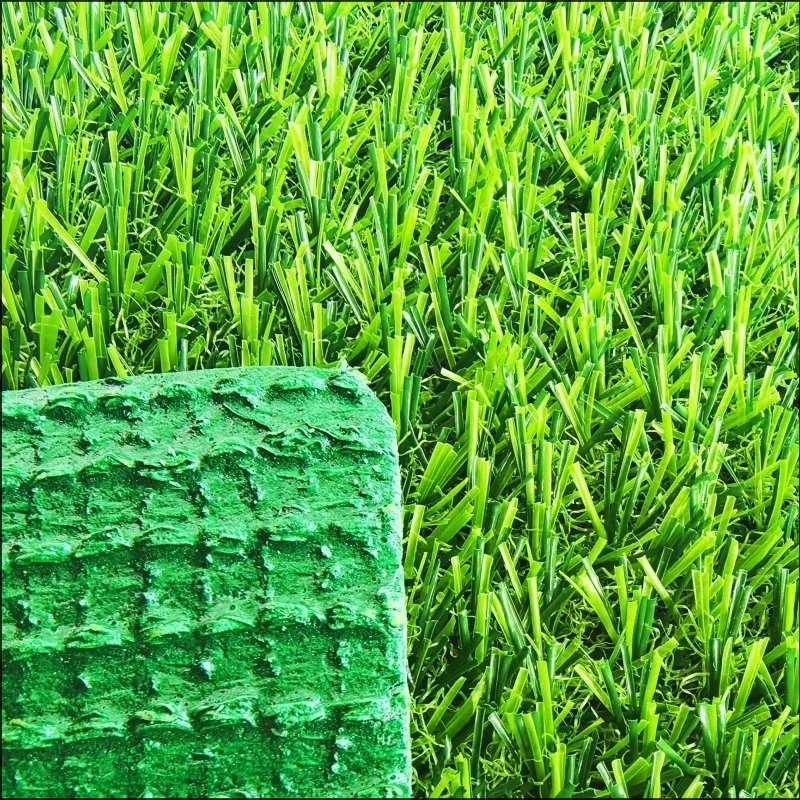
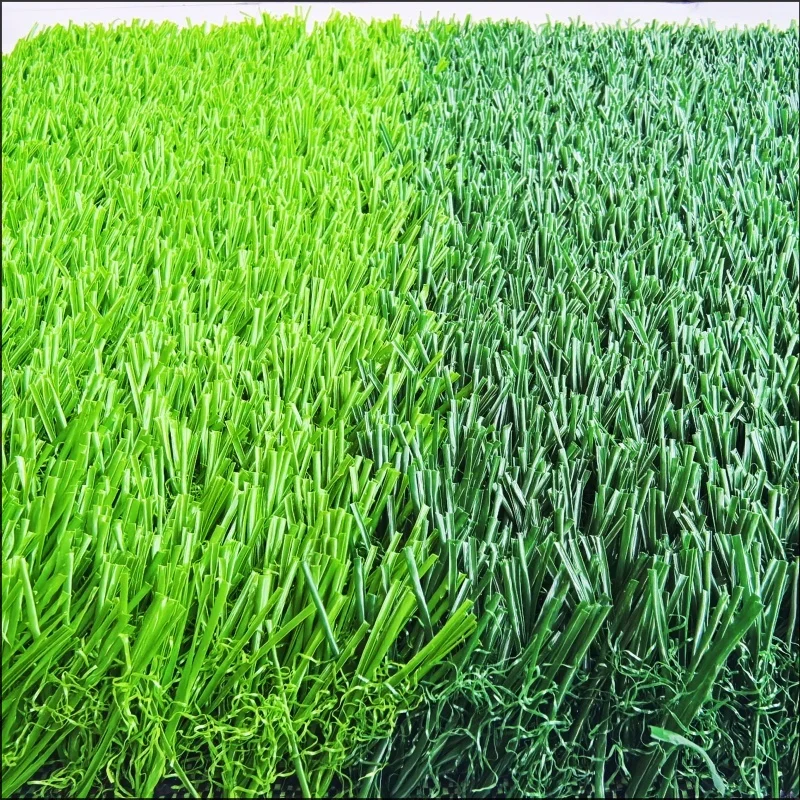
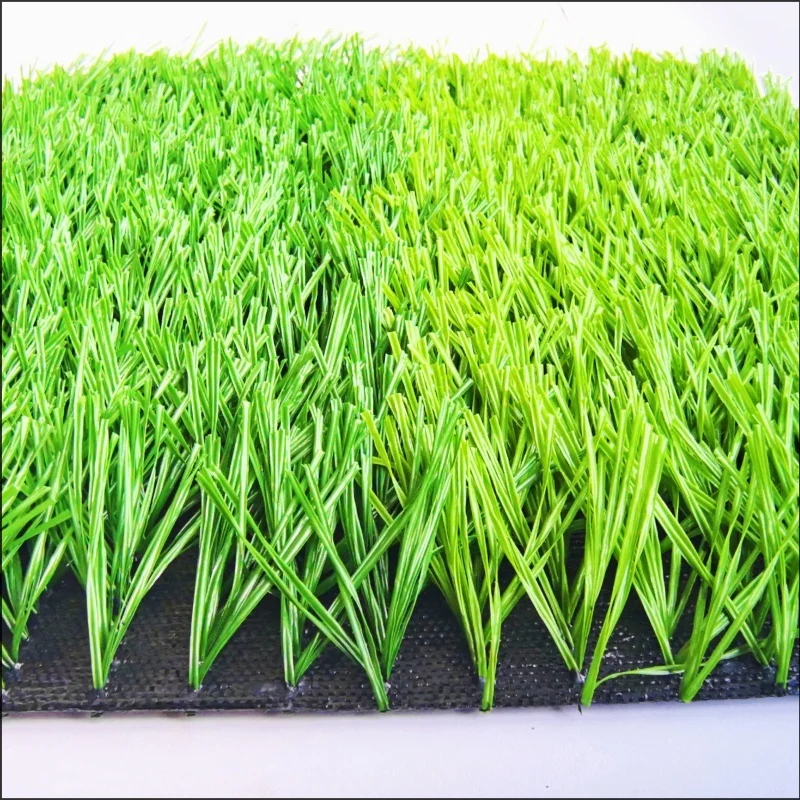
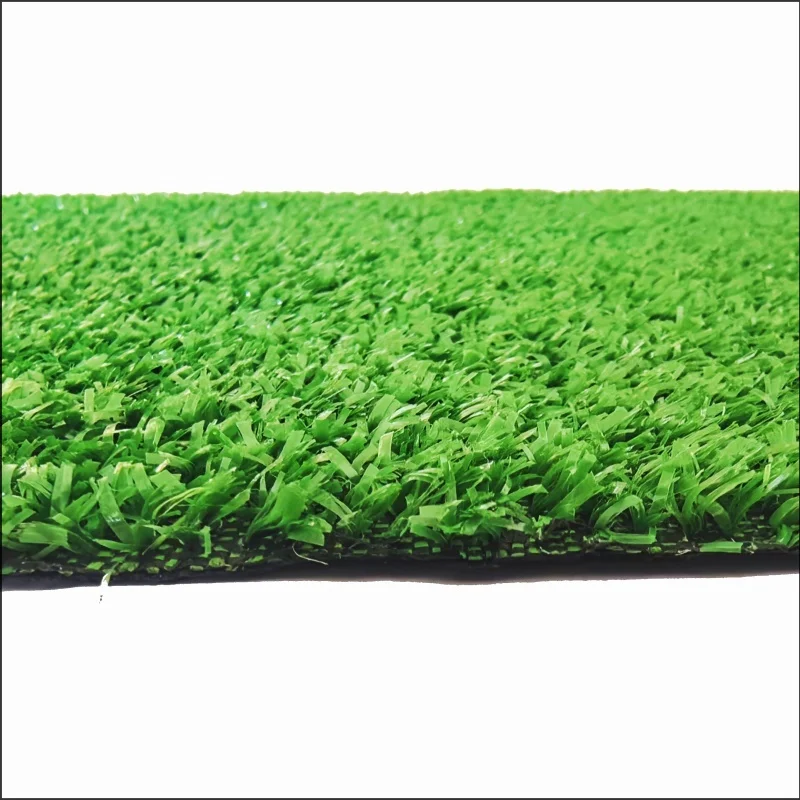
In Cuba, the demand for artificial football turf has risen significantly as sports facilities seek to minimize water consumption in an environment prone to seasonal droughts and extreme humidity. The salt-mist air of the coast often corrodes traditional sports infrastructure, making high-grade polyethylene fibers essential.
Residential and commercial sectors are increasingly adopting artificial gardens to combat the high costs of irrigation and the struggle against invasive tropical weeds. The current market is transitioning from basic felt-like plastics to multi-layered, permeable systems that prevent water pooling during heavy rainfall.
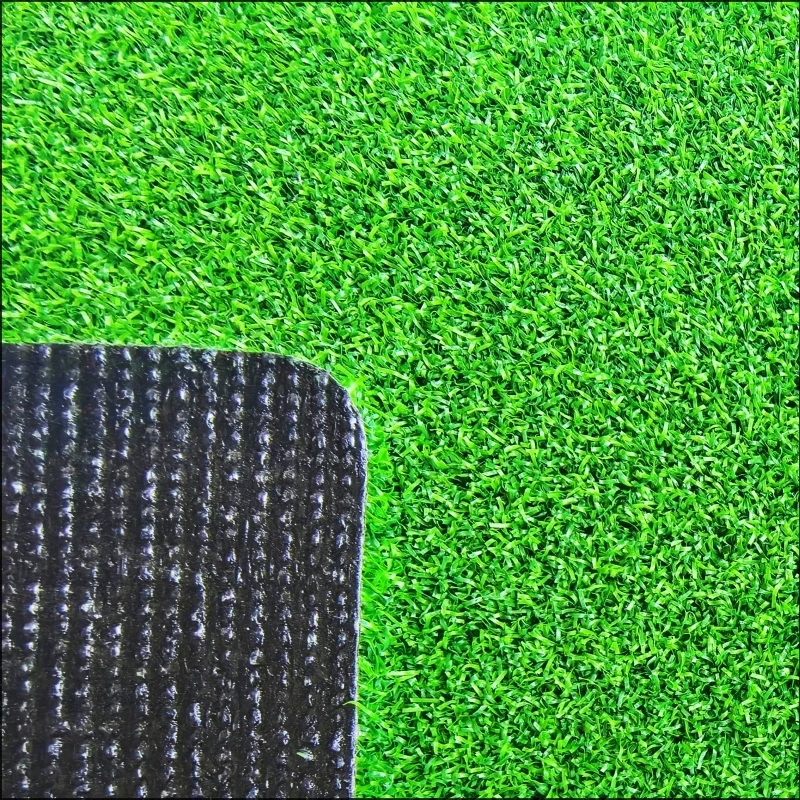
The luxury hospitality sector in Cuba is focusing on the installation of artificial golf turf to provide year-round leisure experiences for tourists. However, the extreme UV radiation in the region requires specific chemical stabilizers in the yarn to prevent fading and brittleness.