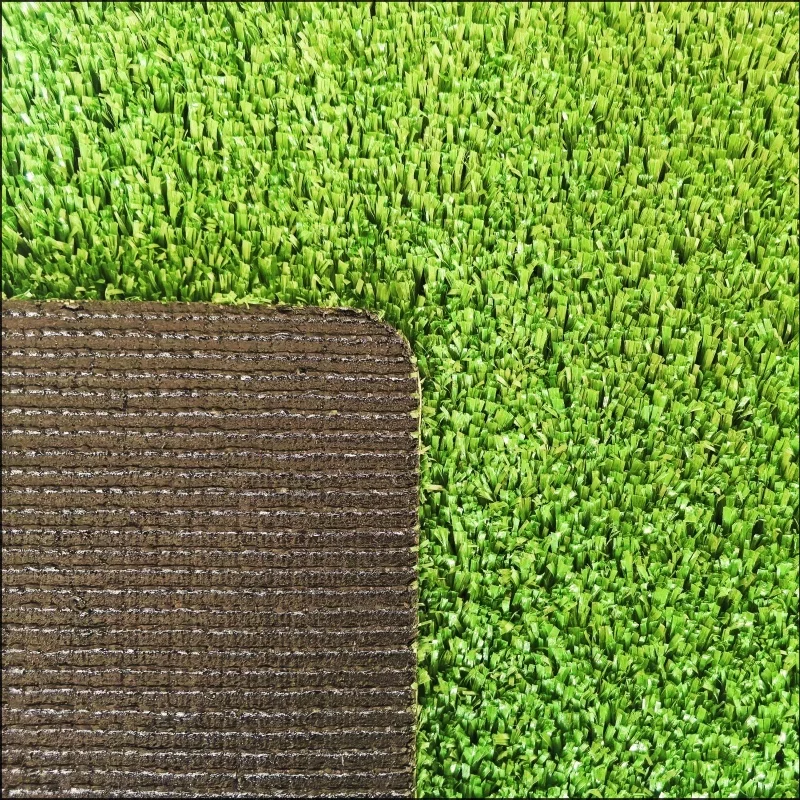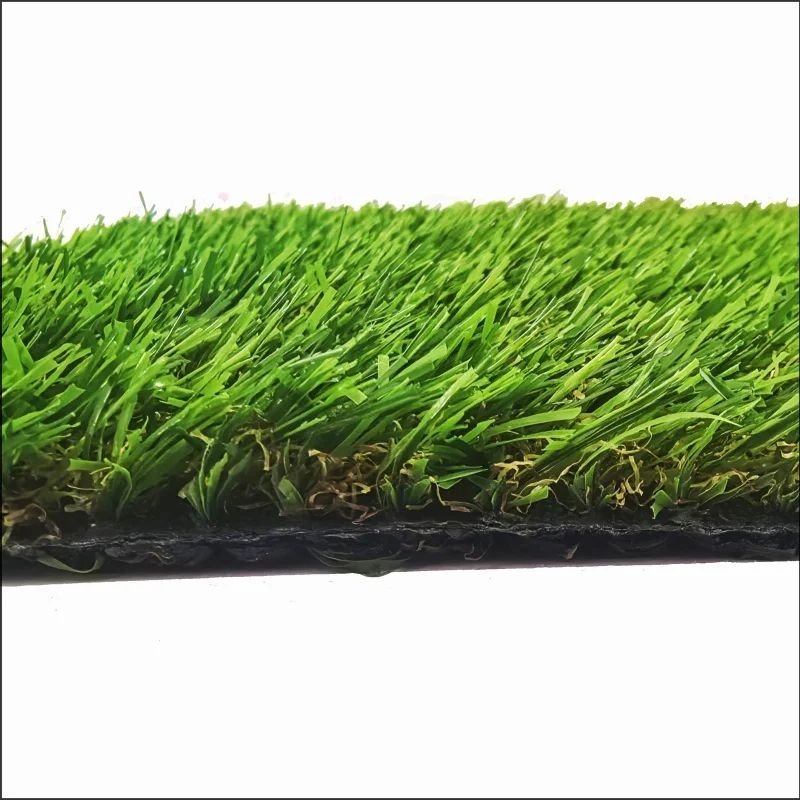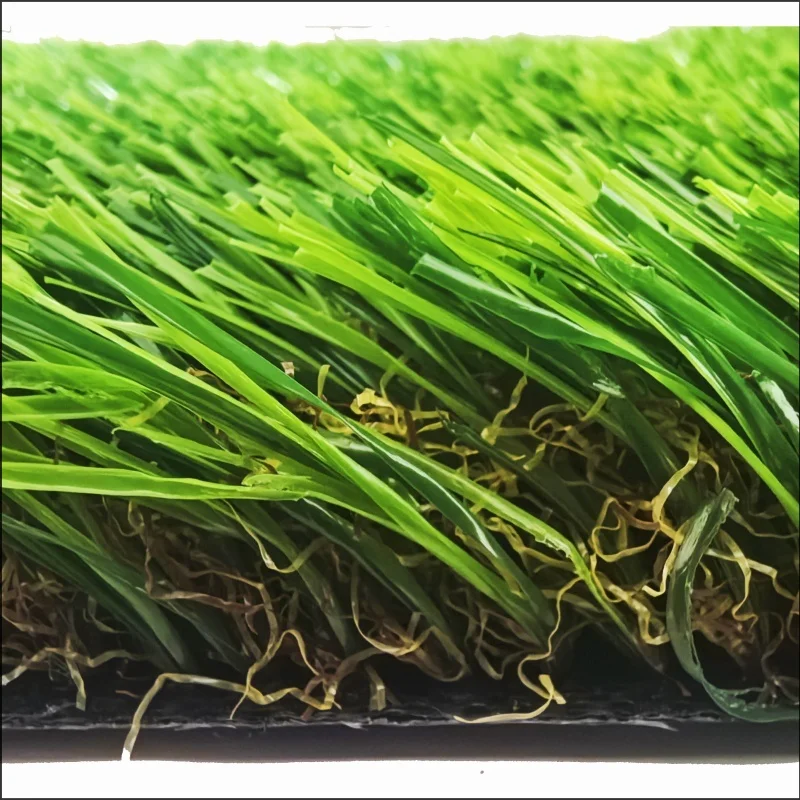
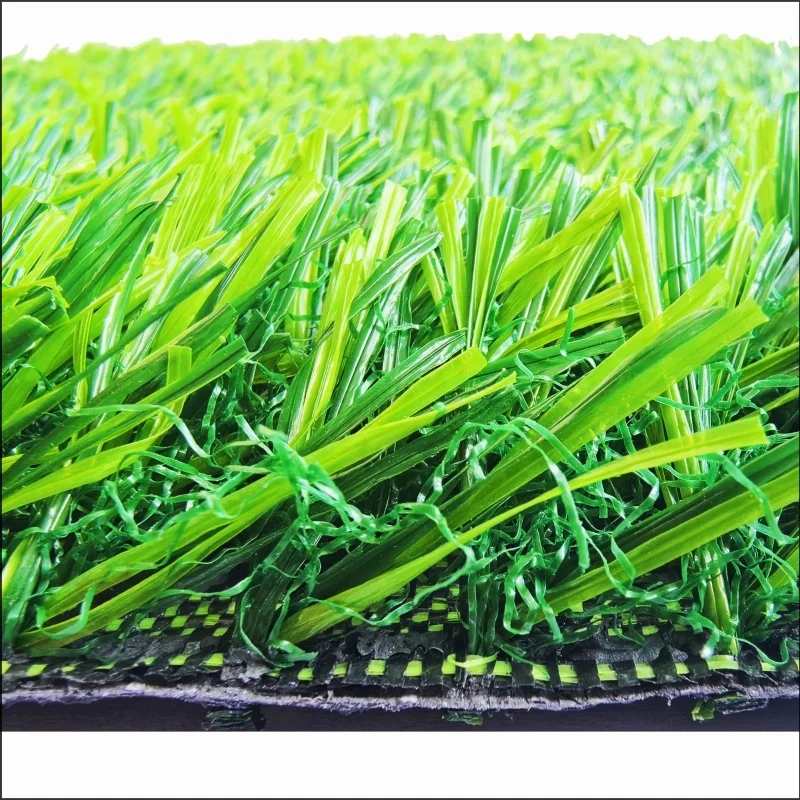
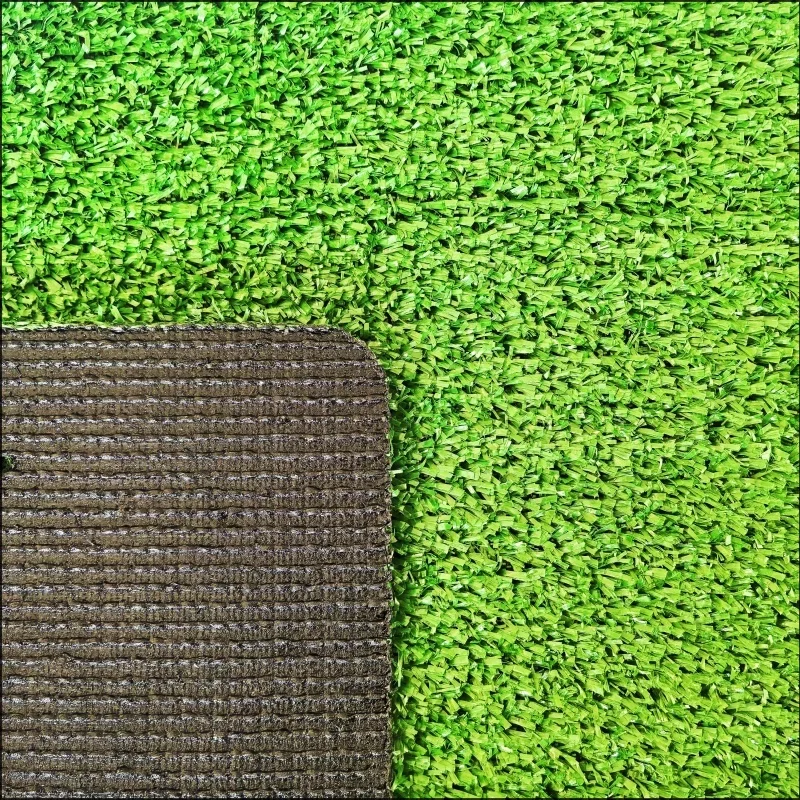
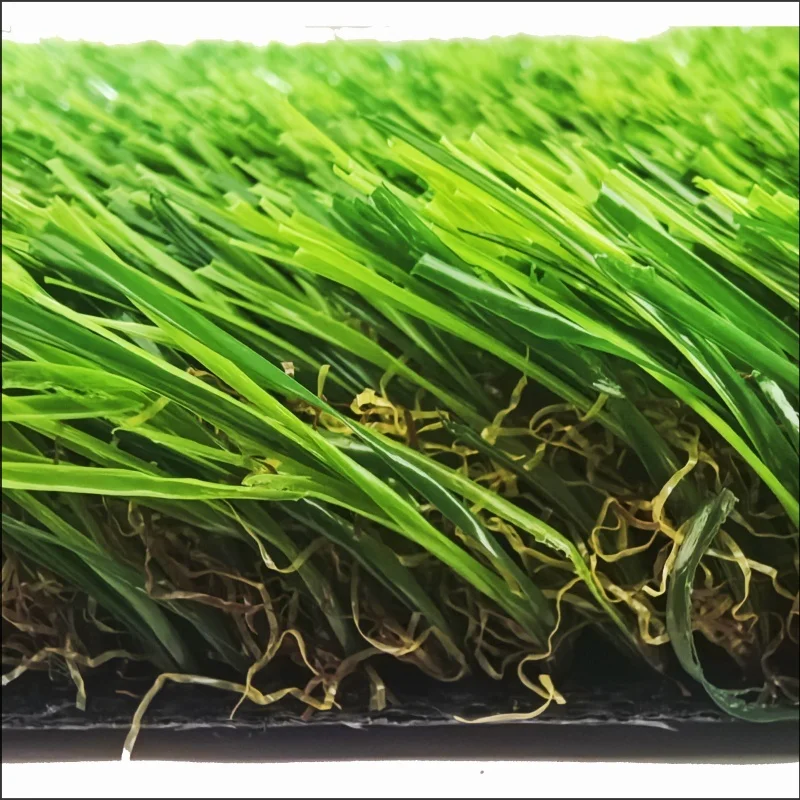
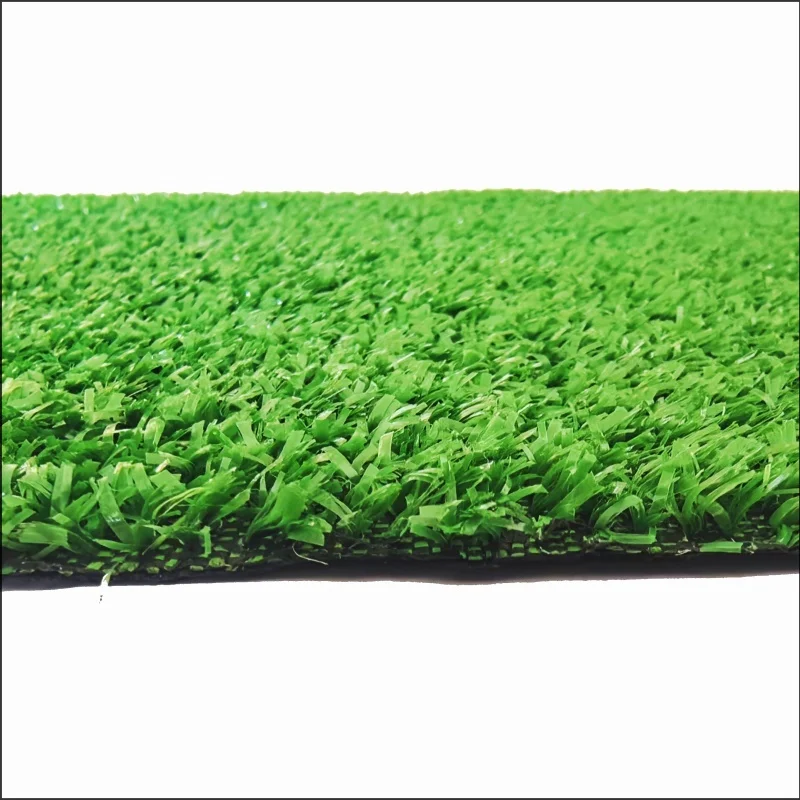
Chile presents a unique challenge for the plastics industry due to its extreme longitudinal climatic diversity. In the central valley and northern regions, the intense UV radiation levels necessitate the use of high-grade UV stabilizers in artificial gardens to prevent fiber degradation and color fading, which are common failures in low-quality imports.
Furthermore, water scarcity in the Atacama and Coquimbo regions has shifted commercial and residential preferences. The demand for water-saving landscapes has accelerated the adoption of synthetic solutions, moving away from thirsty natural lawns toward sustainable, high-density polymers that maintain an evergreen aesthetic without irrigation.
From a manufacturing perspective, the Chilean market is evolving from basic "carpet-style" grass to professional-grade systems. This includes specialized artificial football turf that can withstand the high-frequency usage of Santiago's urban sports complexes while meeting FIFA-standard shock absorption and ball-roll requirements.