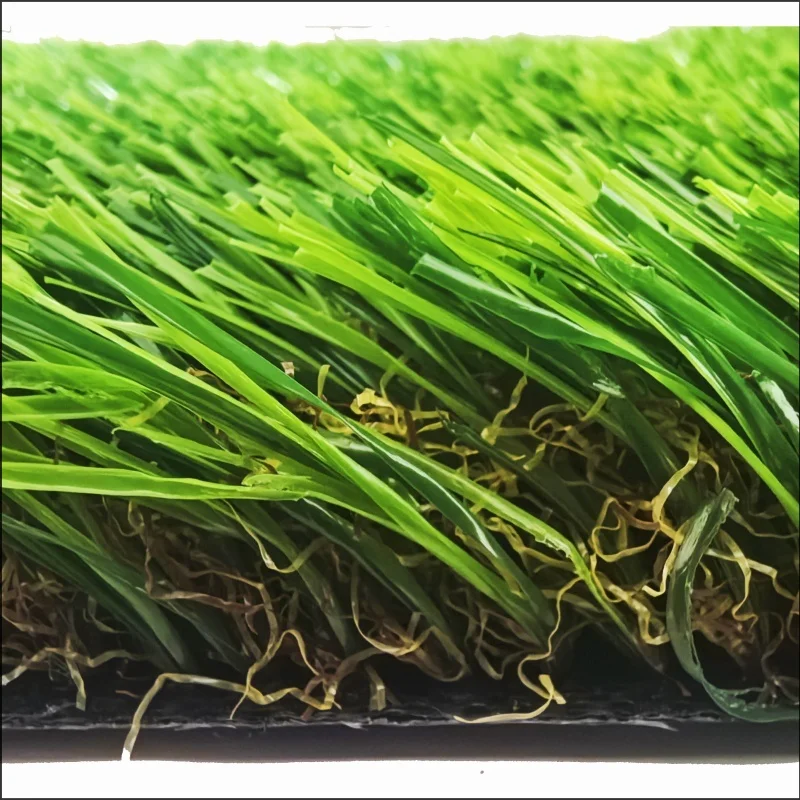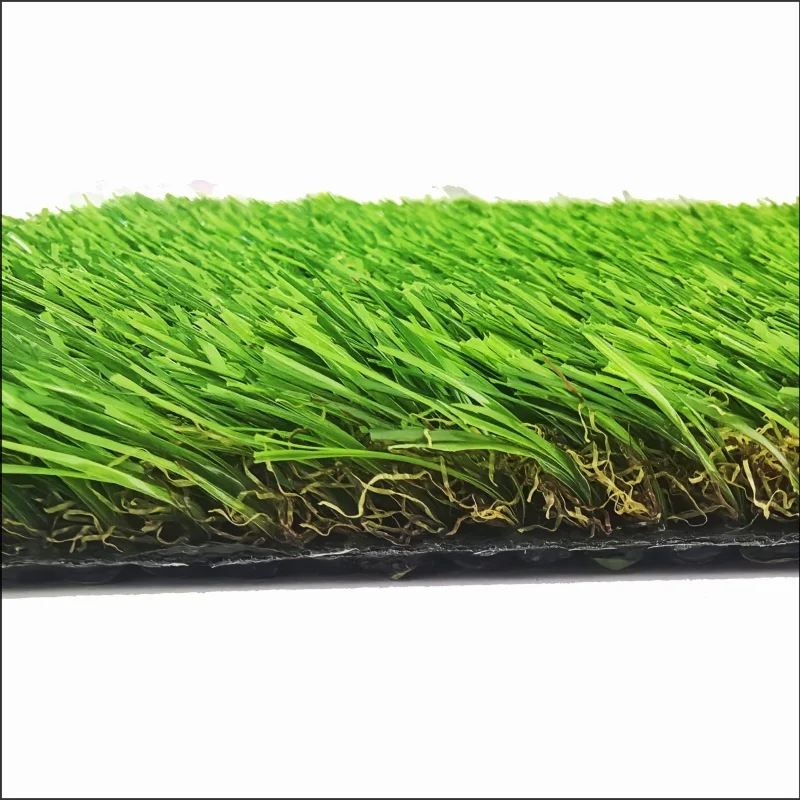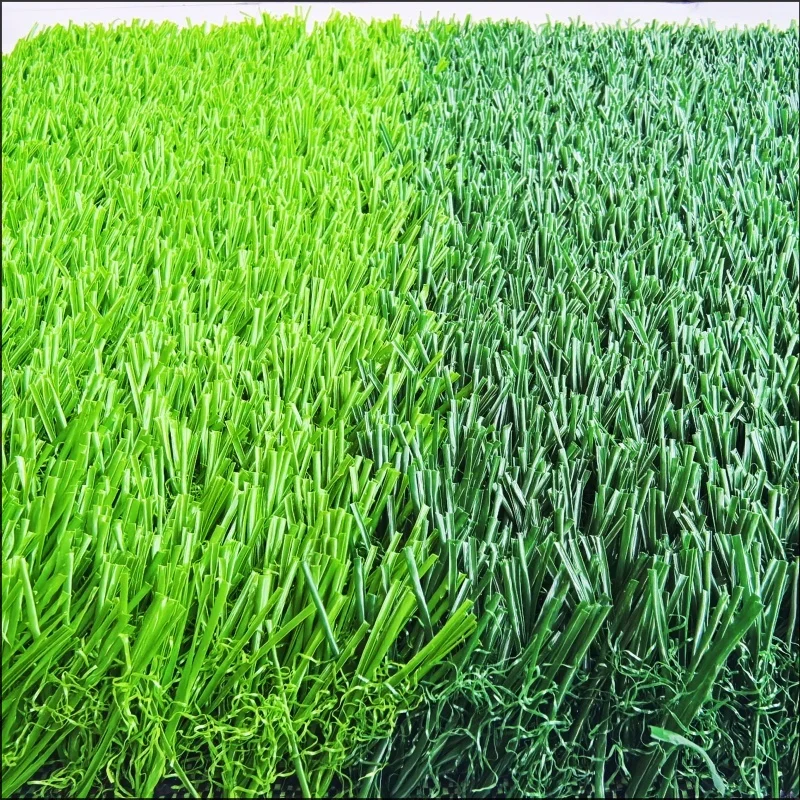
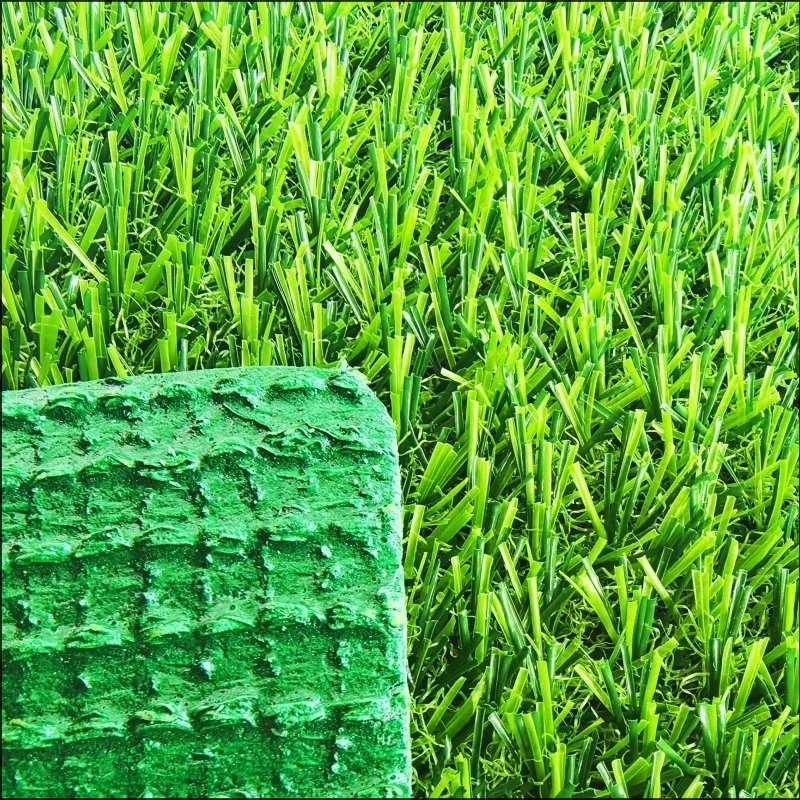
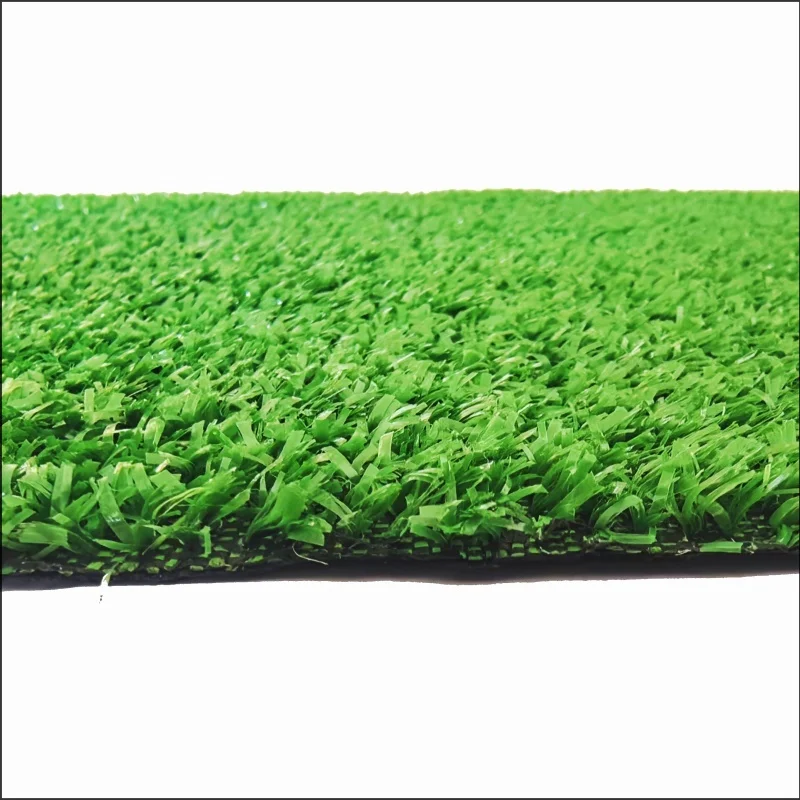
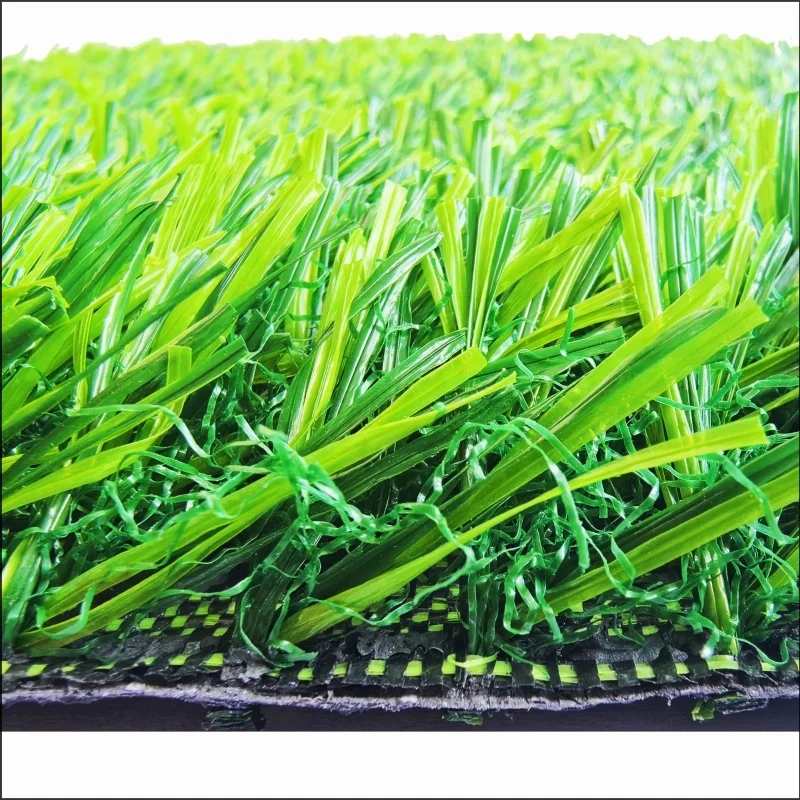
In Papua New Guinea, the demand for artificial football turf has surged as urban centers like Port Moresby seek sports facilities that can survive extreme precipitation and high humidity without the constant need for mowing and seeding.
The local market is transitioning from basic plastic carpets to high-density polyethylene (HDPE) fibers. This shift is driven by the need for materials that resist the intense Equatorial UV radiation, which typically degrades lower-quality plastics rapidly.
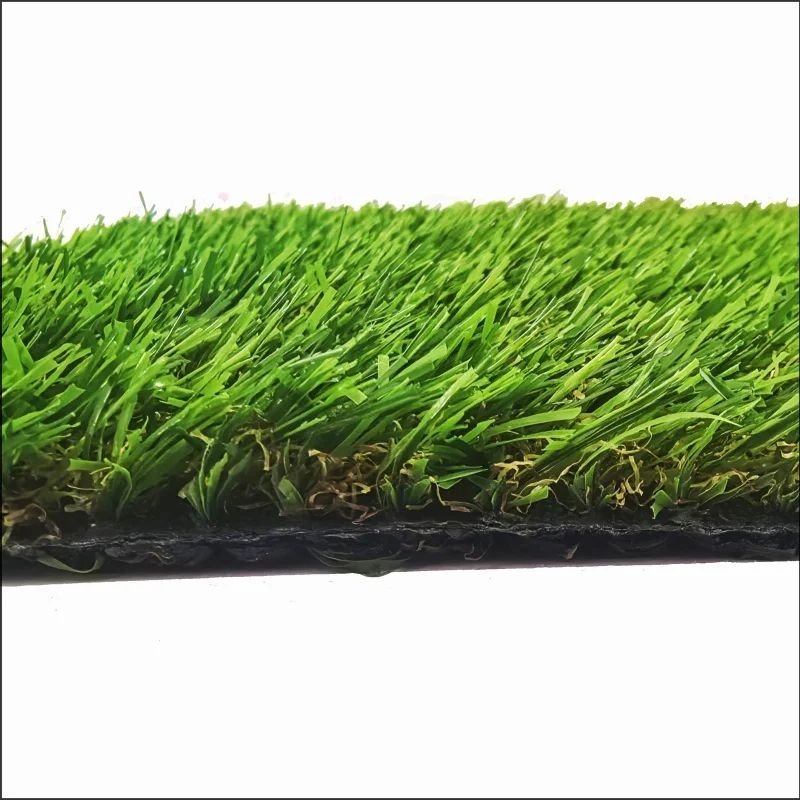
Furthermore, the integration of artificial gardens is becoming a trend in commercial landscaping, providing a sustainable alternative to maintain greenery during erratic weather cycles while reducing water consumption in remote regions.