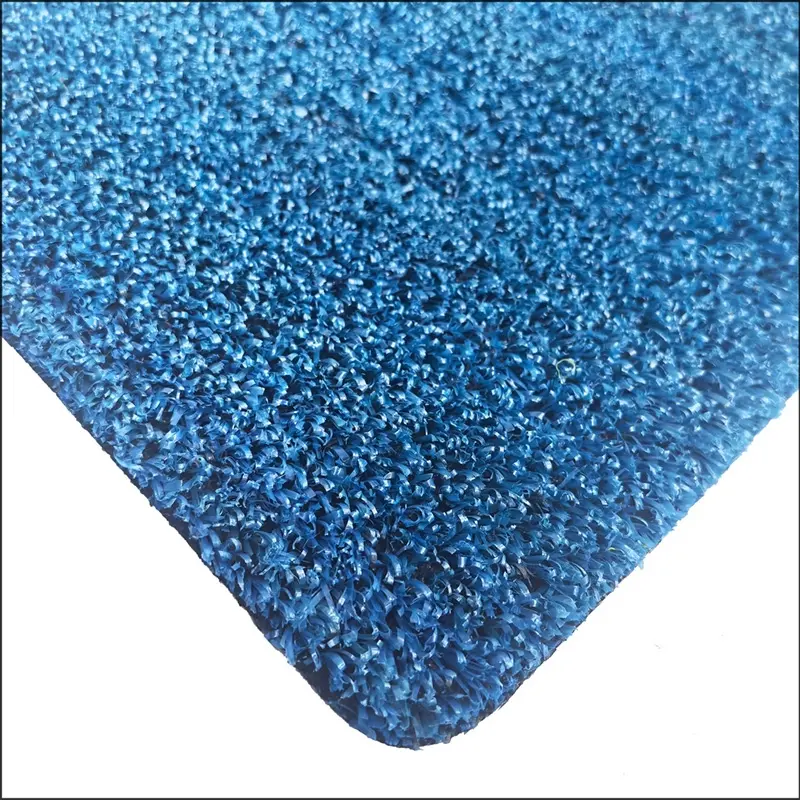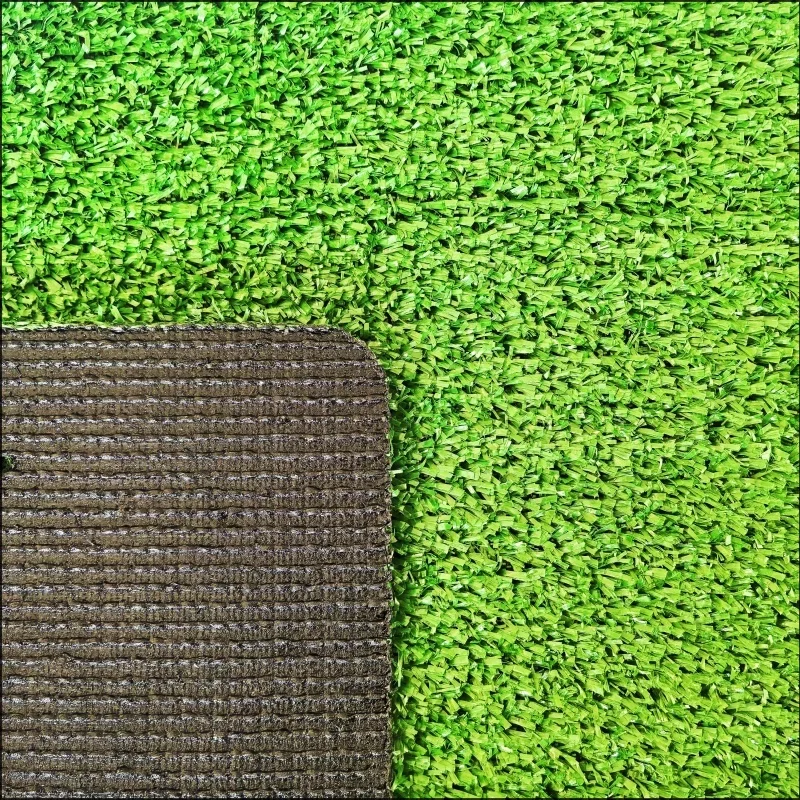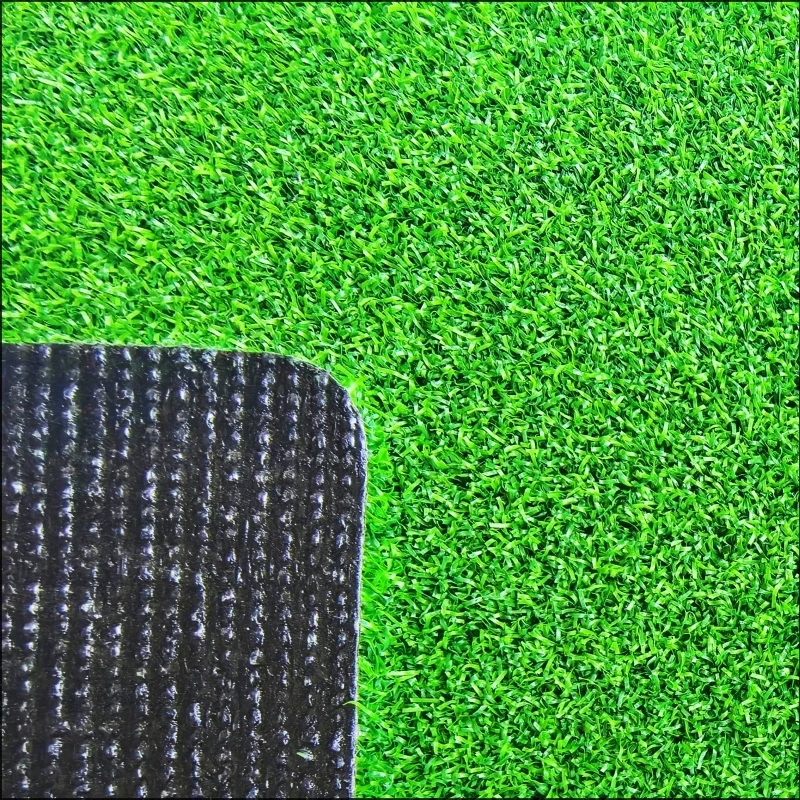
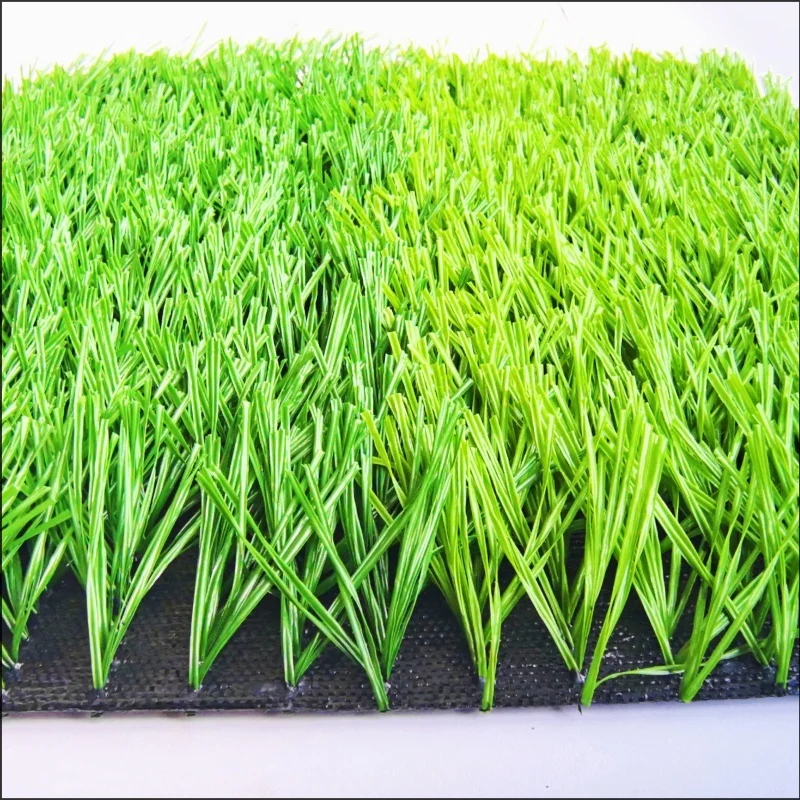
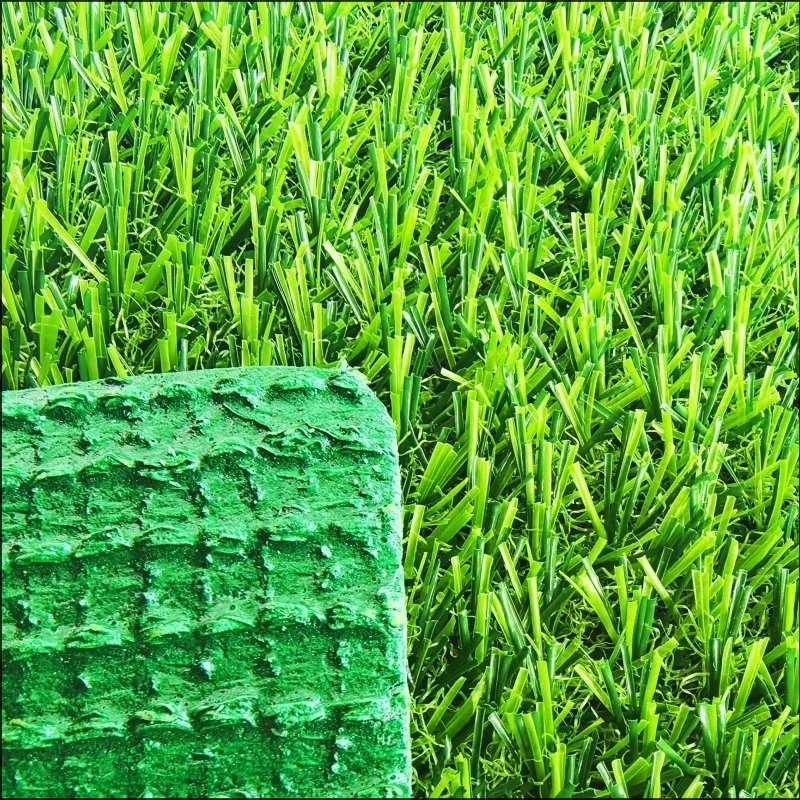
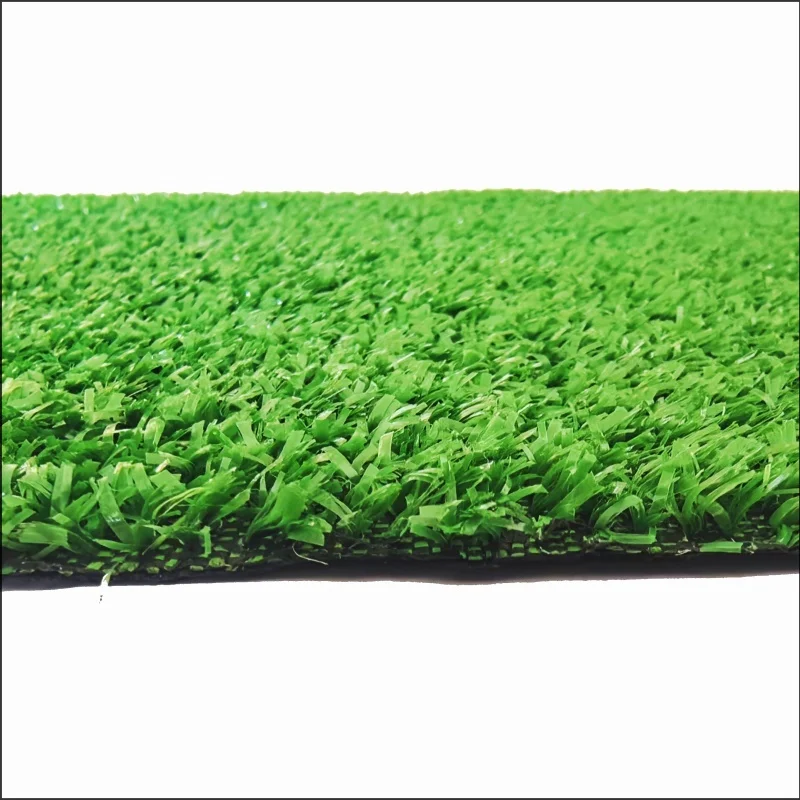
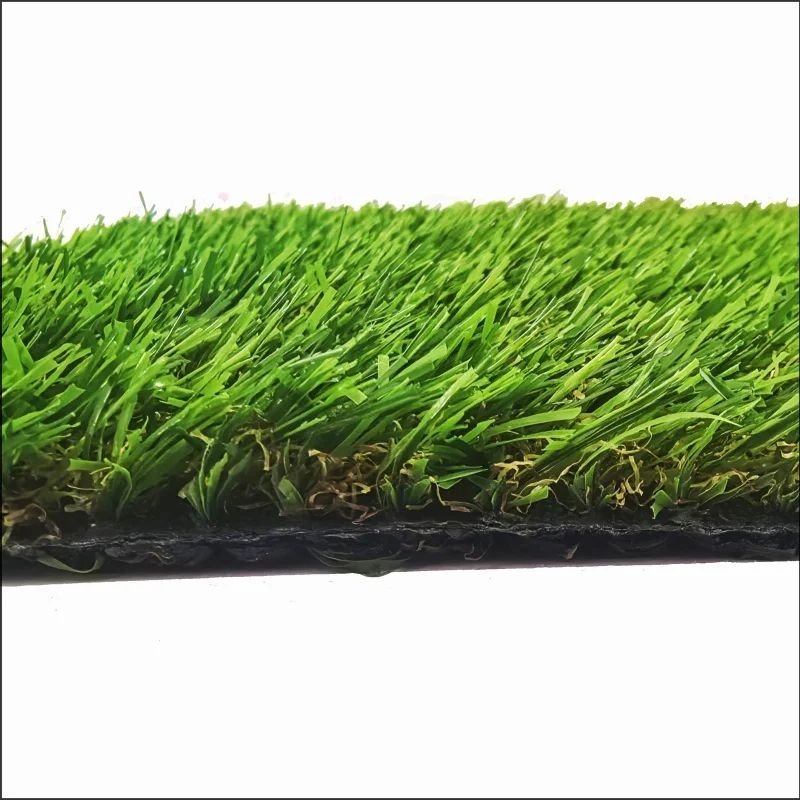
In Zambia, the demand for artificial football turf has surged due to the extreme seasonal variance between the heavy rainy season and the arid winter. Traditional natural grass pitches often become unusable mud pits or scorched brown fields, prompting a shift toward high-density polyethylene (PE) systems that ensure year-round playability.
The residential sector is witnessing a growth in artificial gardens, particularly in Lusaka and Kitwe. With increasing urban density and the desire for low-maintenance luxury, homeowners are opting for synthetic solutions that resist the intense tropical UV radiation while eliminating the need for constant irrigation during drought periods.
Furthermore, the burgeoning hospitality and leisure industry in Zambia is integrating professional-grade artificial golf green installations. These systems are designed to withstand high foot traffic and extreme temperatures, providing a consistent putting surface that is nearly impossible to maintain with natural bentgrass in the local climate.