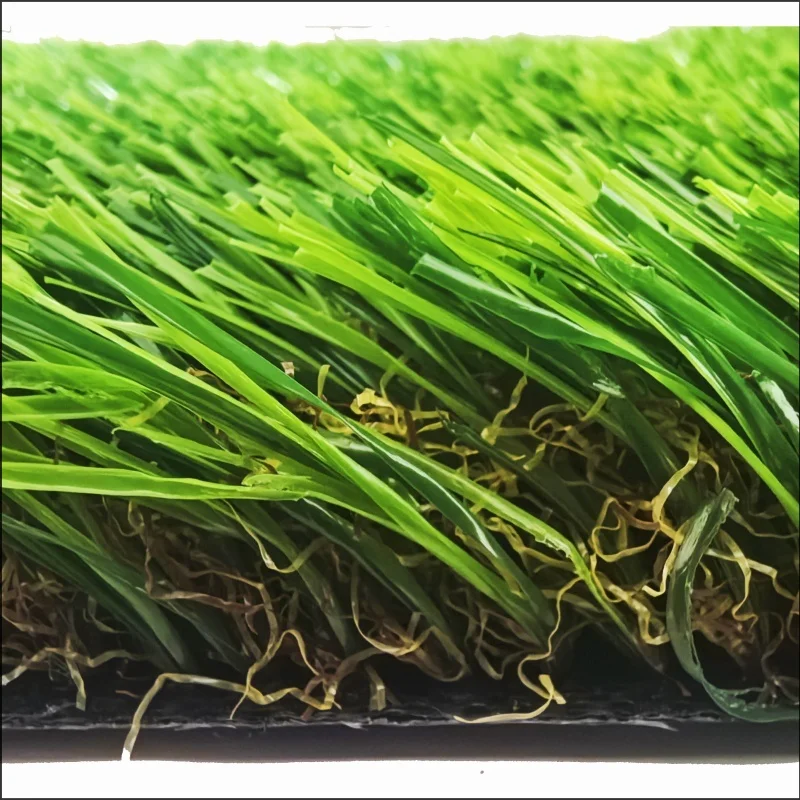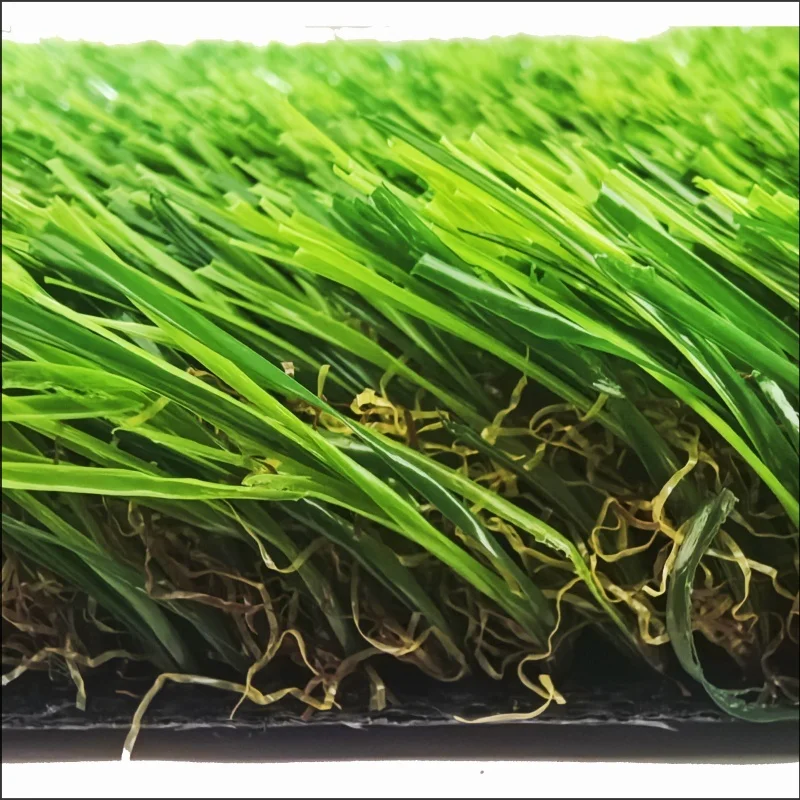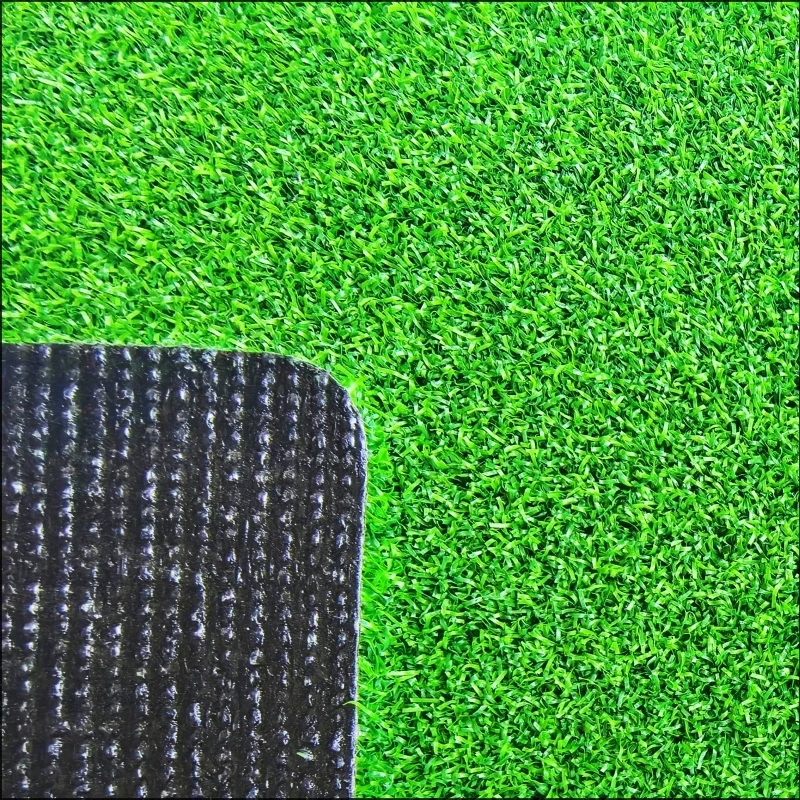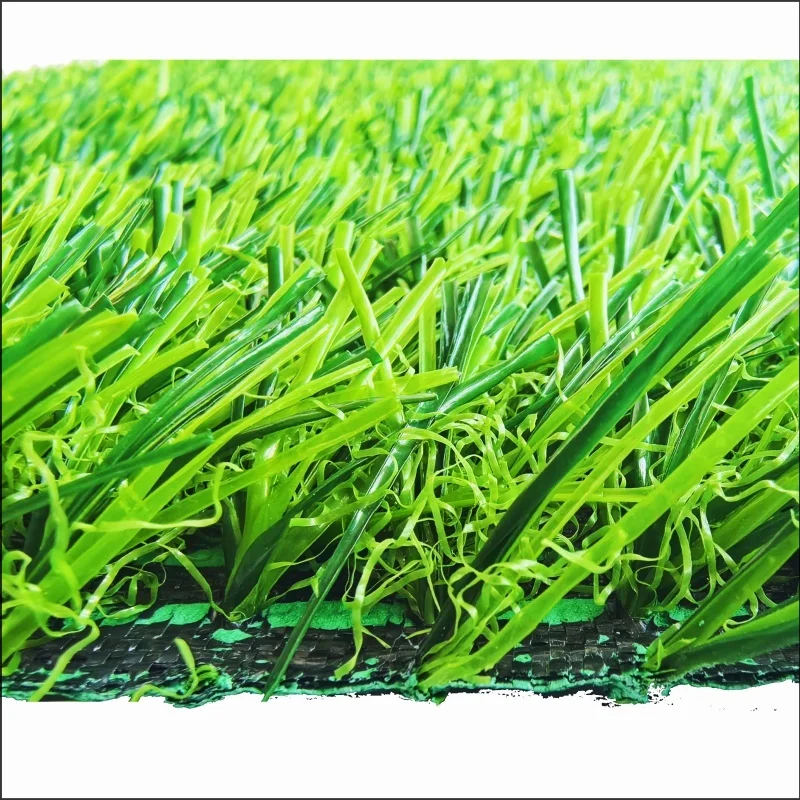
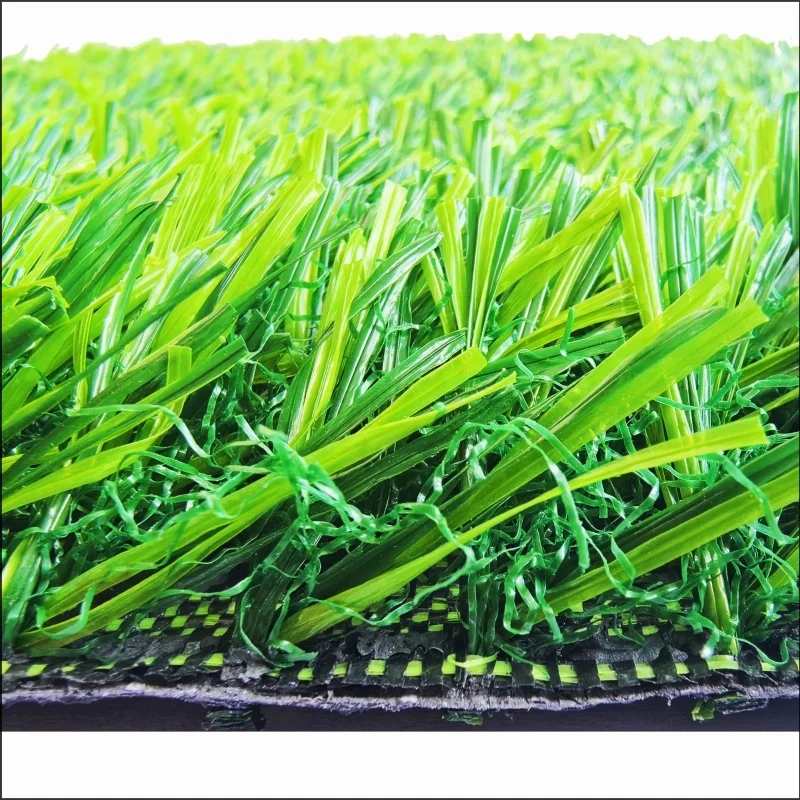
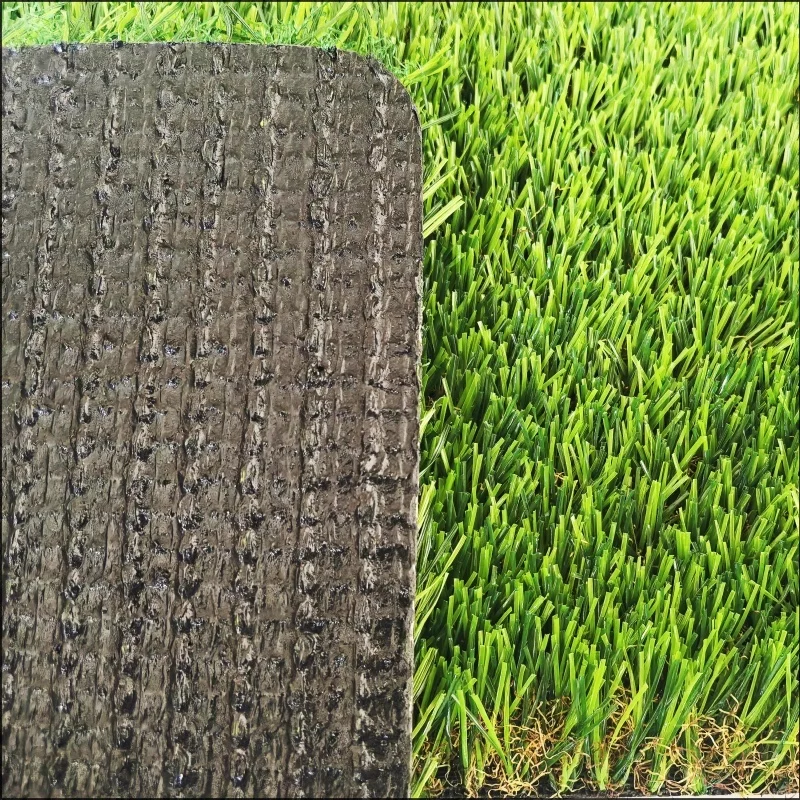
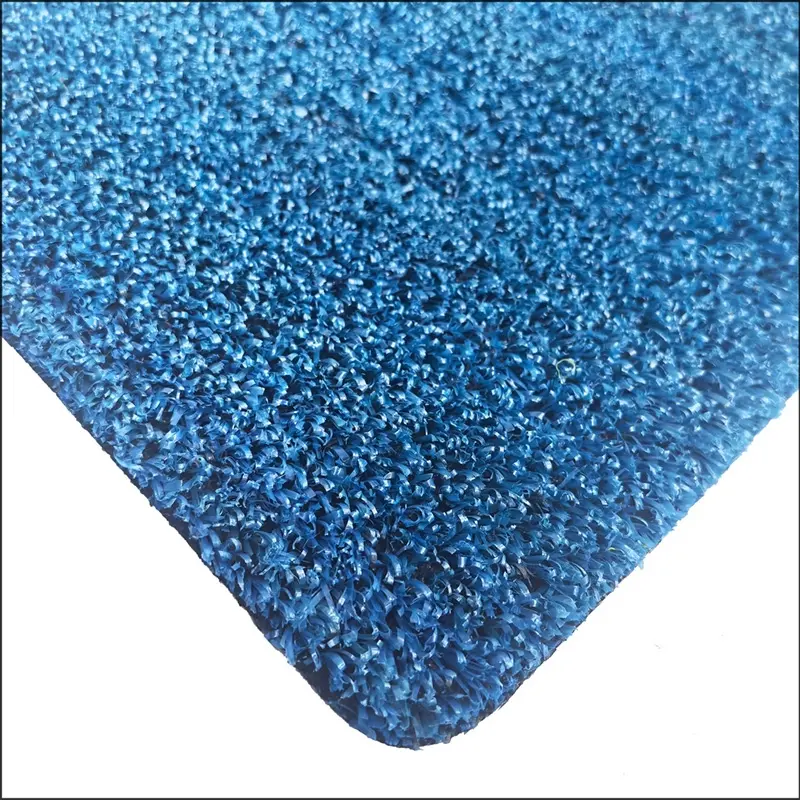
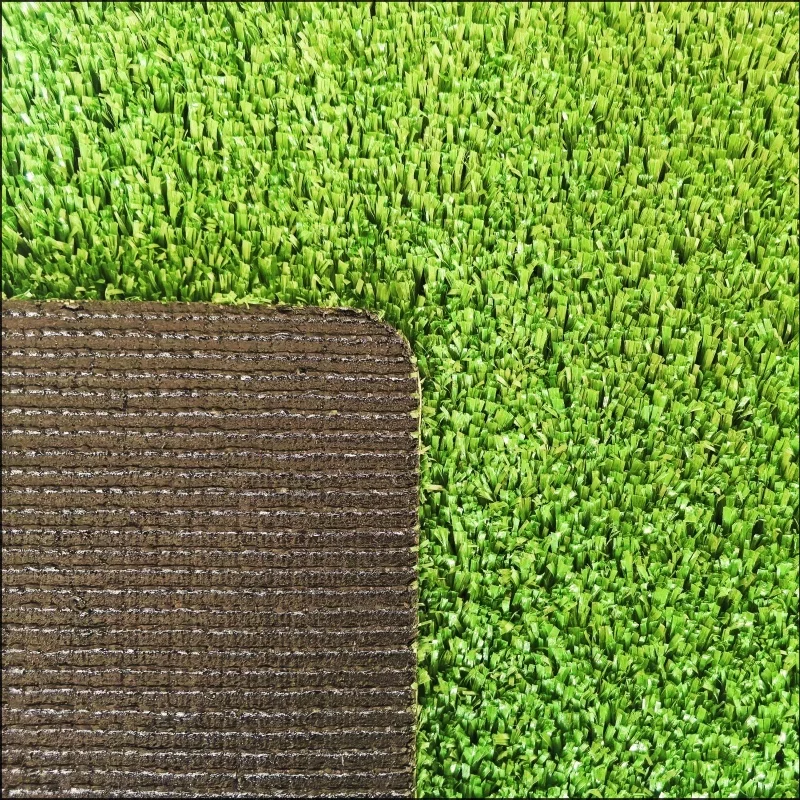
In the Central African Republic, the combination of heavy equatorial rainfall and intense solar radiation poses a significant challenge for natural grass maintenance. This has led to an increasing demand for artificial football turf, which provides a consistent playing surface regardless of the rainy season's impact on soil stability.
The local market is currently transitioning from basic plastic fibers to advanced polyethylene polymers. Urban development in Bangui is seeing a rise in commercial landscaping where artificial gardens are being utilized to reduce water consumption and eliminate the need for costly chemical fertilizers in sandy soils.
Despite economic volatility, there is a niche growth in luxury hospitality and sports clubs seeking artificial golf turf. The primary technical requirement in this region is superior UV resistance to prevent fiber degradation and "melting" under the harsh Central African sun.