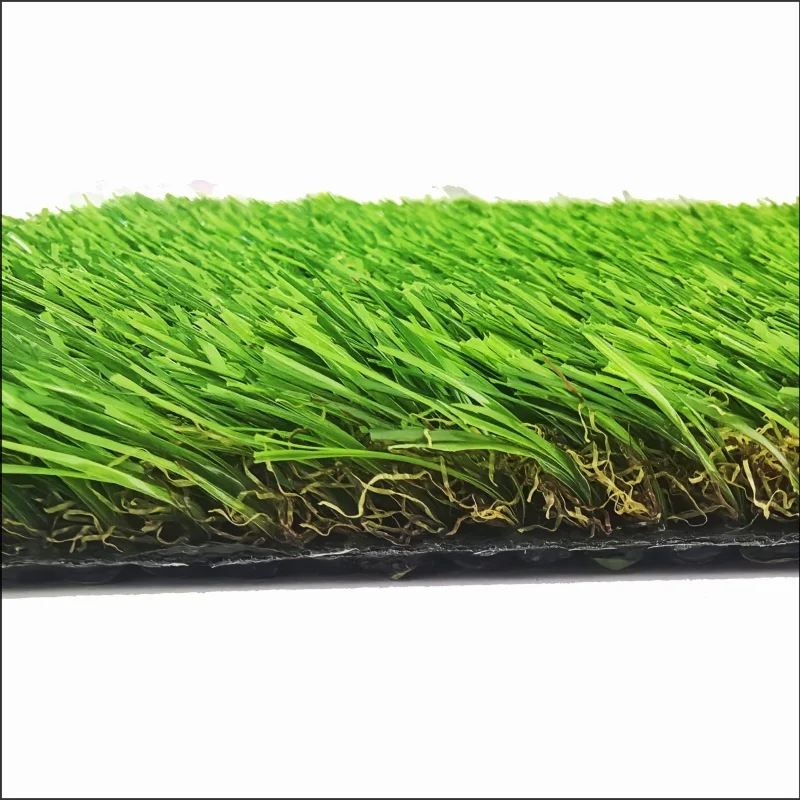
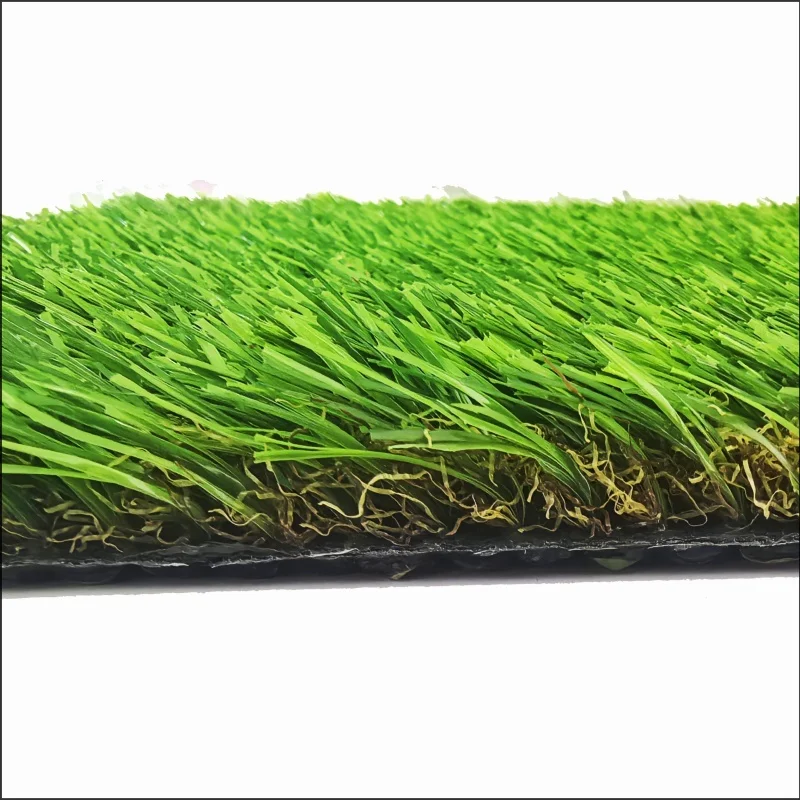
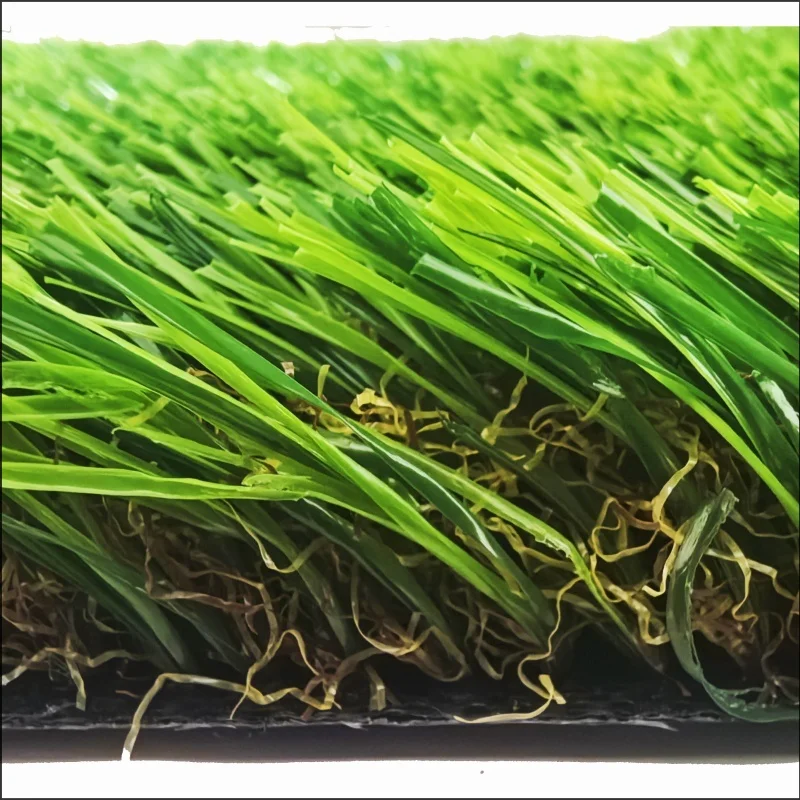
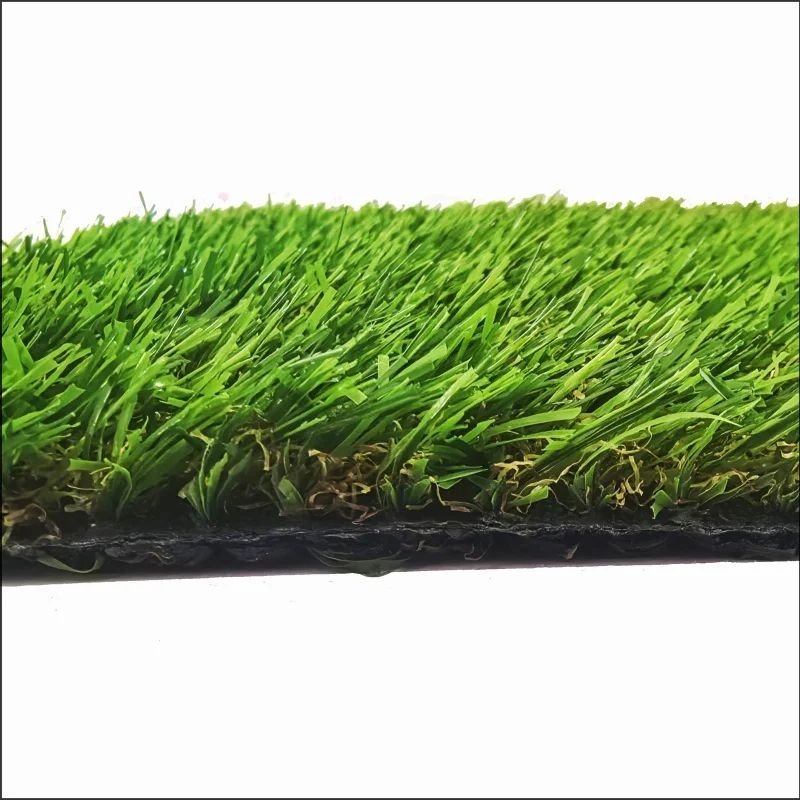
In Israel, the extreme scarcity of freshwater and high solar radiation levels have made traditional natural grass unsustainable for large-scale applications. This has led to a surge in the adoption of artificial gardens, which allow urban residents in cities like Tel Aviv and Jerusalem to maintain aesthetic landscapes without taxing the national water grid.
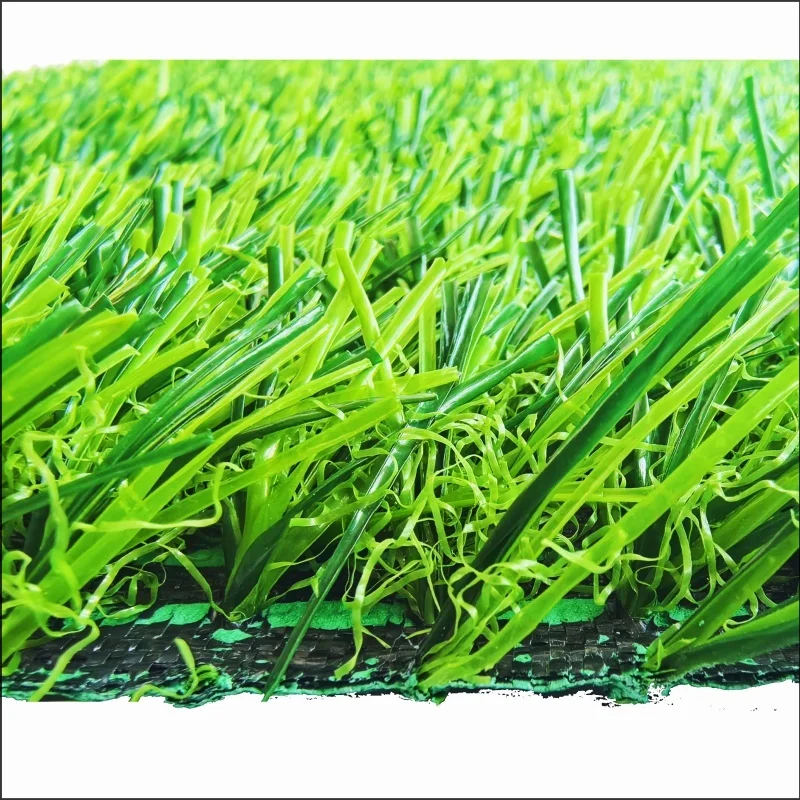
The sports sector has seen a parallel shift. High-traffic facilities are increasingly replacing natural soil with artificial football turf to ensure year-round availability. The primary challenge in the local market is "heat island" effect, requiring specialized infill materials that do not absorb excessive thermal energy during the summer months.
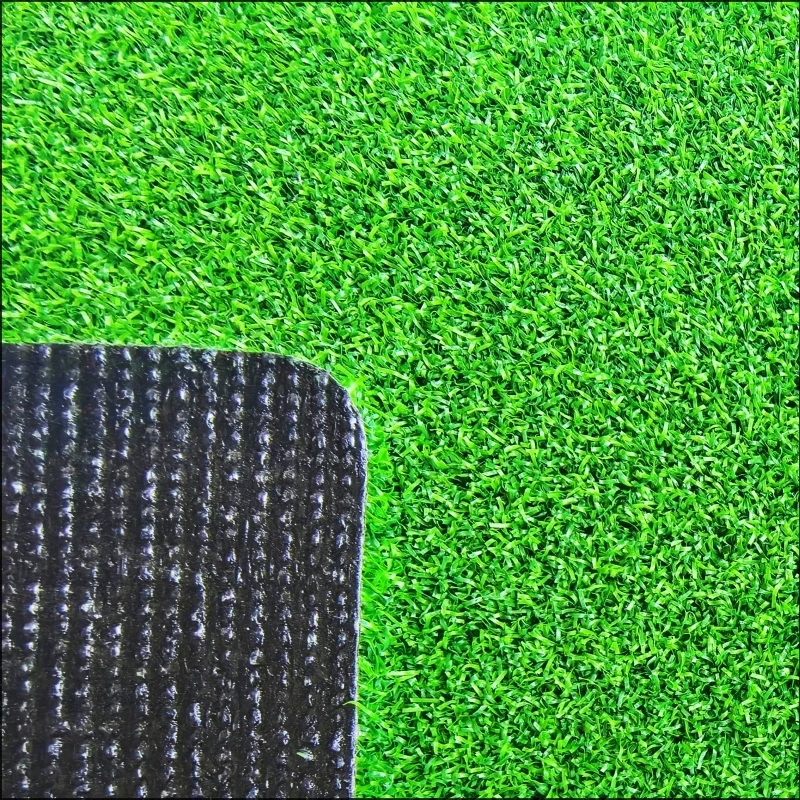
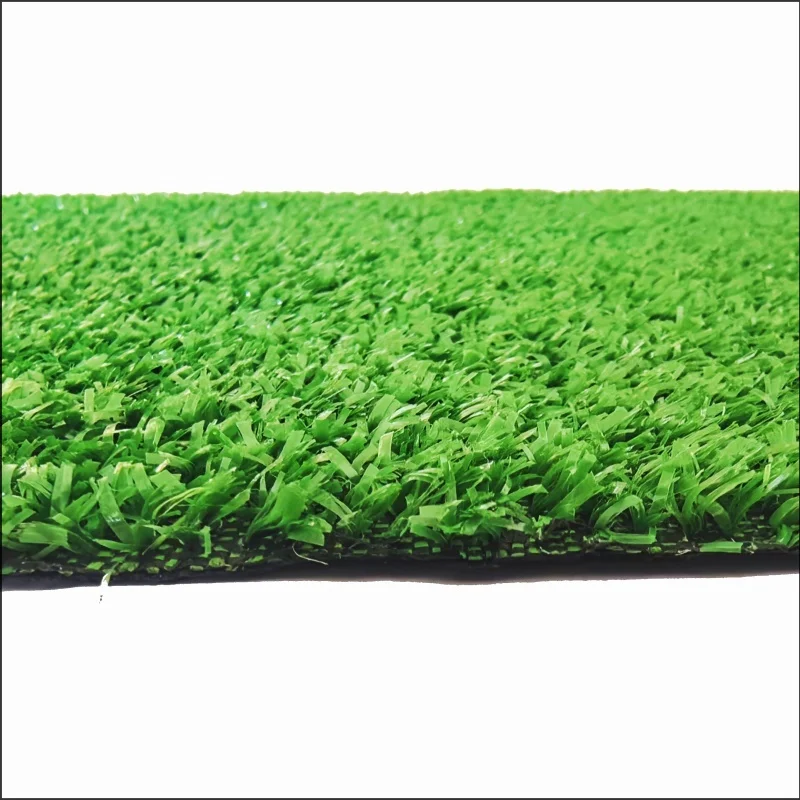
Furthermore, the luxury real estate and hospitality sectors are driving the demand for high-precision artificial golf turf. As golf grows in popularity among the affluent demographics in Israel, the focus has shifted from simple aesthetics to technical performance, specifically regarding ball roll and stimp speed consistency.