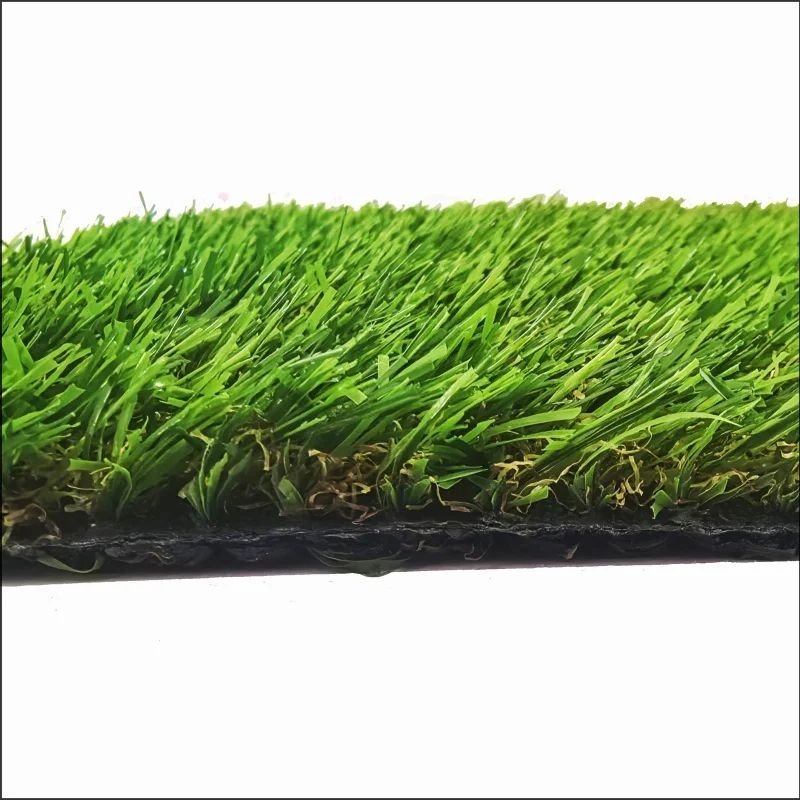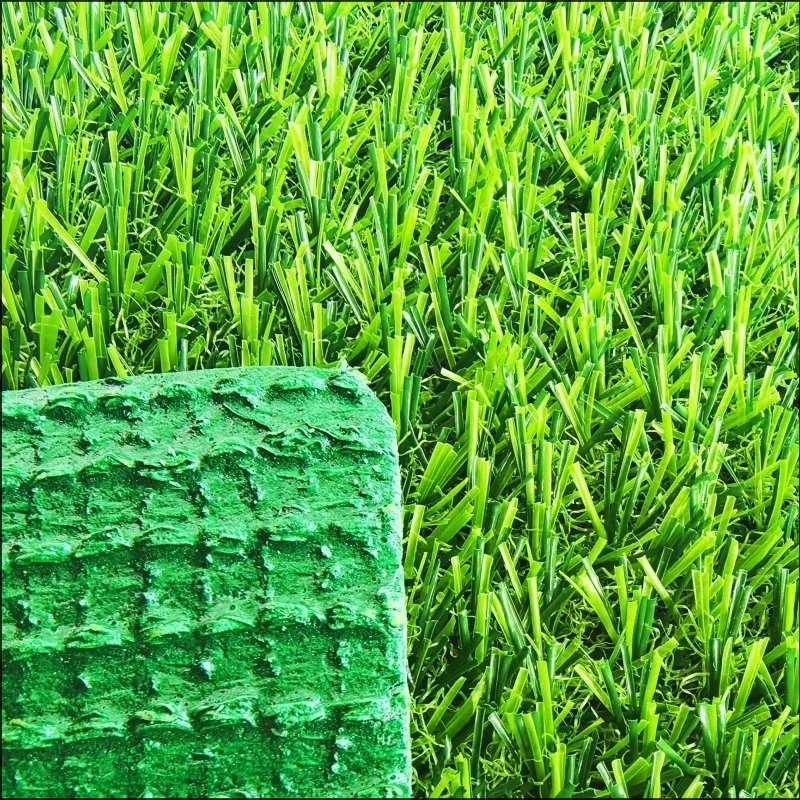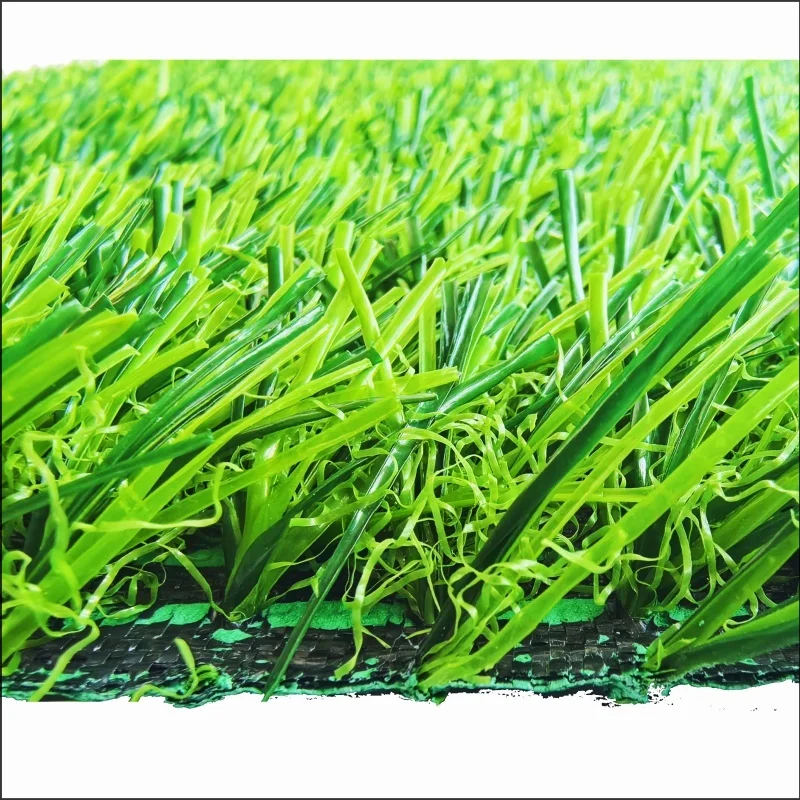
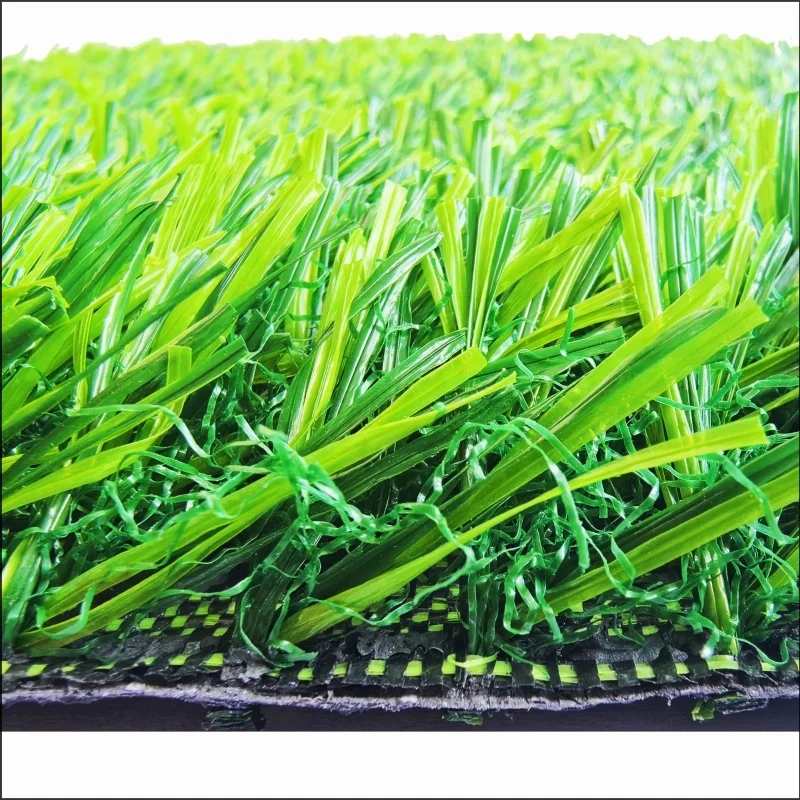
Belgium's temperate maritime climate, characterized by frequent rainfall and high humidity, places significant stress on natural grass. This has led to a surge in the adoption of artificial football turf to maintain consistent playability throughout the wet autumn and winter months in regions like Flanders and Wallonia.
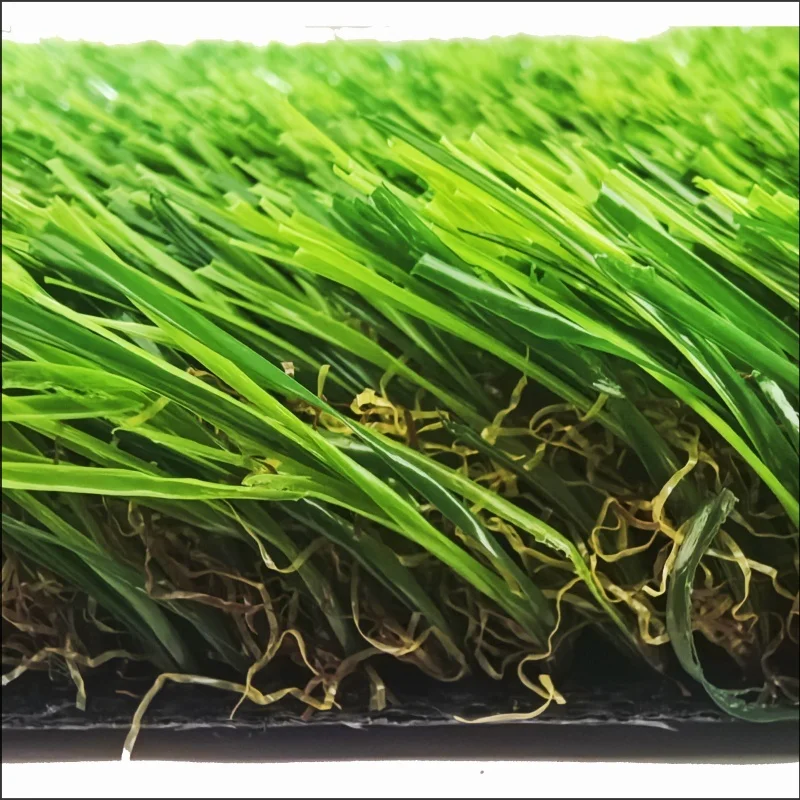
In urban centers such as Brussels and Antwerp, limited space and a desire for low-maintenance luxury have driven the popularity of artificial gardens. Belgian homeowners are increasingly seeking sustainable, drought-resistant alternatives that maintain a lush green appearance without the need for intensive chemical fertilizers.
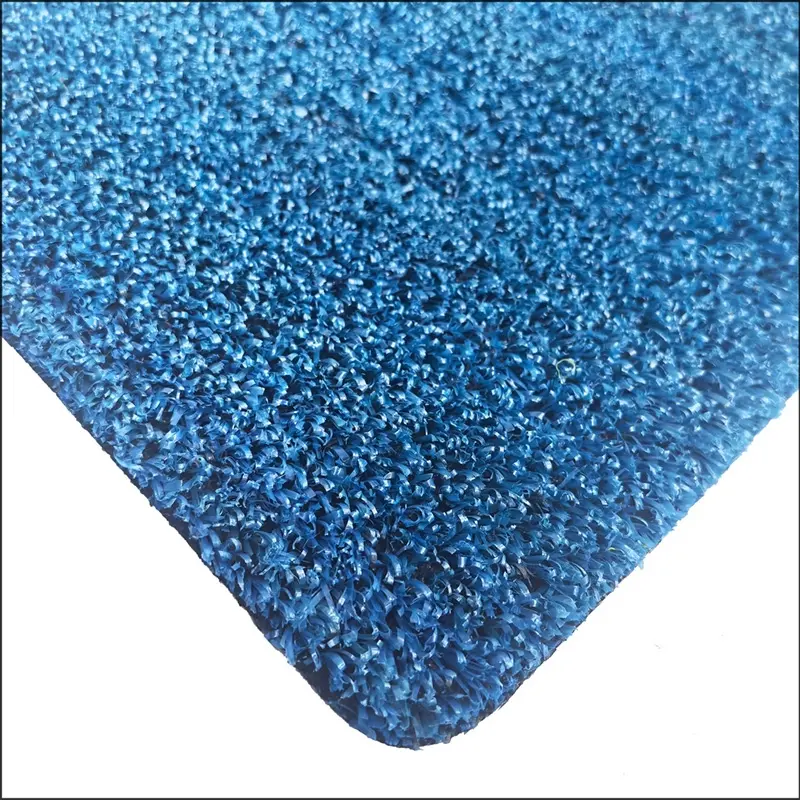
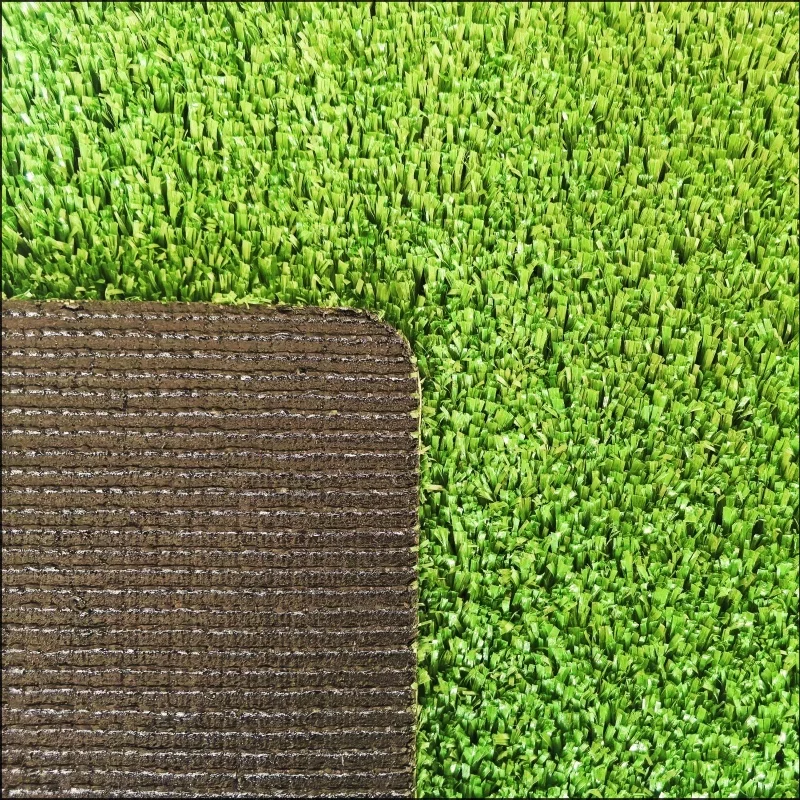
The professional sporting sector in Belgium is currently transitioning toward high-density polymer fibers. The demand for precision-engineered artificial golf turf is growing as luxury resorts and private clubs seek to eliminate the high costs of water management and mowing while ensuring a world-class putting experience.