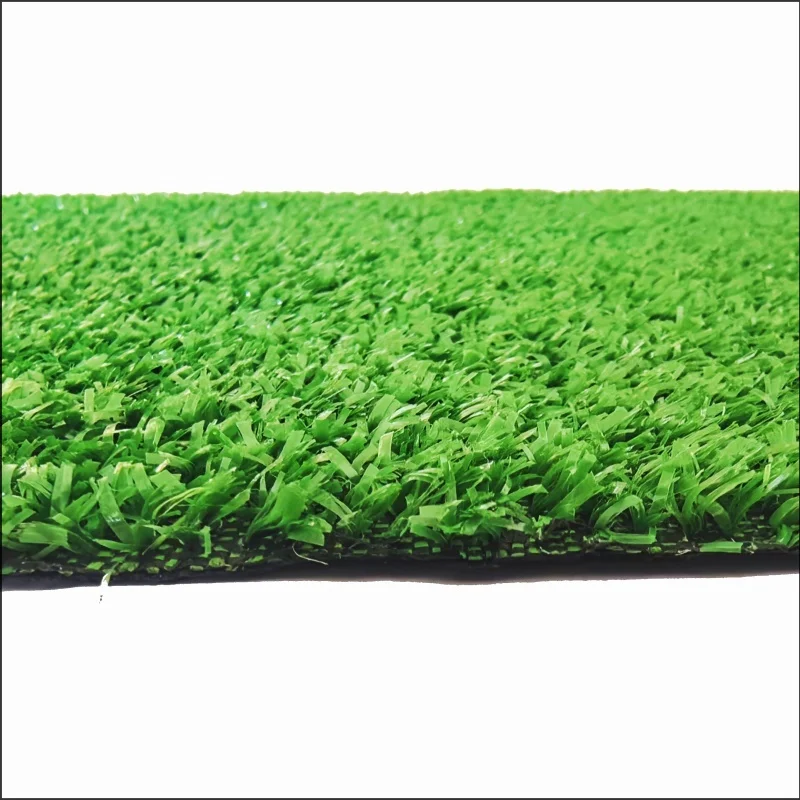
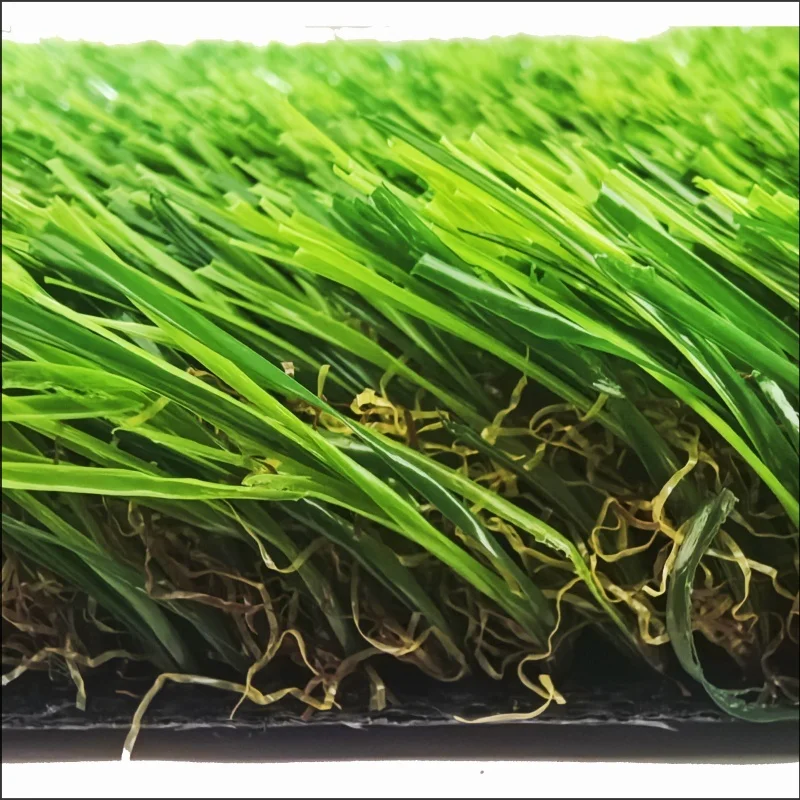
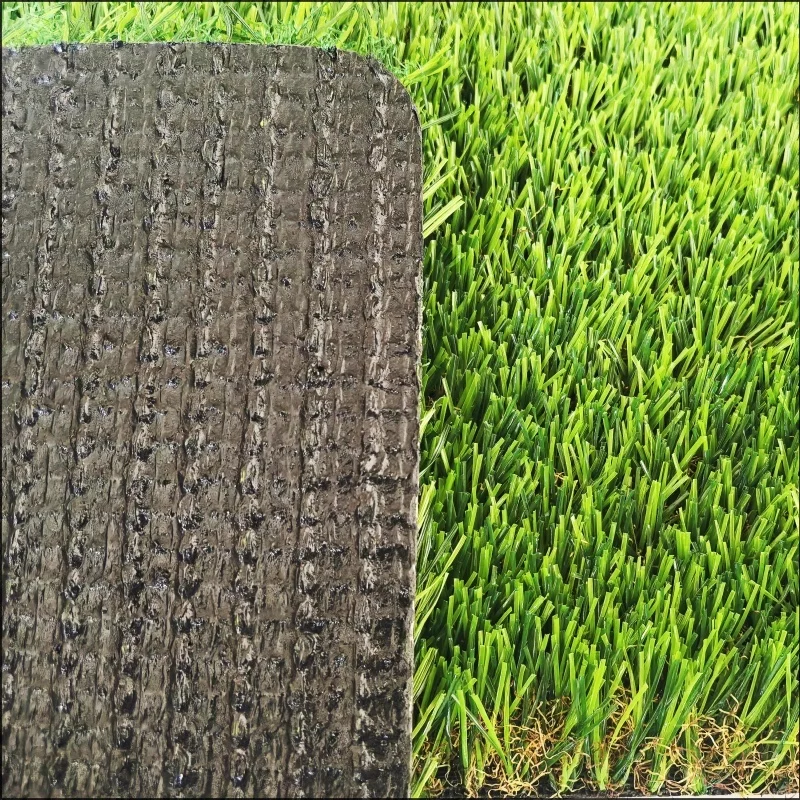
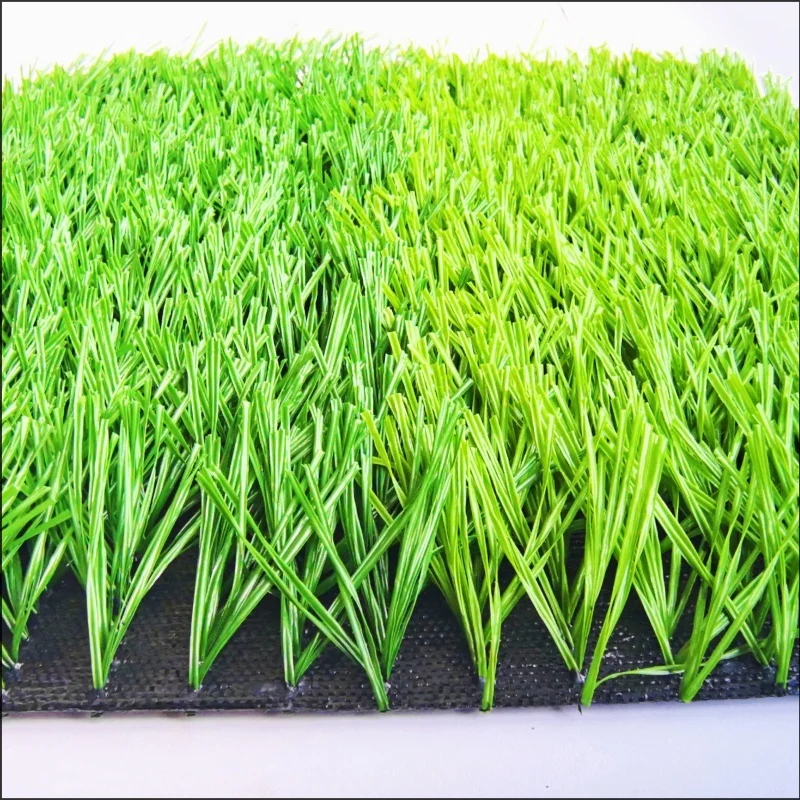
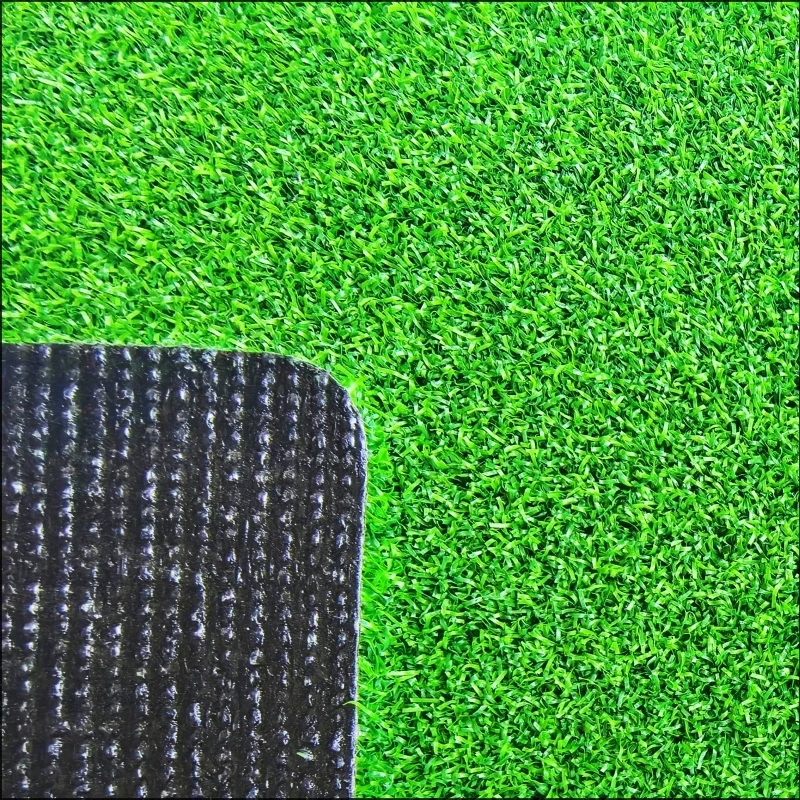
Premium artificial golf green Solutions for Germany

Premium artificial golf green Solutions for Germany

High-performance synthetic turf engineering designed to withstand the Central European climate, providing unmatched durability and aesthetic excellence.

Premium artificial golf green Solutions for Germany

Integrating advanced polymer science with sports engineering to deliver professional-grade synthetic surfaces across Germany, from urban gardens to elite athletic complexes.

The Landscape of Synthetic Turf in Germany

Analyzing the demand for low-maintenance, high-durability green spaces in the German market.

Germany's commitment to environmental sustainability and precise engineering has shifted the demand toward high-quality artificial gardens. With fluctuating seasonal temperatures and significant rainfall in regions like Bavaria and North Rhine-Westphalia, the market requires turf that offers superior drainage and UV resistance to prevent degradation during harsh winters and hot summers.

The proliferation of urban living in cities like Berlin and Munich has led to a surge in the adoption of artificial football turf for community sports clubs. These facilities prioritize high-density fibers and shock-absorption layers to reduce athlete injury while maintaining a consistent playing surface year-round, regardless of the muddy conditions typical of autumn.

Furthermore, the luxury leisure sector has seen a rise in private artificial golf turf installations. German homeowners and commercial resorts are increasingly investing in precision-engineered surfaces that mimic the rolling greens of professional courses, emphasizing a "natural feel" combined with zero-water maintenance.
Evolution of Synthetic Grass Technology

From basic plastic mats to biomimetic sports surfaces.

Market Development History

In the late 1990s and early 2000s, the German market relied on first-generation nylon fibers which were abrasive and lacked drainage. These early iterations were primarily used for basic industrial flooring rather than aesthetic or athletic purposes.

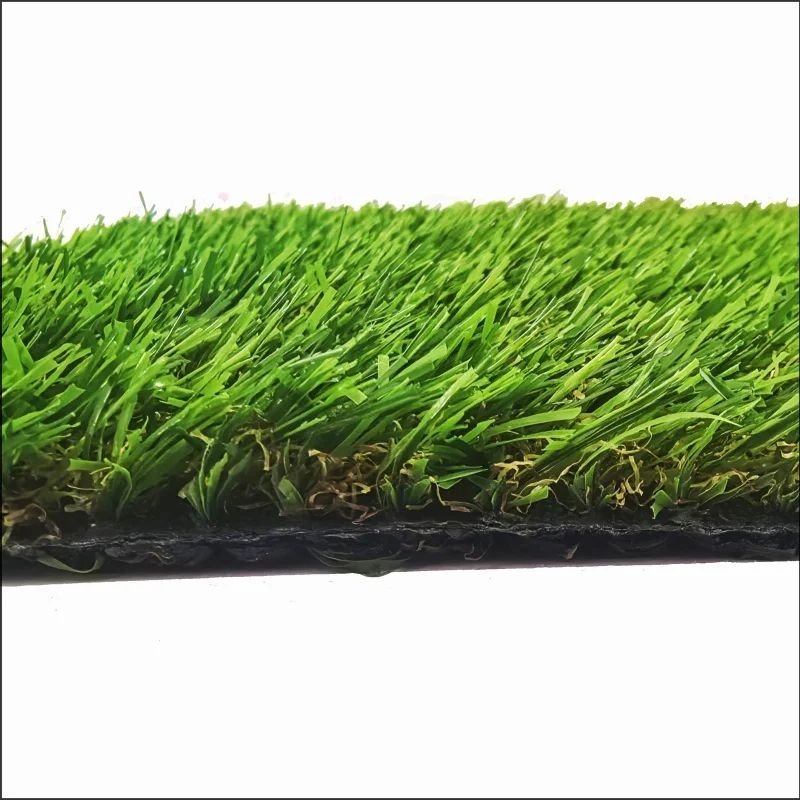
By 2010, the transition to Polyethylene (PE) and Polypropylene (PP) occurred, introducing the concept of "soft-touch" grass. This era saw the rise of artificial golf green turf, which utilized varied pile heights to simulate the difference between fairways and putting greens.

From 2018 to the present, the focus has shifted toward "Eco-Turf" and sustainable manufacturing. Modern production now incorporates recycled materials and non-toxic binders, meeting the strict EU REACH regulations and German environmental standards for soil protection.

Future Development Trends

Bio-Based Polymer Integration

Moving toward polymers derived from renewable sources to reduce the carbon footprint of synthetic turf manufacturing.

Smart-Drainage Systems

Integration of permeable backing technologies that can handle extreme rainfall events, common in the changing European climate.

Hyper-Realistic Fiber Geometry

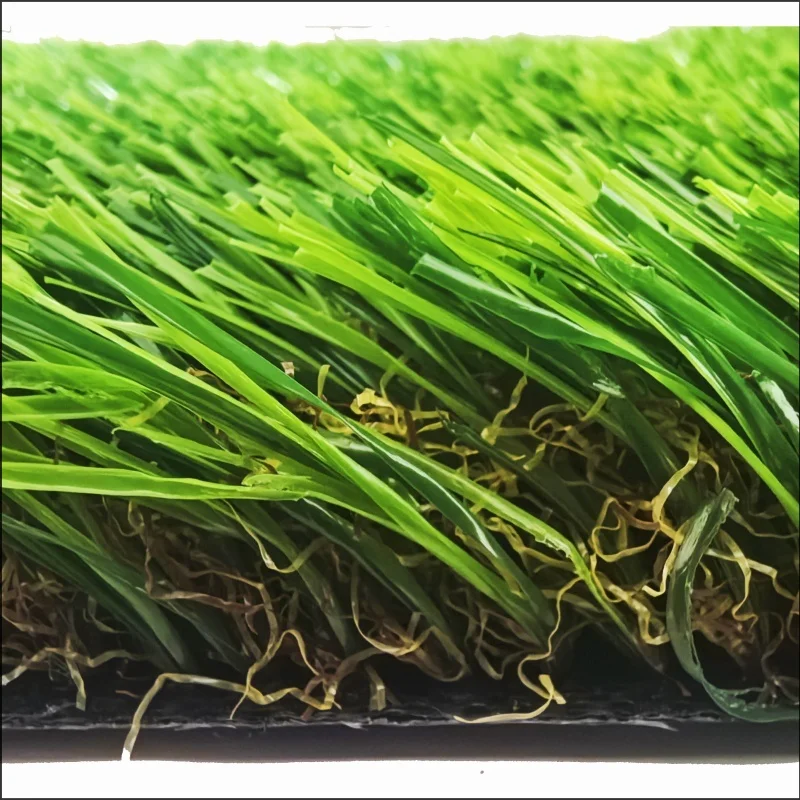
The use of C-shape and W-shape fibers to improve resilience and "bounce back" capability, reducing the need for frequent brushing.

Future Trends and Strategic Outlook

Anticipating the next wave of innovation in the European synthetic grass sector.

Circular Economy Adoption
Implementing fully recyclable backing materials to align with Germany's strict waste management laws.
Cooling Fiber Technology
Developing heat-reflective yarns to combat "heat island" effects in urban German residential areas.
Precision Performance
Enhancing the ball-roll speed and consistency for professional-grade artificial golf green.
Automated Installation
Utilizing laser-leveling technology for perfect drainage slopes in large-scale projects.

Industry Outlook

Google search trends indicate a rising interest in "low-maintenance landscaping" and "sustainable synthetic turf" within Germany. This suggests a market transition where consumers are no longer looking for just a plastic substitute, but a high-performance engineering solution that integrates with the natural environment.

We predict that within the next 3-5 years, the integration of antimicrobial coatings and smart-sensing fibers (to monitor ground temperature) will become standard for premium installations in the EU market.

Localized Applications in Germany

Tailored synthetic grass solutions for diverse German architectural and sporting needs.

01. Municipal Football Hubs

Implementing high-durability artificial football turf in city centers like Hamburg, allowing 24/7 usage without the soil compaction issues typical of natural grass.

02. Luxury Residential Courtyards

Designing low-pile artificial gardens for modern villas in the Black Forest region, providing lush greenery during the dormant winter months.

03. Boutique Hotel Putting Greens

Installing precision-calibrated artificial golf green turf for luxury hotels in the Alps, offering guests a year-round practice area.

04. Corporate Rooftop Terraces

Creating green oasis spaces for Frankfurt's financial district offices using lightweight synthetic turf to reduce structural load while improving employee well-being.

05. Private Golf Training Studios

Providing specialized artificial golf turf for indoor simulation centers in Berlin, focusing on high-impact resistance for driving ranges.

Brand Story

Global Development Journey of Hebei Xiongyi Rubber and Plastic Products Co., Ltd.

Industrial Foundation

Founded on the principles of polymer excellence, we began by solving the core problem of fiber shedding in early synthetic grass.

Technical Breakthrough

Developed a proprietary UV-stabilization process that extended the lifespan of turf in extreme European weather conditions.

Global Expansion

Successfully penetrated the German market by adhering to the highest DIN standards for sports surface safety and quality.

Sustainability Pivot

Invested in recycled PE production lines to reduce environmental impact, meeting the demand for eco-friendly infrastructure.

Future Vision

Striving to be the global leader in biomimetic turf, blending industrial efficiency with natural aesthetics.

Complete Turf Portfolio for Germany

From professional athletic fields to bespoke residential landscapes.

Frequently Asked Questions - Germany Market

Expert answers to common technical and installation queries.

How does artificial football turf perform in German winters?

Our turf is engineered with frost-resistant polymers that prevent cracking during freeze-thaw cycles, ensuring the surface remains flexible and safe for athletes.

What is the best artificial golf green turf for high-traffic areas?

For high-traffic areas, we recommend high-density PE fibers with a reinforced backing to maintain the putting surface's contour and prevent matting.

Are artificial gardens eco-friendly and non-toxic?

Yes, our products are lead-free and compliant with EU REACH regulations, ensuring they are safe for children and pets in residential environments.

How do I maintain an artificial golf green in a rainy climate?

Maintenance is minimal; regular brushing and ensuring the drainage layers are clear of debris are sufficient to keep the green in top condition.

Can artificial golf turf be installed over existing concrete?

Absolutely. We provide specialized shock-pads that can be installed over concrete to provide the necessary cushioning and drainage.

What is the typical lifespan of sports turf in Europe?

Depending on usage and maintenance, our premium turf typically lasts between 8 to 12 years before requiring fiber replacement.

Ready to Transform Your Space?

Contact our expert engineering team today for a customized synthetic turf consultation in Germany.

Contact Us Now

If you are interested in our products, you can choose to leave your information here, and we will be in touch with you shortly.