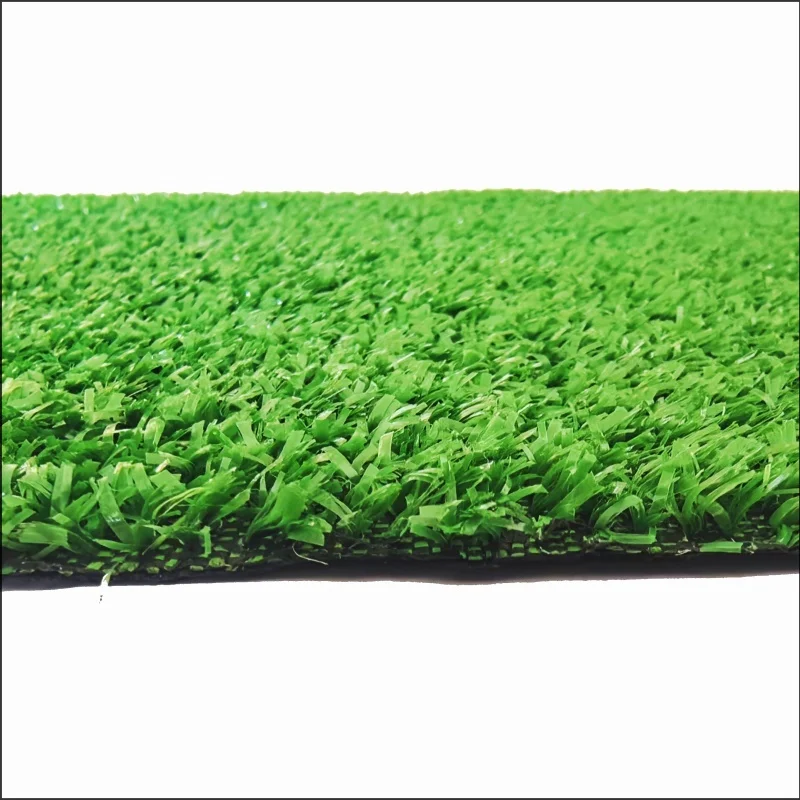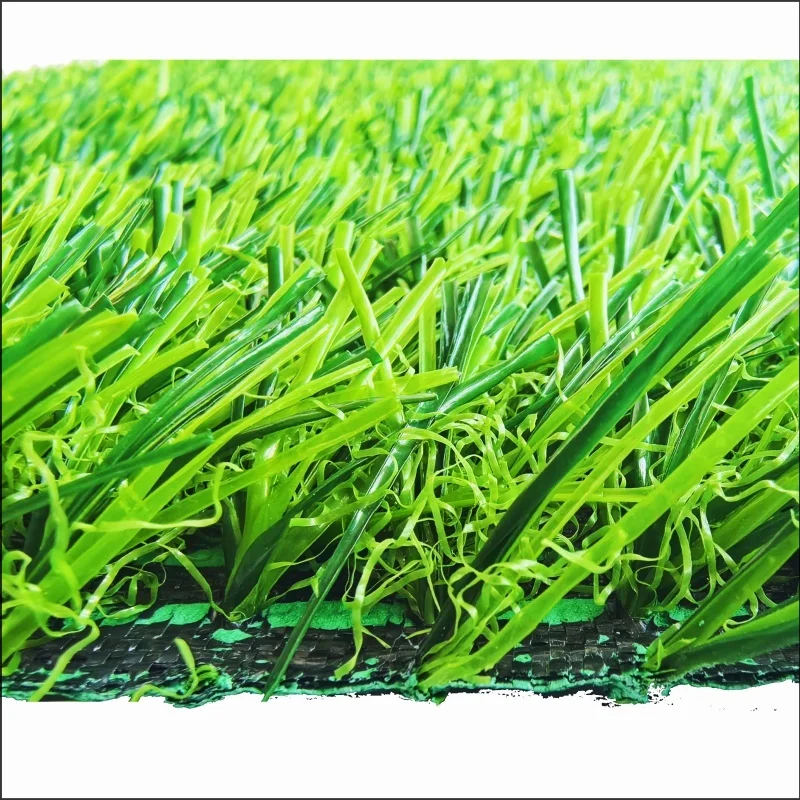
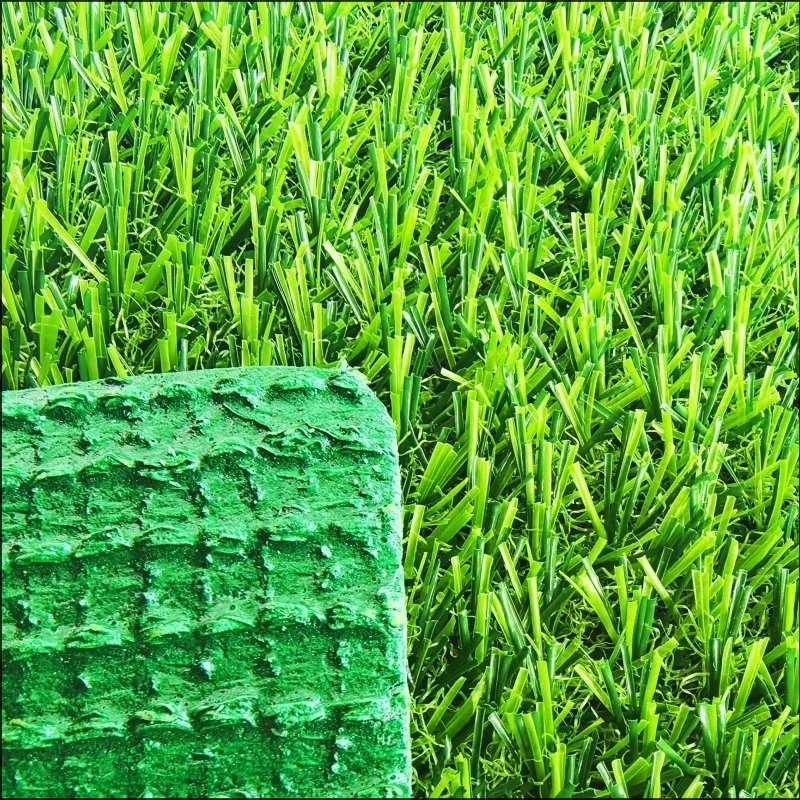
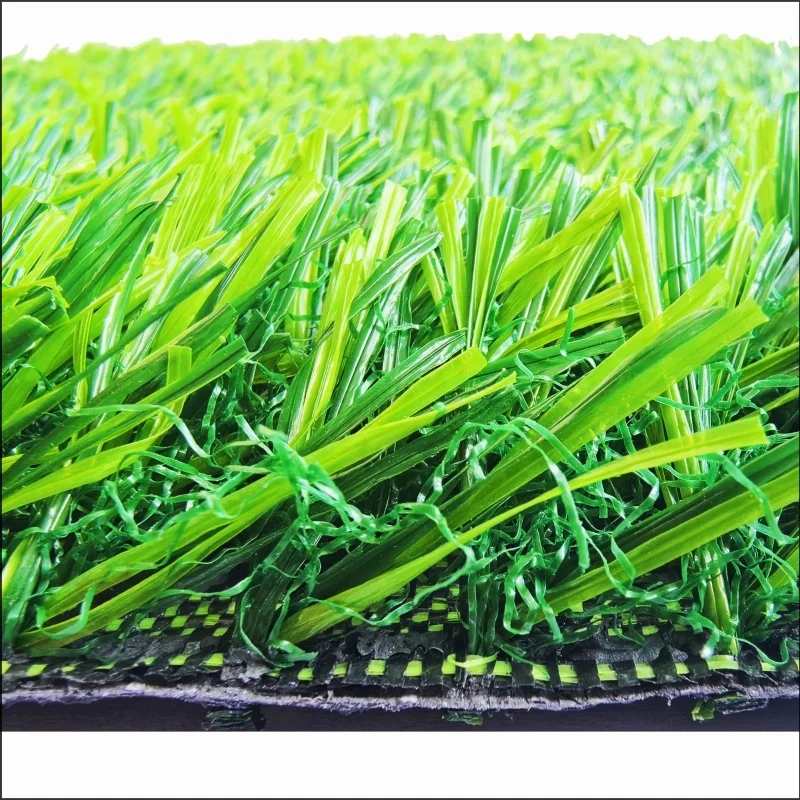
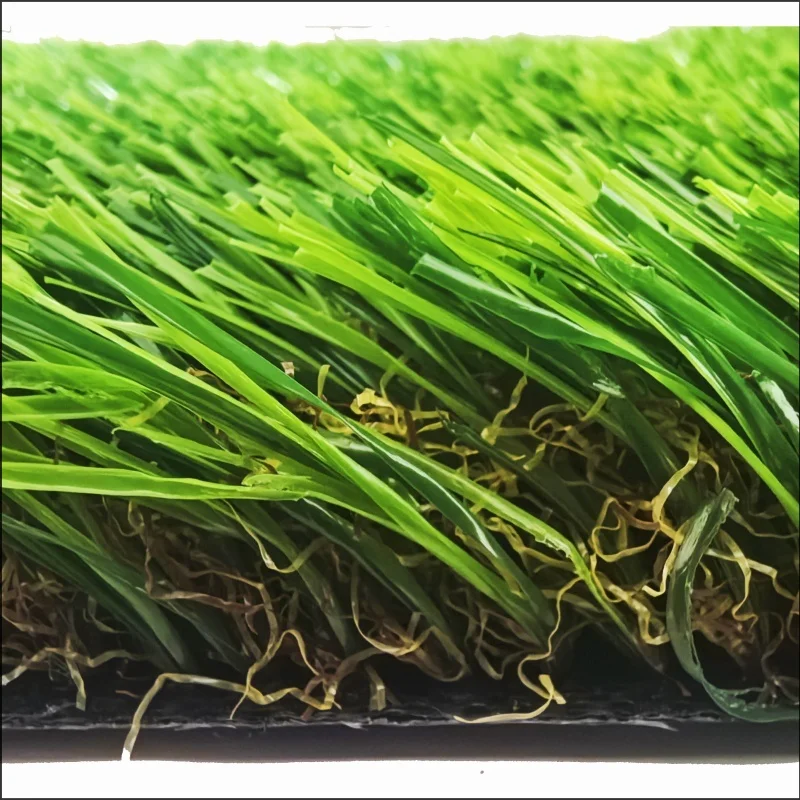
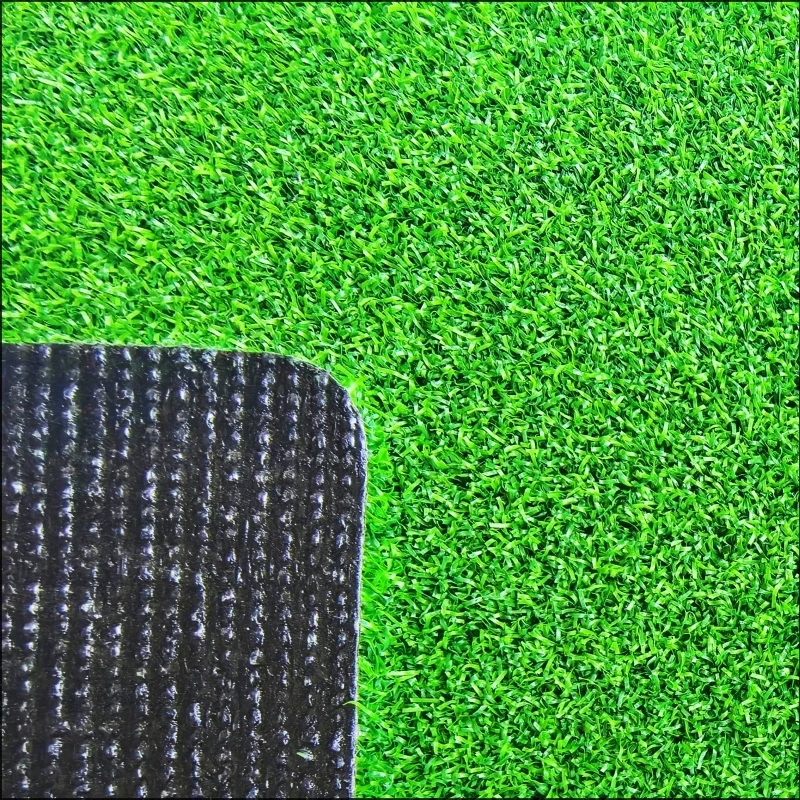
Hungary's diverse climate, characterized by hot summers and freezing winters, places extreme stress on outdoor surfaces. This has led to a surge in demand for artificial football turf that can maintain elasticity and color stability despite significant temperature fluctuations and UV exposure.
In urban centers like Budapest, the trend toward sustainable urbanism has accelerated the adoption of artificial gardens. Homeowners are increasingly seeking low-maintenance alternatives to natural grass to combat seasonal droughts without sacrificing the aesthetic appeal of their living spaces.
Furthermore, the growing prestige of leisure sports in the region has created a specialized niche for high-precision artificial golf green turf, requiring advanced drainage systems to handle the heavy autumn rainfall typical of the Pannonian Basin.