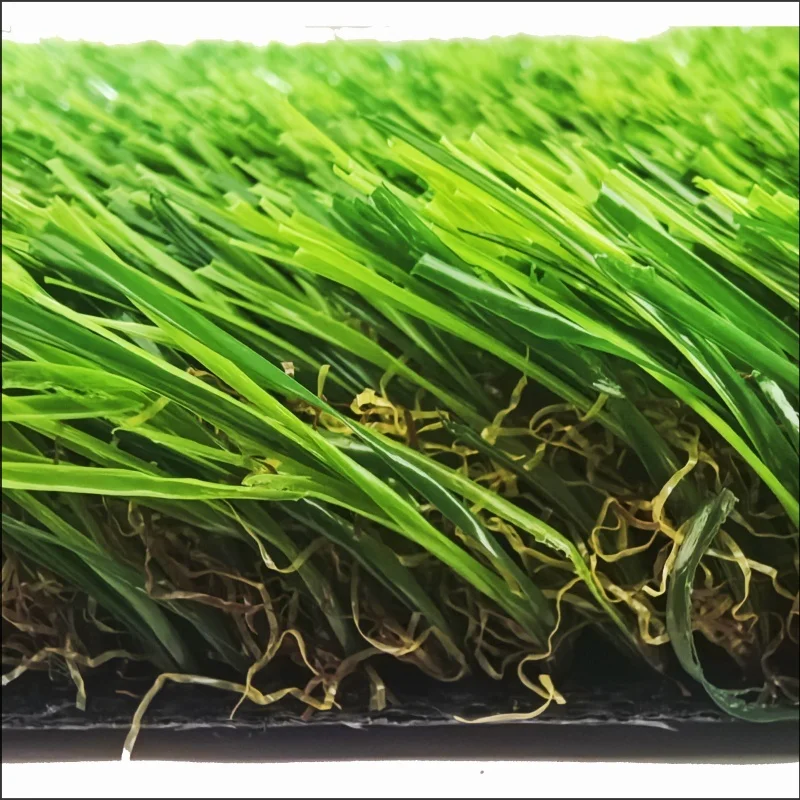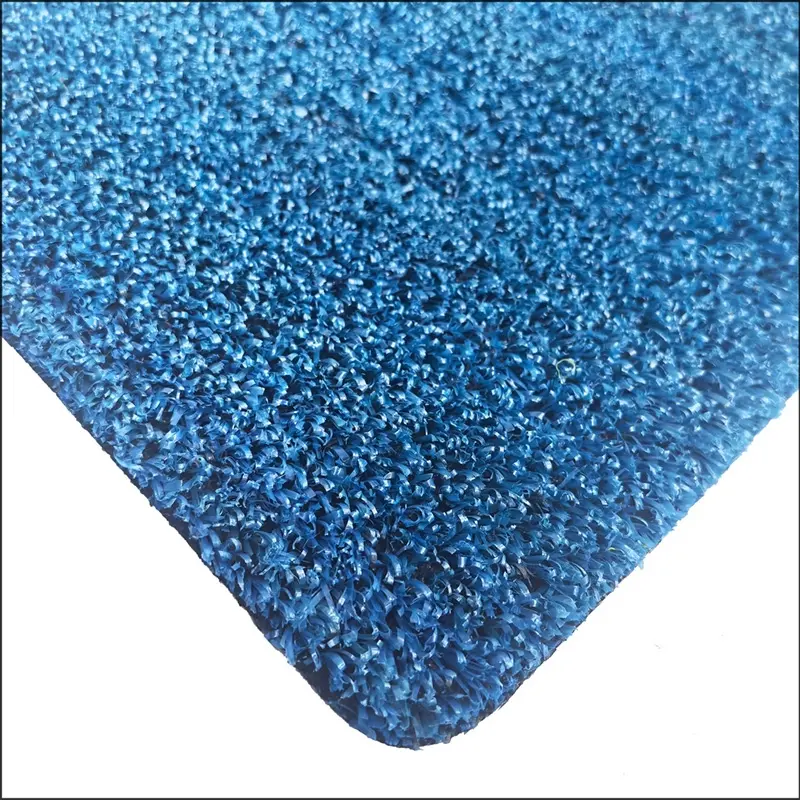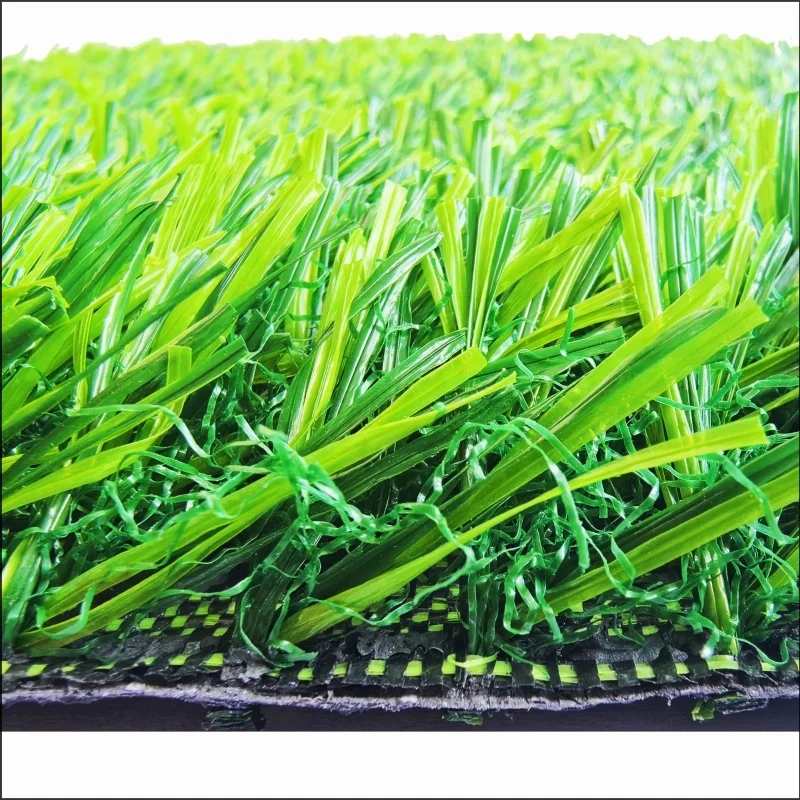
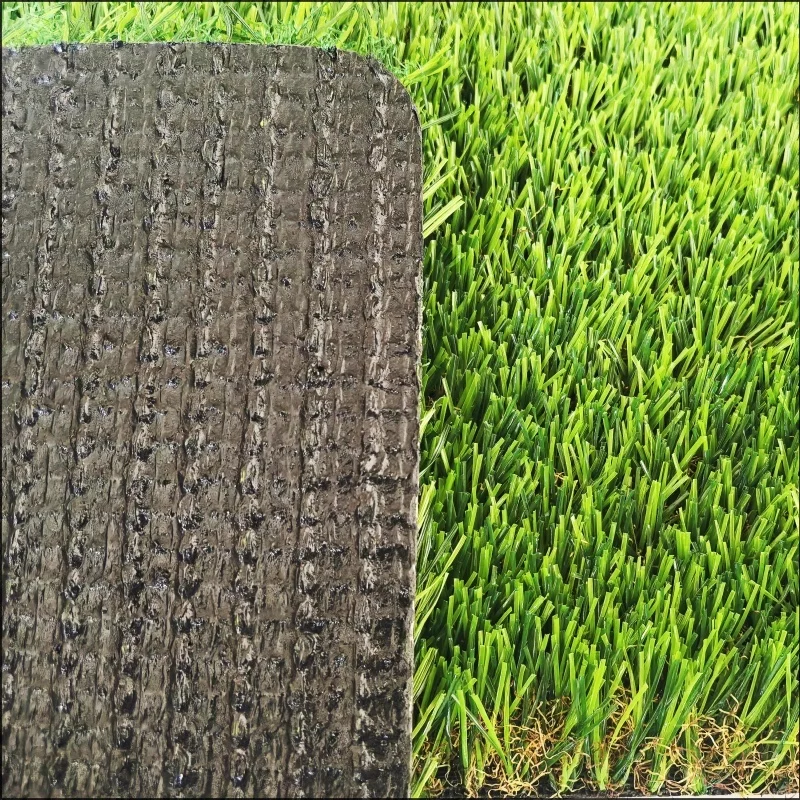
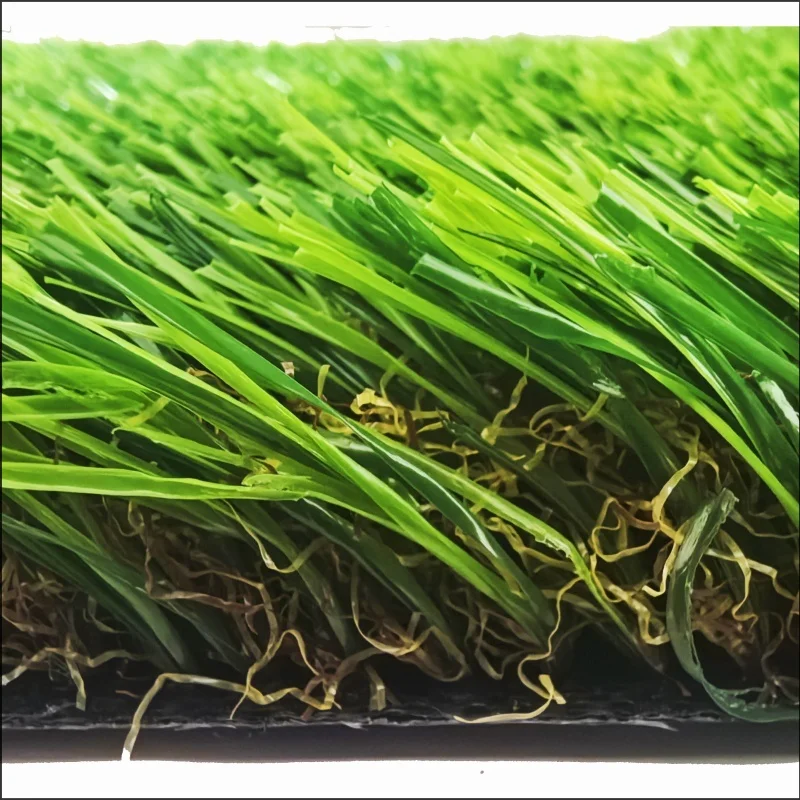
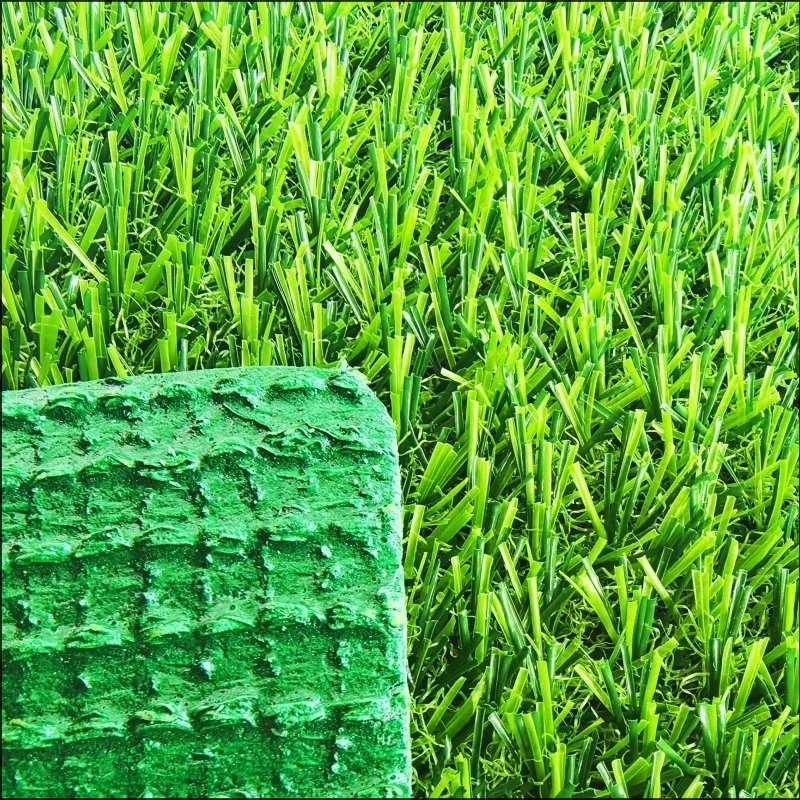
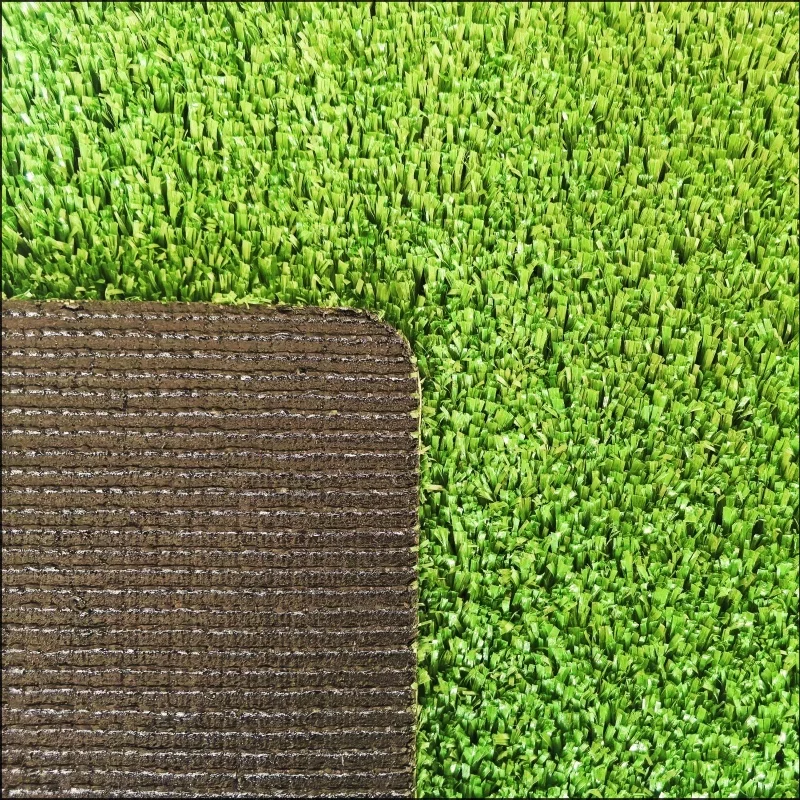
In Japan, the scarcity of available land in metropolitan areas like Tokyo and Osaka has led to a surge in the adoption of artificial gardens. The local market demands an extreme level of precision in fiber density and color matching to replicate natural Japanese moss and grass, reflecting the cultural emphasis on "Zen" minimalism and meticulous maintenance.
Climate conditions, characterized by heavy monsoon rains and high humidity, pose significant challenges for drainage. Consequently, the Japanese market has shifted toward advanced permeable backing systems in artificial football turf to prevent waterlogging and ensure that athletic facilities remain operational year-round despite the intense rainy seasons.
Furthermore, the rise of urban "golf hubs" has increased the demand for professional-grade artificial golf green turf. These installations must balance the softness of the surface with the necessary friction for precise ball roll, meeting the stringent quality standards of Japanese sporting enthusiasts.