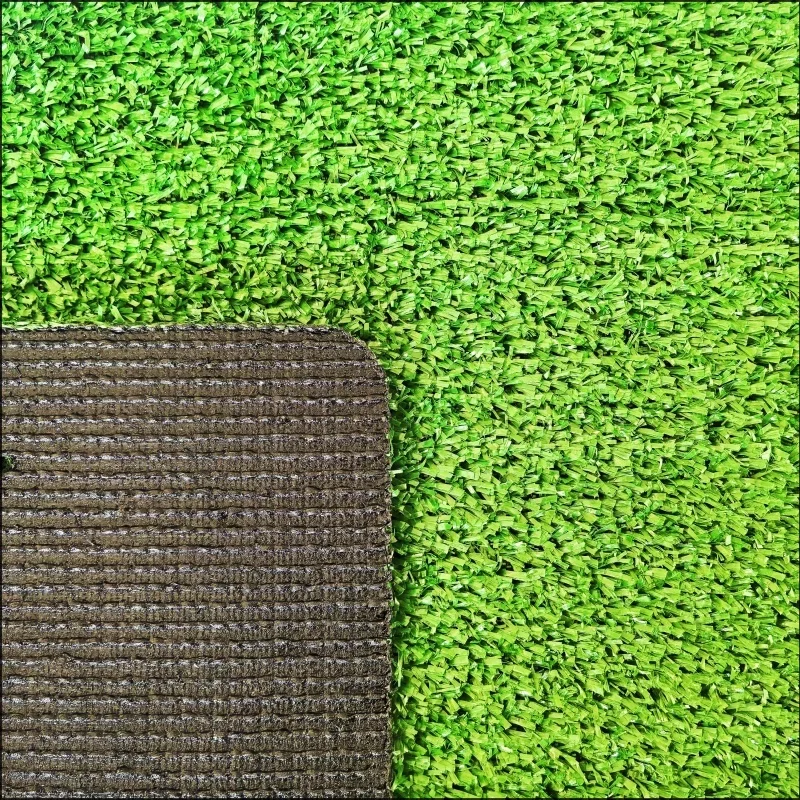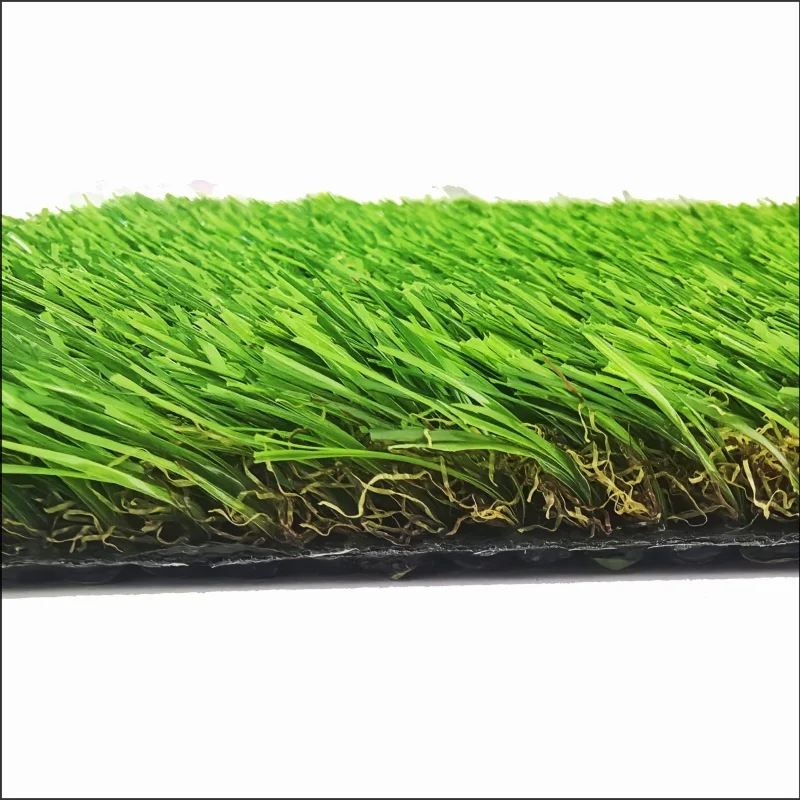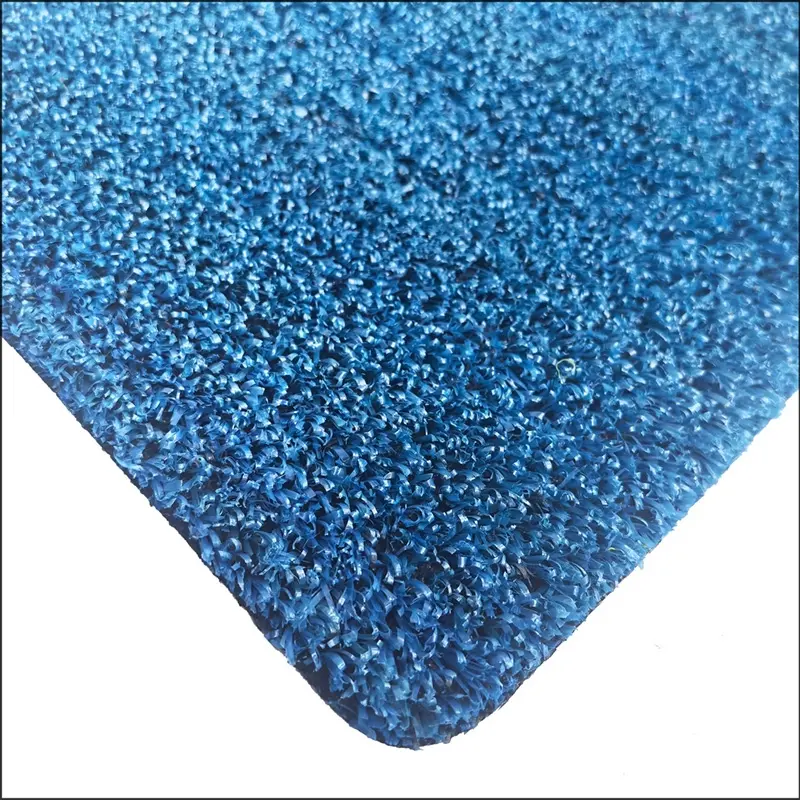
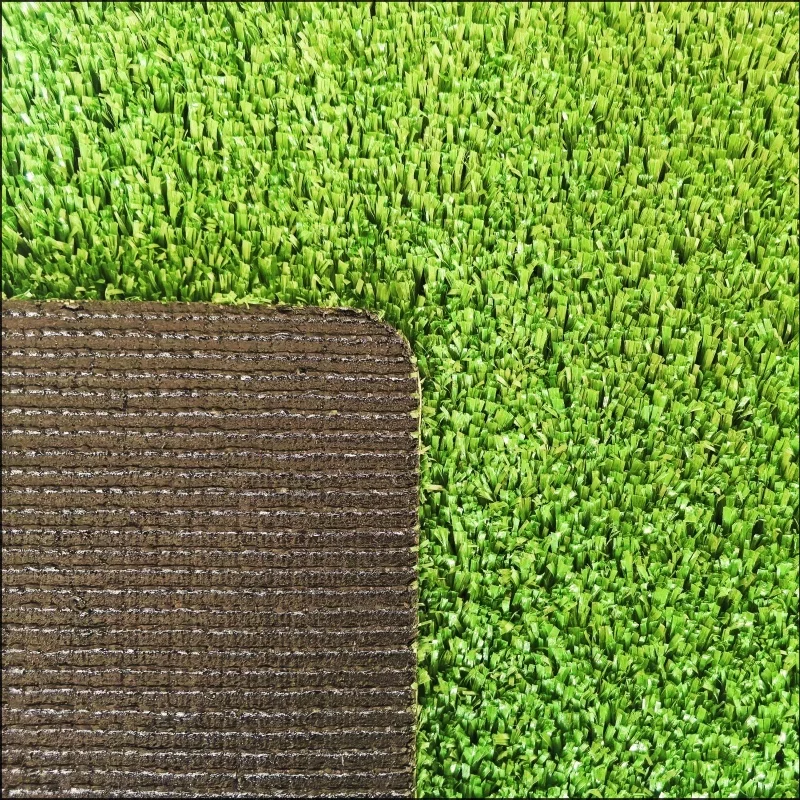
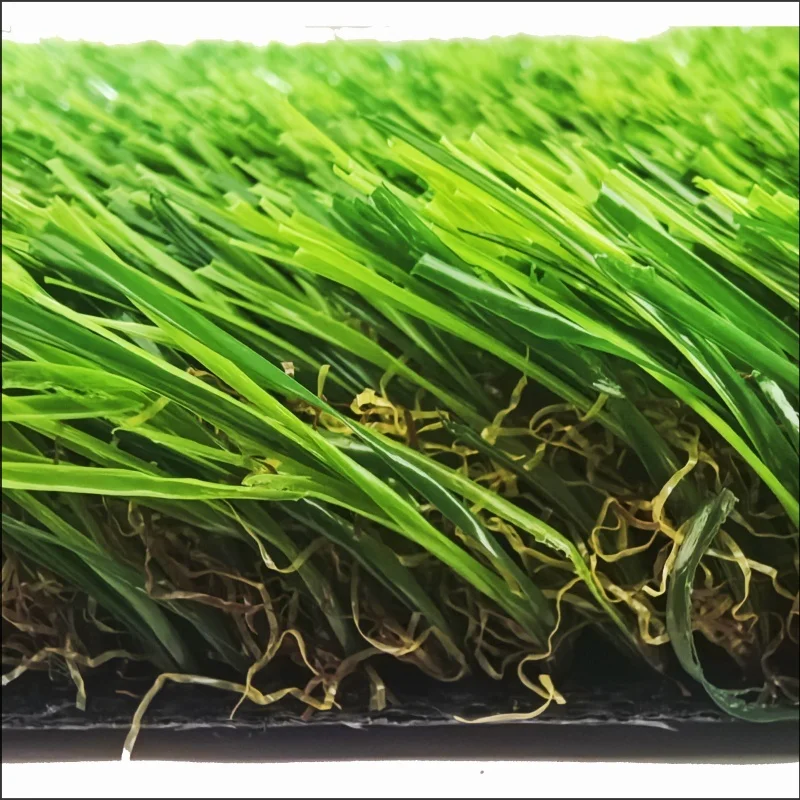
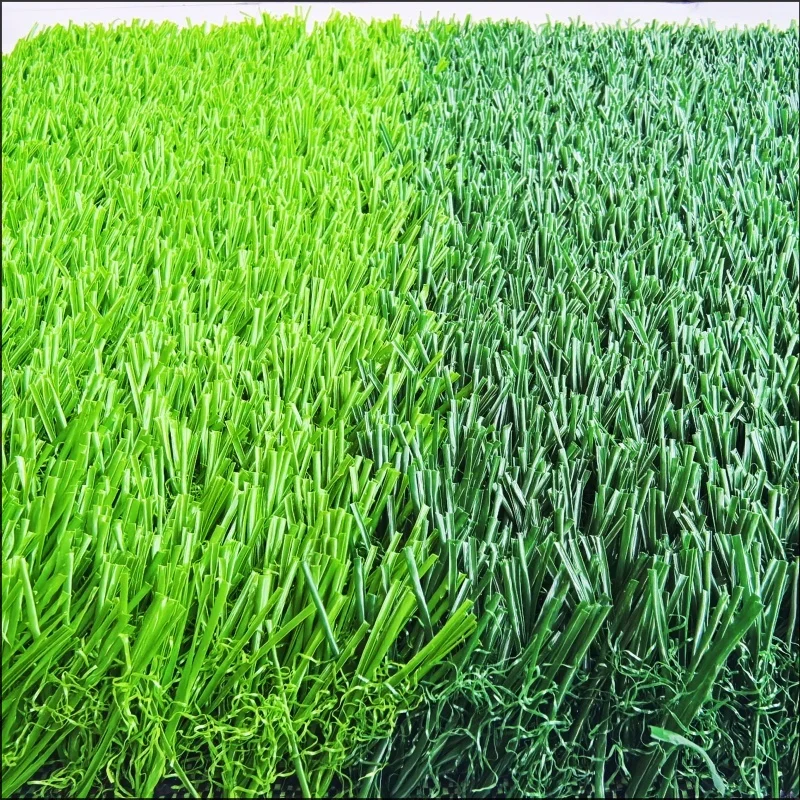
In North Korea, the demand for artificial football turf is driven by the need for all-weather training facilities that can survive harsh winters and humid summers. Traditional natural grass often fails during the freezing periods of the northern provinces, leading to significant downtime for athletic development.
The urbanization of Pyongyang and other major cities has sparked an interest in artificial gardens to maintain aesthetic appeal without the high water consumption required by natural flora in arid seasons. The focus has shifted toward low-maintenance, UV-resistant materials that prevent fading under intense solar radiation.
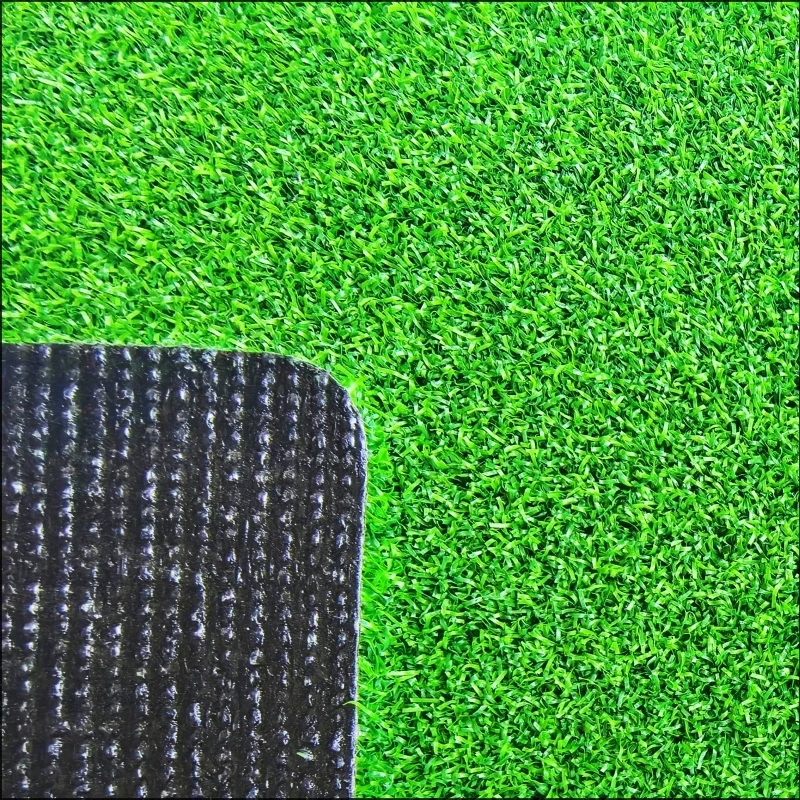
Currently, the market is transitioning from basic plastic filaments to advanced polyethylene fibers. There is a growing insistence on stability and shock absorption, particularly for specialized installations like an artificial golf turf system that mimics the organic ball roll of natural greens.