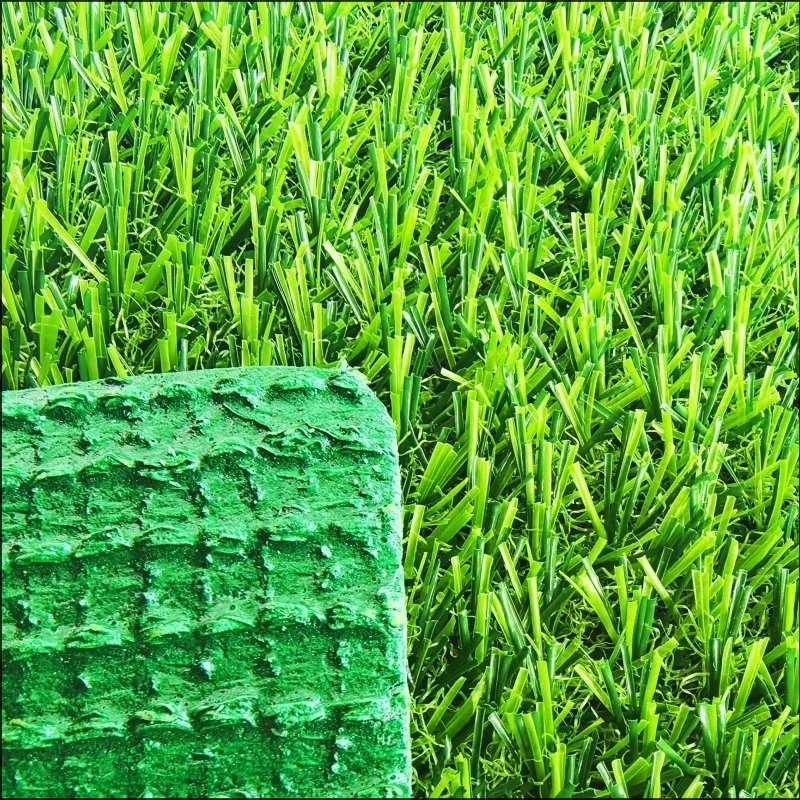
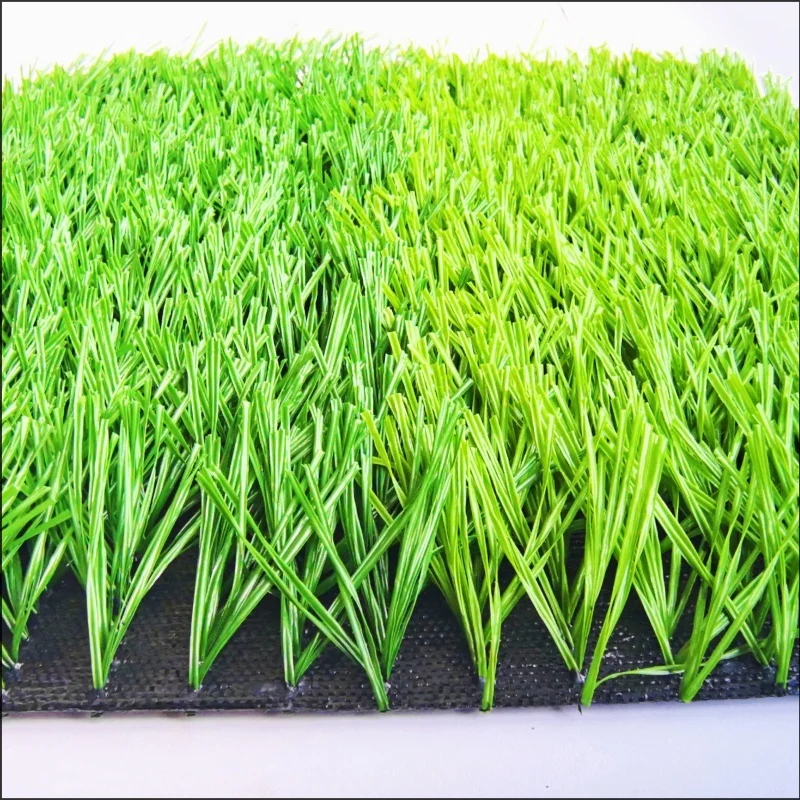
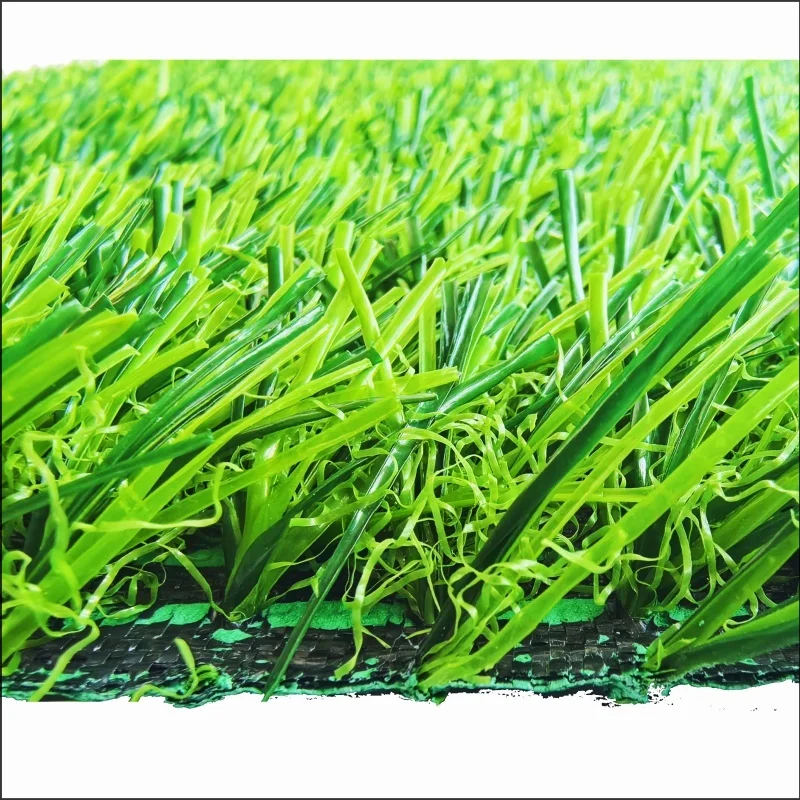
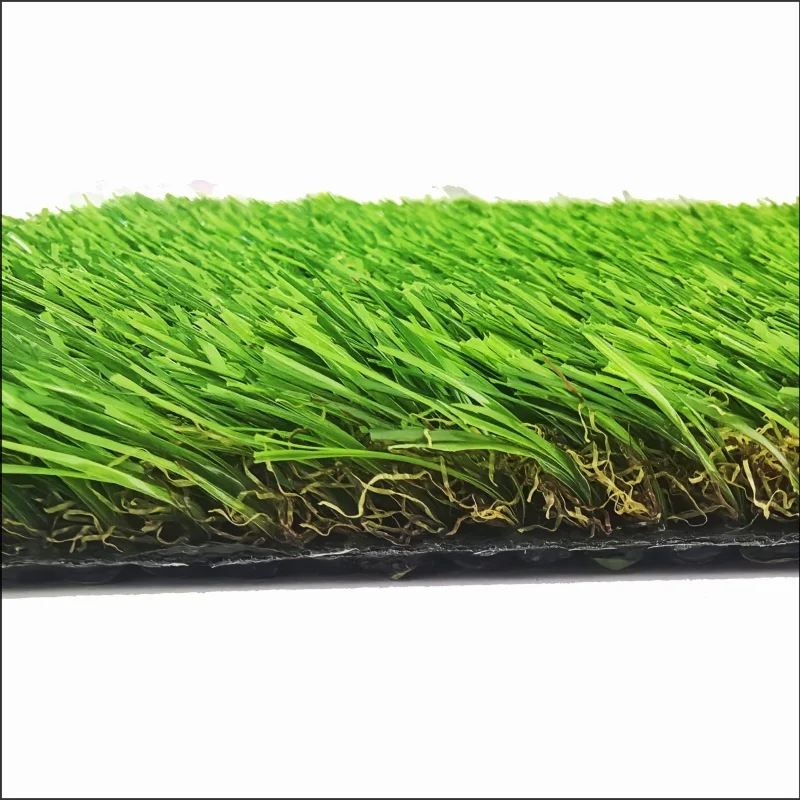
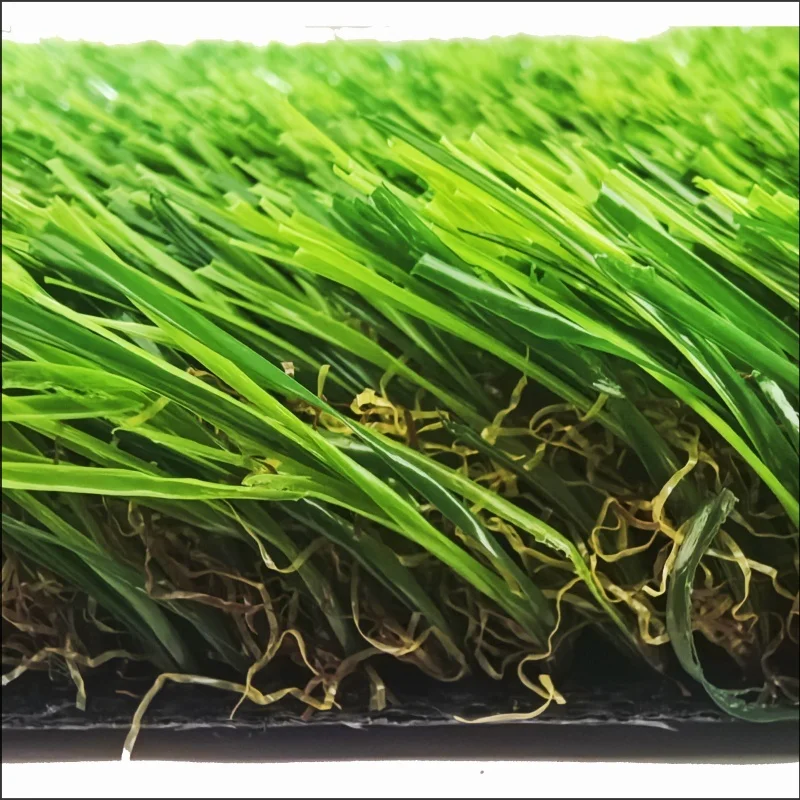
Premium artificial golf green Solutions for Tanzania

Premium artificial golf green Solutions for Tanzania

Engineered for durability and aesthetic perfection, providing high-performance synthetic turf tailored for the unique climate of East Africa.

Premium artificial golf green Solutions for Tanzania

We provide world-class synthetic grass technology to Tanzania, specializing in heat-resistant and UV-stabilized turf for professional sports and luxury landscaping.

Current Landscape of Synthetic Turf in Tanzania

Analyzing the demand and environmental challenges of the Tanzanian plastics and turf industry.

Tanzania's climate, characterized by intense tropical sunlight and alternating wet and dry seasons, presents a significant challenge for natural grass maintenance. This has led to a surge in demand for artificial football turf, particularly in urban centers like Dar es Salaam and Arusha, where space is limited and water conservation is critical.

The current market is transitioning from basic plastic fibers to advanced polyethylene and polypropylene blends. The growth of the tourism sector and the rise of luxury resorts in Zanzibar have increased the adoption of artificial gardens to maintain a lush, green appearance year-round without the need for excessive irrigation.

However, the industry faces the challenge of "heat island" effects. Standard synthetic grasses often overheat under the Tanzanian sun, necessitating the introduction of specialized cooling infills and UV-resistant polymers specifically designed for the equatorial region.
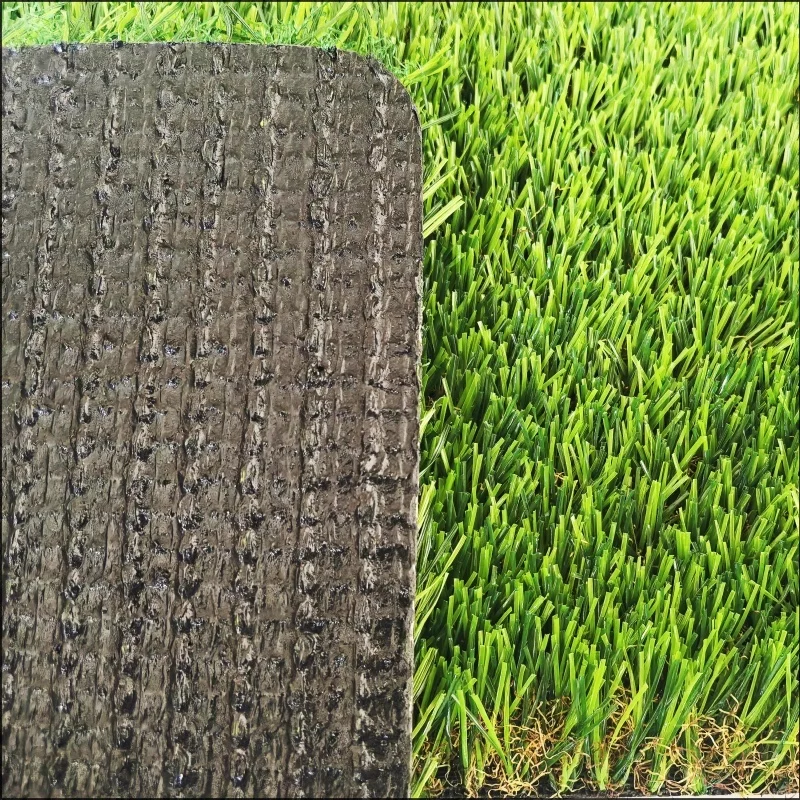
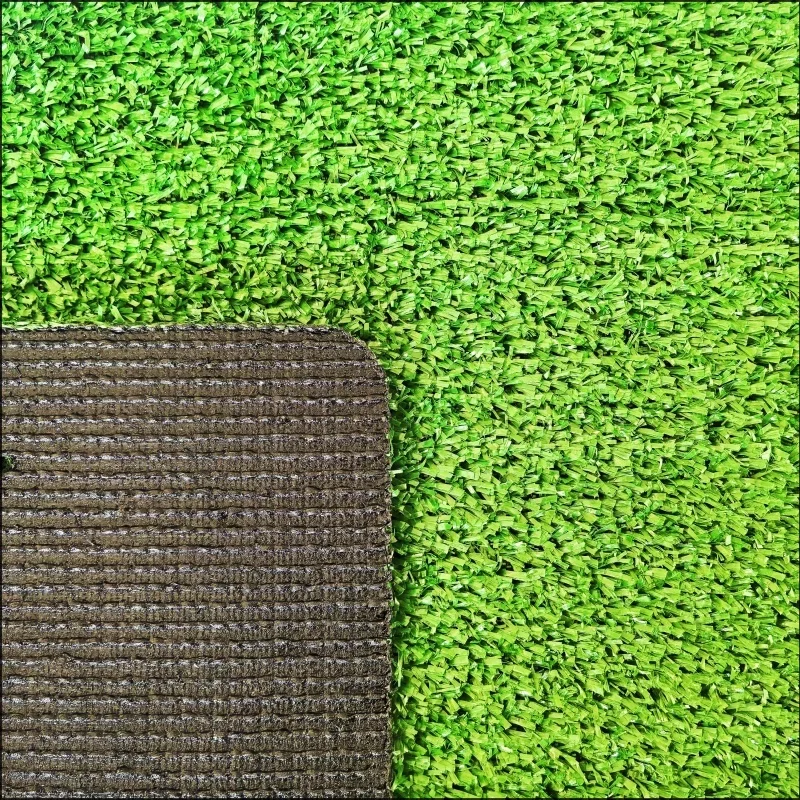
Evolution and Technological Trajectory of Turf Manufacturing

From basic synthetic fibers to high-precision athletic surfaces.

Market Development History

In the early 2000s, synthetic turf in East Africa consisted primarily of short-pile, nylon-based carpets that lacked resilience and had poor drainage, making them unsuitable for heavy sports use.

Between 2010 and 2020, the industry shifted toward "third-generation" turf, introducing long-pile fibers and SBR rubber infill. This period saw the first widespread installation of artificial golf turf in private estates, emphasizing a more natural feel and better ball roll.

Today, we have entered the era of "Eco-Turf," utilizing recycled plastics and non-toxic infills. The focus has shifted to specialized precision, such as the development of artificial golf green turf which mimics the exact density and friction of bentgrass.

Future Development Trends

Biophilic Integration

Future trends show a move toward hybrid systems that combine synthetic durability with organic drainage layers to reduce surface temperature in hot African climates.

Smart Fiber Technology

We expect the integration of antimicrobial coatings and self-cleaning polymers to reduce maintenance costs for commercial installations in Tanzania.

Sustainable Polymer Sourcing

The industry is moving toward 100% recyclable PE materials, aligning with global ESG goals to reduce the plastic footprint in the manufacturing of synthetic grass.

Industry Trends and Future Outlook

Strategic forecasting for the synthetic turf market in Africa.

UV Resistance Optimization
Implementing advanced UV stabilizers to prevent fiber degradation under intense Tanzanian solar radiation.
Water-Saving Architecture
Developing high-permeability backing systems to optimize rainwater runoff during the monsoon season.
Precision Sports Engineering
Customizing fiber density and height to meet FIFA and international golf standards for professional venues.
Circular Economy Adoption
Integrating biodegradable components and recycled polymer loops to reduce environmental impact.

Industry Outlook

Based on Google search trends in the East African region, there is a significant uptick in queries for "low-maintenance landscaping" and "professional sports turf installation." This indicates a shift toward commercialization and a desire for high-durability surfaces that can withstand high foot traffic.

Over the next 3-5 years, we expect Tanzania to see a proliferation of multi-purpose synthetic sports complexes. The focus will move from merely "looking green" to technical performance, where ball bounce, player joint protection, and thermal regulation become the primary purchasing drivers.

Localized Application Scenarios in Tanzania

Practical implementations of synthetic turf across different Tanzanian sectors.

1. Urban Sports Complexes in Dar es Salaam

Installation of heavy-duty artificial football turf for community hubs, ensuring year-round playability despite the intense rainy season.

2. Luxury Eco-Resorts in Zanzibar

Implementation of high-aesthetic artificial gardens around pool areas and villas to provide a lush tropical vibe without the salt-water damage common to natural grass.

3. Private Golf Estates in Arusha

Creation of precision putting greens using artificial golf green turf, allowing enthusiasts to practice in high-altitude environments with consistent roll speeds.

4. Corporate Office Landscaping

Using low-pile synthetic grass for rooftop gardens and employee break areas in corporate parks, reducing irrigation costs by 90%.

5. Educational Institutions & Schools

Providing safe, durable play surfaces for primary schools to replace dusty courtyards, enhancing the learning environment and student safety.

Brand Story

Global Development History of Hebei Xiongyi Rubber and Plastic Products Co., Ltd.

Industrial Foundations

Founded with a focus on polymer science, we began by solving the core problem of fiber durability in extreme climates.

Technical Breakthroughs

Developed a proprietary UV-stabilization process that extended the lifespan of synthetic turf by 40% in tropical regions.

Global Expansion

Expanded our footprint into Africa, tailoring our manufacturing lines to meet the specific soil and climate needs of the East African market.

Certification & Standards

Achieved international certifications for non-toxicity and environmental safety, ensuring our products are safe for children and athletes.

Sustainable Future

Now leading the transition toward recycled polymer turf, aiming to eliminate plastic waste in the artificial grass industry.

Complete Product Portfolio for Tanzania

A comprehensive range of synthetic solutions designed for the African environment.

Tanzania Artificial Turf FAQ

Answers to common technical and installation questions for the local market.

How does artificial football turf handle the heat in Dar es Salaam?

Our turf uses heat-reflective polymers and specialized cooling infills that reduce surface temperature, ensuring player comfort even during peak sunlight hours.

Is artificial golf green turf suitable for high-humidity coastal areas?

Yes, our golf turf features a high-permeability backing that prevents water stagnation and resists mold and mildew in humid environments like Zanzibar.

What is the lifespan of artificial gardens in the Tanzanian climate?

With our advanced UV-stabilized PE fibers, our landscape turf typically lasts 8-12 years, depending on the level of foot traffic and maintenance.

Do I need a special base for artificial golf turf installation?

For optimal performance, we recommend a compacted crushed stone base with a fine leveling layer of sand to ensure a perfectly flat putting surface.

How do I clean artificial golf green surfaces from dust?

Regular brushing with a power brush or stiff nylon broom and occasional rinsing with water is sufficient to remove dust and keep fibers upright.

Are there eco-friendly options for synthetic grass in Tanzania?

Yes, we offer a range of lead-free and recyclable polymer turfs that minimize environmental impact while maintaining professional-grade durability.

Get Expert Consultation for Your Project

Looking for the best synthetic turf solutions in Tanzania? Our engineers are ready to help you design the perfect surface.

Contact Us Now

If you are interested in our products, you can choose to leave your information here, and we will be in touch with you shortly.