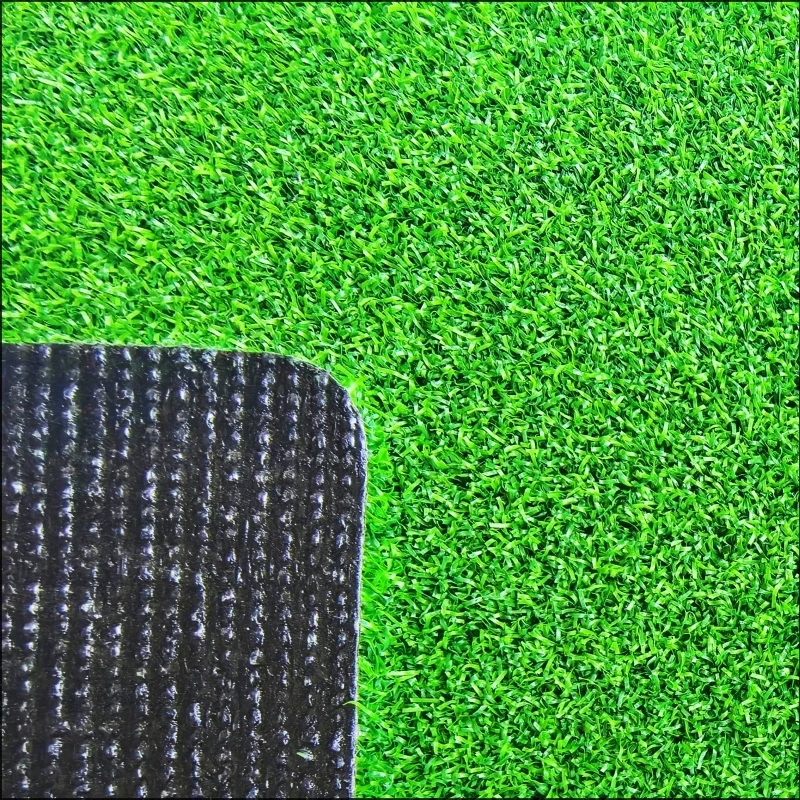
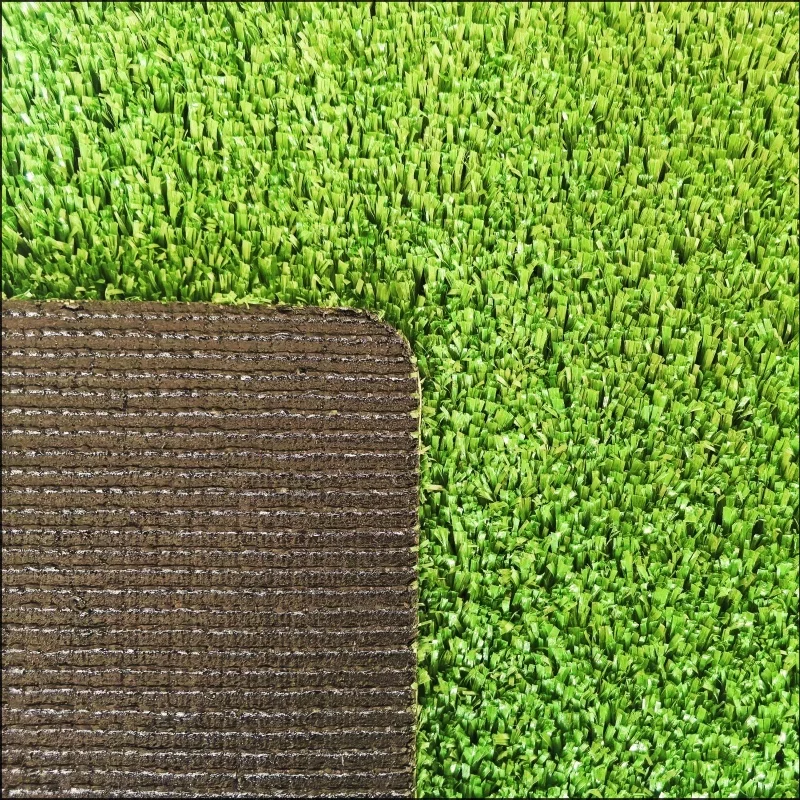
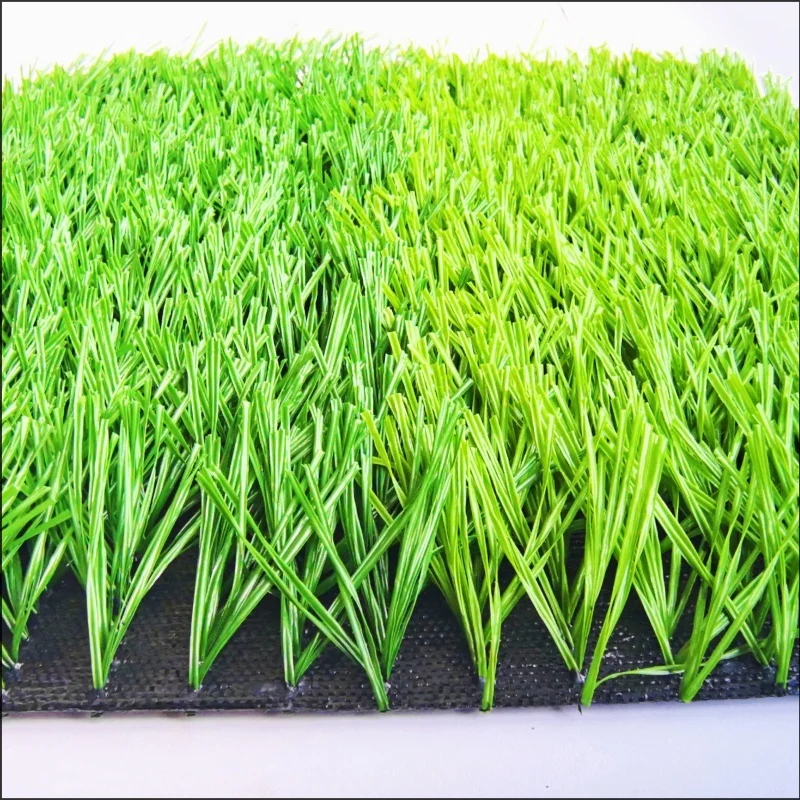
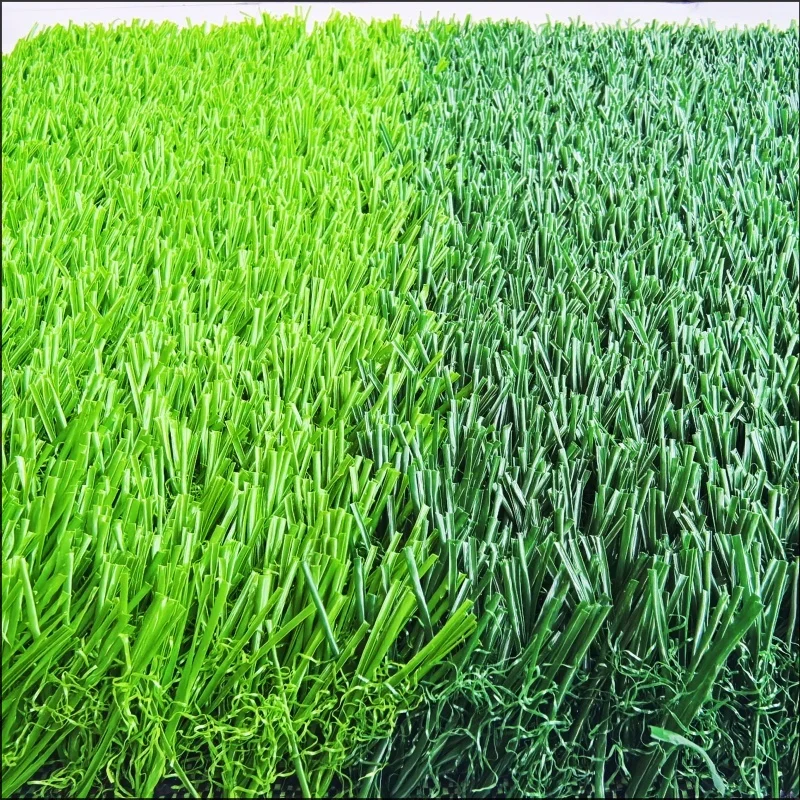
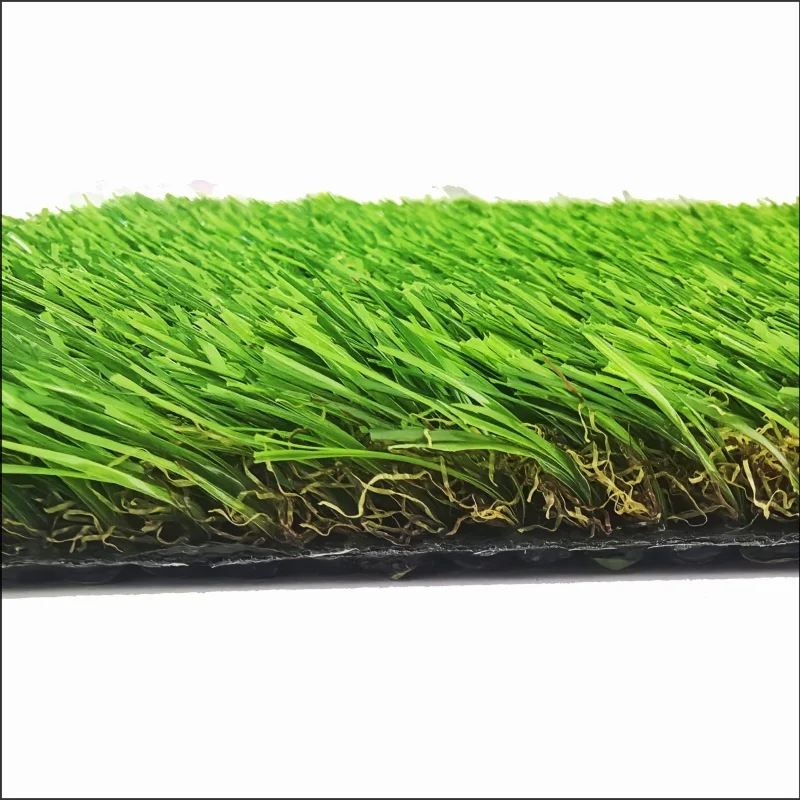
Premium artificial golf green Solutions for the US Market

Premium artificial golf green Solutions for the US Market

Engineered for durability and precision, our advanced synthetic turf systems meet the rigorous demands of North American sports and landscaping standards.

Premium artificial golf green Solutions for the US Market

Providing high-performance synthetic surfaces across the United States, specializing in professional-grade athletic fields and luxury residential greenery.

Market Landscape of Synthetic Turf in the United States

Analyzing the intersection of climate diversity and infrastructure demand in North America.

The United States presents a unique challenge for the plastics and rubber industry due to its vast climatic variations. From the arid heat of Arizona to the humid East Coast, there is a surging demand for artificial gardens that can withstand extreme UV radiation and temperature fluctuations without degrading the polymer structure.

Economic shifts toward low-maintenance urban landscaping have accelerated the adoption of synthetic solutions. In metropolitan hubs, the scarcity of water has pushed municipal planners and homeowners toward high-density polyethylene (HDPE) fibers, ensuring year-round aesthetics while drastically reducing irrigation costs.

Furthermore, the professional sports culture in the US has set a global benchmark for artificial football turf. The industry has shifted from simple "carpet-like" surfaces to sophisticated multi-layered systems incorporating shock pads and organic infills to minimize athlete injury and maximize ball roll consistency.
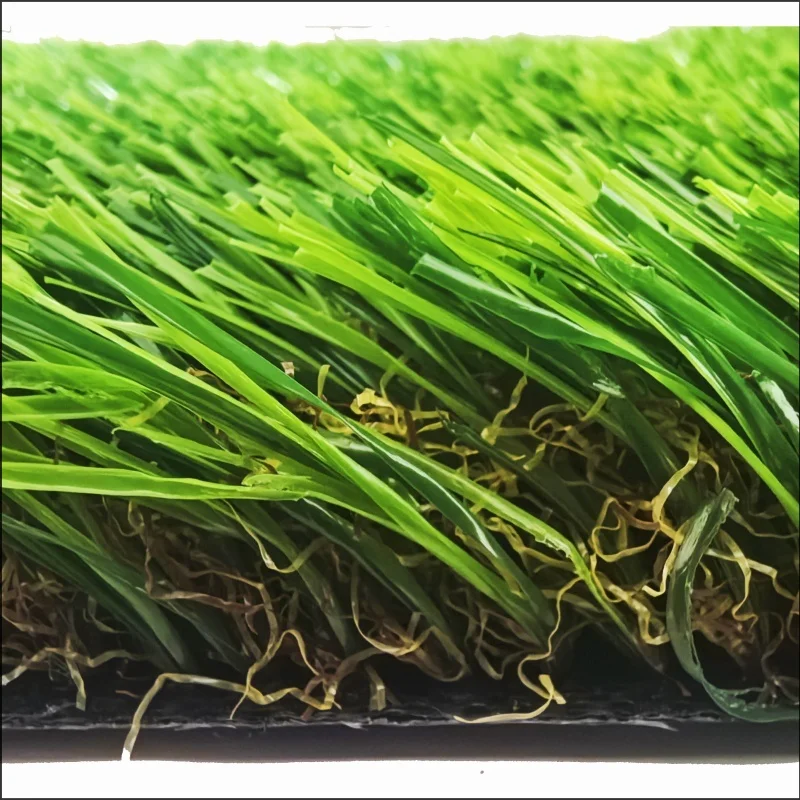
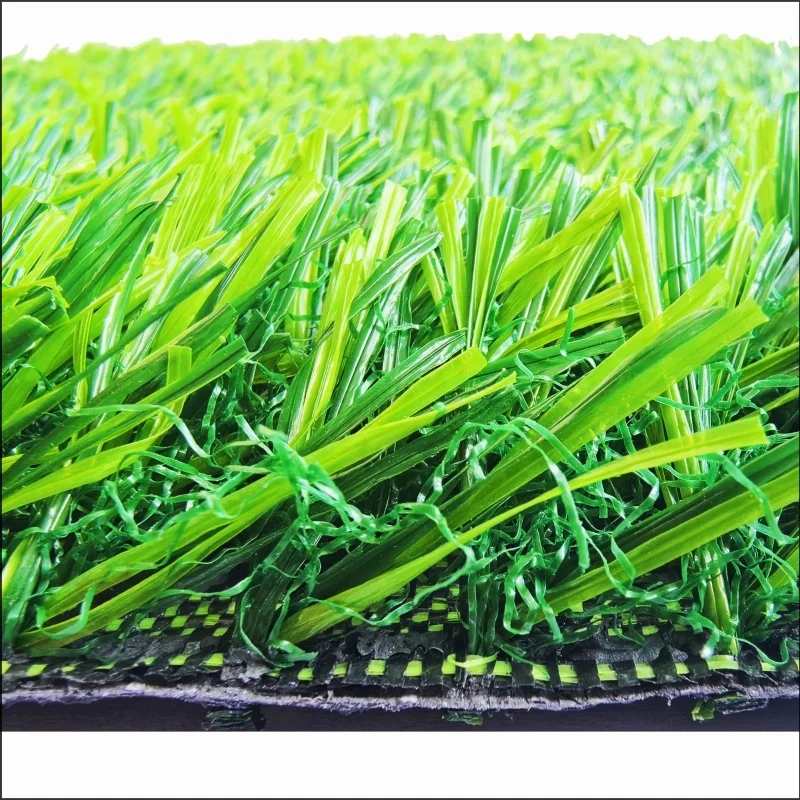
Evolution of Turf Technology and Development Trajectory

From basic synthetic fibers to bio-mimetic sports surfaces.

Market Development History

In the late 20th century, the US market relied on first-generation nylon fibers which were durable but lacked natural feel and heat dissipation. These early installations were primarily functional, focusing on longevity over performance or aesthetics.

Between 2000 and 2015, the transition to polyethylene and the introduction of "3D" fiber shapes occurred. This era saw the rise of artificial golf turf with varying pile heights, allowing for the differentiation between roughs, fairways, and greens for the first time.

Since 2016, the industry has entered the era of "Smart Turf," integrating advanced UV stabilizers and antimicrobial coatings. The focus has shifted toward E-E-A-T principles in manufacturing, where technical certification and environmental safety (lead-free/non-toxic) became the primary drivers of procurement.

Future Development Trends

Eco-Friendly Bio-Polymer Integration

The next 3-5 years will see a move away from traditional petroleum-based plastics toward recyclable bio-polymers to meet US sustainability goals.

Cool-Roof Technology for Sports Fields

Integrating infrared-reflective pigments into fibers to reduce surface temperature, solving the "heat island" effect common in urban US football stadiums.

Hybrid Fiber Blending

Increasing the use of blended textures in artificial golf green turf to perfectly mimic the friction and shear resistance of bentgrass.

Industry Trends and Future Strategic Outlook

Predicting the next leap in synthetic grass manufacturing for the North American sector.

Circular Economy Adoption
Shift toward 100% recyclable backing materials and closed-loop recycling for old football fields.
Precision Fiber Geometry
Utilizing C-shape and W-shape fibers to increase resiliency and reduce compaction in high-traffic areas.
Smart-Drainage Systems
Developing perforated backings that accelerate water runoff, essential for rainy coastal US regions.
Antimicrobial Coatings
Applying silver-ion coatings to prevent mold and bacteria growth in humid subtropical US climates.

Industry Outlook

Google search trends indicate a significant rise in "sustainable synthetic grass" and "low-heat artificial turf," suggesting that US consumers are prioritizing health and environmental impact over simple cost. We anticipate a transition toward integrated systems where the turf is just one part of a larger water-management ecosystem.

The manufacturing focus will shift from mass production to customized engineering. For example, artificial golf green specifications will be tailored to the specific soil types of different US states to optimize the sub-base and overall stability.

Local Application Scenarios Across the United States

Real-world implementations tailored to North American geography and lifestyle.

01. Professional Sports Complexes in the Midwest

Implementing heavy-duty artificial football turf in states like Ohio and Illinois, where high-intensity use and extreme winter frosts require high-tenacity fibers and advanced shock pads.

02. Luxury Residential Backyards in California

Creating drought-resistant artificial gardens for Southern California homes, focusing on water conservation laws and high UV stability to prevent fading under the desert sun.

03. High-End Private Putting Greens in Florida

Installing precision-engineered artificial golf green turf in Florida's coastal estates, designed with rapid-drainage backing to handle frequent tropical rainstorms.

04. Commercial Rooftop Landscapes in New York City

Developing lightweight synthetic grass solutions for urban rooftops in NYC, providing green spaces without exceeding structural load limits of skyscrapers.

05. Community Recreational Hubs in Texas

Combining multi-sport areas and artificial golf turf for community centers in Texas, ensuring low maintenance and high durability for public use.

Brand Story

Global Development Journey of Hebei Xiongyigrass Rubber and Plastic Products Co., Ltd.

Industrial Foundations

Founded with a vision to revolutionize synthetic surfaces, we began by mastering the extrusion of high-grade polymers, focusing on solving the common problem of fiber shedding.

Technical Breakthroughs

We invested in R&D to develop a proprietary UV-stabilization process, ensuring our products could withstand the harshest North American climates without losing color.

Global Market Expansion

By aligning our manufacturing with international quality standards, we expanded our footprint into the US, providing customized turf for professional sports and luxury homes.

Sustainability Commitment

We launched our eco-line, replacing harmful chemicals with non-toxic alternatives, solving the environmental pain points of the traditional rubber and plastic industry.

Future Vision

Our mission is to bridge the gap between nature and industry, creating synthetic surfaces that are indistinguishable from natural grass while being vastly more sustainable.

Comprehensive Turf Portfolio for the US Market

From professional stadiums to private sanctuaries, we provide a complete range of synthetic grass solutions.

US Market Frequently Asked Questions

Expert answers to the most common technical and installation queries in North America.

How do I choose the right artificial football turf for a high-school stadium in the US?

You should prioritize fiber resilience and shock absorption. Look for high-denier polyethylene fibers with a specialized shock pad underlayment to reduce G-max values and protect athletes from concussions.

Are artificial gardens safe for pets and children in residential areas?

Yes, our residential-grade turf is manufactured using lead-free and non-toxic polymers. We recommend using antimicrobial infills to ensure hygiene and easy cleaning for pet owners.

What is the typical lifespan of an artificial golf green in a humid climate like Florida?

With proper maintenance, a professional-grade synthetic green lasts 10-15 years. In humid regions, we use enhanced UV stabilizers and perforated backings to prevent mildew and ensure longevity.

How does artificial golf green turf differ from standard landscaping grass?

Golf turf is engineered for specific "stimps" (ball speed). It has a shorter, denser pile and a different fiber orientation to mimic the precision putting surfaces of professional courses.

Can artificial golf turf be installed over existing concrete or soil?

Both are possible. Over soil, a crushed stone base is required for drainage. Over concrete, a specialized drainage mat is installed to prevent water pooling on the surface.

What is the best way to maintain high-traffic synthetic fields in the US?

Regular grooming with a power brush is essential to keep the fibers upright and redistribute the infill, ensuring consistent ball roll and preventing the surface from compacting.

Ready to Upgrade Your Surface?

Get a professional consultation for your next project in the United States. Our engineers are ready to design the perfect synthetic solution for you.

Contact Us Now

If you are interested in our products, you can choose to leave your information here, and we will be in touch with you shortly.