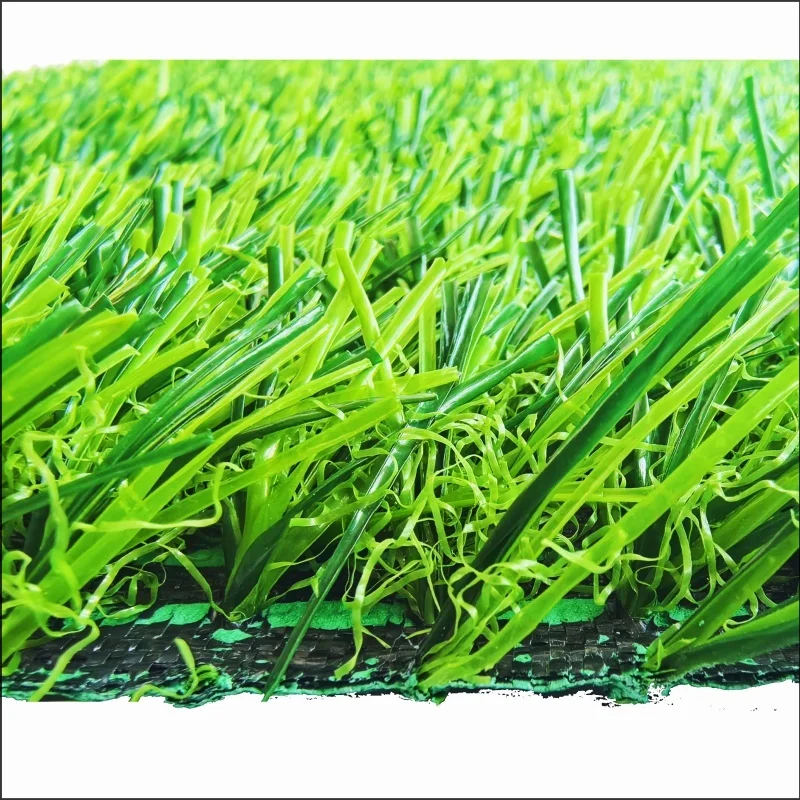
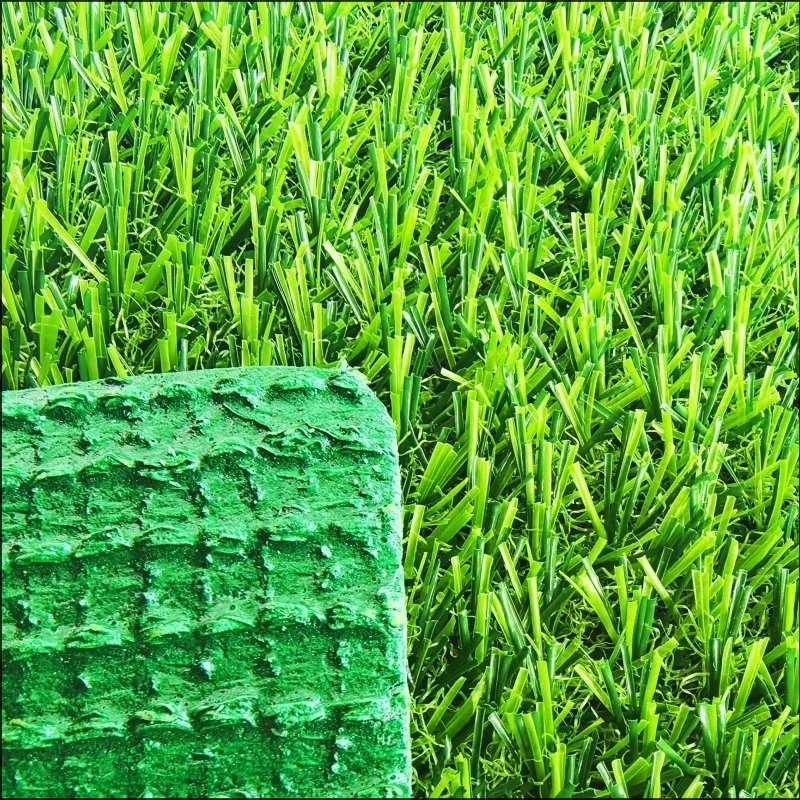
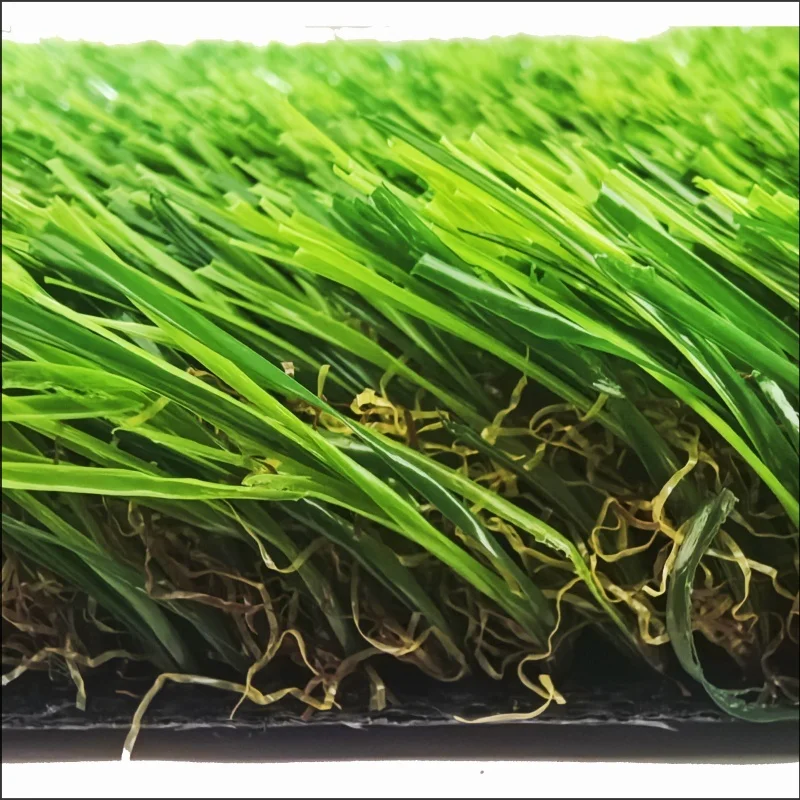
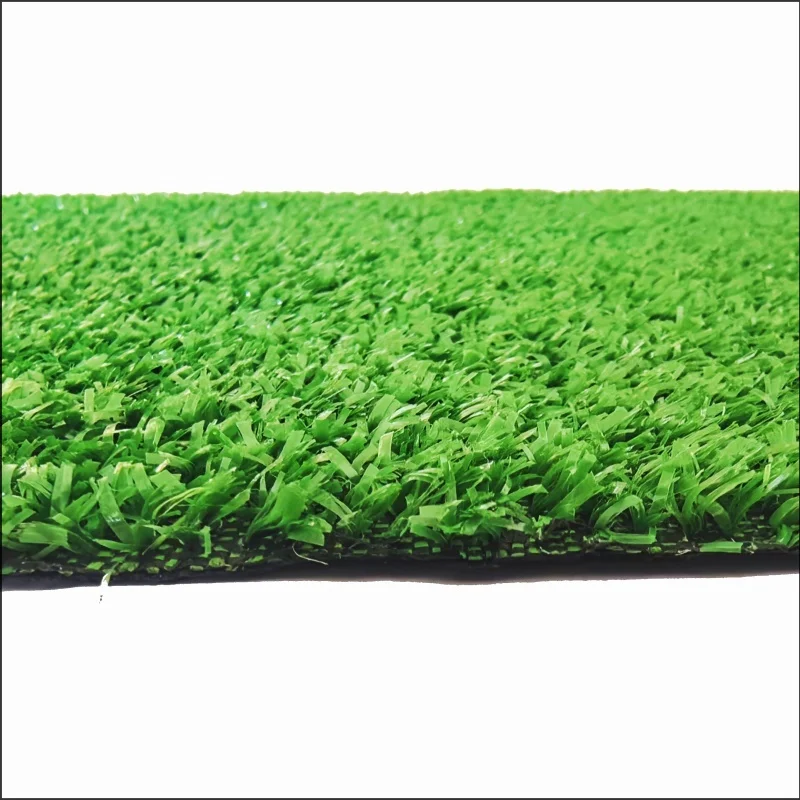
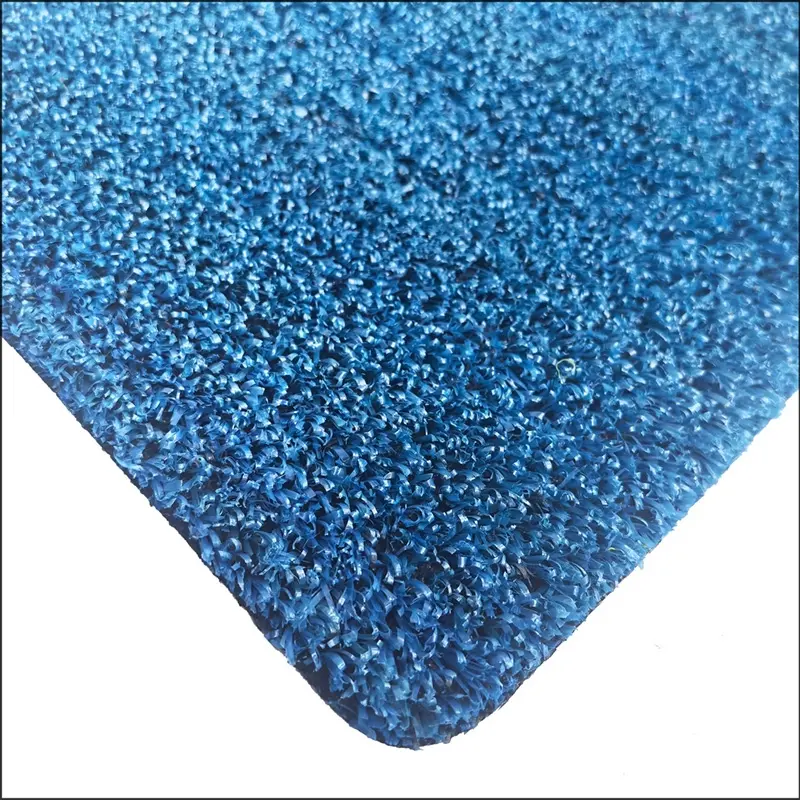
In Zimbabwe, the agricultural and landscaping sectors are heavily impacted by erratic rainfall and severe drought cycles. This environmental pressure has accelerated the adoption of artificial gardens, as homeowners and commercial properties seek to maintain aesthetic appeal without relying on depleting water reserves.
The sports infrastructure in regions like Harare and Bulawayo is shifting toward artificial football turf to ensure year-round playability. Traditional grass pitches often fail during the dry season, leading to high maintenance costs and frequent closures, making synthetic alternatives a strategic economic choice.
Furthermore, the luxury hospitality and leisure sectors are integrating artificial golf green installations. Given the high cost of maintaining natural bentgrass in subtropical climates, the shift toward polymer-based fibers ensures consistent ball roll and minimal upkeep.