8 December 2025
Having worked in the industrial equipment sector for well over a decade, I've encountered more than my fair share of landscaping materials—but small landscape grasses hold a unique charm. They’re subtle, often overlooked, yet their impact on outdoor spaces is surprisingly profound.
If you think about it, these grasses aren’t just decorative. They’re engineered—yes, engineered—to withstand weather, foot traffic, and environmental stressors. Over the years, I noticed that many of our clients favored products that balanced durability with natural aesthetics. Oddly enough, one of the hardest challenges is designing small grasses that look lush yet don’t turn into a fiber nightmare when mowed or walked upon.
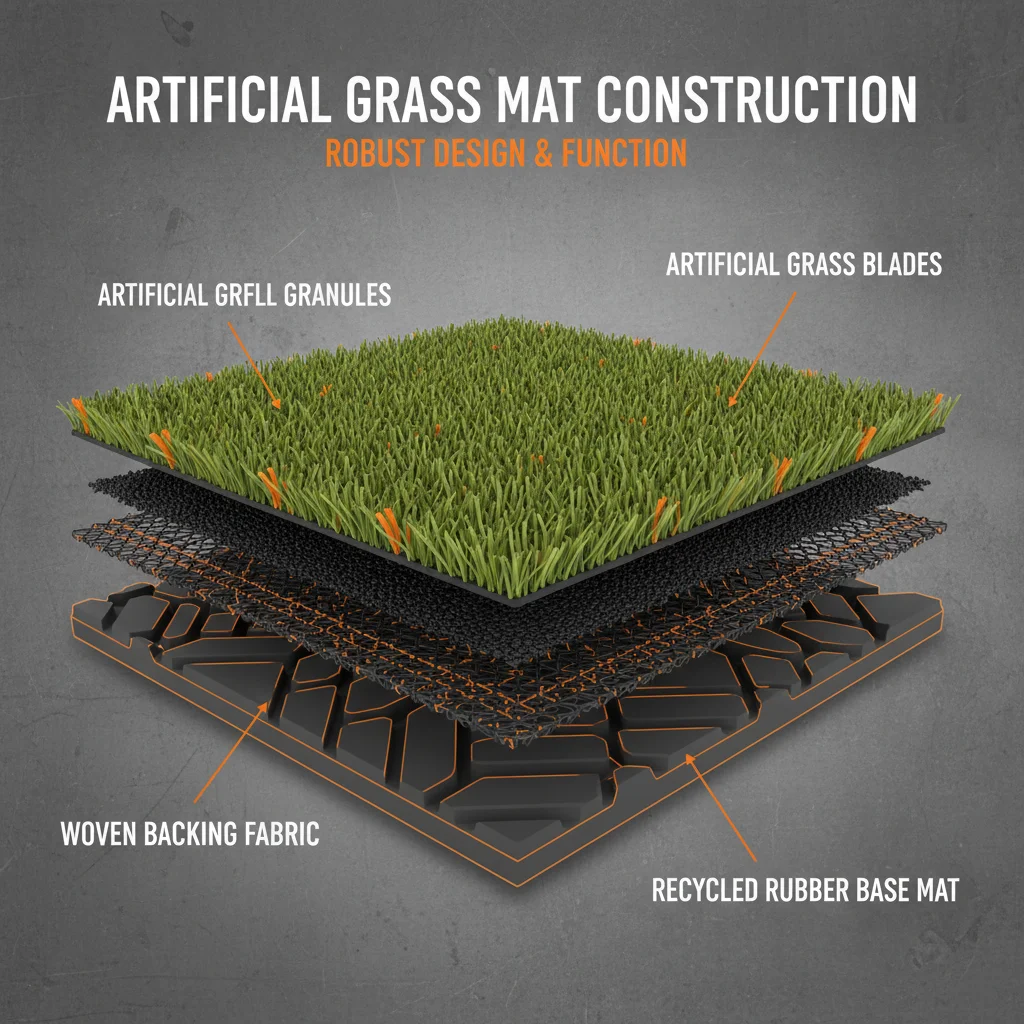
Products today typically use synthetic materials that replicate natural blades, often polyethylene or polypropylene. These fibers are selected not only for their visual resemblance but for UV resistance and tensile strength. Frankly, it’s an unglamorous side of landscaping, but without this tech, outdoor surfaces quickly degrade, costing clients time and money.
Testing these grasses is an art and science combo. Repeated wear cycles, colorfastness under intense sun, and drainage tests simulate real-world use. From my experience, even minor improvements in fiber density or stitch rate can mean the difference between a patch that looks good for one season and one that stays vibrant for years.
| Specification | Detail |
|---|---|
| Fiber Material | UV-Stabilized Polyethylene |
| Pile Height | 15-25 mm (small scale) |
| Backing Material | Latex with mesh reinforcement |
| Density | 10,800 - 12,000 stitches/m² |
| UV Resistance | Up to 8,000 hours under Xenon Arc Testing |
| Color Options | Multiple shades of green, brown undertones |
Now, let me share a small story that stuck with me. A landscaping company serving a historic district approached us, seeking grasses that wouldn’t overpower delicate architectural features. They went with a small-pile, high-density product – a sort of middle ground. The result? A seamless blend that maintained softness underfoot while enhancing the site’s natural vibe. They mentioned it felt “almost natural” to visitors, which, frankly, is a high compliment in this synthetic world.
When it comes to vendors, the market has expanded recently – more options, but quality varies. Here’s a quick comparison I put together based on first-hand evaluations and industry feedback:
| Vendor | Fiber Quality | Durability | Customization | Price Range |
|---|---|---|---|---|
| Xiongyigrass | Excellent UV-stabilized polymer | High (8,000+ hours UV test) | Multiple colors & pile heights | Mid to high |
| GreenField | Standard polyethylene | Moderate | Limited | Low to mid |
| LawnPlus | Good fiber blend but less UV resistant | Fair | Good customization options | Mid |
In real terms, choosing the right small landscape grass can be a bit like picking boots for a long hike. You want comfort, durability, and something that won’t let you down halfway through the trail. Small landscape grasses from trusted sources like Xiongyigrass shape outdoor spaces that last and impress.
To sum it up, the technology behind these grasses has quietly made landscaping more reliable and visually appealing, even if most people don’t notice the details. For those involved in design or maintenance, though, small landscape grasses are a crucial piece of the puzzle.
Just a note — if you’re venturing into this market, I'd say try to get samples, test under your specific conditions, and above all, listen carefully to customer feedback. After all, no two landscapes are exactly alike.
References:
1. Industry standards for synthetic turf durability - TurfTech Journal, 2021
2. UV stabilization techniques in polyethylene fibers - Plastics Review, 2022
3. Customer case studies in landscape design - GreenScapes Monthly, 2023




Hit enter to search or ESC to close