9 April 2026
Creating a safe, inviting, and durable space for children to play is a top priority for parents and educators alike. An artificial grass play mat offers the perfect blend of nature-inspired aesthetics and modern safety engineering. Unlike traditional natural grass, which can be muddy, prone to allergens, and high-maintenance, high-quality synthetic mats provide a consistent, plush surface that encourages active play throughout the year. In this guide, we will explore everything from material safety to installation and maintenance to help you make an informed decision for your home or commercial facility.
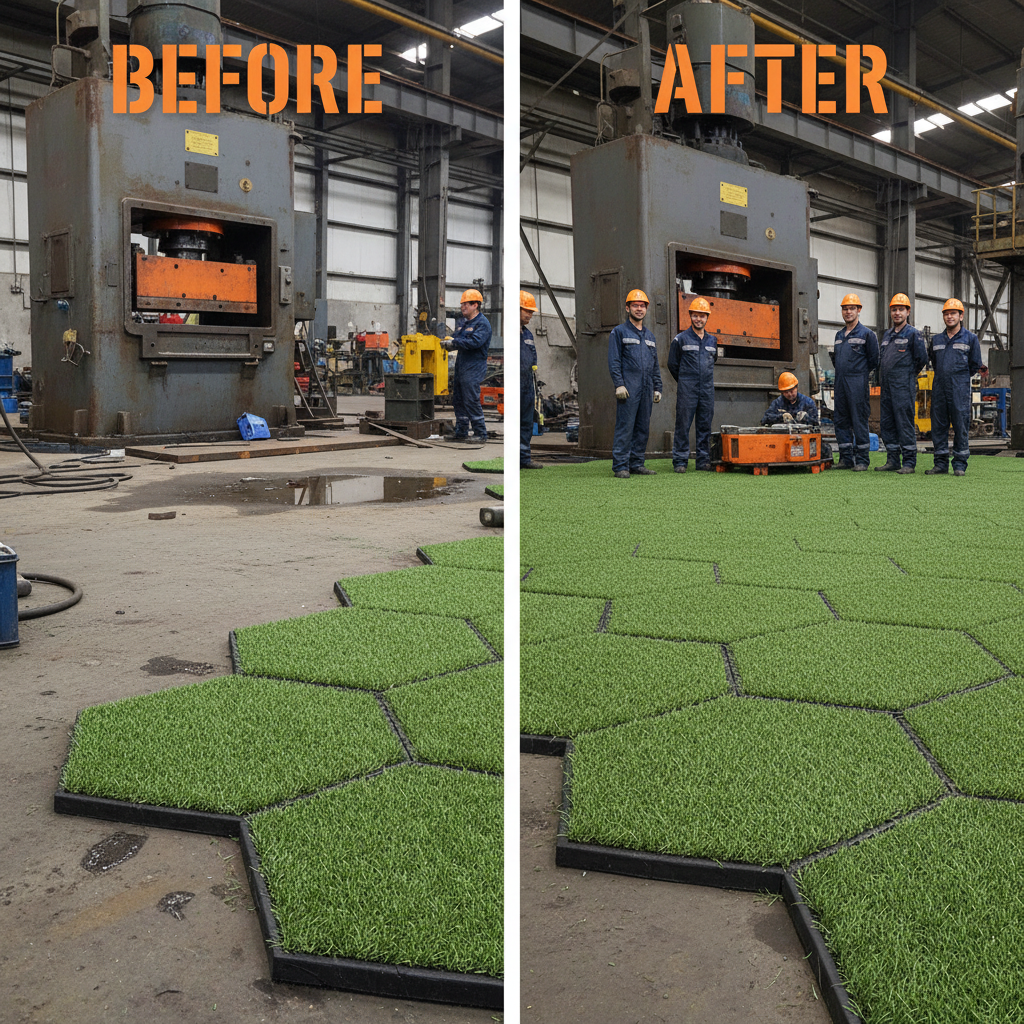
The primary appeal of using an artificial grass play mat is the immediate transformation of a hard or dirty area into a vibrant green oasis. These mats are engineered to be hypoallergenic, meaning kids can roll and play without worrying about pollen or seasonal allergies. Furthermore, the durability of synthetic fibers ensures that the surface doesn't wear down into "bald spots" even with high-frequency activity. From a psychological perspective, the presence of green colors is known to reduce stress and stimulate creativity in children, making it an ideal choice for nurseries, backyards, and indoor playrooms.
Quick Fact: Modern synthetic turf used in play mats is often infused with UV stabilizers, preventing the vibrant green color from fading even under intense sunlight exposure.
Safety is the most critical factor when selecting a mat for children. A professional artificial grass play mat is not just about the look; it's about the "critical fall height" and toxicity levels. High-end mats are manufactured using non-toxic, lead-free materials and often feature a cushioned backing or can be paired with shock-absorbing underlayments. This ensures that accidental trips and falls result in soft landings, significantly reducing the risk of injuries. Additionally, the drainage capabilities of these mats prevent water pooling, which eliminates the risk of slippery surfaces and mold growth.
Safety Checklist:
• Lead-free and BPA-free certifications
• UV resistance to prevent overheating
• High-density pile for impact absorption
• Permeable backing for rapid drainage
Not all synthetic grass is created equal. Depending on whether the mat is for a temporary indoor setup or a permanent outdoor playground, the specifications will vary. For those seeking a premium artificial grass play mat, looking at the pile height and face weight is essential. A denser mat generally provides better cushioning and a more natural feel. Below is a comparison between standard decorative turf and specialized play-grade mats to help you visualize the difference in performance.
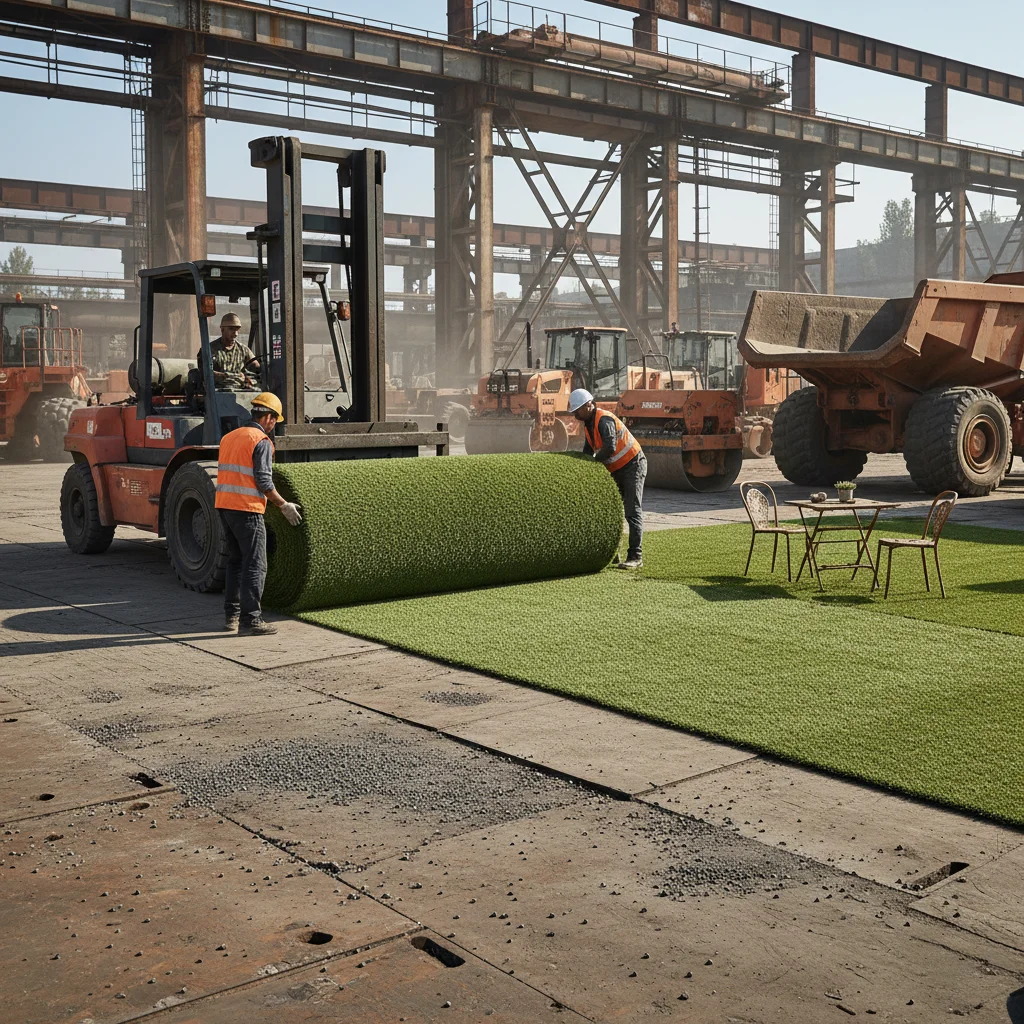
Whether you are installing an artificial grass play mat indoors or outdoors, proper preparation is key to longevity. For outdoor areas, ensure the ground is level and clear of sharp stones or debris that could puncture the backing. A layer of crushed stone or sand is recommended for stability. For indoor use, simply ensuring the surface is clean and dry is sufficient. To prevent the mat from shifting during active play, use specialized turf tape or landscape staples for outdoor installations. This ensures the safety of children by removing tripping hazards caused by curled edges.
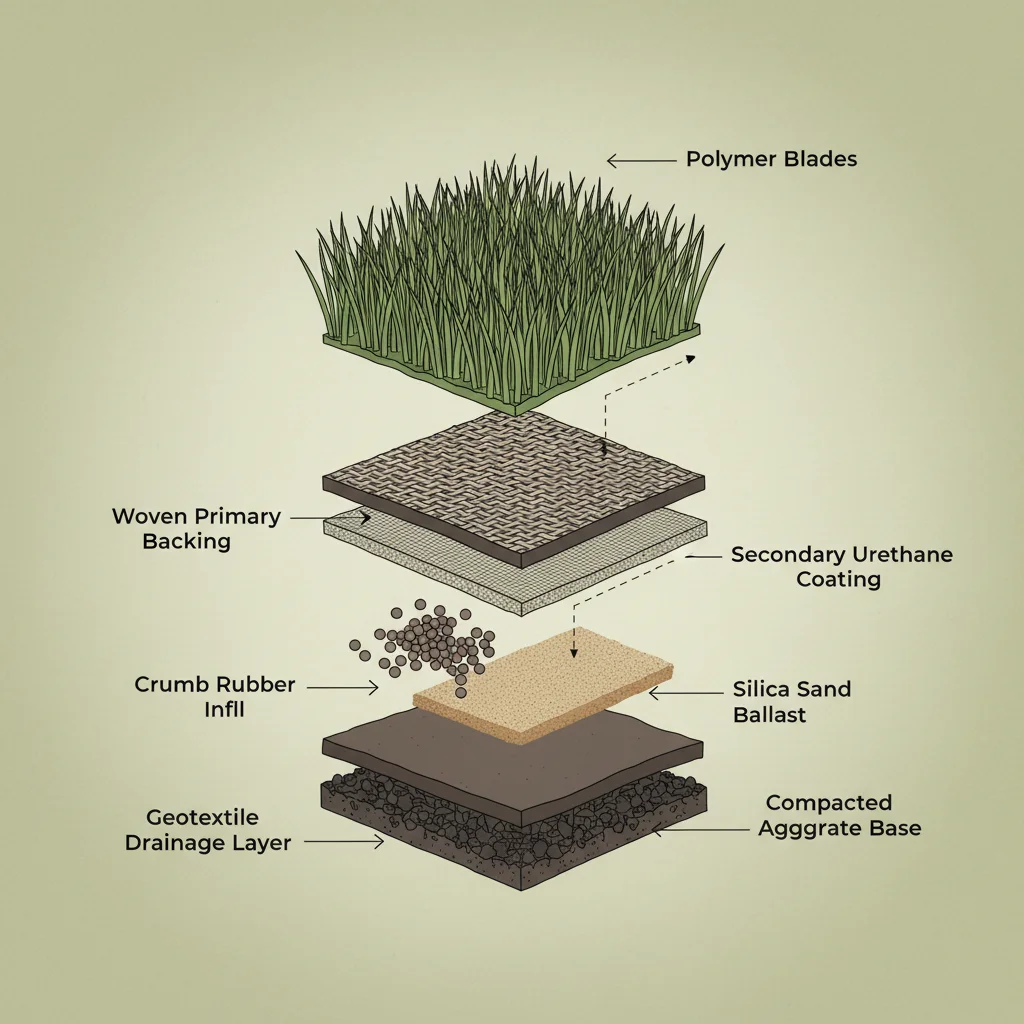
When ordering from a professional supplier like Xiongyi Grass, it is important to understand the technical specifications to ensure you are getting the right product for your needs. The pile height determines the "feel" of the grass, while the stitch rate determines the density. A high-density artificial grass play mat will resist flattening and provide a more luxurious experience. Below are the typical specifications for our premium play-grade series.
One of the biggest advantages of an artificial grass play mat is the minimal effort required to keep it looking new. Unlike natural lawns, there is no mowing, watering, or fertilizing. For general cleaning, a simple vacuum or a leaf blower works perfectly. For deeper cleans, especially in high-traffic play areas, a gentle rinse with water and a mild, non-toxic detergent is sufficient. To keep the fibers standing upright and prevent matting, we recommend occasional brushing with a plastic rake or specialized power brush.
Investing in a high-quality artificial grass play mat is a commitment to safety, hygiene, and the joy of childhood. By eliminating the mud and allergens associated with natural grass and providing a soft, durable surface, you create an environment where children can explore and grow without restriction. Whether for a residential backyard or a commercial preschool, choosing a certified, non-toxic mat ensures peace of mind for caregivers. Upgrade your play space today for a greener, safer tomorrow.
Yes, provided you choose a play-grade mat. High-quality synthetic turf designed for children is manufactured using non-toxic, lead-free, and phthalate-free materials. This ensures that even if toddlers spend hours on the mat—and occasionally put their hands in their mouths—there is no risk of chemical exposure. We recommend checking for certifications such as REACH or RoHS to ensure the highest safety standards are met for your little ones.
Synthetic materials can absorb heat more than natural grass. However, premium artificial grass play mats are designed with UV-stabilized fibers and advanced drainage systems that help regulate temperature. To keep the surface cool during extreme heatwaves, a simple sprinkle of water can quickly lower the surface temperature. Additionally, placing the mat in a partially shaded area is a great way to ensure comfort throughout the day.
Most spills on a synthetic play mat can be handled easily. For liquid spills, simply blot the area with a clean cloth rather than rubbing, which can push the liquid deeper into the fibers. For tougher stains, a mixture of mild soap and warm water is usually enough. Since the mats are permeable, you can also rinse the area with a garden hose. Avoid using harsh chemicals or bleach, as these can degrade the synthetic fibers and potentially compromise the safety certifications of the mat.
Absolutely! Artificial grass play mats are an excellent choice for indoor nurseries, playrooms, or gym areas. They provide a soft landing and a visually stimulating environment. When using them indoors, you don't need the complex base layers required for outdoor installation; simply laying them over a flat surface or using a non-slip underlayment is sufficient. This allows parents to bring a touch of the outdoors inside while maintaining a clean and controlled environment.


Hit enter to search or ESC to close