Understanding Artificial Green Grass Price Factors and LongTerm Value
  • Home
  • Top Blog
  • Understanding Artificial Green Grass Price Factors and LongTerm Value
0%

Table of Contents

Artificial green grass price is a key consideration for a wide range of applications, from residential lawns to professional sports fields. Understanding the factors that influence this price – materials, pile height, density, and installation costs – is crucial for making informed purchasing decisions. In a world increasingly focused on sustainable and low-maintenance landscaping solutions, the demand for high-quality artificial turf continues to grow, driving innovation and competition within the industry. artificial green grass price directly impacts project feasibility and return on investment.

The global artificial turf market is experiencing significant growth, fueled by water scarcity issues in arid regions and a desire for aesthetically pleasing, year-round green spaces. According to industry reports, the market is projected to reach billions of dollars in the coming years. This expansion highlights the increasing acceptance of artificial grass as a viable alternative to natural turf, particularly in areas where maintaining a natural lawn is challenging or environmentally unsustainable. The price of artificial green grass remains a central factor in this adoption rate.

Choosing the right artificial grass involves a careful assessment of budget, intended use, and long-term value. The initial investment in artificial turf can be higher than natural grass installation, but the reduced maintenance costs – no mowing, watering, or fertilizing – often result in significant savings over the lifespan of the product. The variance in artificial green grass price largely depends on the quality of materials and the complexity of installation.
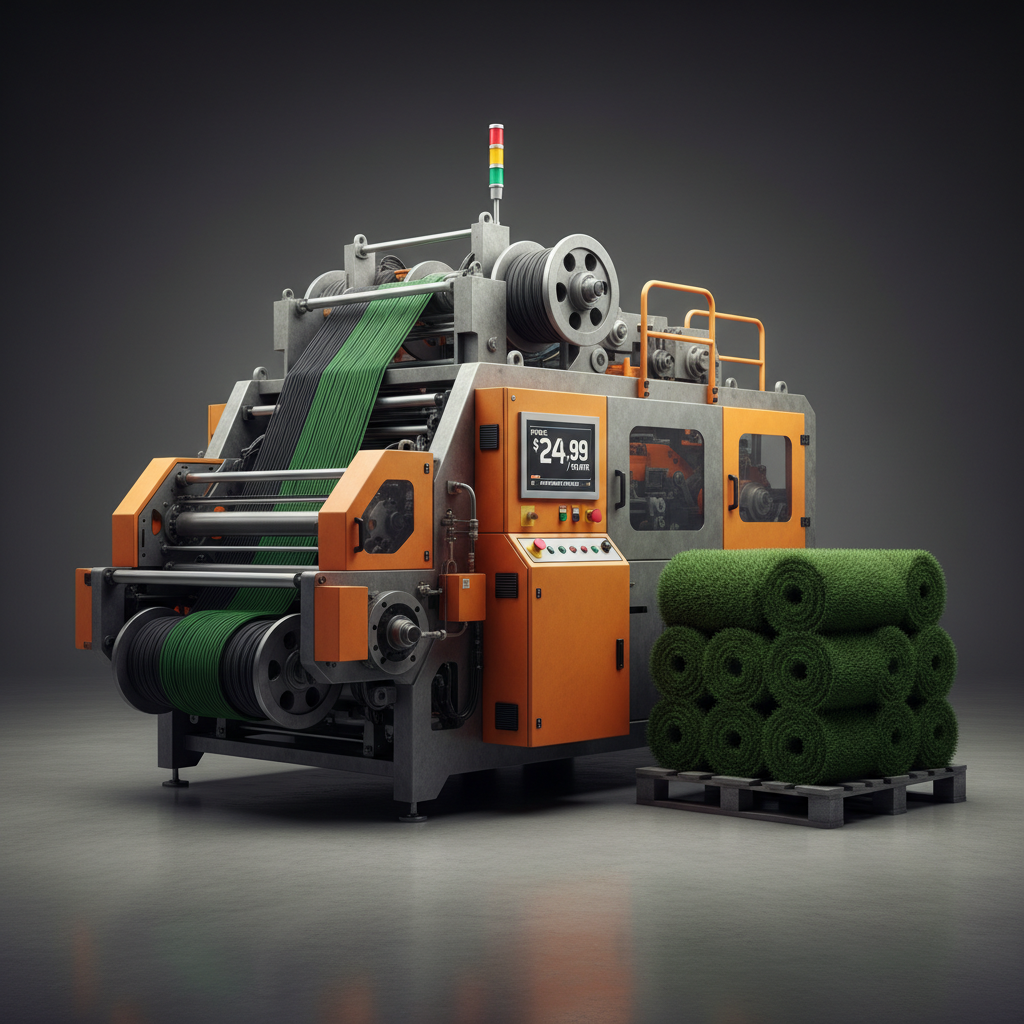
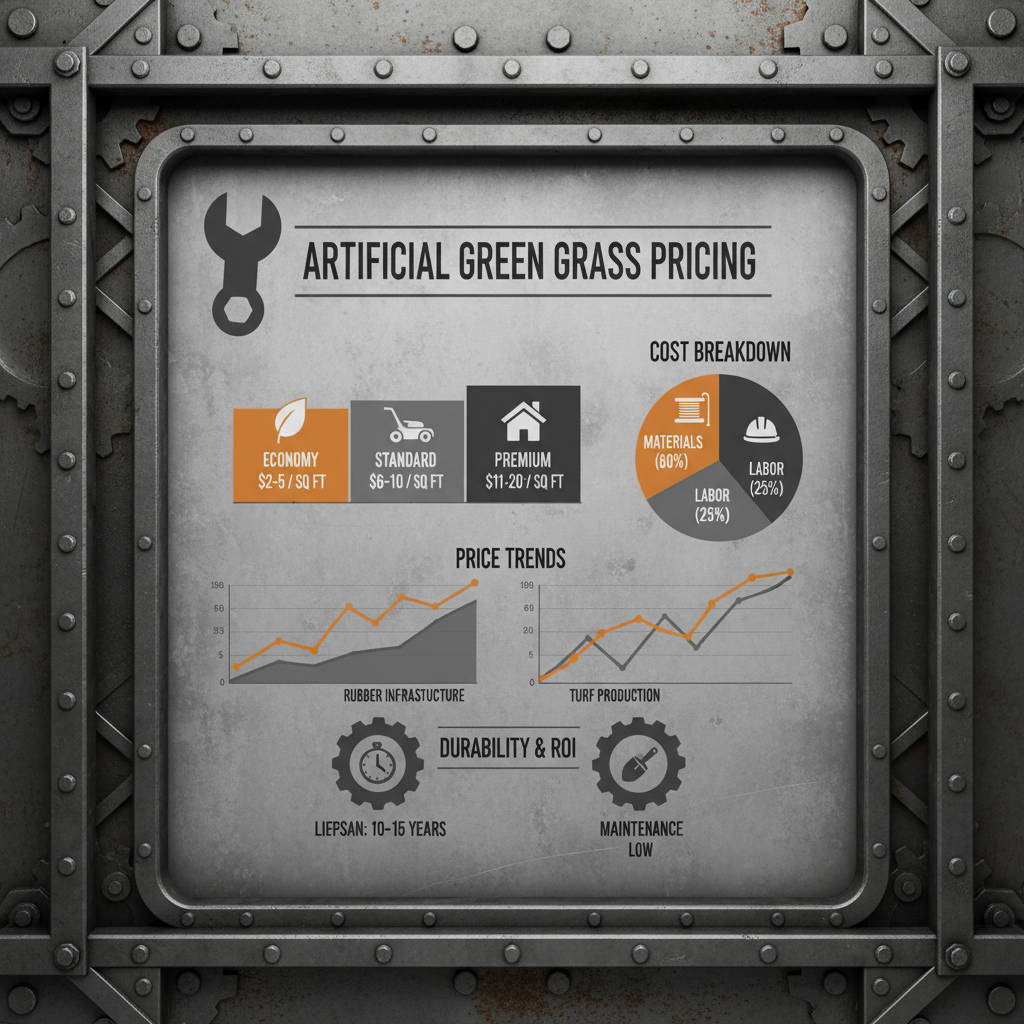
artificial green grass price

Understanding the Factors Influencing Artificial Green Grass Price

artificial green grass price

The price of artificial green grass isn't a single number; it's a dynamic figure influenced by several key factors. The type of fiber used (polyethylene, polypropylene, or nylon) significantly impacts cost, with nylon generally being the most expensive and durable. Pile height also plays a role – taller piles offer a more luxurious feel but typically come at a higher price point. artificial green grass price is dictated by these materials.

Beyond materials, the density of the turf – measured in stitches per square inch – affects both the price and the longevity of the product. Higher density turf is more resilient and better able to withstand heavy foot traffic, but it also requires more material to produce, increasing the cost. Installation costs, which vary depending on the complexity of the project and geographic location, are a critical component of the overall artificial green grass price.

Defining Artificial Green Grass Price: A Comprehensive Overview

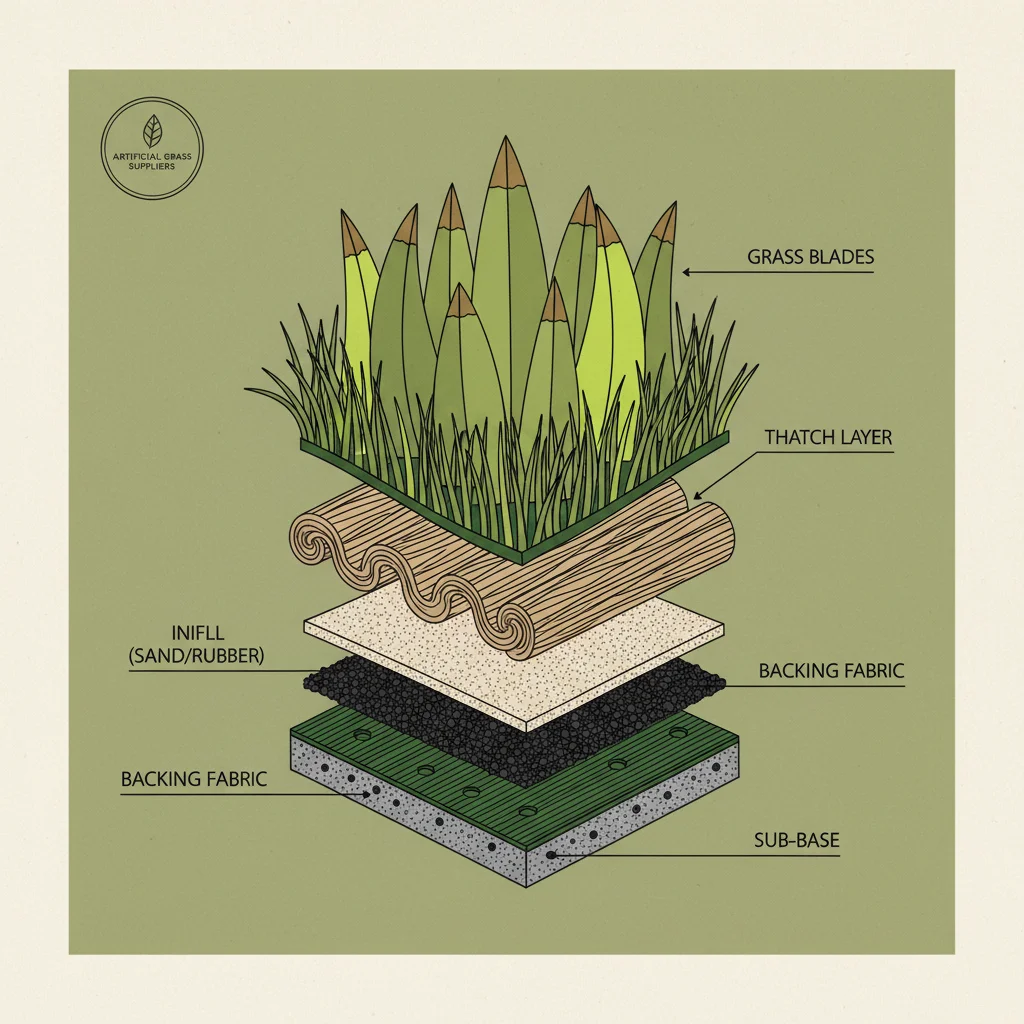
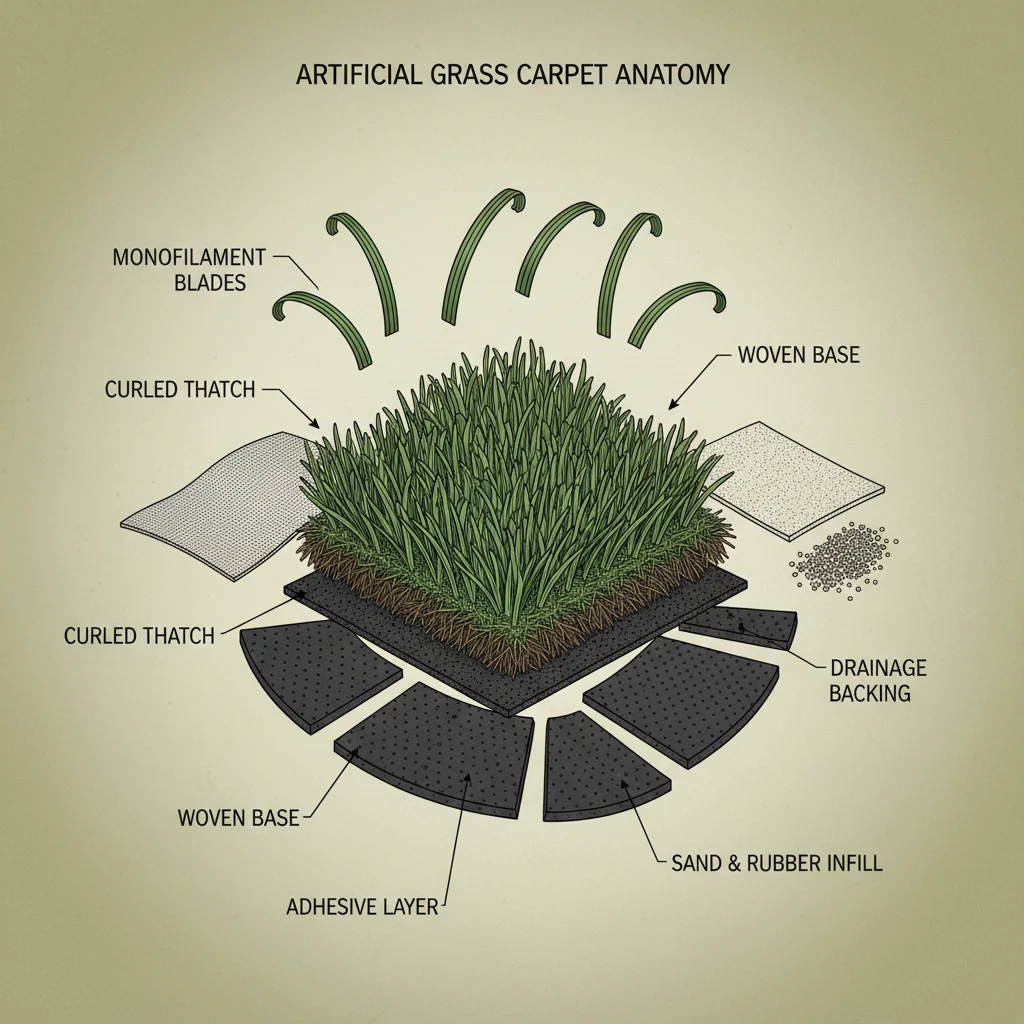
Artificial green grass price represents the total cost associated with acquiring and installing artificial turf. This encompasses not just the cost of the turf itself, but also the expenses related to site preparation (leveling, compaction), infill materials (sand, rubber granules), installation labor, and any necessary accessories like edging or joining tape. Understanding this comprehensive cost breakdown is essential for accurate budgeting and comparing different options.

In essence, the artificial green grass price is a reflection of the quality of materials, the complexity of the installation, and the level of customization required. Different grades of turf are available to suit various budgets and applications, ranging from budget-friendly options for small residential lawns to premium, high-performance turf for athletic fields.

The concept of value for money is central to understanding artificial green grass price. While a lower upfront cost may be tempting, investing in higher-quality turf with a longer lifespan and reduced maintenance requirements can often result in significant savings over the long term.

Key Components of Artificial Green Grass Price

One major component influencing artificial green grass price is the fiber material. Polyethylene is the most common and cost-effective option, offering good durability and a realistic look and feel. Polypropylene is even more affordable but less resilient, making it suitable for decorative applications. Nylon is the most expensive, providing exceptional durability and heat resistance, ideal for high-traffic areas. artificial green grass price will vary greatly depending on the chosen fiber.

Another crucial element is the backing material. The backing provides structural support and affects the turf’s drainage capabilities. Different backing materials – such as woven polypropylene or polyurethane – offer varying levels of performance and contribute to the overall cost. The higher the quality of the backing, the better the turf will hold up to wear and tear, and the longer it will last.

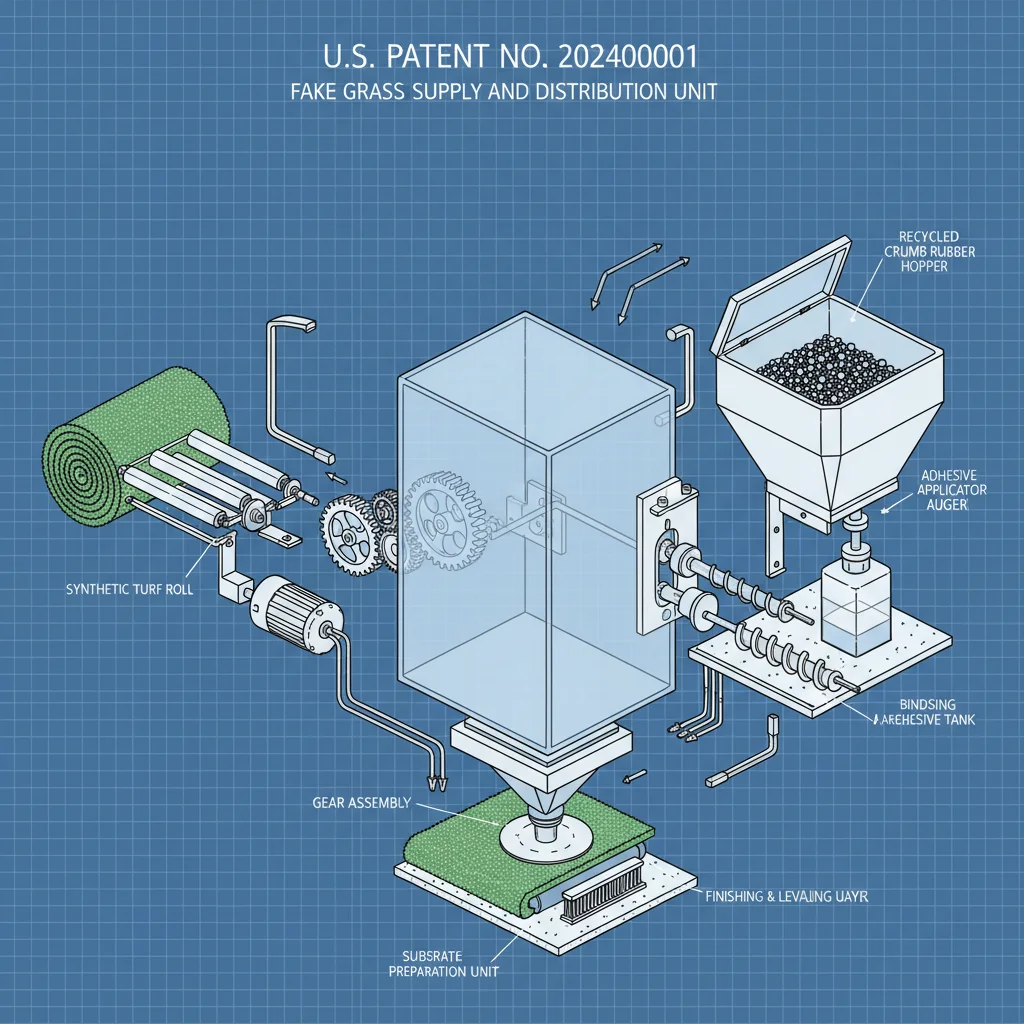
Installation costs are often a significant portion of the total artificial green grass price. These costs include site preparation, turf cutting and seaming, infill distribution, and cleanup. The complexity of the installation – factors like uneven terrain or the need for specialized equipment – can significantly impact the labor costs involved.

Global Applications and the Role of Artificial Green Grass Price

Artificial green grass, and therefore its price, is relevant across a multitude of global applications. In arid regions facing water scarcity, artificial turf offers a sustainable landscaping solution, reducing the need for irrigation and conserving valuable resources. This is particularly evident in the Middle East and parts of the southwestern United States. The relatively affordable artificial green grass price makes it a viable option.

Professional sports fields increasingly utilize artificial turf to provide a consistent playing surface, regardless of weather conditions. This is especially common in soccer, football, and rugby. The artificial green grass price for these applications is typically higher due to the need for high-performance turf that can withstand intense use.

Comparison of artificial green grass price based on Application

Advantages & The Long-Term Value Proposition of Artificial Green Grass Price

The initial artificial green grass price may be higher than natural grass, but the long-term benefits often outweigh the upfront investment. Reduced maintenance costs – no mowing, watering, fertilizing, or weeding – translate into significant savings over the lifespan of the turf. This is especially attractive for homeowners, businesses, and municipalities looking to reduce operational expenses.

Furthermore, artificial turf offers enhanced durability and resilience, particularly in high-traffic areas. It can withstand heavy use and maintain its aesthetic appeal for years, making it a cost-effective solution for both residential and commercial applications. The predictable, stable artificial green grass price over its lifespan is also a major benefit.

Future Trends and Innovation in Artificial Green Grass Price

The artificial turf industry is constantly evolving, with ongoing innovations aimed at improving performance, sustainability, and affordability. Developments in fiber technology are leading to more realistic-looking and durable turf options, potentially impacting the artificial green grass price positively. The introduction of bio-based polymers and recycled materials is further enhancing the environmental credentials of artificial turf.


Smart turf systems, incorporating features like integrated irrigation and temperature control, are emerging as a premium offering, commanding a higher artificial green grass price but providing added value in terms of comfort and convenience. Furthermore, advances in installation techniques are streamlining the process and reducing labor costs.

Challenges and Solutions Related to Artificial Green Grass Price

One of the primary challenges associated with artificial green grass price is the initial investment cost, which can be a barrier for some potential buyers. However, financing options and long-term cost savings analyses can help overcome this hurdle. Also, the perception of artificial turf being less environmentally friendly than natural grass is a concern.

Addressing this requires promoting the use of recycled materials in turf production and emphasizing the water conservation benefits of artificial turf. Proper disposal and recycling of old turf are also crucial to minimizing its environmental impact. Innovative business models, such as turf leasing, are also emerging to make artificial turf more accessible and affordable.

Another challenge is maintaining optimal temperature control, particularly in hot climates. Advances in cooling technologies and the use of reflective infill materials can help mitigate this issue and maintain a comfortable surface temperature, potentially adding to the artificial green grass price but enhancing usability.

Summary of Factors Influencing Artificial Green Grass Price

Material Type Pile Height (inches) Density (stitches/sq in) Installation Complexity
Polypropylene 0.5 60 Low (flat terrain)
Polyethylene 1.0 80 Medium (minor leveling)
Nylon 1.5 100 High (significant grading)
Polyethylene 0.75 75 Medium (some obstacles)
Polypropylene 1.25 90 Low (simple layout)
Nylon 2.0 120 High (complex design)

FAQS

What factors primarily influence the artificial green grass price?

The artificial green grass price is heavily influenced by the material used (polyethylene, polypropylene, nylon), pile height, density (stitches per square inch), and backing quality. Installation costs, including site preparation and labor, also contribute significantly to the overall expense. Choosing a higher-quality turf generally means a higher upfront cost but often translates to longer lifespan and reduced maintenance, making it a valuable investment.

How does artificial green grass price compare to maintaining a natural lawn?

While the initial artificial green grass price may be higher than establishing a natural lawn, the long-term costs are typically lower. Natural lawns require regular mowing, watering, fertilizing, and pest control, all of which incur ongoing expenses. Artificial turf eliminates these costs, offering significant savings over its lifespan. Considering a 10-year period, the total cost of ownership for artificial turf is often less than that of a natural lawn.

What is the typical lifespan of artificial green grass?

The lifespan of artificial green grass varies depending on the quality of the turf and the level of foot traffic it receives. However, most high-quality artificial turf products are designed to last for 8-15 years with proper maintenance. Regular brushing and occasional infill replenishment can help extend the lifespan of the turf. The reasonable artificial green grass price can offset the shorter lifespans.

Is artificial grass environmentally friendly?

Artificial grass can be an environmentally friendly alternative to natural lawns, particularly in areas with water scarcity. It eliminates the need for watering, fertilizing, and pesticides, reducing water consumption and chemical runoff. Many manufacturers now use recycled materials in their turf production, further enhancing its sustainability. Responsible disposal and recycling programs are crucial for minimizing the environmental impact of artificial turf at the end of its lifespan.

What is involved in the installation process and how does it affect the price?

Installation typically involves site preparation (leveling and compaction), laying the turf, seaming the edges, distributing infill, and brushing the fibers. The complexity of the installation – factors like uneven terrain or obstacles – significantly impacts the labor costs involved. Professional installation is recommended to ensure a proper and long-lasting result, and this cost is a major component of the overall artificial green grass price.

How does pile height affect the artificial green grass price and feel?

Pile height refers to the length of the grass fibers. Higher pile heights generally offer a more luxurious and realistic feel but come at a higher artificial green grass price. Lower pile heights are more durable and easier to maintain, making them suitable for high-traffic areas. Choosing the right pile height depends on the intended use of the turf and personal preferences.

Conclusion

In conclusion, artificial green grass price is a multifaceted consideration driven by material quality, installation complexity, and long-term value. While the initial investment may seem substantial, the reduced maintenance, water conservation benefits, and extended lifespan make artificial turf a compelling option for a wide range of applications. The key is to carefully assess your needs and budget to select a turf product that delivers the optimal balance of cost, performance, and sustainability.

Looking ahead, ongoing innovations in materials and installation techniques will continue to drive down the artificial green grass price and improve its overall appeal. As awareness of the environmental and economic benefits of artificial turf grows, its adoption is expected to accelerate, making it an increasingly popular choice for both residential and commercial landscapes. Visit our website at artificial green grass price to explore our range of products and find the perfect solution for your needs.
If you are interested in our products, you can choose to leave your information here, and we will be in touch with you shortly.