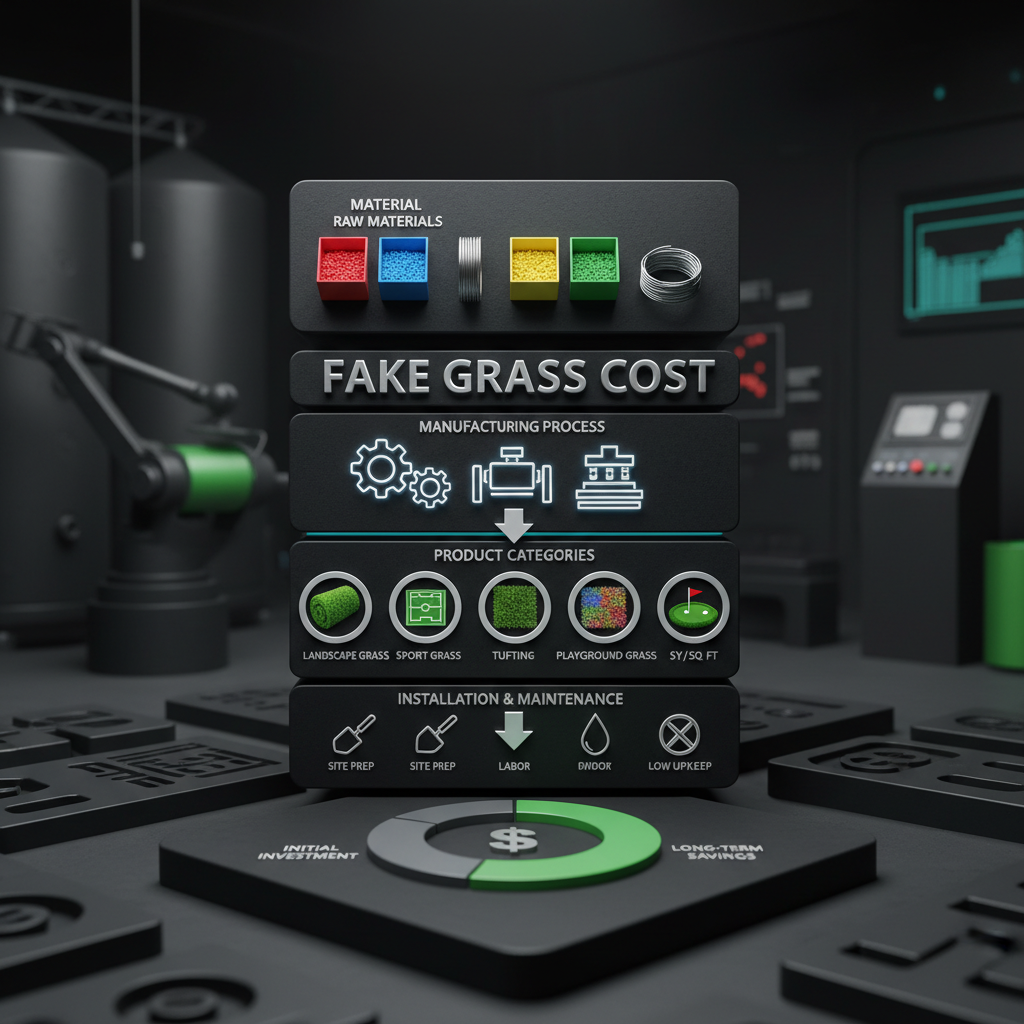
Understanding the fake grass cost is essential for homeowners, commercial developers, and sports facility managers looking to balance aesthetic appeal with long-term budget sustainability. As urbanization increases and water scarcity becomes a global concern, the shift toward synthetic turf has evolved from a luxury trend to a strategic infrastructure choice, offering a permanent green solution without the recurring expenses of traditional landscaping.
When analyzing the total investment, it is important to realize that the initial purchase price is only one part of the equation. A comprehensive view of the fake grass cost includes installation labor, base preparation, and the specific grade of materials chosen, whether it be high-traffic football grass or a soft, decorative garden variety. By understanding these variables, buyers can avoid costly mistakes and select a product that maximizes value over its entire lifecycle.
Ultimately, calculating the fake grass cost allows for a clear comparison between the upfront capital expenditure and the operational savings gained from eliminating irrigation, fertilization, and mowing. In an era where environmental efficiency meets architectural innovation, knowing how to navigate the pricing landscape ensures that you achieve a lush, evergreen look while maintaining strict financial control over your project.
Global Market Dynamics of Fake Grass Cost
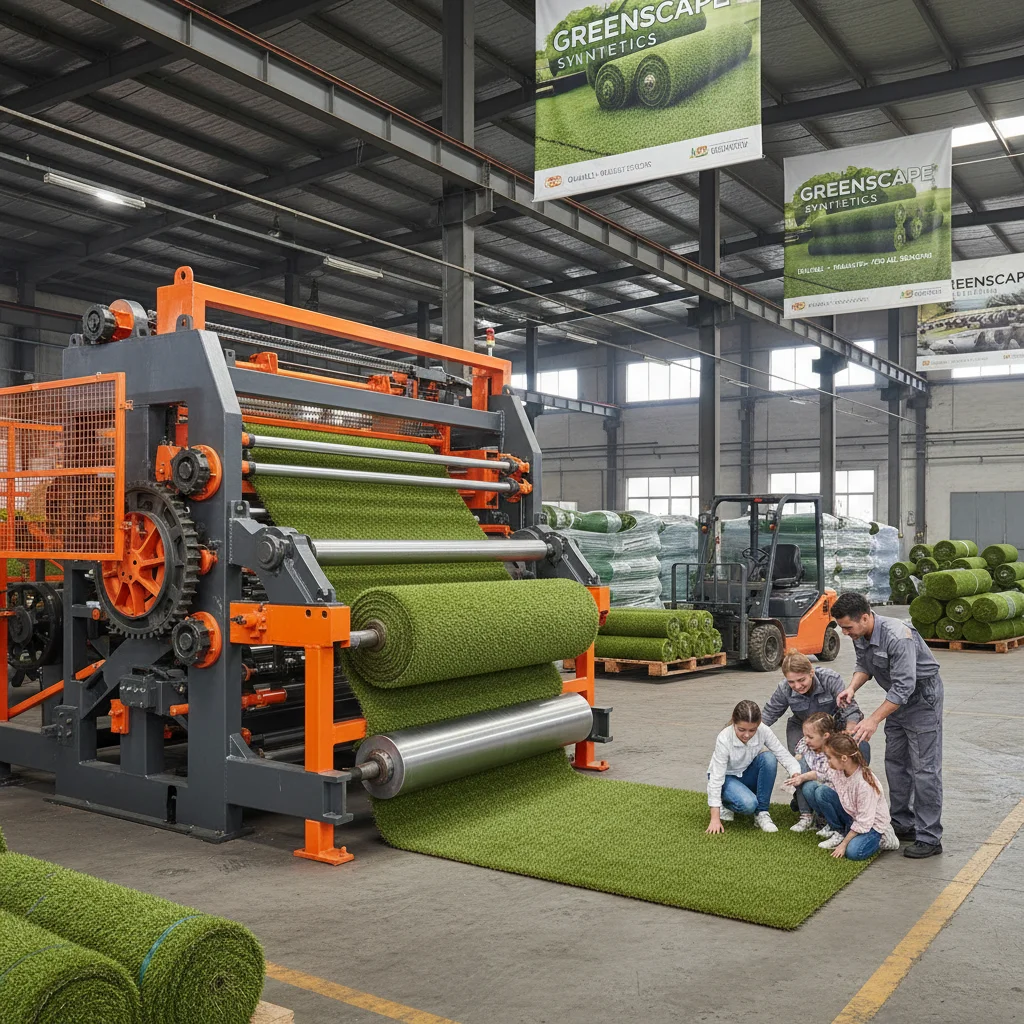
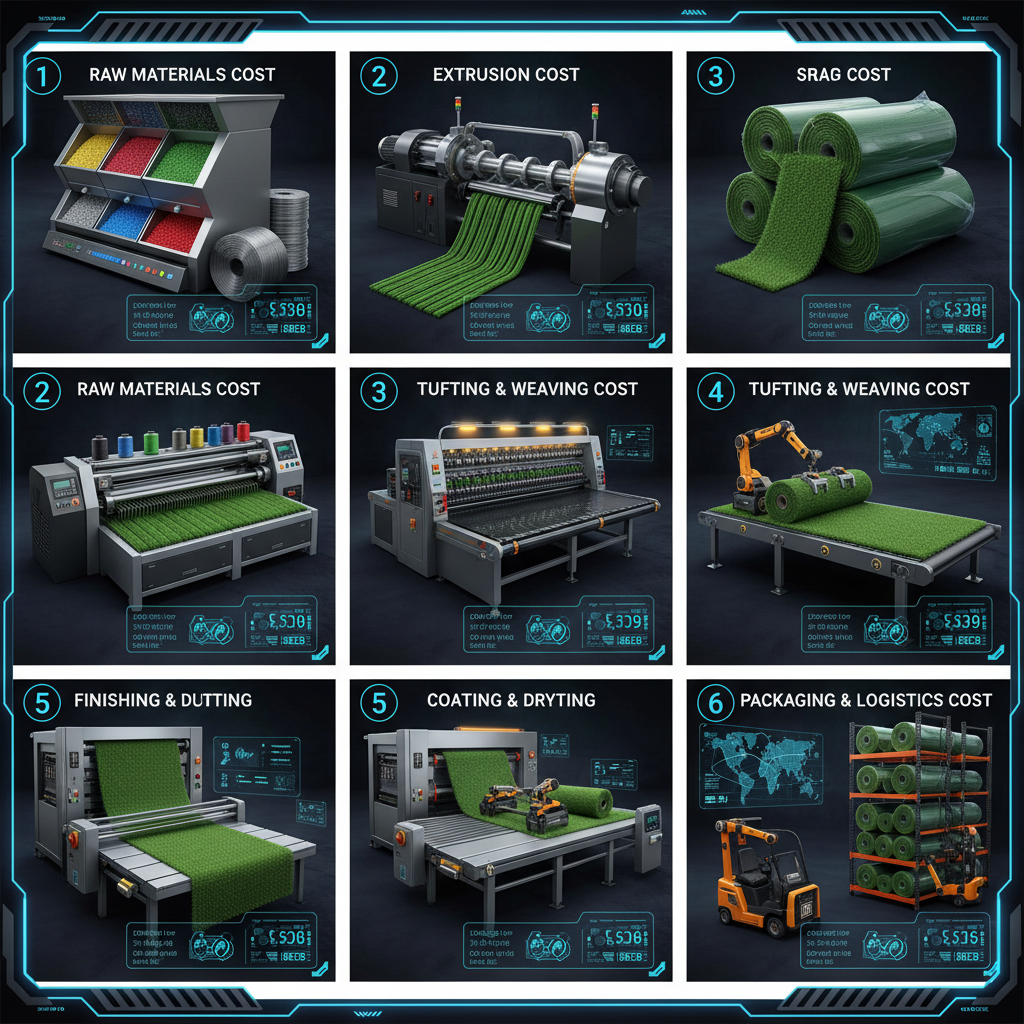
The global trajectory of the synthetic turf industry has seen a significant shift as ISO standards for polymer quality and environmental safety have become more stringent. The fake grass cost is now heavily influenced by the cost of raw petroleum-based resins and the integration of recycled materials, reflecting a broader global move toward a circular economy. As emerging markets in Asia and the Middle East adopt these solutions to combat desertification, the scale of production has helped stabilize prices, although premium specialized grasses for professional sports continue to command a higher price point.
One of the primary challenges addressed by the current pricing structure is the volatility of logistics and shipping. Because synthetic turf is heavy and voluminous, the landed fake grass cost often varies based on the proximity of the manufacturing hub to the installation site. However, the drive toward sustainability—reducing water consumption by millions of gallons annually—justifies the initial expenditure, making it a viable humanitarian and environmental strategy in drought-stricken regions.
Defining the Components of Synthetic Turf Pricing
In simple terms, the fake grass cost is the sum of the material price per square foot and the associated costs of site preparation and labor. Unlike natural sod, which has a low initial cost but high maintenance, synthetic turf is a capital-heavy investment. The material cost is determined by the pile height, gauge (the distance between rows of stitching), and the density of the fibers, which together dictate how "lush" the grass looks and feels.
From an industrial perspective, this cost is closely linked to the durability requirements of the end-use. For instance, Football Grass requires a reinforced backing and specific infill materials to withstand high-impact sports, which naturally increases the fake grass cost compared to simple decorative Artificial Carpet Grass. The engineering behind the UV stabilization—which prevents the grass from fading under harsh sunlight—is another hidden component of the price.
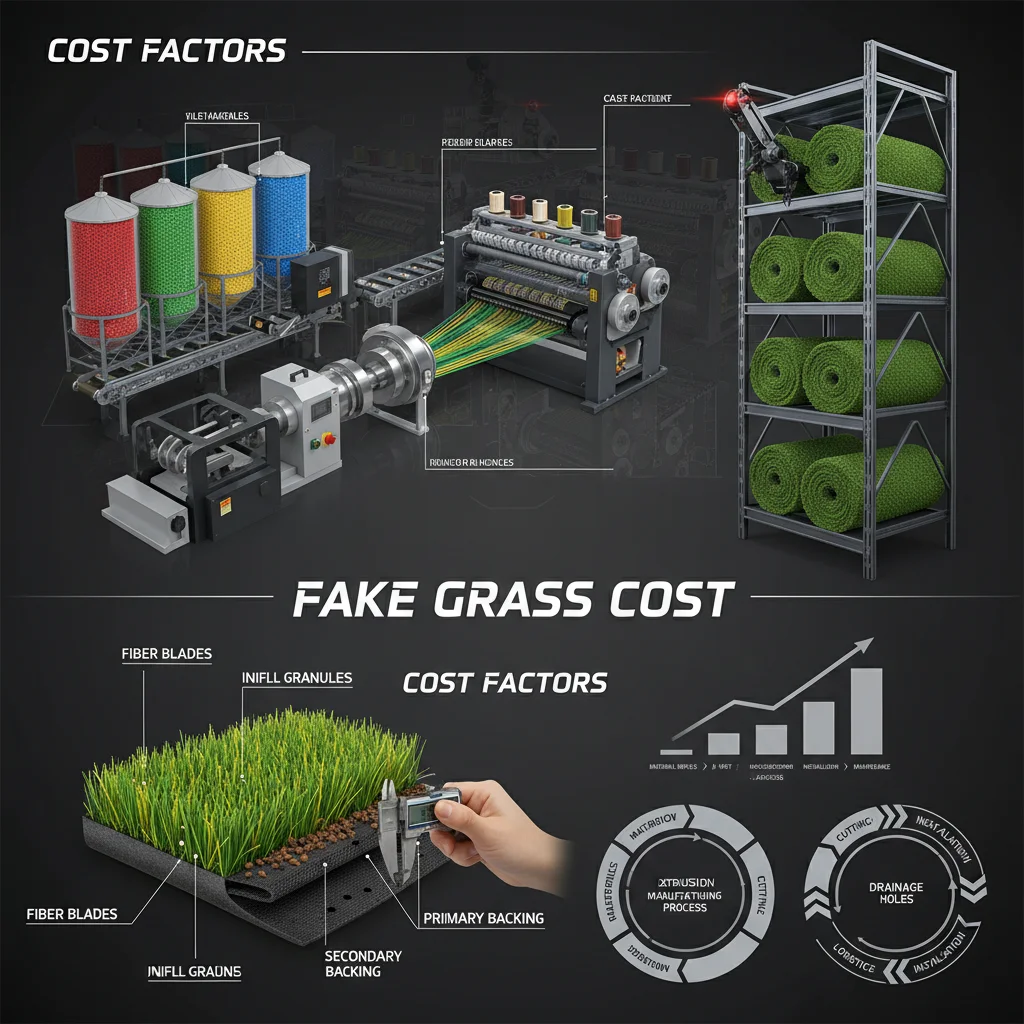
Furthermore, modern pricing now accounts for "drainage efficiency." High-end products feature perforated backings that allow water to pass through rapidly, preventing puddles and mold. While this adds to the upfront fake grass cost, it is a critical requirement for public playgrounds and commercial landscapes where safety and hygiene are paramount.
Core Factors Influencing Total Installation Costs
The first major driver of the fake grass cost is the "Pile Density and Fiber Type." High-density polyethylene (PE) or polypropylene (PP) fibers provide a more realistic look and better resilience. When the fiber count per square meter increases, the material becomes more durable and less prone to matting, which increases the price but extends the product's lifespan significantly.
Another critical element is the "Sub-base Preparation," which can often represent 30% to 50% of the total fake grass cost. Proper installation requires removing existing grass, grading the soil, and laying a compacted layer of crushed stone or sand. Without this foundation, the turf will wrinkle and drain poorly, leading to premature failure.
Lastly, "Infill Selection" plays a pivotal role in the final budget. Whether using silica sand, SBR rubber crumbs, or organic cork, the choice of infill affects both the performance and the fake grass cost. For sports surfaces, specialized infills are required to provide the correct "bounce" and shock absorption, whereas residential gardens may only require a light sand infill for stability.
Comparative Analysis of Product Categories and Pricing
Different applications demand different specifications, which leads to a wide variance in the fake grass cost across product lines. For example, Artificial Landscape Grass is designed for aesthetics and moderate foot traffic, making it a mid-range option. In contrast, Playground Grass must meet strict safety certifications for fall height and toxicity, often resulting in a higher premium due to the specialized cushioning backings used.
When comparing specialized options like Golf Grass—which requires precise pile height for ball roll—against general Garden Grass, it becomes clear that technical performance is the primary price driver. The more a product mimics a specific biological function or sports requirement, the higher the engineering cost involved.
Analysis of Fake Grass Cost by Application
Real-World Applications and Regional Cost Variations
In arid regions such as the UAE or Southwestern USA, the fake grass cost is viewed as a strategic investment to reduce municipal water reliance. In these areas, the demand for high-UV resistant turf is extreme, which can drive up the price of premium materials. Conversely, in temperate climates, consumers may opt for lower-cost options since the environmental stress on the fibers is less severe.
Beyond residential use, industrial zones and post-disaster relief operations have begun using synthetic turf for rapid-deployment flooring. In these contexts, the fake grass cost is weighed against the speed of installation and the immediate psychological benefit of providing a clean, green space for displaced populations or workers in sterile industrial environments.
Long-Term Value and ROI of Synthetic Landscapes
Evaluating the fake grass cost requires a shift from "price" to "value." While the initial outlay is higher than seeding a lawn, the Return on Investment (ROI) becomes evident within 3 to 5 years. The elimination of weekly mowing, professional fertilization, and expensive irrigation systems transforms a recurring operational expense into a one-time capital investment.
From an emotional and social angle, the value of synthetic turf lies in the reliability of the space. A football pitch that remains playable during the rainy season or a garden that stays pristine during a heatwave provides a level of consistency that natural grass cannot offer. This reliability translates into increased revenue for sports complexes and higher property values for homeowners.
Furthermore, the sustainability aspect—specifically the reduction in chemical runoff (pesticides and herbicides) into local groundwater—adds an intangible but significant ecological value. When these factors are quantified, the total fake grass cost is often lower than the cumulative cost of maintaining a biological lawn over a decade.
Future Innovations and Sustainable Pricing Trends
The future of the fake grass cost is being reshaped by "Green Chemistry." Innovations in bio-based polymers and the use of ocean-bound plastics are reducing the reliance on virgin petroleum, which may lead to more stable pricing in the long run. As automation in weaving and tufting technology increases, the labor cost of manufacturing is decreasing, allowing high-performance features to become available at lower price points.
Digital transformation is also impacting how we calculate costs. AI-driven site analysis and 3D modeling now allow for precise material measurements, reducing waste and lowering the overall fake grass cost during the installation phase. Smart-turf integration, involving heat-reflective fibers to combat the "urban heat island" effect, is the next frontier in premium product development.
As global policies shift toward mandatory water rationing, we expect a surge in demand that may temporarily spike prices, but the move toward standardized, recycled-content turf will eventually commoditize the market. This will make high-quality synthetic grass accessible to a wider demographic, further decoupling the "luxury" image from the practical utility of the product.
Analysis of Synthetic Turf Cost Factors and Longevity
| Grass Category |
Price Tier (1-10) |
Expected Lifespan |
Maintenance Level |
| Garden Grass |
5 |
8-12 Years |
Low |
| Football Grass |
10 |
5-8 Years |
Medium-High |
| Landscape Grass |
6 |
10-15 Years |
Low |
| Playground Grass |
8 |
7-10 Years |
Medium |
| Golf Grass |
9 |
8-12 Years |
Medium |
| Carpet Grass |
4 |
5-7 Years |
Very Low |
FAQS
The variance in fake grass cost usually stems from the quality of the raw polymers, the density of the stitches (gauge), and the UV-protection technology used. Premium brands use higher-grade polyethylene that resists flattening and fading over time, whereas cheaper options may use thinner fibers that degrade quickly under sunlight, leading to a higher replacement frequency.
Typically, the material cost quoted per square foot does not include installation. The total project cost will include site excavation, the application of a crushed stone or sand base, and the labor for laying and seaming the turf. Depending on your existing ground condition, installation can add significantly to the total fake grass cost.
Yes, generally. A higher fake grass cost often reflects a higher "face weight" (the weight of the fibers per square yard). Heavier, denser grass is more resilient to foot traffic and maintains its vertical shape longer. For high-use areas like football pitches or commercial walkways, investing in a higher-cost product prevents the turf from wearing down in high-traffic zones.
To optimize your budget, consider choosing a mid-range product for low-traffic areas and reserving premium turf for high-visibility or high-impact zones. Additionally, preparing the sub-base yourself (if you have the equipment) can significantly lower the professional installation fee, which is a major part of the total fake grass cost.
While minimal, there are some costs. You may need to purchase a power brush or rake to keep the fibers upright, and occasionally you may need to top up the infill sand or rubber. However, these costs are negligible compared to the monthly water and fertilizer bills associated with natural grass.
Absolutely. Most manufacturers offer tiered pricing for commercial-scale projects. Buying in bulk reduces the per-unit shipping cost and allows for wholesale pricing on the materials, significantly lowering the fake grass cost per square meter for large estates or sports complexes.
Conclusion
Navigating the complexities of fake grass cost requires a balanced understanding of material quality, installation requirements, and long-term operational savings. From the initial selection of fiber density to the critical preparation of the sub-base, every decision influences both the upfront price and the eventual lifespan of the turf. By focusing on the total cost of ownership rather than just the sticker price, users can secure a landscape that is not only visually stunning but also financially and environmentally sustainable.
As we move toward a future defined by water conservation and urban efficiency, synthetic turf stands as a pivotal solution. We recommend that buyers prioritize UV-stabilized, high-drainage products to ensure their investment lasts for a decade or more. For those ready to transform their space with a high-performance, cost-effective solution, we invite you to explore our specialized range of Artificial Carpet, Sport, and Landscape Grass. Visit our website: www.xiongyigrass.com