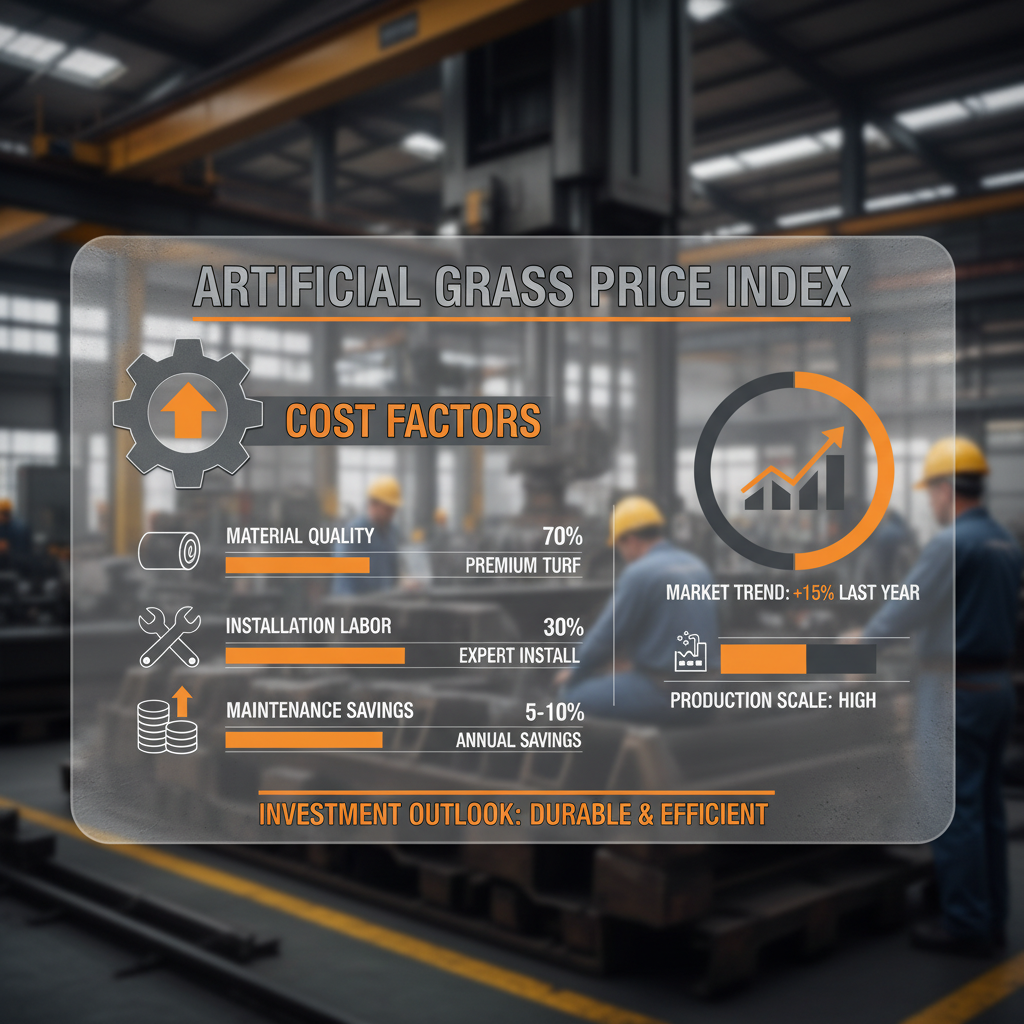
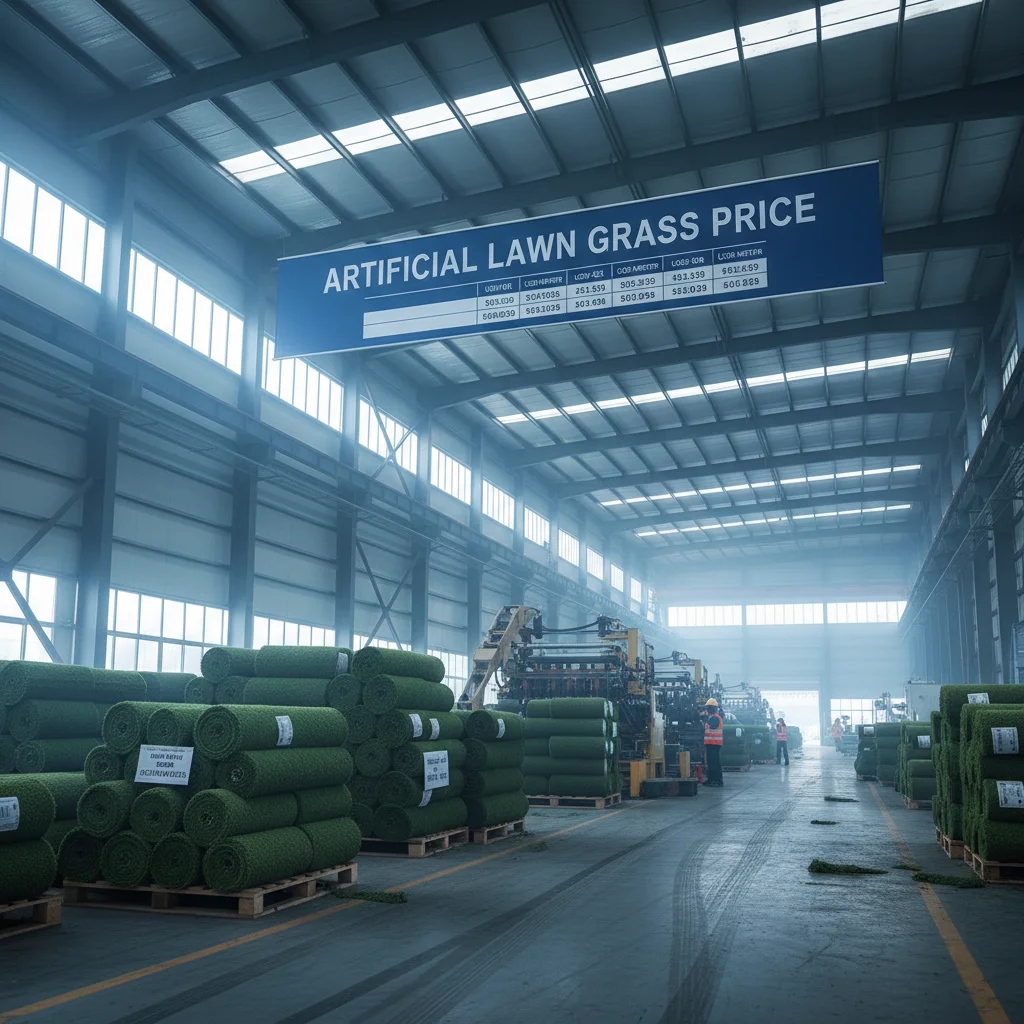
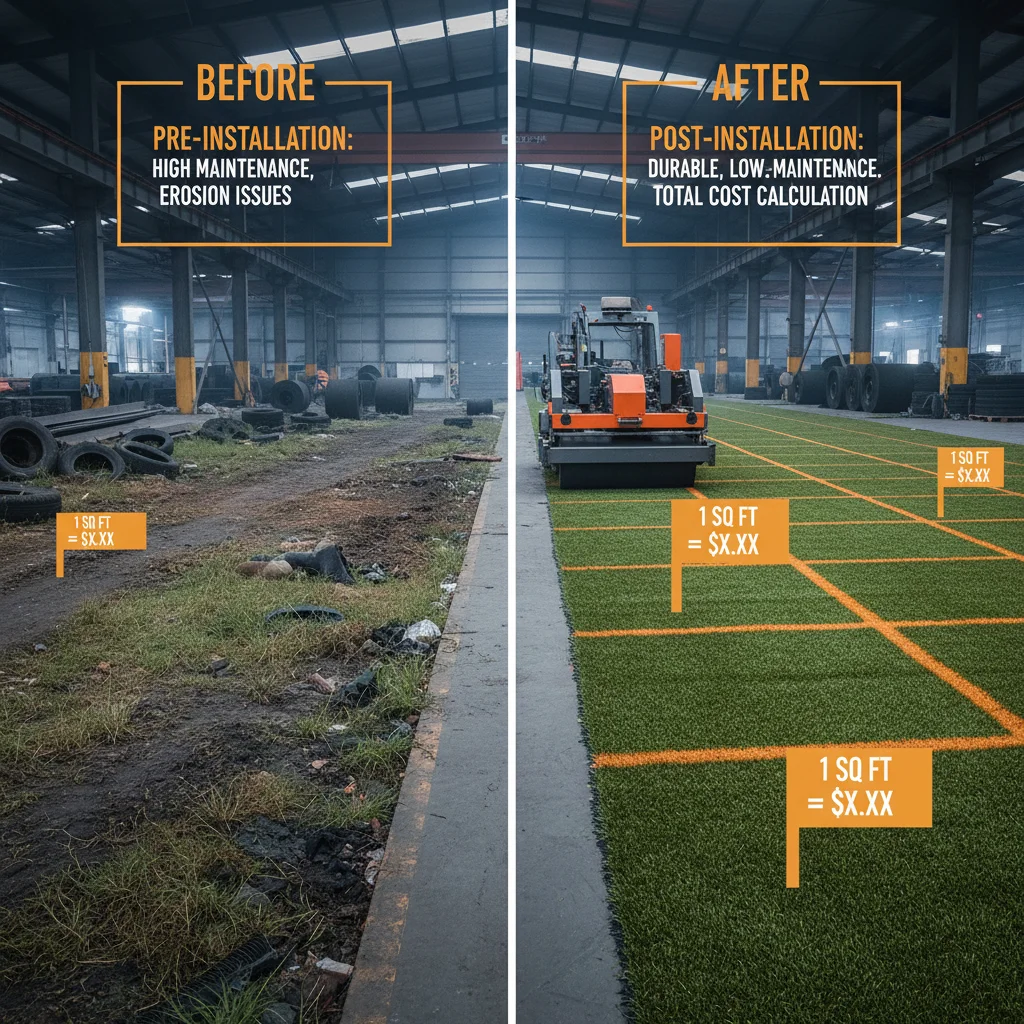
Artificial grass price is a critical consideration for a growing number of applications, from residential landscaping and sports fields to commercial spaces and increasingly, innovative solutions in disaster relief and sustainable urban development. Understanding the factors influencing this price – materials, installation, maintenance, and longevity – is key to making informed decisions. The demand for artificial turf is globally expanding, driven by water conservation efforts, the desire for low-maintenance landscapes, and the increasing performance requirements of athletic surfaces. artificial grass price
Globally, the artificial turf market is experiencing significant growth. According to recent industry reports, the market size was valued at approximately $3.3 billion in 2023 and is projected to reach $5.8 billion by 2030, exhibiting a compound annual growth rate (CAGR) of 8.5% during the forecast period. This growth is particularly pronounced in regions facing water scarcity and those prioritizing sustainable landscaping practices. The initial cost of artificial grass versus the long-term savings in water, maintenance, and replacement is becoming a compelling economic argument for adoption.
The evolution of artificial grass technology and manufacturing processes are directly impacting artificial grass price. Innovations in fiber materials, backing systems, and installation techniques are creating a wider range of options to suit different budgets and performance needs. Furthermore, the increasing focus on recycled and eco-friendly materials is contributing to a more sustainable and cost-effective landscape solution.
The Significance of Artificial Grass Price
Understanding the significance of artificial grass price extends beyond simply comparing upfront costs. It requires considering the total cost of ownership, including installation, maintenance, and lifespan. The initial investment can vary greatly depending on the quality of materials, the complexity of the installation, and geographic location. However, when factoring in the long-term savings on water bills, landscaping maintenance, and potential replacement costs, artificial turf often proves to be a financially sound choice.
Furthermore, the significance of artificial grass price is increasingly tied to sustainability concerns. As water resources become scarcer and environmental awareness grows, the demand for water-efficient landscaping solutions is rising. Artificial turf offers a viable alternative to natural grass, reducing water consumption and minimizing the need for harmful pesticides and fertilizers. This contributes to a more environmentally friendly and sustainable landscape.
Defining Artificial Grass Price
Artificial grass price refers to the total cost associated with purchasing and installing artificial turf. This encompasses the cost of the turf itself (the synthetic fibers and backing material), the infill (the material used to support the fibers and provide cushioning), the base materials (typically gravel and sand), and the labor costs for professional installation. The price is often quoted per square foot or per square meter and can fluctuate significantly based on the grade of turf selected.
It's crucial to differentiate between the raw material cost and the installed price. The material cost represents the expense of the turf itself, while the installed price includes all associated costs – preparation of the sub-base, delivery, installation, and any necessary finishing work. Obtaining quotes from multiple reputable installers is essential to ensure a fair and competitive price. artificial grass price
The complexity of the project also influences the price. Simple, flat installations will generally be less expensive than installations involving intricate designs, slopes, or the need for extensive site preparation.
Core Components Influencing Artificial Grass Price
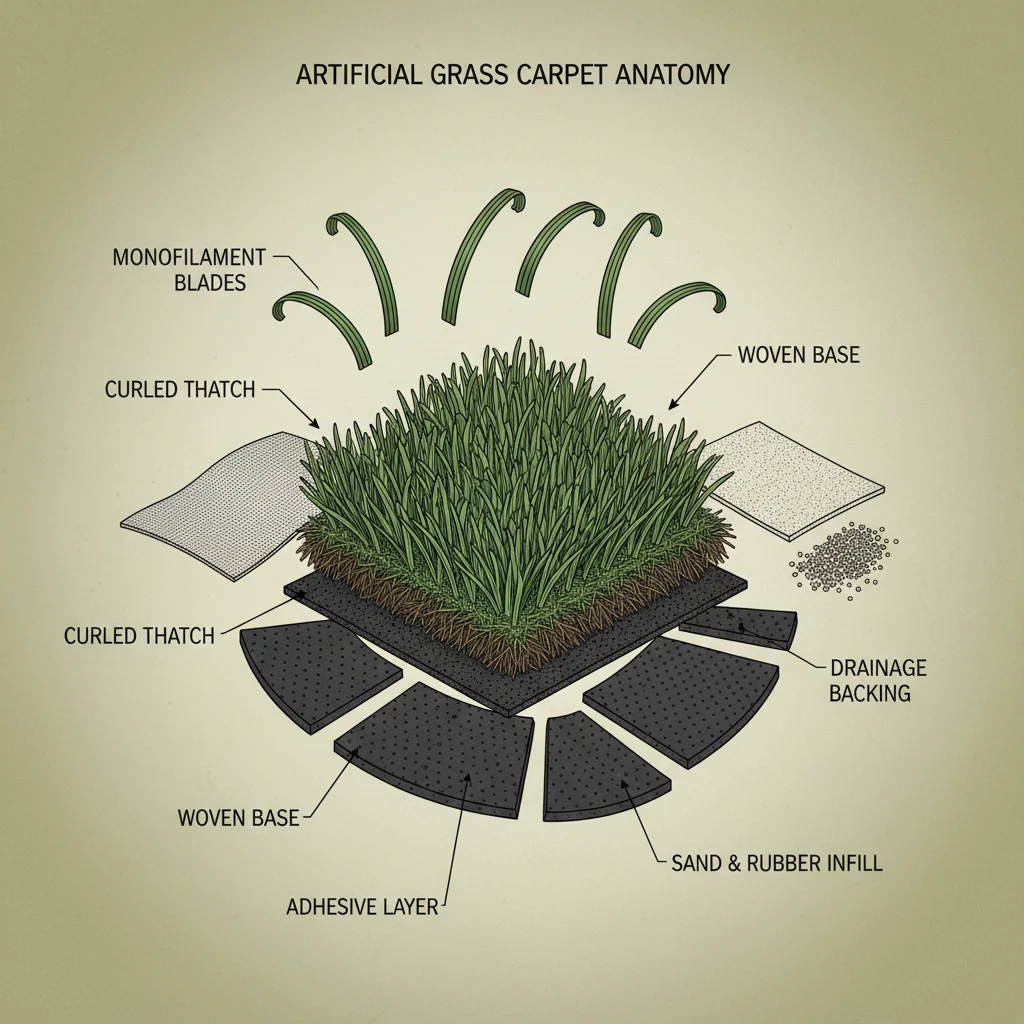
Several core components significantly influence artificial grass price. First, the fiber type – polyethylene, polypropylene, or nylon – plays a major role. Nylon is the most durable but also the most expensive, while polypropylene is the least expensive but also less resilient. Second, fiber density (the number of fibers per square inch) impacts both the feel and the price; higher density equates to a more realistic look and feel but also a higher cost.
The backing system is another critical factor. Advanced backing systems with multiple layers and enhanced drainage capabilities contribute to the turf’s longevity and performance, increasing its price. Similarly, the infill material used – silica sand, crumb rubber, or a combination of both – affects the turf’s cushioning, stability, and overall cost. Finally, installation complexity - leveling the ground, removing existing turf, and adding drainage – contributes significantly to the overall artificial grass price.
The quality of the materials used directly influences the lifespan and performance of the artificial grass, thereby affecting its long-term value. Investing in higher-quality materials often translates to reduced maintenance costs and a longer-lasting product, ultimately justifying a higher upfront price.
Practical Applications & Artificial Grass Price
The practical applications of artificial grass are diverse, and the appropriate price point varies accordingly. For residential lawns, homeowners typically seek a balance between affordability and aesthetics, opting for mid-range turf options with prices ranging from $5 to $9 per square foot installed. Sports fields (soccer, football, baseball) require high-performance turf with superior durability and shock absorption, leading to higher prices – often $8 to $15+ per square foot.
Commercial landscapes (office parks, shopping centers) prioritize low maintenance and visual appeal, with artificial grass price points generally falling between $6 and $12 per square foot. Increasingly, artificial grass is being used in rooftop gardens and urban green spaces, where weight restrictions and drainage considerations influence material selection and installation costs. artificial grass price
Artificial Grass Price Comparison by Application
Advantages & Long-Term Value of Artificial Grass Price
The advantages of artificial grass extend far beyond aesthetics, offering substantial long-term value. Reduced water consumption is a primary benefit, particularly in drought-prone regions, leading to significant cost savings on water bills. The elimination of mowing, fertilizing, and pest control further reduces maintenance expenses and labor requirements.
Despite the higher initial artificial grass price compared to natural grass seeding, the long-term cost savings can be considerable. Moreover, artificial turf offers year-round usability, providing a consistently green and inviting surface regardless of weather conditions. This is particularly appealing for homeowners, businesses, and sports facilities seeking a reliable and aesthetically pleasing outdoor space.
Future Trends & Artificial Grass Price
Several trends are poised to impact the future of artificial grass price. Innovations in bio-based and recycled materials are driving down production costs and enhancing sustainability. The development of more realistic and durable turf fibers is increasing product lifespan and reducing the need for frequent replacements. Furthermore, advancements in installation techniques – such as pre-fabricated turf panels – are streamlining the process and lowering labor costs.
The integration of smart technology is also emerging, with artificial turf systems incorporating sensors for irrigation, temperature control, and performance monitoring. These smart turf solutions enhance efficiency and provide valuable data for optimizing maintenance schedules, potentially affecting artificial grass price.
Challenges & Solutions Regarding Artificial Grass Price
Despite its advantages, artificial grass faces challenges related to price, environmental concerns, and heat retention. The initial investment can be a barrier for some consumers, particularly for large-scale installations. Concerns about the environmental impact of plastic materials and the potential for microplastic runoff are also growing.
Solutions include the development of fully recyclable turf systems, the use of bio-based materials, and the implementation of proper drainage and infill management practices to minimize environmental impact. Addressing heat retention issues through innovative fiber technologies and infill materials is also crucial. Furthermore, increased competition among manufacturers and installers can help drive down artificial grass price.
Exploring financing options and government incentives can also make artificial turf more accessible to a wider range of consumers.
Table Summarizing Key Challenges and Solutions Related to Artificial Grass Price
| Challenge |
Impact on Artificial Grass Price |
Proposed Solution |
Cost Implication of Solution |
| High Initial Cost |
Limits accessibility for some consumers |
Financing options, government incentives |
Low |
| Environmental Impact of Plastics |
Potential for negative public perception, regulation |
Recyclable turf systems, bio-based materials |
Medium to High |
| Heat Retention |
Limits usability during peak summer months |
Innovative fiber technologies, cooling infill |
Medium |
| Installation Complexity |
High labor costs, project delays |
Pre-fabricated turf panels, standardized installation processes |
Low to Medium |
| Limited Material Options |
Constrained design choices, potential for price fluctuations |
Research and development of new materials |
High |
| Microplastic Runoff |
Environmental concerns, potential for regulation |
Advanced infill materials, proper drainage systems |
Medium |
FAQS
Several factors drive artificial grass price. These include the type of fiber (polyethylene, polypropylene, nylon), fiber density, backing system quality, infill material used, and the complexity of the installation. Higher quality materials and more complex installations will naturally result in a higher price. Geographic location and installer demand also play a role.
While the initial artificial grass price is higher than establishing a natural lawn, the long-term costs are often lower. Natural lawns require ongoing expenses for mowing, watering, fertilizing, pest control, and potential reseeding. Artificial grass eliminates these costs, offering significant savings over time. The exact savings depend on local water rates and landscaping maintenance expenses.
A high-quality artificial grass installation typically lasts 8-15 years, depending on usage and maintenance. The longer lifespan translates to a lower cost per year of use, making it a financially attractive option. Proper maintenance – including brushing and occasional infill replenishment – can extend the lifespan of the turf and maximize its value.
Potential hidden costs can include site preparation (leveling the ground, removing existing turf), drainage solutions, and the cost of edging materials. It's essential to obtain a detailed quote from a reputable installer that clearly outlines all costs involved. Infill replenishment every 1-3 years is also a recurring cost to consider.
The environmental impact of artificial grass is a complex issue. While it reduces water consumption, the materials used are often plastic-based. However, increasingly, manufacturers are offering recycled and bio-based options, which can increase the artificial grass price but reduce its environmental footprint. Proper disposal and recycling programs are also essential.
To secure the best price, obtain quotes from multiple reputable installers. Compare the quotes carefully, paying attention to the materials used, the scope of work, and any warranties offered. Consider installing during the off-season (fall or winter) when demand is lower. Look for promotions and discounts offered by manufacturers and installers.
Conclusion
In conclusion, artificial grass price is a multifaceted consideration encompassing initial investment, long-term savings, environmental impact, and application-specific needs. While the upfront cost may be higher than traditional lawn options, the benefits of reduced maintenance, water conservation, and year-round usability often outweigh the initial expense. Understanding the core components influencing price – fiber type, density, backing system, and installation complexity – empowers informed decision-making.
Looking ahead, continued innovation in materials, installation techniques, and recycling technologies will further enhance the value proposition of artificial grass. As sustainability concerns grow and water resources become increasingly scarce, artificial turf is poised to play an even more significant role in landscaping and sports surface applications. For more information and a personalized quote, visit our website: www.xiongyigrass.com.