Exploring 35mm Artificial Grass Price Trends and LongTerm Benefits
  • Home
  • Top Blog
  • Exploring 35mm Artificial Grass Price Trends and LongTerm Benefits
0%

Table of Contents

Look, I’ve spent the last fifteen years knee-deep in dust and concrete, watching crews lay everything from pavers to poured-in-place rubber. When it comes to surfacing, you quickly learn what holds up and what doesn’t. Lately, the talk isn't about fancy natural turf – it’s about 35mm artificial grass price. It’s not just about cost anymore, though that's a big factor. It’s about durability, low maintenance, and frankly, getting a consistent, reliable surface for everything from playgrounds to sports fields. Understanding the 35mm artificial grass price isn’t just about getting a quote; it’s about understanding the whole life cycle cost and performance.

What I’ve seen shift in the last decade is the demand for solutions that are practical. Owners and municipalities don’t have bottomless budgets. They need surfaces that can take a beating, require minimal upkeep, and still look good for years. That’s where the 35mm artificial grass price comes in. It's become incredibly competitive, making it a viable option where real grass just wasn't feasible. We’re talking about spaces that get heavy use, spaces where water conservation is critical, and spaces where consistent playability is essential.

It's become a go-to for schoolyards, dog parks, and even residential backyards. Forget constantly mowing, watering, and fertilizing. The 35mm artificial grass price is often offset by the savings in time and resources. More importantly, it provides a safe and consistent surface, reducing the risk of injuries. From my perspective on the ground, that peace of mind is worth a lot.
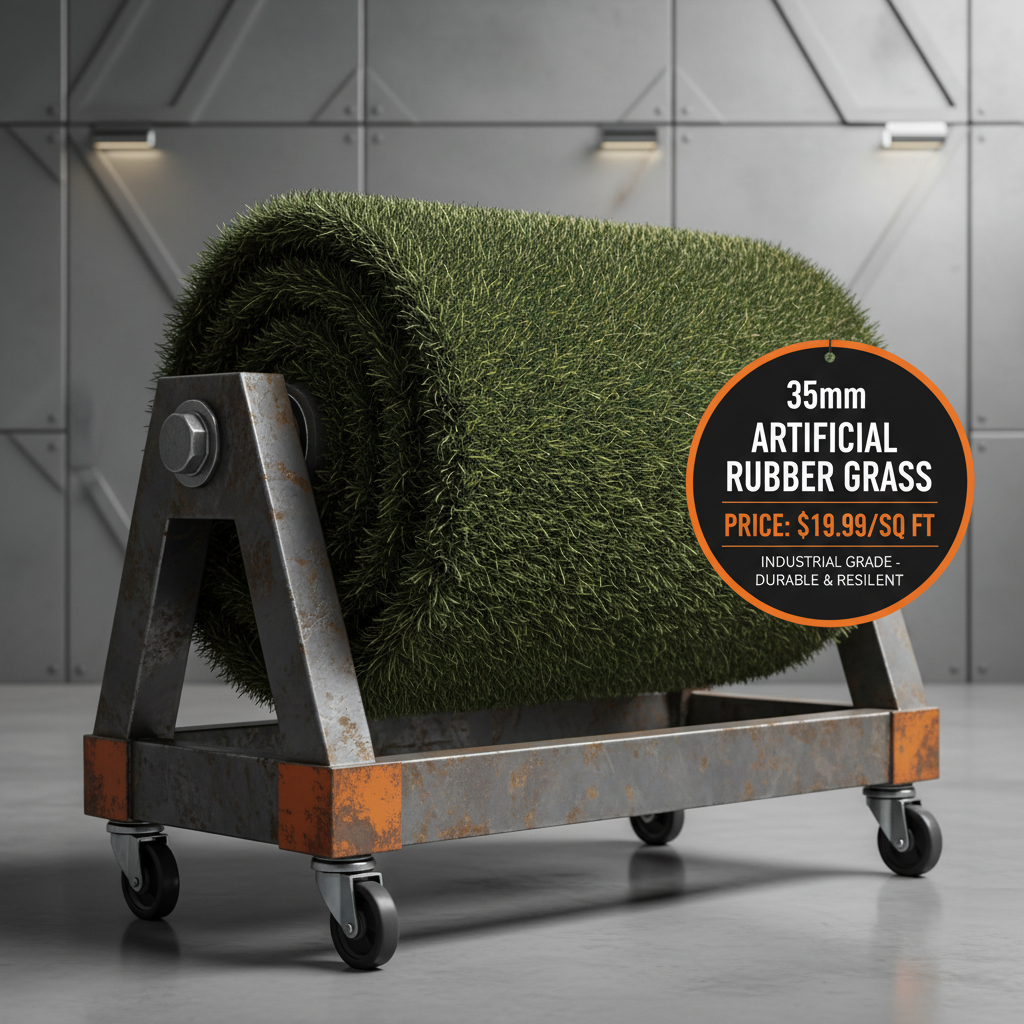
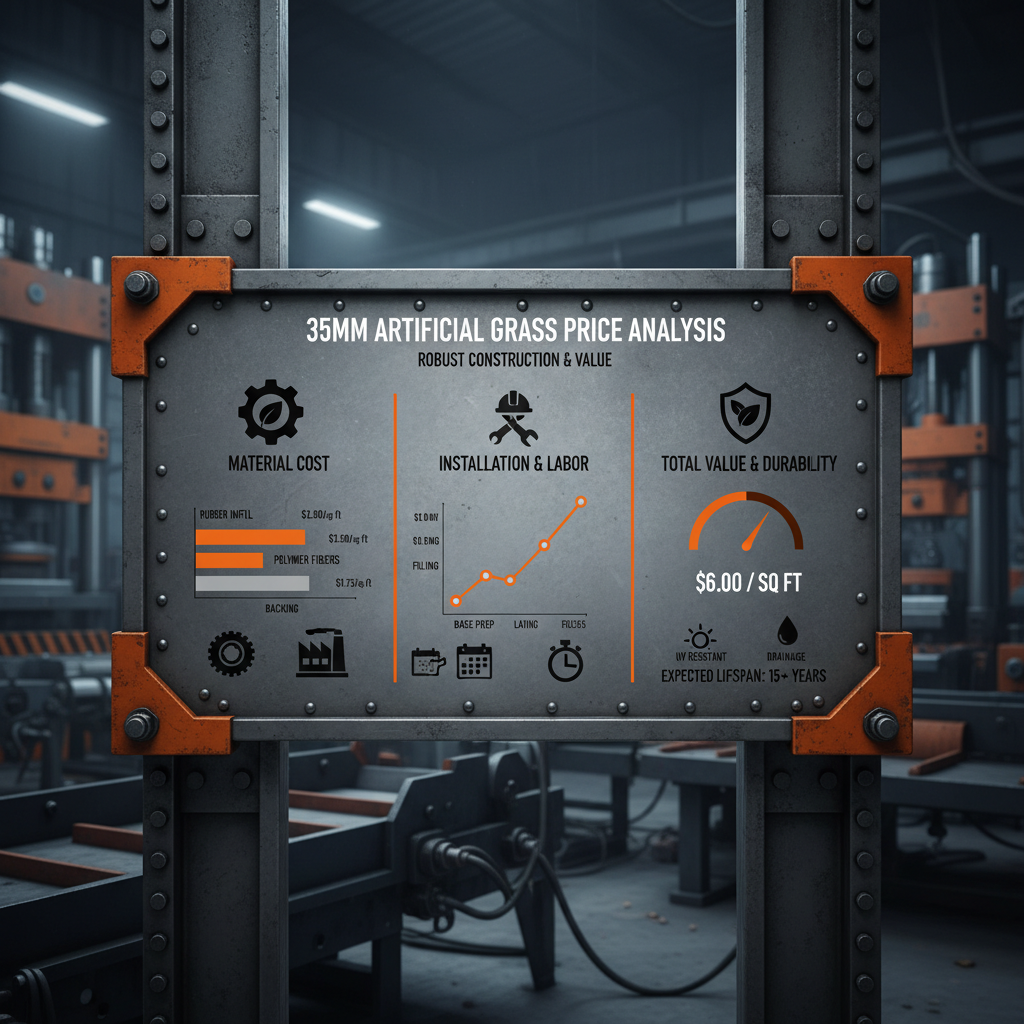
35mm artificial grass price

The Core Value of 35mm Artificial Grass Price

35mm artificial grass price

Look, I've been installing this stuff for years. The value isn’t just the price tag. It’s about what you get for that price. 35mm is a sweet spot. It's high enough to give a realistic look and feel, but not so high that it breaks the bank. We're talking about a surface that can handle heavy foot traffic, hold up to the elements, and still look good for a solid 8-10 years, maybe more with proper maintenance.

And that maintenance is key. The initial 35mm artificial grass price is one thing, but you need to factor in the long-term savings on water, fertilizer, mowing, and labor. That’s where it really starts to make sense. From a construction perspective, it also simplifies things – no more dealing with irrigation systems or constant reseeding.

Understanding the Global Market for 35mm Artificial Grass Price

The demand for artificial turf, and specifically 35mm artificial grass price products, has exploded globally. You see it everywhere – from the Middle East where water scarcity is a huge issue, to North America where municipalities are looking for cost-effective solutions for parks and recreation. The UN reports a growing demand for sustainable landscaping practices, and artificial turf fits the bill.

China is a major player in the manufacturing side of things, driving down prices and increasing availability. But that also means you need to be careful about quality control. You're seeing a lot of cheaper imports, and frankly, they don’t hold up. A higher 35mm artificial grass price often reflects better materials and manufacturing processes.

The ISO standards for artificial turf are becoming more stringent, which is a good thing. It’s forcing manufacturers to improve quality and safety. We’re seeing more emphasis on things like UV resistance, drainage, and lead content. Understanding these standards is crucial when evaluating different 35mm artificial grass price options.

Defining 35mm Artificial Grass Price: Beyond the Initial Cost

When people ask about 35mm artificial grass price, they usually just want to know the per-square-foot cost. But that’s a rookie mistake. The real price includes the cost of the materials, the installation, the base preparation, and the infill. You also need to factor in the lifespan of the turf and the cost of any necessary maintenance.

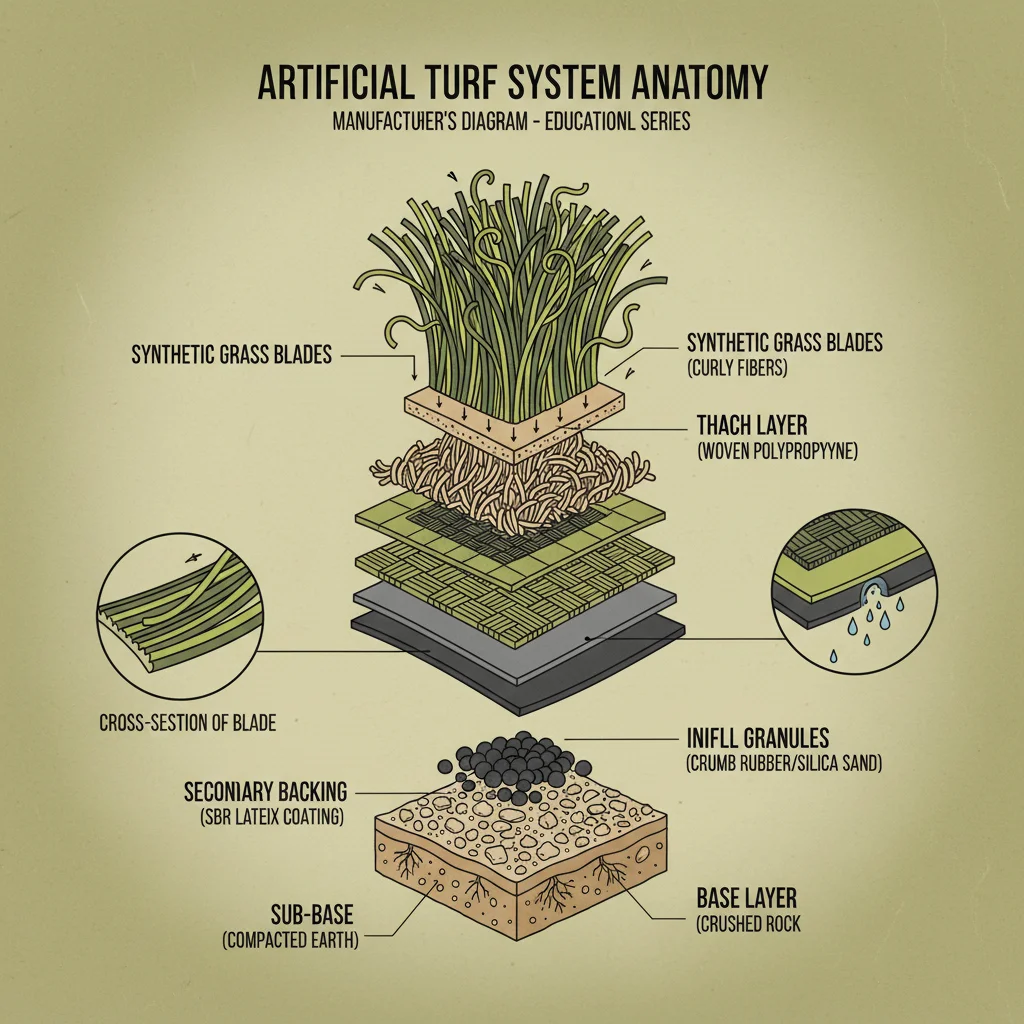
The base preparation is huge. If you don’t have a solid, well-drained base, your turf is going to fail prematurely, regardless of how much you spent on the turf itself. Proper compaction and leveling are critical. The infill – typically a mix of sand and rubber – also affects the price and performance. Higher-quality infill will provide better cushioning and drainage.

Don't skimp on installation. A professional crew will ensure proper seaming, drainage, and infill distribution. A botched installation can lead to uneven surfaces, pooling water, and premature wear. I've seen it happen too many times. Investing in a good installer is as important as choosing a good product when considering the 35mm artificial grass price.

Key Factors Influencing 35mm Artificial Grass Price

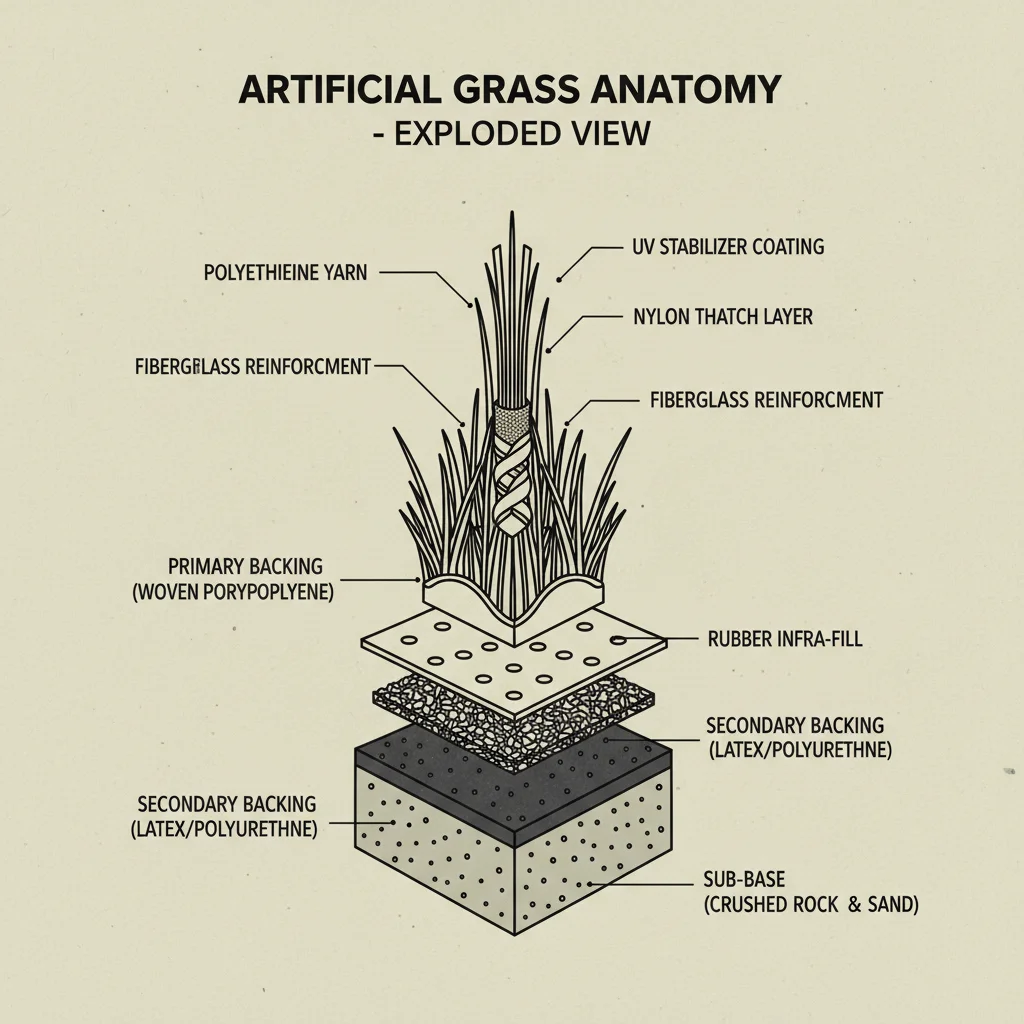
Let’s break down what actually drives the 35mm artificial grass price up or down. First, the fiber density – the more fibers per square inch, the more realistic it looks and the more durable it is, and the higher the price. The type of fiber also matters. Polyethylene (PE) is softer and more realistic, while polypropylene (PP) is more affordable.

Then there's the yarn denier – a measure of the fiber thickness. Higher denier means a more robust and durable turf. The backing material is also crucial. Woven backings are more durable than tufted backings. And finally, the amount of infill required will impact the overall cost.

35mm Artificial Grass Price Breakdown

Global Applications and Use Cases of 35mm Artificial Grass Price

We’re seeing 35mm artificial grass price solutions pop up everywhere. Schoolyards are a huge market. They provide a safe, durable, and low-maintenance play surface for kids. Dog parks are another big one – it's easy to clean and holds up well to heavy use.

Residential lawns are increasingly common, especially in drought-prone areas. Sports fields, from soccer to football, are also embracing artificial turf. It allows for more consistent playability and reduces the need for water and maintenance. In arid climates, like parts of the Middle East and California, it's becoming essential.

Advantages and Long-Term Value of 35mm Artificial Grass Price

The biggest advantage, hands down, is the reduced maintenance. No more mowing, watering, fertilizing, or dealing with weeds. That saves time and money. The long-term value is undeniable. It’s a significant investment upfront, but it pays off over time.

The safety aspect is also important. Artificial turf provides a consistent, cushioned surface, reducing the risk of injuries. And it’s environmentally friendly, reducing water consumption and eliminating the need for pesticides and herbicides. I've seen firsthand how much better it is for the environment in areas struggling with water shortages.

Plus, a well-maintained 35mm artificial grass price installation just looks good. It provides a clean, professional appearance that enhances the overall aesthetics of the property.

Future Trends and Innovations in 35mm Artificial Grass Price

We’re starting to see some really interesting innovations in the artificial turf industry. Recycled materials are becoming more common, reducing the environmental impact. There’s also a lot of research going into developing more realistic and durable fibers.

Smart turf systems are on the horizon, incorporating sensors to monitor temperature, moisture levels, and even wear and tear. This data can be used to optimize maintenance and extend the lifespan of the turf. And we’re seeing more emphasis on sustainable infill materials.

The trend towards bio-based polymers is gaining traction, offering a more environmentally friendly alternative to traditional plastics. These advancements will likely drive down the 35mm artificial grass price in the long run and make it an even more attractive option.

Overview of Key Factors Impacting 35mm Artificial Grass Price Longevity

Material Quality Installation Standards Maintenance Frequency Environmental Exposure
High-Grade Polyethylene (PE) Professional Installation with Proper Base Prep Regular Brushing and Debris Removal (Monthly) Moderate UV Exposure (Partially Shaded Area)
Standard Polypropylene (PP) DIY Installation with Minimal Base Preparation Infrequent Maintenance (Annual) High UV Exposure (Full Sun Area)
Mixed Fiber Blend (PE/PP) Semi-Professional Installation with Adequate Base Prep Occasional Brushing and Cleaning (Bi-Annually) Moderate Weather Fluctuations
Recycled Fiber Content Substandard Installation with Poor Base Preparation No Maintenance Performed Severe Weather Conditions (Extreme Heat/Cold)
High Yarn Denier (Durable) Adherence to Industry Standards (ISO Certification) Proactive Infill Replenishment (As Needed) Low Rainfall and Minimal Moisture
Low Yarn Denier (Less Durable) Incorrect Seaming Techniques Neglect of Drainage System Maintenance Constant Heavy Foot Traffic

FAQS

What is the average lifespan of 35mm artificial grass?

With proper care and maintenance, you can realistically expect a 35mm artificial grass installation to last 8-10 years, and often longer. The lifespan is heavily dependent on the quality of the materials, the quality of the installation, and the amount of traffic it receives. Regular brushing to keep the fibers upright and occasional infill replenishment are key to maximizing its longevity. The 35mm artificial grass price shouldn’t be the only deciding factor; consider long-term durability.

How does the base preparation affect the 35mm artificial grass price?

Base preparation is arguably the most important part of the installation. It accounts for a significant portion of the overall 35mm artificial grass price. A properly prepared base – typically involving excavation, leveling, compaction, and the addition of a geotextile fabric – ensures proper drainage and prevents settling. Skimping on the base will lead to problems down the road, like uneven surfaces and premature wear. It’s an investment in the long-term performance of your turf.

Is 35mm artificial grass pet-friendly?

Absolutely. 35mm artificial grass is a great option for pet owners. It's easy to clean – simply hose it down to remove waste. The good drainage prevents odors from lingering. Choose a turf specifically designed for pets, as these often have enhanced drainage and antimicrobial properties. The 35mm pile height is comfortable for pets to walk and play on. Just be sure to regularly remove solid waste to keep it hygienic.

How much infill is needed for a 35mm artificial grass installation?

The amount of infill needed depends on the specific turf product and the intended use. Generally, a 35mm artificial grass installation requires between 4-8 pounds of infill per square foot. The infill helps support the fibers, provides cushioning, and improves drainage. It's crucial to use a high-quality infill – a blend of sand and rubber is common – and to distribute it evenly. Over time, infill can compact, so replenishing it periodically is important.

What's the difference between polyethylene (PE) and polypropylene (PP) fibers in 35mm artificial grass?

Polyethylene (PE) fibers are softer and more realistic-looking than polypropylene (PP) fibers. They also offer better UV resistance and durability. However, PE fibers are generally more expensive. Polypropylene (PP) fibers are more affordable, but they are less durable and can flatten more easily. For a high-traffic area or a surface that will be exposed to a lot of sunlight, PE is the better choice, even if it means a higher 35mm artificial grass price.

How do I clean and maintain 35mm artificial grass?

Cleaning and maintenance are relatively simple. Regularly brush the fibers to keep them upright and remove debris. Remove any solid waste promptly. Periodically rinse the turf with water to remove dirt and dust. For stubborn stains, use a mild detergent and water. Avoid using harsh chemicals or abrasive cleaners. And remember to replenish the infill as needed to maintain cushioning and drainage. Proper maintenance will significantly extend the lifespan of your 35mm artificial grass.

Conclusion

Ultimately, the 35mm artificial grass price represents more than just an initial investment. It's a calculation that includes long-term savings on maintenance, increased safety, and a consistent, durable surface. From playgrounds to sports fields to residential lawns, the benefits are clear. It's a practical solution for a wide range of applications, especially in areas where water conservation and low maintenance are priorities.

Looking ahead, innovation in materials and installation techniques will continue to drive down the cost and improve the performance of artificial turf. The shift towards sustainable materials and smart turf systems will make it an even more attractive option for homeowners and municipalities alike. If you’re considering an artificial turf solution, do your research, choose a reputable installer, and don't solely focus on the upfront 35mm artificial grass price – consider the total cost of ownership. Visit our website for a free quote and expert advice.
If you are interested in our products, you can choose to leave your information here, and we will be in touch with you shortly.