Understanding Artificial Lawn Grass Price for Project Success
  • Home
  • Top Blog
  • Understanding Artificial Lawn Grass Price for Project Success
0%

Table of Contents

Artificial lawn grass price, it's something I think about every day out on site. It's not just about the upfront cost, though that's obviously a big factor. It’s about lifecycle, durability, and how it impacts the overall project budget and timeline. We're moving beyond simply wanting a 'green' look; clients are demanding low-maintenance, resilient surfaces, and frankly, the economics are often pushing us towards artificial solutions. Understanding the nuances of artificial lawn grass price is crucial for delivering projects on time and within budget, and it’s become a core skillset for anyone in my line of work.

For years, the perception was that artificial turf was a premium, almost luxury item. That's changed dramatically. Advances in materials and manufacturing have brought the price down, and the performance up. But it's a complex market. You’ve got varying pile heights, yarn materials, backing types – all influencing the price and suitability for different applications. I’ve seen projects stalled because someone went with the cheapest option only to find it flattened under foot within months. So, truly understanding artificial lawn grass price means looking at the long game.

It's not just residential lawns anymore either. We’re seeing a massive uptake in commercial applications – sports fields, playgrounds, rooftop terraces, even landscaping around large industrial complexes. Each has different requirements, impacting the type of turf needed, and therefore, the price. The demand is driven by water conservation, reduced maintenance costs, and the ability to create usable green spaces in areas where natural grass simply won't grow. Knowing how to navigate these differing needs is where a good PM can really add value.
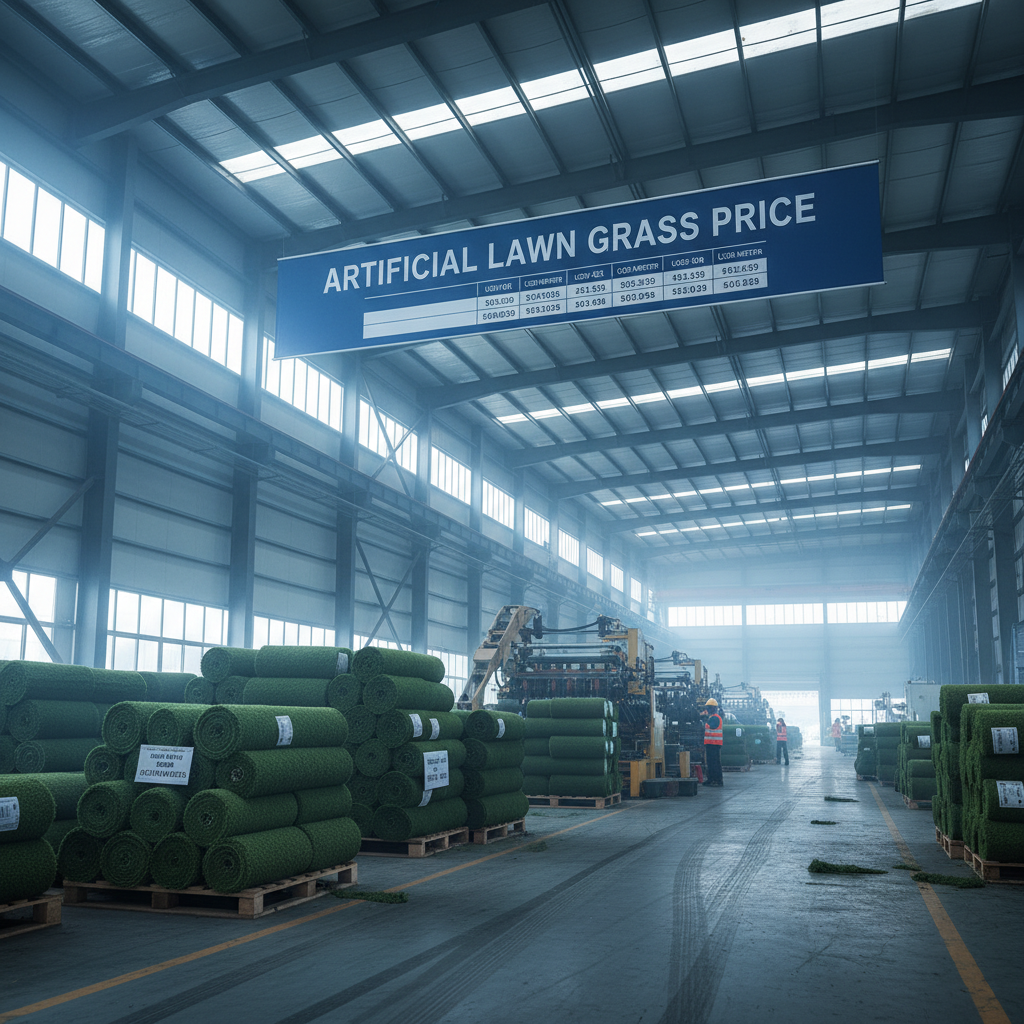
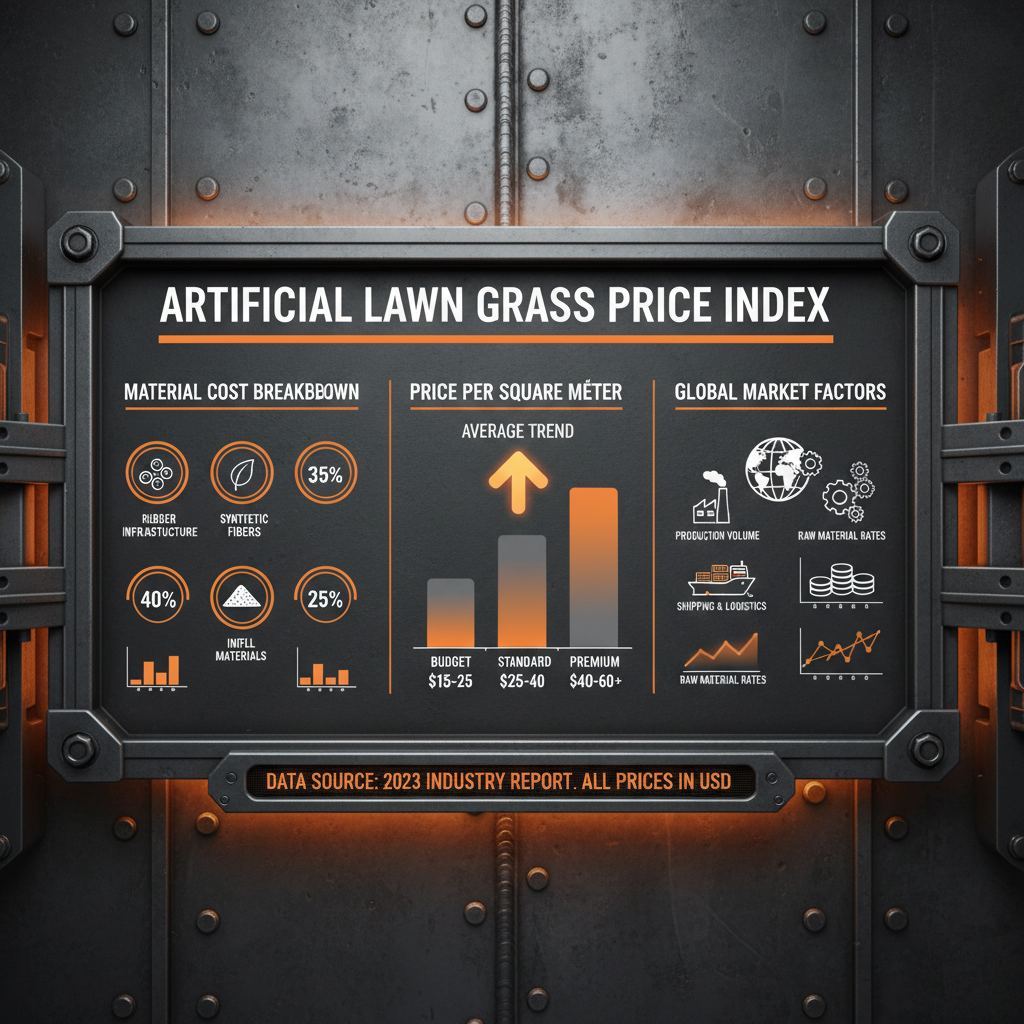
artificial lawn grass price

The Importance of Understanding Artificial Lawn Grass Price

artificial lawn grass price

Honestly, too many projects underestimate the true cost of artificial turf. It’s not just the materials themselves, but the prep work, the installation, and potential future repairs. I’ve seen budgets blown because of inadequate sub-base preparation, leading to settling and drainage issues down the line. A solid understanding of artificial lawn grass price allows us to factor in all these variables upfront, preventing costly surprises.

It's also about managing client expectations. They see a low per-square-foot price and assume it’s a straightforward install. We need to educate them about the layers involved, the importance of proper drainage, and the potential for variations based on site conditions. Being able to explain the different price points based on quality and longevity is key to building trust and delivering a successful project.

Defining Artificial Lawn Grass Price

Artificial lawn grass price isn’t a single number. It’s a range, influenced by a dozen different factors. At its core, it represents the total cost of acquiring and installing an artificial turf surface, typically expressed in dollars per square foot. But that's a simplification. It needs to account for material costs, labor, site preparation, and any associated accessories like infill or perimeter edging.

The price also reflects the quality and durability of the turf itself. Cheaper options might look good initially, but they’ll degrade much faster, requiring replacement sooner. Higher-quality turfs, made with more resilient fibers and robust backing, will have a higher upfront cost, but offer a much better return on investment over the long term. I’ve seen the difference firsthand – the cheap stuff looks flattened and tired within a year, while the good stuff holds up beautifully for a decade or more.

Increasingly, artificial lawn grass price is tied to sustainability considerations. Recycled content in the backing and fibers can influence the price, as can the availability of responsible disposal options at the end of the turf’s lifespan. Clients are starting to ask these questions, and we need to be prepared to answer them accurately.

Core Components Influencing Cost

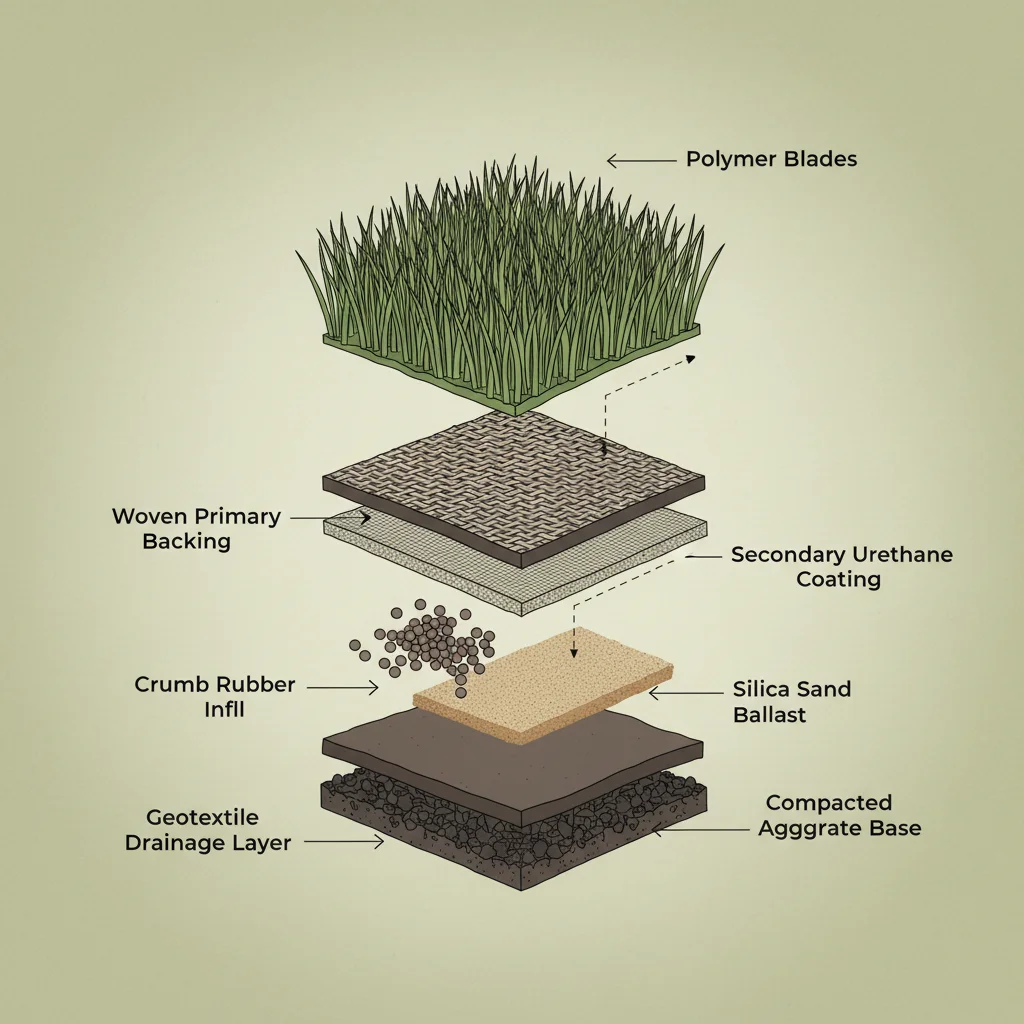
First, you’ve got the turf itself – the fiber material (polyethylene, polypropylene, or nylon), the pile height (which affects the feel and appearance), and the density of the fibers. Then there’s the backing, which provides stability and drainage. The quality of the backing is a huge indicator of durability. Finally, the infill – usually a mixture of sand and rubber – impacts the cushioning and support. Each of these elements contributes significantly to the overall artificial lawn grass price.

Labor costs are also a major factor. Proper installation requires skilled technicians who can ensure a level sub-base, accurate seaming, and adequate drainage. Cutting corners on labor will almost always lead to problems later on. And don't forget site preparation! Removing existing turf, grading the land, and installing a proper base layer can add significantly to the overall cost, and it's a step you absolutely cannot skip.

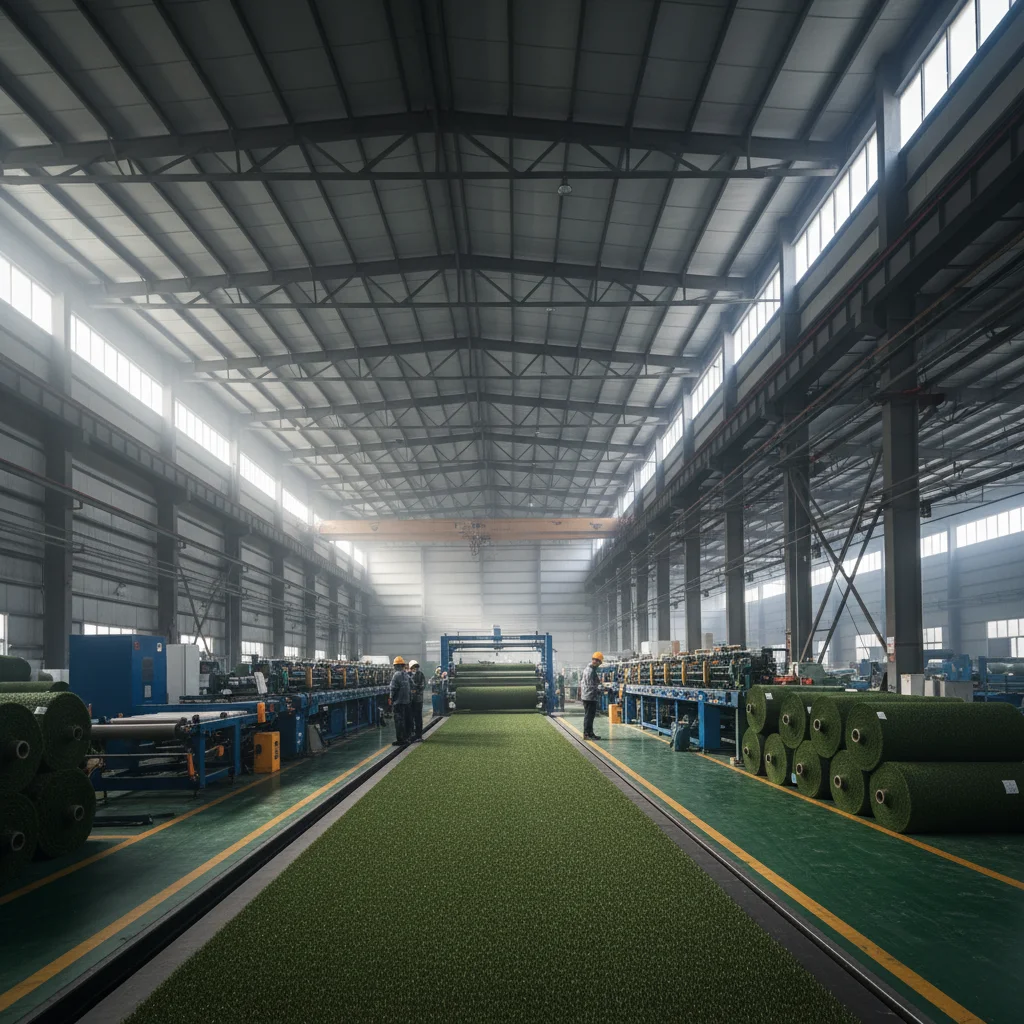
Transportation costs can also be surprisingly significant, especially for large projects. Turf is bulky, and shipping can add a substantial premium, particularly if you’re working in a remote location. That’s why sourcing materials locally, when possible, is always a good strategy to optimize artificial lawn grass price.

Global Applications and Price Variations

We’re seeing artificial turf installed everywhere. Sports fields are a huge market, with prices varying significantly depending on the level of play and the required performance characteristics. High-performance sports turf, designed for professional athletes, will obviously command a higher artificial lawn grass price than a basic recreational surface.

Residential landscaping is also booming, particularly in regions with water restrictions. In California, for example, the demand for artificial turf has skyrocketed as homeowners look for ways to conserve water. This increased demand has driven up prices somewhat, but the long-term savings on water bills often outweigh the initial investment.

Artificial Lawn Grass Price Comparison by Application

Advantages and Long-Term Value of Optimized Pricing

Getting the artificial lawn grass price right isn’t just about saving money upfront; it’s about maximizing long-term value. A well-chosen turf will require less maintenance – no mowing, watering, or fertilizing. That translates to significant cost savings over the life of the product.

Plus, you’re contributing to water conservation, reducing your environmental impact. And, let’s be honest, a well-maintained artificial lawn simply looks better than a patchy, neglected natural lawn. All of these factors add up to a positive return on investment, and it’s something we emphasize when presenting options to clients.

Future Trends in Artificial Lawn Grass Price

I'm seeing a lot of innovation in materials right now. Companies are developing turfs made from recycled plastics, which is helping to reduce both the cost and the environmental impact. We’re also seeing advancements in fiber technology, with more durable and realistic-looking options coming onto the market.

I think we'll also see more sophisticated installation techniques, using automated machinery to improve efficiency and reduce labor costs. And as demand continues to grow, economies of scale will likely drive down the overall artificial lawn grass price, making it even more accessible to a wider range of customers.

Challenges and Solutions in Managing Costs

One of the biggest challenges is navigating the fluctuating cost of raw materials, particularly polyethylene and polypropylene. Supply chain disruptions can also drive up prices and delay projects. To mitigate these risks, we try to build strong relationships with multiple suppliers and lock in pricing whenever possible.

Another challenge is dealing with hidden costs, like unexpected site preparation issues. Thorough site assessments are crucial to identify potential problems upfront and factor them into the budget. And finally, educating clients about the importance of investing in quality materials and skilled labor is essential to avoid costly rework down the line.

The key is transparency and proactive communication. I always make sure my clients understand all the costs involved, and I'm upfront about any potential challenges. That builds trust and ensures a smoother project overall.

A Comparison of Factors Influencing Long-Term Artificial Turf Cost

Turf Quality Level Initial Installation Cost Maintenance Costs (5 Years) Expected Lifespan (Years)
Budget $3 - $5/sq ft $500 - $1000 5-7
Standard $5 - $8/sq ft $200 - $500 8-12
Premium $8 - $12/sq ft $100 - $300 12-15
High-Performance Sports $10 - $15/sq ft $0 - $200 15+
Eco-Friendly (Recycled) $7 - $10/sq ft $250 - $400 10-14
Commercial Grade $6 - $11/sq ft $300 - $600 10-15

FAQS

What factors contribute most to the overall cost of artificial turf installation?

Several factors heavily influence the final cost. Site preparation – leveling, removing existing turf, and ensuring proper drainage – is a big one. The type of turf you choose (fiber material, pile height, density) also makes a significant difference, as does the infill material. Finally, labor costs vary depending on the complexity of the installation and the location of the project.

How does the infill material affect the price of artificial grass?

Infill material, typically a mixture of sand and rubber, plays a crucial role. Higher-quality infill, like TPE (thermoplastic elastomer), offers better cushioning, support, and temperature regulation, but it's more expensive than traditional crumb rubber. The amount of infill required also impacts the price. It's a balance between performance and budget.

What’s the typical lifespan of artificial grass, and how does that affect its overall value?

The lifespan of artificial grass varies depending on its quality and usage. Budget-friendly options may last 5-7 years, while premium turfs can last 12-15 years or even longer. Considering the long-term savings on maintenance (no mowing, watering, or fertilizing), a higher-quality turf with a longer lifespan often provides a better return on investment.

Are there any hidden costs I should be aware of when installing artificial turf?

Yes, site preparation is often underestimated. Removing existing vegetation, grading the land, and installing a proper sub-base can add significantly to the cost. Also, factor in the cost of perimeter edging, which helps contain the infill and gives the turf a clean, finished look. Proper drainage is another potential hidden cost if your site has drainage issues.

How does artificial lawn grass price compare to maintaining a natural lawn over the same period?

Over a 10-year period, artificial turf generally becomes more cost-effective than maintaining a natural lawn, especially in regions with water restrictions. The savings on water bills, mowing, fertilizing, and other maintenance tasks can easily offset the initial investment. However, it's important to consider the initial installation cost when making the comparison.

Is artificial grass environmentally friendly, considering the materials used and its eventual disposal?

The environmental impact is a complex issue. While artificial turf eliminates the need for water and chemicals, the manufacturing process and eventual disposal can pose challenges. However, many manufacturers are now using recycled materials in their products and developing more sustainable disposal options. Choosing a turf made from recycled materials can help minimize its environmental footprint.

Conclusion

Understanding artificial lawn grass price isn’t just about finding the cheapest option; it’s about making informed decisions based on long-term value, durability, and specific application needs. As a PM, my job is to weigh all these factors, present clients with realistic options, and ensure that projects are delivered on time and within budget. The market is evolving rapidly, with new materials and installation techniques constantly emerging, and staying ahead of the curve is crucial.

Looking ahead, I expect to see continued innovation in sustainable materials and more efficient installation methods. As demand grows, prices will likely become more competitive, making artificial turf an even more attractive option for a wider range of projects. For anyone involved in landscaping or construction, mastering the intricacies of artificial lawn grass price is becoming an indispensable skill. For more information and to discuss your project needs, visit our website: artificial lawn grass price.
If you are interested in our products, you can choose to leave your information here, and we will be in touch with you shortly.