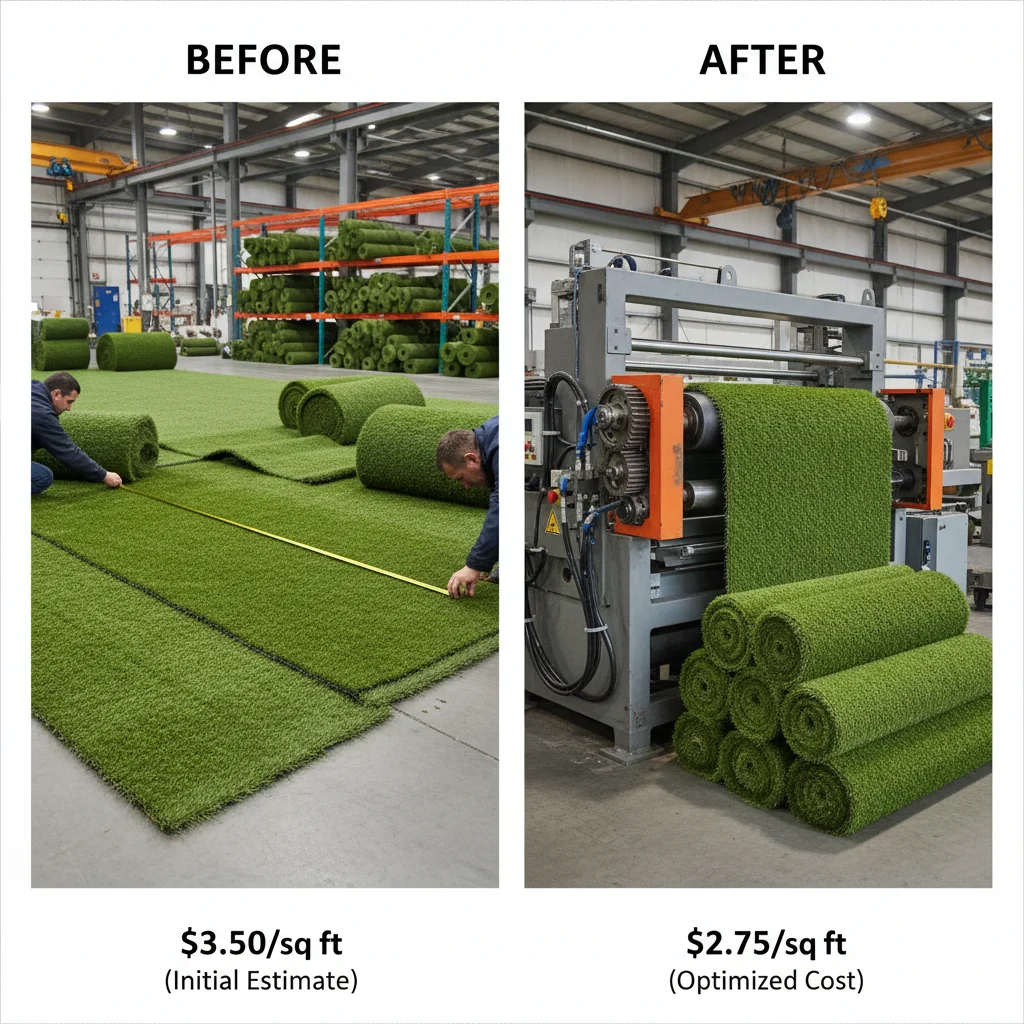
Understanding the artificial lawn cost is essential for homeowners and commercial developers alike who seek a balance between aesthetic appeal and long-term financial viability. As urban spaces become more condensed and water scarcity becomes a global concern, synthetic turf offers a sustainable alternative to traditional grass, provided the initial investment is strategically planned.
The global shift toward sustainable landscaping has highlighted that the total artificial lawn cost extends far beyond the price per square foot. It involves a complex interplay of material grade, base preparation, and installation labor, which collectively determine the lifespan and performance of the turf in diverse climates.
By analyzing the various components that influence the artificial lawn cost, stakeholders can make informed decisions that minimize maintenance overhead and maximize property value. This guide provides a comprehensive breakdown of how to navigate pricing variables to achieve a high-quality, evergreen landscape without overspending.
Global Industry Context of Artificial Lawn Cost
On a global scale, the artificial lawn cost is increasingly viewed through the lens of environmental sustainability and resource management. With the World Bank and various ISO standards emphasizing the reduction of water waste in arid regions, synthetic grass has transitioned from a luxury item to a strategic infrastructure choice for urban planning and sports facility management.
The industry faces the challenge of balancing affordability with ecological responsibility. While the initial artificial lawn cost may be higher than sowing natural seed, the elimination of irrigation, chemical fertilizers, and constant mowing creates a compelling economic argument for municipal governments and large-scale commercial enterprises worldwide.
Defining Artificial Lawn Cost in Modern Landscaping
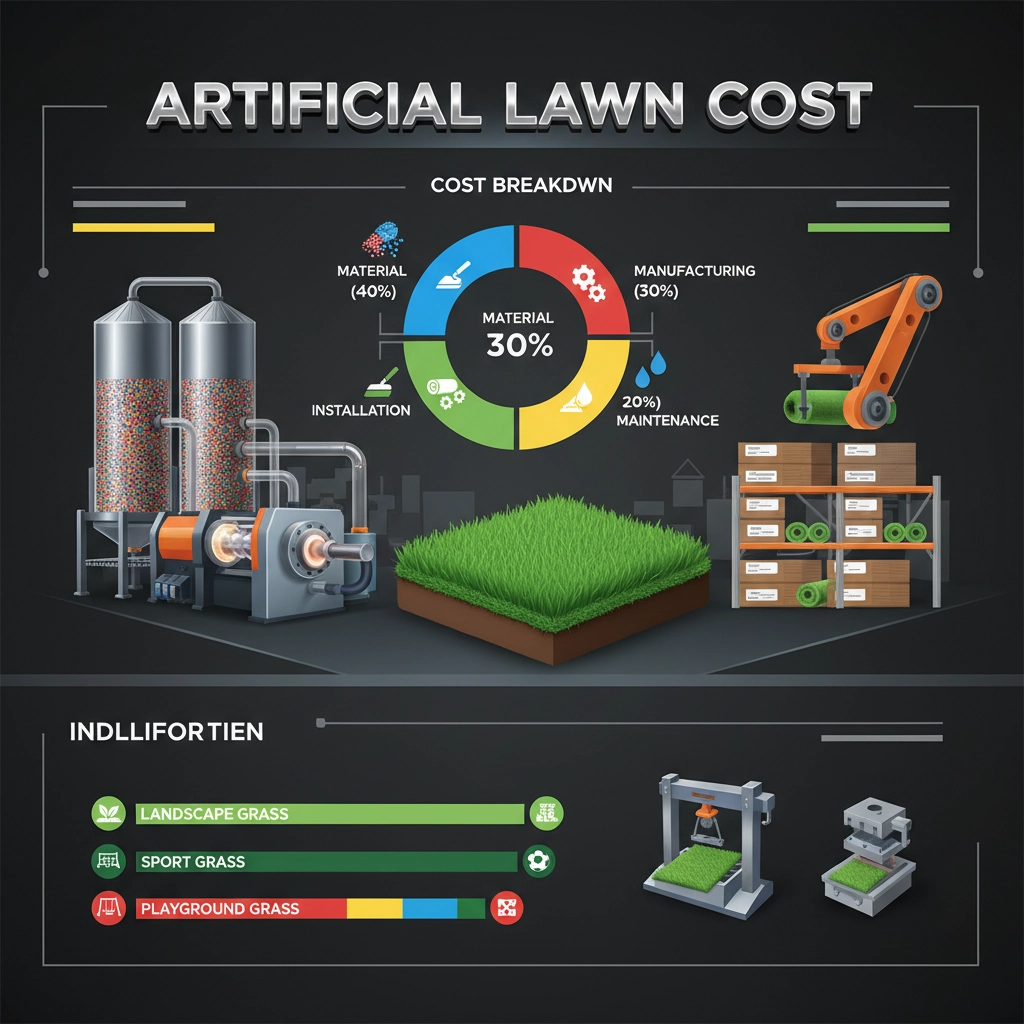
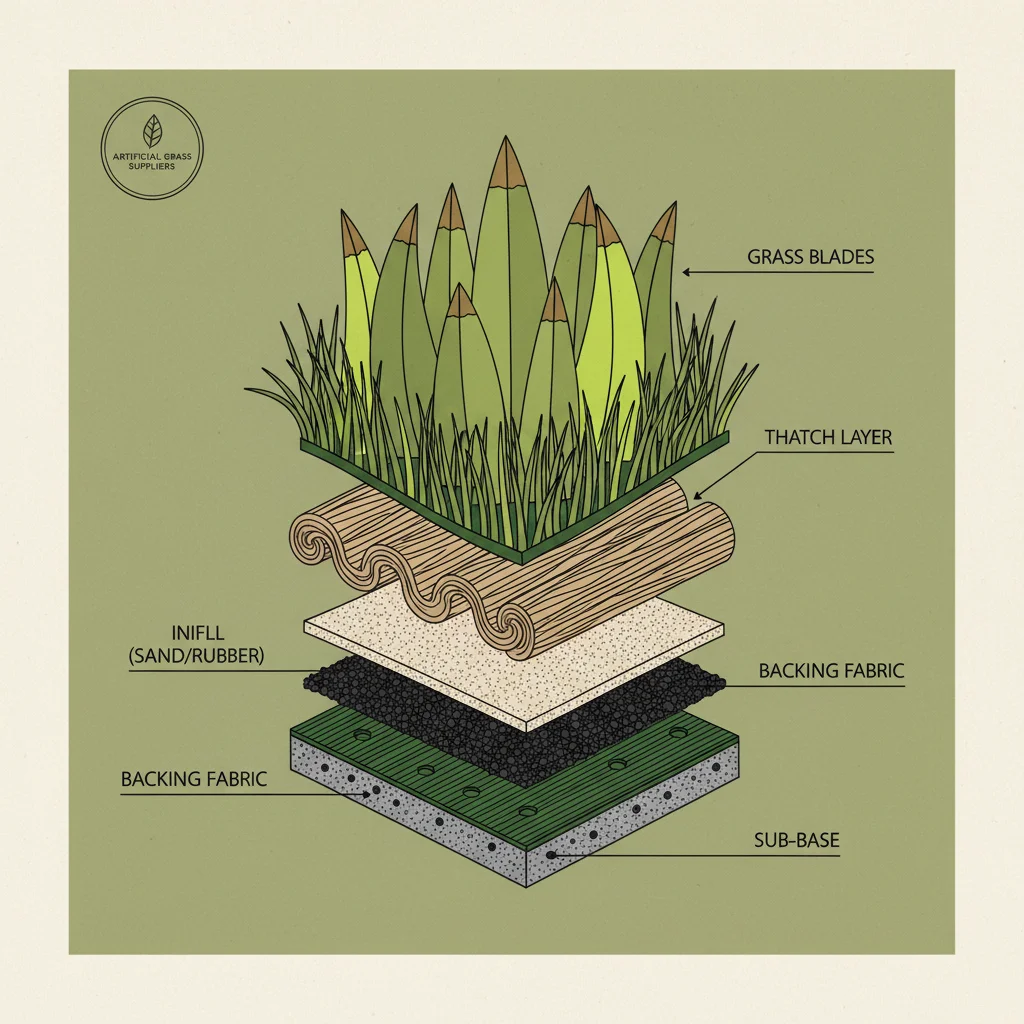
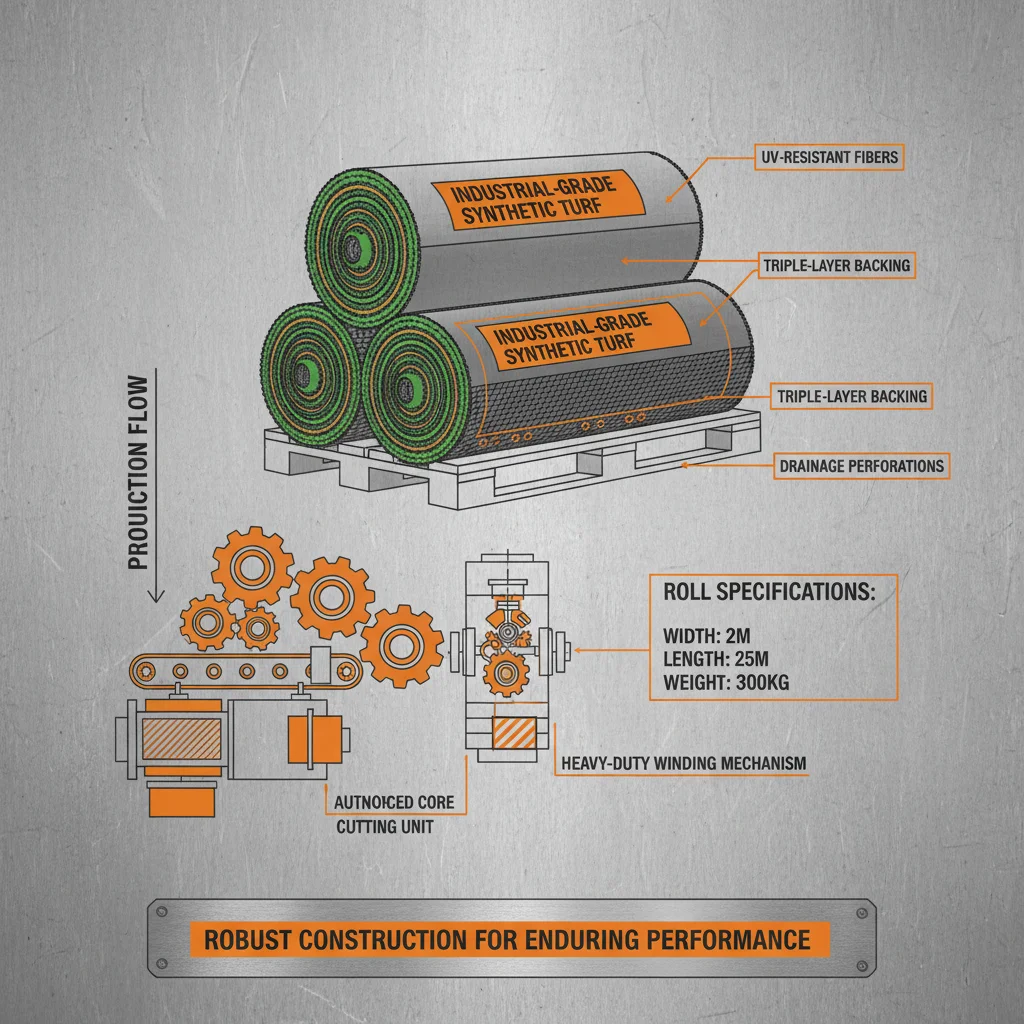
In simple terms, the artificial lawn cost is the sum of all expenditures required to transform a raw piece of land into a finished synthetic green space. This includes the procurement of the turf (the "carpet"), the necessary underlayment or shock pads, the crushed stone or sand base for drainage, and the professional labor required for precise cutting and seaming.
Connecting this to modern industry needs, the cost is no longer just about "buying a product" but about investing in a long-term land-use solution. For humanitarian projects or rapid urban development, understanding these costs allows for the creation of safe, hygienic, and durable communal spaces where natural grass cannot survive due to soil toxicity or extreme weather.
Therefore, when we discuss artificial lawn cost, we are actually discussing a lifecycle investment. The goal is to minimize the "total cost of ownership" over 10 to 20 years, rather than simply searching for the cheapest upfront material price.
Key Factors Influencing Artificial Lawn Cost
The first major driver of the artificial lawn cost is the pile height and density of the fibers. High-end products, such as professional football grass or luxury landscape grass, utilize a higher stitch rate and denser tufting to provide a more realistic feel and better resilience, which naturally increases the price per square meter.
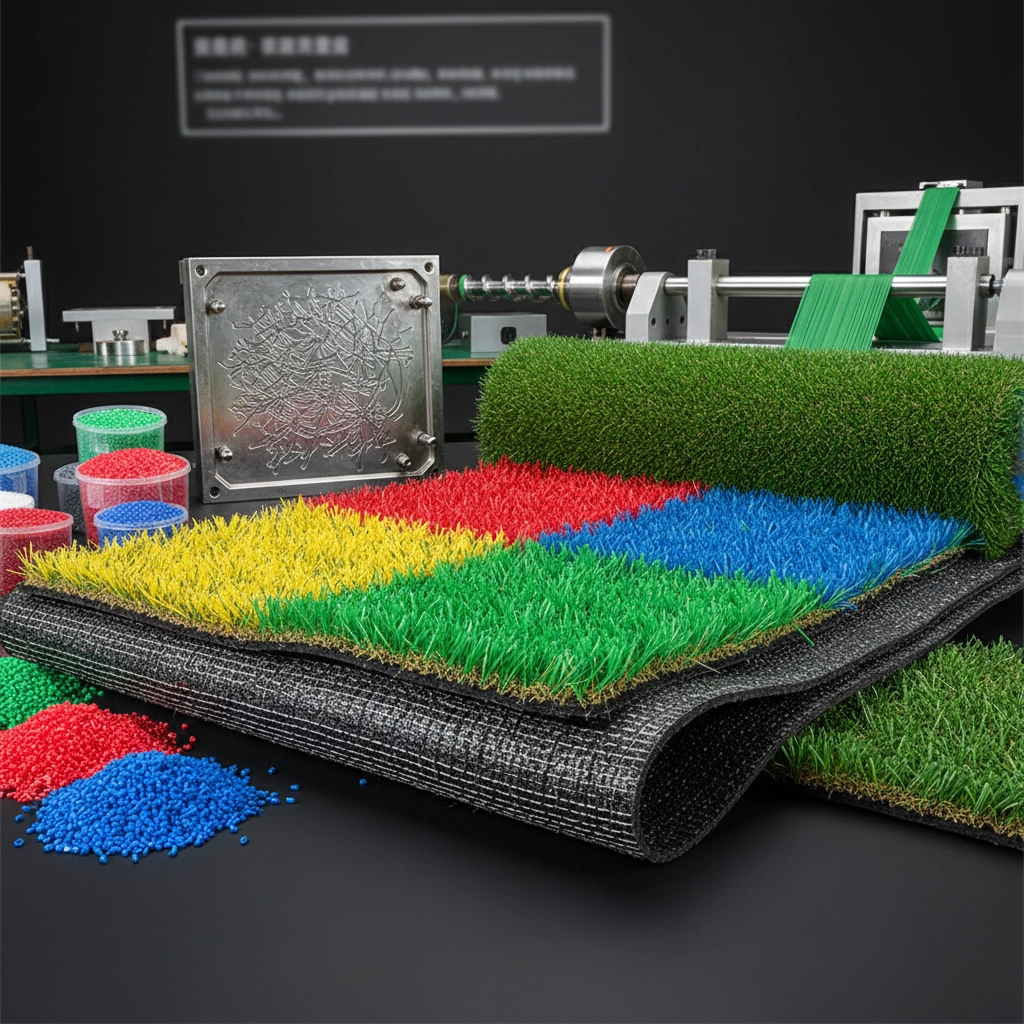
Another critical element is the material composition. UV-stabilized polyethylene and polypropylene are standard, but the addition of specialized additives to prevent heat absorption or enhance antimicrobial properties will shift the artificial lawn cost upward while providing significantly higher durability in extreme climates.
Finally, the site preparation cost cannot be ignored. A project requiring extensive excavation and the installation of a complex drainage system will see a much higher total artificial lawn cost compared to a project being installed over a pre-existing concrete slab or a well-drained sandy soil.
Cost Efficiency and Material Performance
When evaluating cost efficiency, it is helpful to categorize the artificial lawn cost based on the intended use of the space. For instance, playground grass requires a shock-absorbing underlay for safety, whereas garden grass prioritizes a soft touch and aesthetic realism. Each specification alters the budget requirements.
By comparing different grades of turf, users can identify the "sweet spot" where the performance meets the needs of the project without paying for unnecessary features. This optimization ensures that the artificial lawn cost remains within budget while guaranteeing a lifespan of over a decade.
Performance vs. Artificial Lawn Cost Comparison
Global Applications and Regional Price Variations
The application of synthetic turf varies wildly across different regions, which in turn affects the average artificial lawn cost. In the Middle East, where water is a premium, there is a high demand for high-density, heat-resistant turf for public parks and sports complexes, often leading to a higher investment in premium materials.
Conversely, in European and North American residential markets, the focus is often on low-maintenance garden grass and colorful grass for creative landscaping. In these regions, the artificial lawn cost is heavily influenced by local installation labor rates and the preference for eco-friendly, lead-free materials that comply with strict environmental regulations.
Long-Term Value and ROI of Synthetic Turf
Analyzing the long-term value requires looking at the artificial lawn cost as an offset to recurring expenses. Natural lawns require constant spending on water, fertilizers, pesticides, and professional mowing services. When these costs are tabulated over ten years, synthetic turf often pays for itself within the first five to seven years.
Beyond the financial metrics, there is a significant emotional and logical value in reliability. The peace of mind knowing that a football pitch or a garden will remain pristine regardless of drought or heavy foot traffic adds an intangible "trust" value to the investment, enhancing the overall appeal of the property.
Furthermore, the scalability of synthetic solutions means that as a business or home grows, adding to the existing turf is far simpler and more cost-effective than trying to establish new natural grass in patchy soil, further optimizing the artificial lawn cost over time.
Future Innovations Impacting Artificial Lawn Cost
The future of the industry is leaning toward "Circular Economy" materials. We are seeing the emergence of recyclable polymers and bio-based plastics that aim to lower the environmental artificial lawn cost while maintaining the same durability and appearance as traditional petroleum-based products.
Digital transformation is also playing a role. New AI-driven installation mapping and automated precision cutting tools are reducing labor hours, which is one of the most volatile components of the total artificial lawn cost. This automation allows for faster deployment and fewer material wastes.
Additionally, the integration of cooling technologies—such as infrared-reflective fibers—is becoming more common. While these innovations may slightly increase the initial artificial lawn cost, they solve the "heat island" effect, making synthetic lawns viable in even the hottest urban environments.
Comparison of Material Innovations and their Impact on Total Artificial Lawn Cost
| Innovation Type |
Initial Cost Impact |
Maintenance Reduction |
Expected Lifespan |
| Recyclable Polymers |
Moderate Increase |
High |
12-15 Years |
| Infrared Reflective Fiber |
High Increase |
Medium |
15-20 Years |
| Anti-Microbial Coating |
Low Increase |
Very High |
10-12 Years |
| Hybrid Organic Fill |
Moderate Increase |
Medium |
10-15 Years |
| AI Precision Cutting |
Decrease (Labor) |
N/A |
10-20 Years |
| High-Density UV Guard |
Moderate Increase |
High |
15-20 Years |
FAQS
The most significant variations in artificial lawn cost come from the quality of the turf fibers (pile height and density) and the complexity of the sub-base preparation. While the grass itself is a major cost, the labor required to excavate the soil and install a proper drainage layer often accounts for 30% to 50% of the total project budget.
Yes, for most users. While the upfront cost is higher, you eliminate monthly expenses for water, mowing, and fertilizing. Over a 5-10 year period, the total cost of ownership for synthetic turf is often lower, especially in drought-prone regions or for high-traffic areas like football pitches.
Sport grass is designed for extreme durability and specific ball-bounce characteristics, often requiring a more expensive, denser fiber and a specialized infill. Garden grass prioritizes a soft, natural look. Consequently, professional sports turf typically carries a higher artificial lawn cost per square meter than residential landscaping grass.
While DIY installation reduces labor costs, it carries risks. Improper base preparation can lead to drainage issues or uneven surfaces, which may require costly repairs later. We recommend professional installation to ensure the warranty remains valid and the turf lasts for its intended 15-20 year lifespan.
Eco-friendly materials, such as recycled polymers or lead-free infills, may have a slightly higher initial price point due to more complex manufacturing processes. However, they often provide better long-term value by adhering to environmental laws and reducing the need for toxic maintenance chemicals.
High-quality synthetic turf generally lasts between 15 and 25 years. When you divide the initial artificial lawn cost by the number of years of use, the annual cost becomes very competitive, especially when compared to the annual labor and resource costs of maintaining a biological lawn.
Conclusion
Navigating the complexities of artificial lawn cost requires a comprehensive understanding of the relationship between material quality, installation precision, and long-term maintenance savings. By shifting the perspective from a simple purchase to a strategic capital investment, it becomes clear that the most "expensive" turf upfront is often the most economical over a decade of use.
As we look toward a future of sustainable urbanism, synthetic turf will continue to evolve with smarter materials and more efficient installation methods. We encourage property owners and managers to prioritize durability and drainage over the lowest possible price to ensure a lasting, beautiful, and functional green space. For more professional guidance and pricing, visit our website: www.xiongyigrass.com