When planning a landscaping project or upgrading a sports facility, understanding the synthetic turf cost is often the most critical first step. While the initial investment may seem higher than natural grass, the long-term financial trajectory is vastly different due to the elimination of irrigation, mowing, and chemical fertilization costs. For modern property owners, balancing the upfront expenditure with the durability of the materials is key to maximizing ROI.
Globally, the shift toward artificial surfacing is driven by urban densification and water scarcity. In regions where maintaining a lush green lawn is ecologically irresponsible or prohibitively expensive, analyzing the synthetic turf cost becomes a matter of sustainability as much as budget. From residential garden grass to high-performance football pitches, the market has evolved to offer a spectrum of pricing tiers that cater to different durability needs and aesthetic preferences.
Navigating the pricing landscape requires a nuanced look at material science, installation labor, and site preparation. A low synthetic turf cost might indicate a shorter pile height or lower density, which could lead to premature wear in high-traffic areas. Conversely, investing in premium, UV-stabilized fibers ensures that the vibrant green hue remains intact for decades, effectively lowering the annual cost of ownership over the product's lifespan.

Global Market Trends in Synthetic Turf Cost
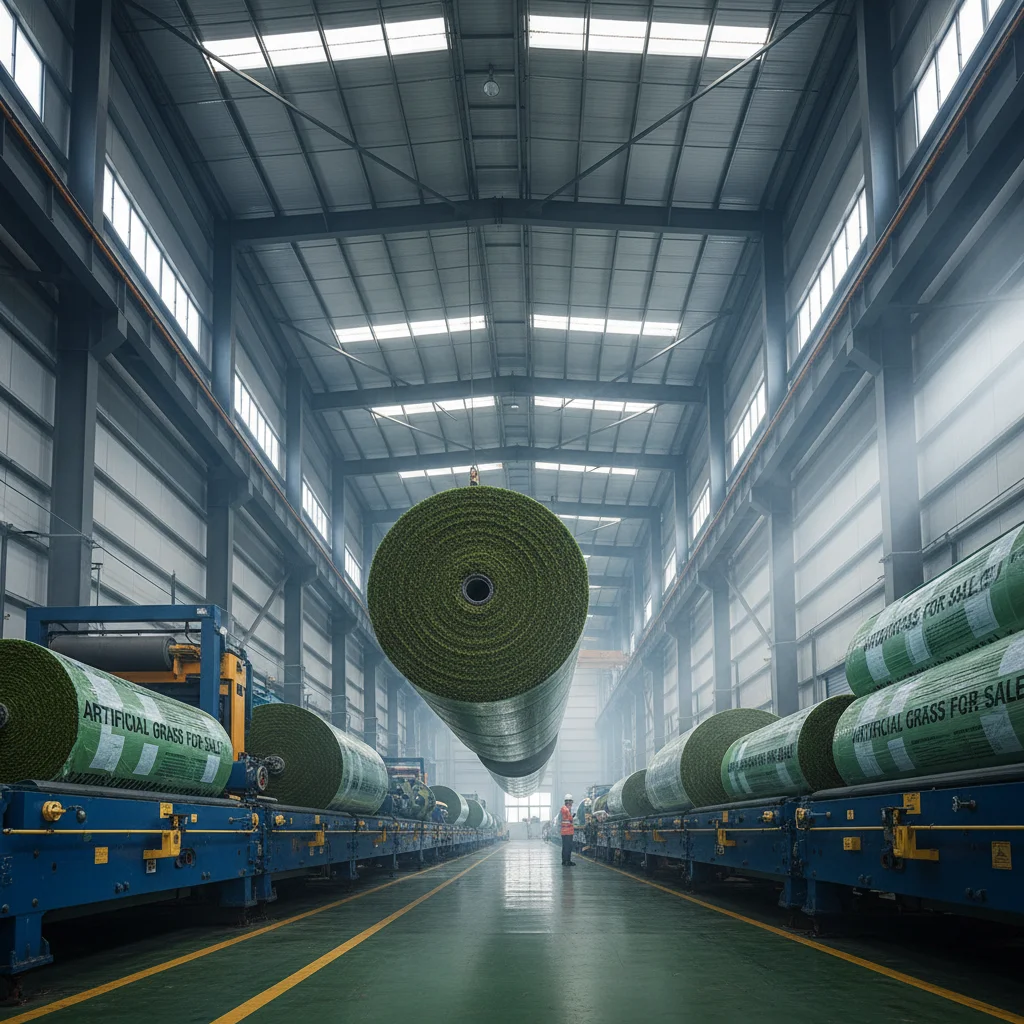
The global trajectory of the synthetic grass industry has seen a stabilization of the synthetic turf cost as manufacturing processes in the plastics industry become more automated and efficient. According to recent industrial trends, the integration of recycled polyethylene and advanced extrusion techniques has allowed manufacturers to lower the entry price for residential garden grass without compromising the basic structural integrity of the product.
Furthermore, ISO standards for environmental safety and durability have forced a standardization in quality. This means that consumers are no longer gambling on "cheap" options that degrade in two years; instead, the market has shifted toward value-based pricing where the synthetic turf cost is directly proportional to the expected lifecycle and UV resistance of the fibers.
Defining the Components of Installation Pricing
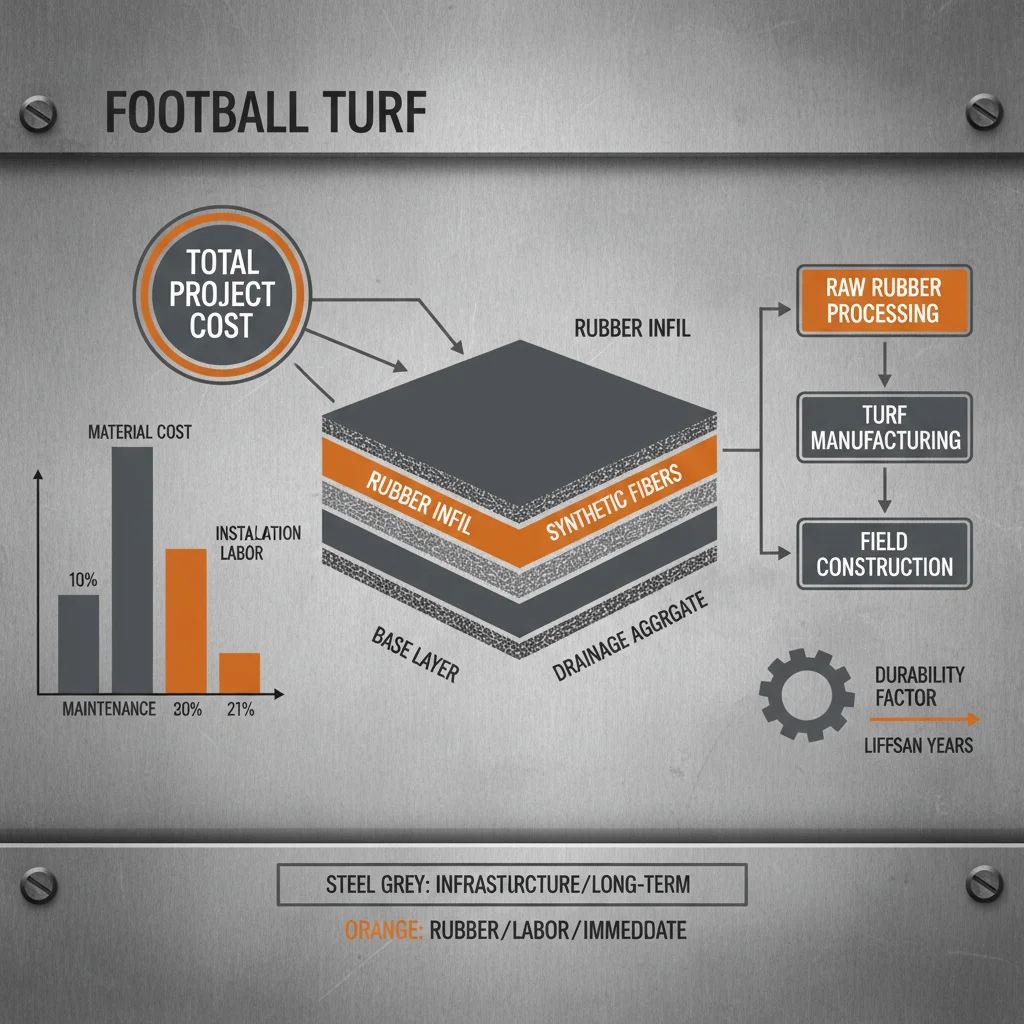
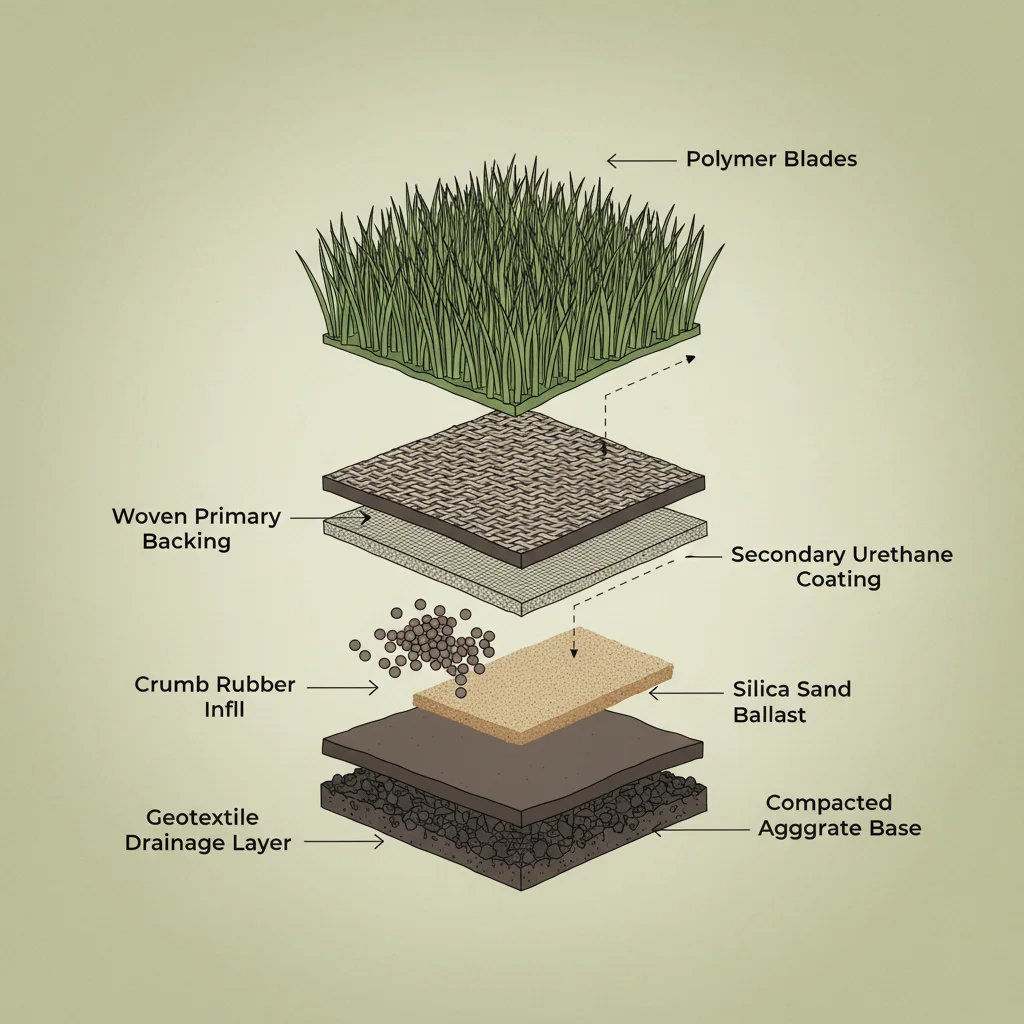
When discussing synthetic turf cost, it is imperative to distinguish between the "product cost" (the roll of grass) and the "installed cost." The installed cost encompasses site excavation, the laying of a crushed stone base for drainage, the application of weed barriers, and the final securing of the turf with nails or adhesives. For most commercial projects, the material itself represents only about 40-60% of the total expenditure.
Labor costs fluctuate significantly based on the complexity of the terrain. A flat backyard requires minimal grading, keeping the synthetic turf cost relatively low. However, installing artificial landscape grass on sloped areas or integrating it with complex drainage systems for sports fields increases the man-hours required, thereby inflating the overall project budget.
Additionally, the choice of infill—such as silica sand, crumb rubber, or organic cork—adds another layer to the financial calculation. While basic sand is the most economical, high-performance football grass often requires specialized infill to ensure athlete safety and ball bounce consistency, which elevates the synthetic turf cost per square foot.
Material Grade and Its Impact on Synthetic Turf Cost
The most direct influence on synthetic turf cost is the pile height and stitch density. A high-density turf with a thick pile feels more natural and resists "matting" under foot traffic, but it requires more raw polymer, which increases the manufacturing price.
Furthermore, the chemistry of the fiber plays a role. Polyethylene (PE) is the industry standard for softness, while Polypropylene (PP) is often used in lower-cost options. The addition of specialized UV inhibitors is a non-negotiable factor for outdoor use; skipping these to lower the synthetic turf cost usually results in the grass turning blue or brittle within a few seasons.
Finally, the backing material—ranging from single-layer latex to heavy-duty dual-layer polyurethane—determines the turf's stability and permeability. Premium backings prevent the turf from shrinking or expanding during temperature swings, justifying a higher synthetic turf cost through increased longevity.
Cost-Efficiency Analysis Across Product Categories
Different applications demand different performance levels, which creates a wide variance in the synthetic turf cost. For instance, playground grass requires shock-absorption layers for safety, while golf grass demands extreme precision in pile height and firmness to mimic a real putting green.
When evaluating cost-efficiency, it is helpful to look at the "Cost per Year of Service." A budget-grade carpet might have a low initial synthetic turf cost but last only 5 years, whereas a professional-grade sport turf might cost double but last 15 years, making it the cheaper option in the long run.
Comparison of Synthetic Turf Cost vs. Performance Rating
Real-World Applications and Regional Cost Variations
In urban centers like Dubai or Las Vegas, the synthetic turf cost is viewed as an essential investment to eliminate water bills in arid climates. In these regions, the demand for high-UV resistance is paramount, leading to a preference for premium polyethylene blends that can withstand extreme heat without melting or fading.
Conversely, in temperate regions of Europe or North America, the focus often shifts toward drainage and antimicrobial properties to prevent mold in damp conditions. This necessitates a different base structure, which slightly alters the synthetic turf cost based on the local climate's specific requirements.
Long-Term Value and Sustainability Benefits
The true value of artificial grass is found in the "invisible savings." When you calculate the synthetic turf cost, you must subtract the ongoing costs of water, fertilizer, pesticides, and professional landscaping services. For a medium-sized residential lot, these savings often offset the installation cost within 3 to 5 years.
From a sustainability perspective, the reduction in water consumption is a massive environmental win. While the production of plastic has an initial carbon footprint, the elimination of gas-powered lawnmowers and the reduction of chemical runoff into groundwater provide a net positive impact over the product's lifetime.
Furthermore, the psychological value of having a pristine, "always-green" space cannot be overstated. Whether it is for a child's playground or a corporate office courtyard, the reliability of synthetic turf provides a sense of order and professionalism that minimizes stress and maximizes utility.
Future Innovations Reducing Synthetic Turf Cost
The industry is currently moving toward "circular economy" models, where old turf is recycled into new products. This shift is expected to lower the synthetic turf cost further by reducing the reliance on virgin petroleum-based resins and lowering waste disposal fees for large-scale stadium renovations.
Technological advancements in "bioplastic" fibers are also on the horizon. By integrating plant-based polymers, manufacturers aim to create grass that is fully biodegradable at the end of its life while maintaining the durability and low maintenance that make the current synthetic turf cost attractive to buyers.
Additionally, the adoption of AI-driven precision manufacturing is reducing scrap rates during the weaving process. This efficiency gain is being passed down to the consumer, making high-end features like multi-tonal color blending—which makes the grass look hyper-realistic—available at a more accessible synthetic turf cost.
Comparative Analysis of Turf Investment and Maintenance
| Turf Category | Initial Synthetic Turf Cost | Annual Maintenance | Expected Lifespan |
|---|
| Budget Garden Grass | Low | Low | 5-8 Years |
| Premium Landscape | Medium | Very Low | 12-15 Years |
| Professional Football | High | Medium (Grooming) | 10-12 Years |
| Precision Golf Turf | Very High | Low | 15+ Years |
| Playground Grass | Medium-High | Low | 10-15 Years |
| Colorful Decor Grass | Low-Medium | Very Low | 7-10 Years |
FAQS
The cost typically ranges from $2 to $12 per square foot, depending on the quality and whether installation is included. Budget residential options sit at the lower end, while high-performance sports turf or specialized golf greens fall into the higher range due to increased fiber density and complex base requirements.
Generally, "product quotes" only cover the turf itself. A full installation quote will include the synthetic turf cost plus the price of excavation, crushed stone base, weed membranes, and labor. It is always recommended to ask for an "all-in" price to avoid surprise costs during the project.
In most cases, yes. A higher synthetic turf cost usually reflects better UV stabilization, higher stitch density, and a more durable backing. Cheap turf often suffers from "flattening" and color fading much faster, meaning you may have to replace it twice in the time a premium product would have lasted.
To lower the cost, consider choosing a turf with a slightly lower pile height or performing the site preparation (excavation and leveling) yourself. Buying in bulk directly from a manufacturer can also significantly reduce the cost per square foot compared to buying through a local retail middleman.
Yes, especially in drought-prone areas. Modern buyers value low-maintenance landscapes. While the initial synthetic turf cost is an expenditure, the curb appeal and the "maintenance-free" selling point often lead to a higher property appraisal and faster sale times.
Maintenance is minimal. You will occasionally need to rinse the turf to remove debris or use a power brush to lift the fibers. These costs are negligible compared to the synthetic turf cost of natural grass upkeep, making the long-term financial outlook very favorable.
Conclusion
Understanding the synthetic turf cost requires looking beyond the sticker price and analyzing the total cost of ownership. From the initial material selection and installation labor to the long-term savings on water and maintenance, artificial grass represents a strategic investment in both property value and environmental sustainability. Whether you are selecting a budget-friendly garden option or a professional-grade athletic surface, the key to success lies in matching the material specifications to the expected traffic and climate of your specific location.
As technology continues to evolve, we can expect the synthetic turf cost to become even more competitive through the use of recycled materials and smarter manufacturing. For those looking to transform their outdoor spaces, now is the ideal time to transition to a sustainable, evergreen solution. We invite you to explore our full range of high-performance products and get a customized quote today. Visit our website: www.xy-grass.com