Understanding the total turf lawn cost is essential for any homeowner or commercial developer looking to enhance their outdoor aesthetics without compromising on budget. While the initial price tag of synthetic grass may seem higher than natural sod, the long-term financial outlook reveals a different story, involving a reduction in water bills, fertilizer costs, and labor-intensive maintenance.
Across the globe, the shift toward artificial turf is driven by increasing water scarcity and the desire for "evergreen" landscapes that remain pristine regardless of the season. By analyzing the various components that contribute to the overall investment—from material grade to professional installation—users can make informed decisions that balance immediate expenses with lifetime value.
Ultimately, calculating the turf lawn cost requires a comprehensive look at the product's lifespan and the specific application, whether it be a high-traffic football field, a luxury garden, or a pet-friendly backyard. This guide serves as a roadmap to navigate these pricing variables and optimize your landscape investment.

Global Market Drivers of Turf Lawn Cost
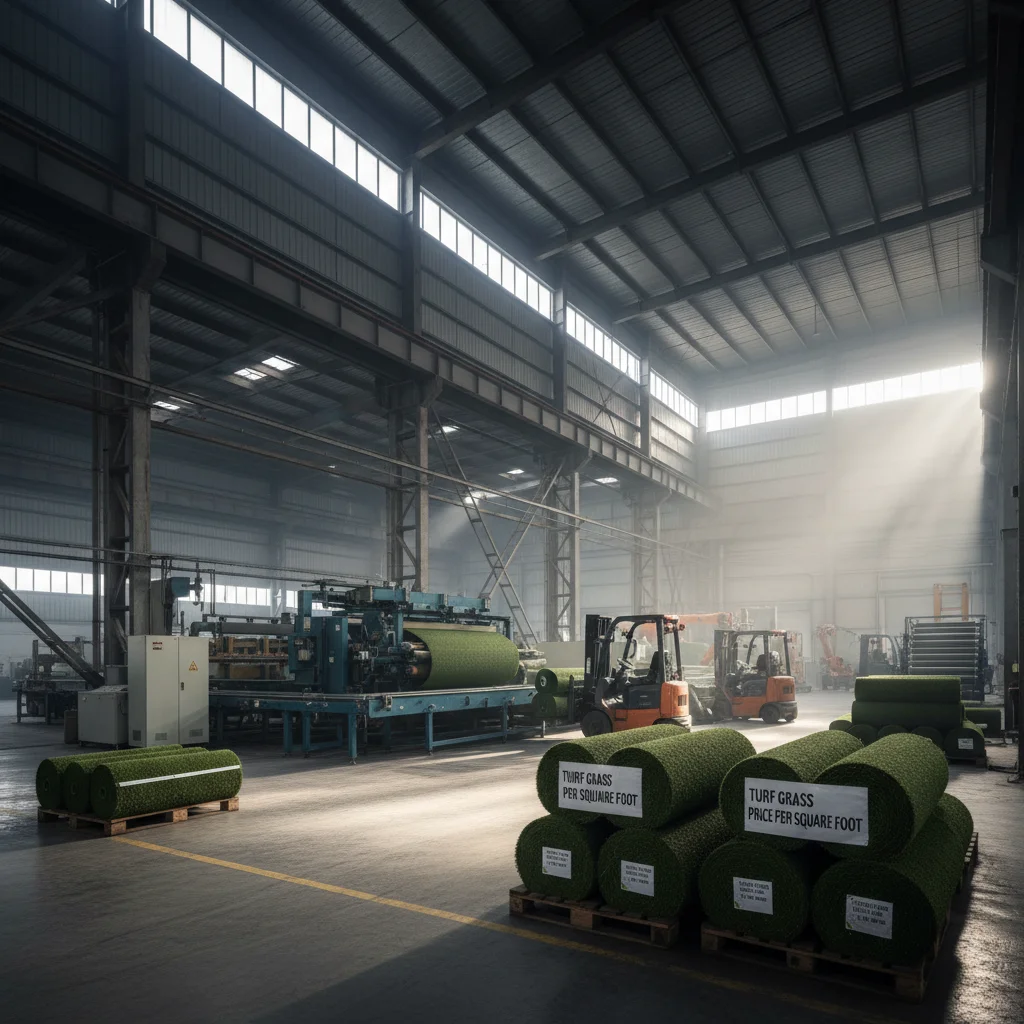
On a global scale, the turf lawn cost is heavily influenced by raw material volatility, particularly the price of polyethylene and polypropylene polymers. As industrial standards align with ISO certifications for environmental safety, the integration of non-toxic, lead-free materials has slightly increased the manufacturing baseline but significantly enhanced the safety profile for children and pets.
Furthermore, urban expansion in arid regions, such as the Middle East and the Southwestern United States, has created a surge in demand for water-saving landscapes. This demand has led to economies of scale in production, making high-quality artificial grass more accessible while pushing the industry toward more sustainable, recyclable backing materials to reduce the long-term environmental cost.
Defining the Components of Turf Lawn Cost
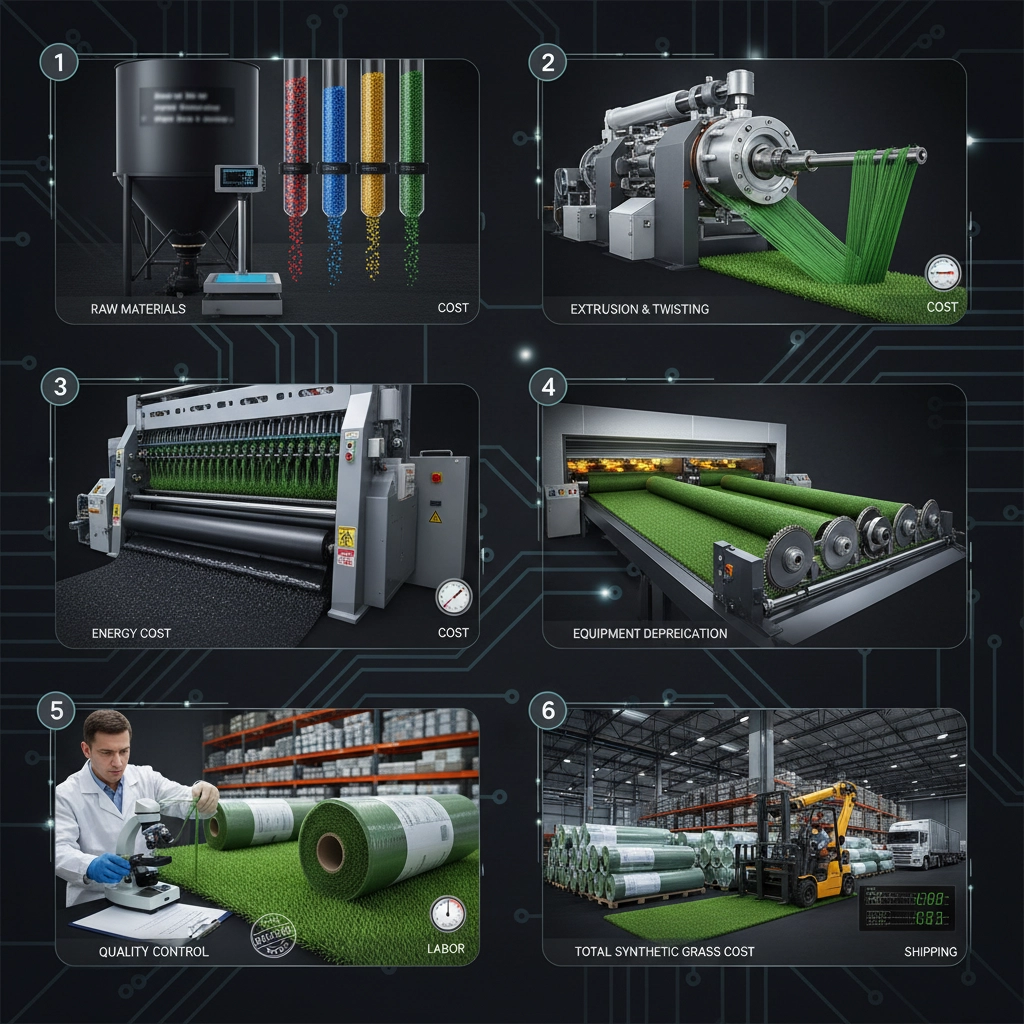
When we discuss turf lawn cost, we are not just talking about the price per square foot of the grass carpet itself. The total expenditure is a composite of three main pillars: the material cost (which varies by pile height and density), the site preparation cost (including soil removal and base installation), and the labor cost for professional installation.
Material costs are further broken down by the type of product selected. For instance, Football Grass or Sport Grass requires a higher density and specialized shock-absorption layers, which increases the price compared to basic Garden Grass or Colorful Grass used for decorative accents. The "face weight"—the weight of the yarn per square yard—is often the primary technical metric driving the material price.
Lastly, the "hidden" components of turf lawn cost include the infill materials—such as silica sand or rubber granules—and the adhesive used to secure the seams. Choosing a premium infill can improve the longevity and heat-reduction properties of the lawn, adding to the upfront cost but extending the replacement cycle.
Primary Factors Influencing Investment Value
Durability is perhaps the most critical factor affecting the turf lawn cost. High-quality UV-stabilized fibers prevent the grass from fading or becoming brittle under intense sunlight, which is a common failure point in budget-grade products. Investing in a product with a high UV rating ensures the lawn looks vibrant for 10-15 years rather than 3-5 years.
Drainage efficiency also plays a pivotal role in the overall turf lawn cost. Advanced permeable backings allow water to pass through rapidly, preventing pooling and mold growth. In regions with high rainfall, the cost of an engineered drainage sub-base is a necessary addition to prevent the synthetic turf from shifting or failing prematurely.
Scalability and application type further refine the budget. A small balcony using Artificial Carpet Grass will have a vastly different cost structure than a municipal Playground Grass project. For large-scale installations, the turf lawn cost per square meter typically decreases due to bulk purchasing and streamlined installation processes.
Comparative Analysis of Installation Expenses
To truly understand the turf lawn cost, one must compare different installation methodologies. A "DIY" approach minimizes labor costs but often results in poor seam visibility and inadequate drainage, which can lead to higher repair costs down the line. In contrast, professional installation includes precision grading and compaction, ensuring a flat, professional finish.
The choice of base material—whether crushed stone, decomposed granite, or a specialized foam underlay—also creates a variance in the total price. While a simple sand base is cheaper, a multi-layered aggregate base provides superior stability and longevity, justifying a higher initial turf lawn cost for high-traffic areas like golf greens or football pitches.
Turf Lawn Cost Efficiency by Product Grade
Global Applications and Use Case Scenarios
In urban residential zones, the turf lawn cost is often weighed against the psychological benefit of a low-maintenance, aesthetically pleasing garden. Homeowners in drought-prone regions of Australia and California view this as a strategic investment to avoid municipal water restrictions and the recurring expense of lawn chemicals.
In the commercial sector, the application changes. For a municipal football stadium, the turf lawn cost includes rigorous certifications for player safety and ball roll. Similarly, in remote industrial zones or rooftop gardens, synthetic turf provides a green oasis where soil cannot be naturally sustained, proving that the cost is an investment in livability and mental well-being.
Long-Term Financial Advantages and ROI
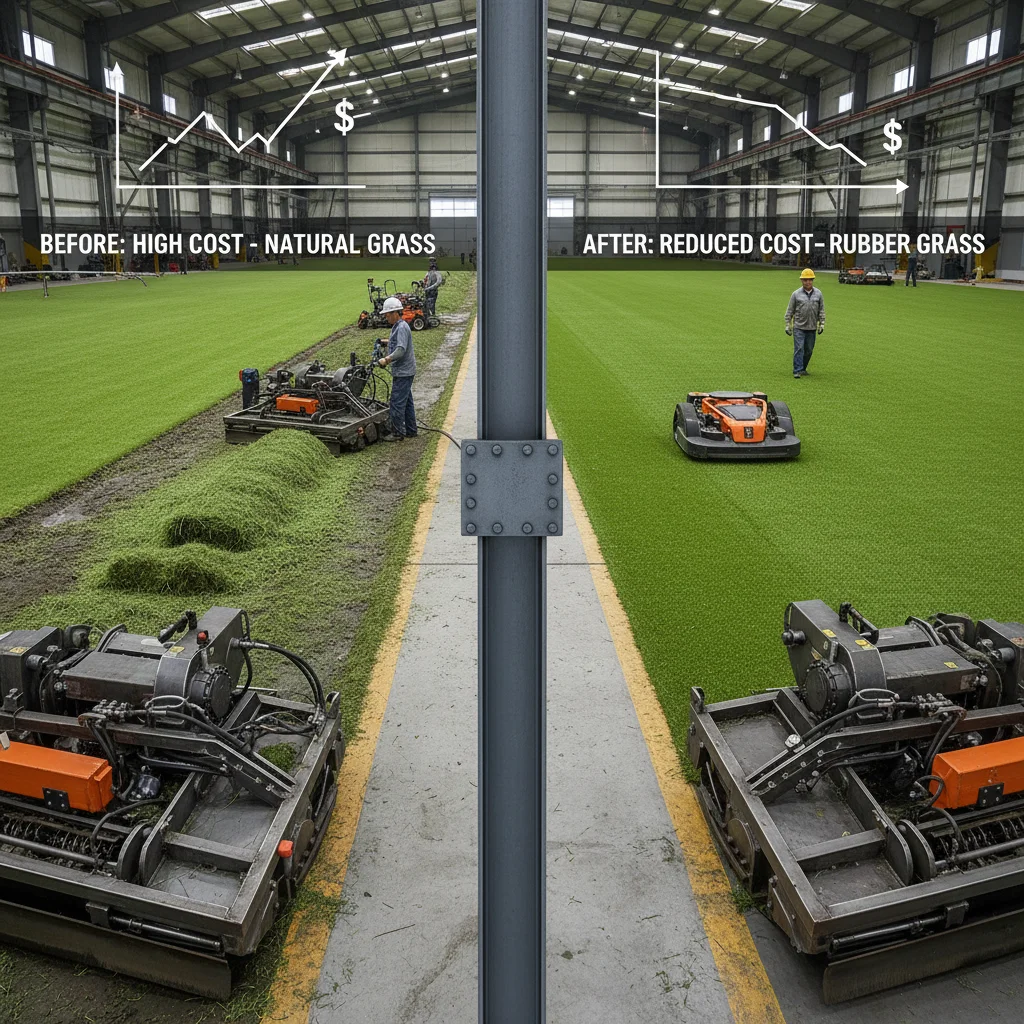
When evaluating the turf lawn cost, the most logical approach is to calculate the Return on Investment (ROI) over a ten-year period. Natural grass requires constant mowing, watering, edging, and fertilizing. When these labor and resource costs are aggregated, the cumulative spend often exceeds the initial installation price of an artificial lawn within the first three to five years.
Beyond the numbers, there is a value in reliability. Artificial turf provides a consistent surface regardless of weather conditions, meaning sports facilities can operate more hours per year without worrying about "mud seasons." This increase in operational uptime directly translates to higher revenue for commercial entities, offsetting the initial turf lawn cost.
Furthermore, the social impact of having a usable, safe space for children—especially in urban "concrete jungles"—adds an intangible but significant value. The dignity of a clean, green environment promotes community interaction and physical activity, making the investment a cornerstone of modern sustainable urban planning.
Future Innovations Shaping Turf Lawn Cost
The trajectory of turf lawn cost is being reshaped by the integration of "Cool-Grass" technology. New polymer blends are being developed to reflect more infrared radiation, reducing the surface temperature of the turf. While these advanced materials may carry a premium, they eliminate the need for expensive cooling systems or water-sprinkling to keep the lawn walkable in summer.
Automation in manufacturing is also bringing down the cost of customized solutions. 3D weaving techniques allow for variable pile heights in a single roll, creating more natural-looking landscapes without the need for multiple product types. This streamlining reduces waste and lowers the total turf lawn cost for high-end architectural projects.
Lastly, the move toward a circular economy is introducing recyclable backing materials. Future turf systems will be designed for total disassembly, meaning the "end-of-life" cost of removal and disposal will be replaced by a salvage value, further improving the lifelong financial profile of synthetic grass.
Comparison of Material Performance and Cost Impact
| Turf Category | Price Point | Durability Score | Maintenance Level |
|---|
| Artificial Carpet Grass | Low | 6/10 | Very Low |
| Artificial Landscape Grass | Medium | 8/10 | Low |
| Football Grass | High | 10/10 | Moderate |
| Golf Grass | Very High | 9/10 | Moderate |
| Playground Grass | Medium-High | 9/10 | Low |
| Colorful Grass | Medium | 7/10 | Very Low |
FAQS
The variance is primarily due to the quality of the raw polymers, the density of the fibers (face weight), and the technology used in the backing. Premium suppliers use UV-stabilizers and higher-grade polyethylene that resist flattening and fading, which increases the initial cost but ensures a longer lifespan and lower replacement frequency.
Usually, no. The material price and the installation price are quoted separately. Professional installation includes ground excavation, weed barrier placement, base compaction, and precision cutting. While this adds to the upfront expenditure, it is critical for ensuring proper drainage and a seamless look, preventing costly failures.
Depending on the grade, high-quality artificial turf typically lasts between 10 to 20 years. Sport-grade grasses used in football fields may require more frequent "topping up" with infill but the base structure lasts a decade. Residential landscape grass generally maintains its appearance for 15 years if basic maintenance is followed.
Infill adds a moderate cost to the project, but it is an essential investment. Infill supports the blades of grass, keeping them upright, and provides a cushioning effect for sports and play. Specialized cooling infills are more expensive but can significantly reduce the surface heat during summer months.
Yes, you can save on labor costs, but it is risky. DIY installations often struggle with "seaming"—where the joints between rolls become visible—and drainage issues. If the base is not compacted correctly, the lawn will develop dips and bumps, which may eventually cost more to fix than a professional installation would have cost initially.
Absolutely. When you factor in the elimination of water bills, lawnmowers, fertilizers, pesticides, and weekly labor, artificial turf usually pays for itself within 3-7 years. For commercial properties, the ability to host events without worrying about turf damage further increases the financial viability.
Conclusion
In summary, the turf lawn cost is a multi-faceted investment that extends far beyond the initial purchase of the material. By weighing the costs of high-grade UV-stabilized fibers and professional installation against the long-term savings in water and maintenance, it becomes clear that synthetic turf offers a sustainable and financially sound alternative to traditional landscapes. Whether for a professional sport pitch or a private garden, the key to value lies in selecting the right product grade for the specific application.
Looking forward, the industry is moving toward even greater sustainability and heat-reduction technologies, which will further enhance the ROI of artificial lawns. We suggest that property owners focus on "lifetime cost" rather than "upfront cost" to ensure they receive a product that maintains its beauty and function for decades. To explore our wide range of high-performance grass solutions and get a detailed quote, visit our website: www.xy-grass.com