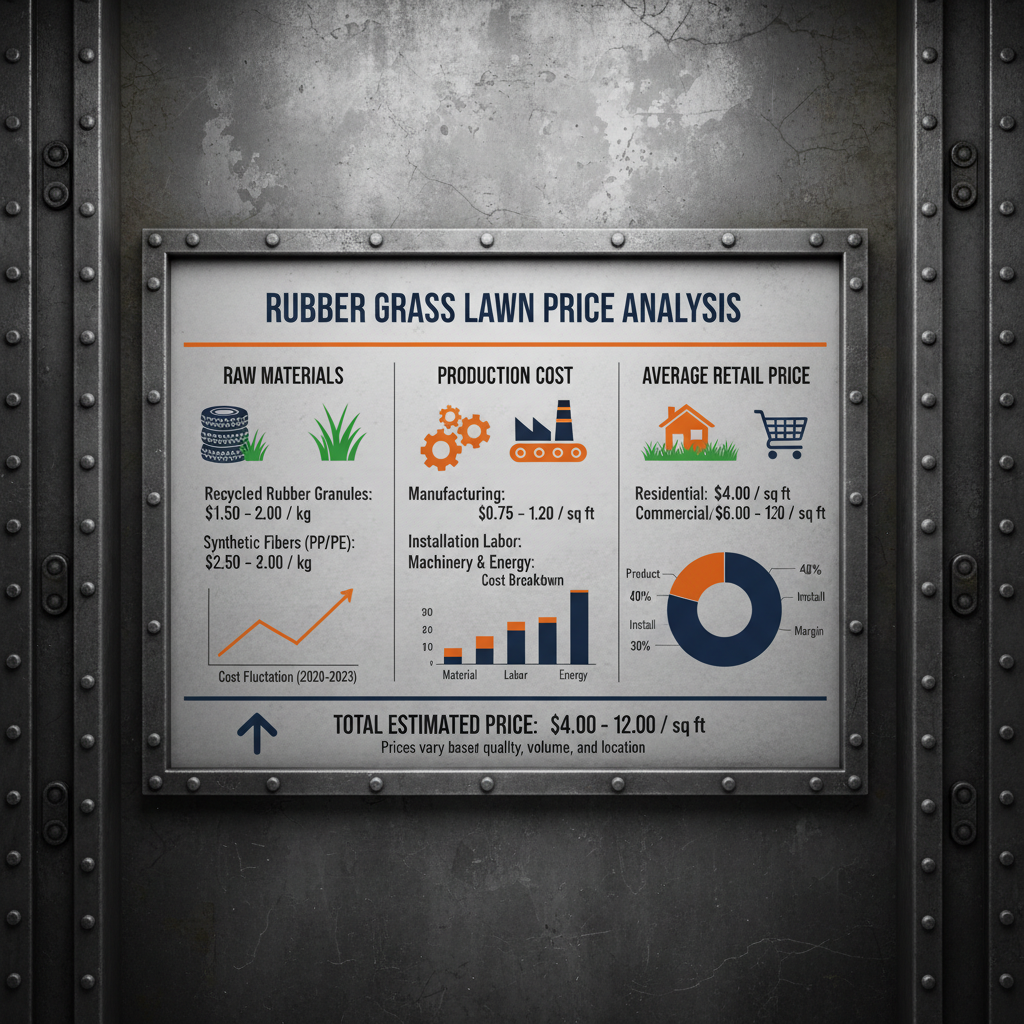
When planning a landscaping project, the primary concern for most homeowners and commercial developers is the grass lawn price. Understanding the cost structure of artificial turf is not just about finding the cheapest option, but about balancing upfront investment with long-term durability and aesthetic appeal. In today's market, the price varies significantly based on pile height, density, and the specific material grade used in the manufacturing process.
Globally, the shift toward synthetic turf is driven by the increasing cost of water and the intensive labor required for natural lawn maintenance. As urbanization accelerates, the demand for low-maintenance green spaces has pushed the grass lawn price to become a key metric for sustainable urban planning. By analyzing these costs, users can determine whether a premium sport-grade grass or a budget-friendly landscape grass is the most viable solution for their specific environment.
Ultimately, the value of a synthetic lawn is measured by its lifecycle cost rather than the initial purchase price. While the initial grass lawn price might seem higher than sod, the elimination of fertilizers, mowing services, and irrigation systems often leads to a full return on investment within a few years. This guide provides a comprehensive breakdown of the factors influencing these costs to help you make an informed procurement decision.
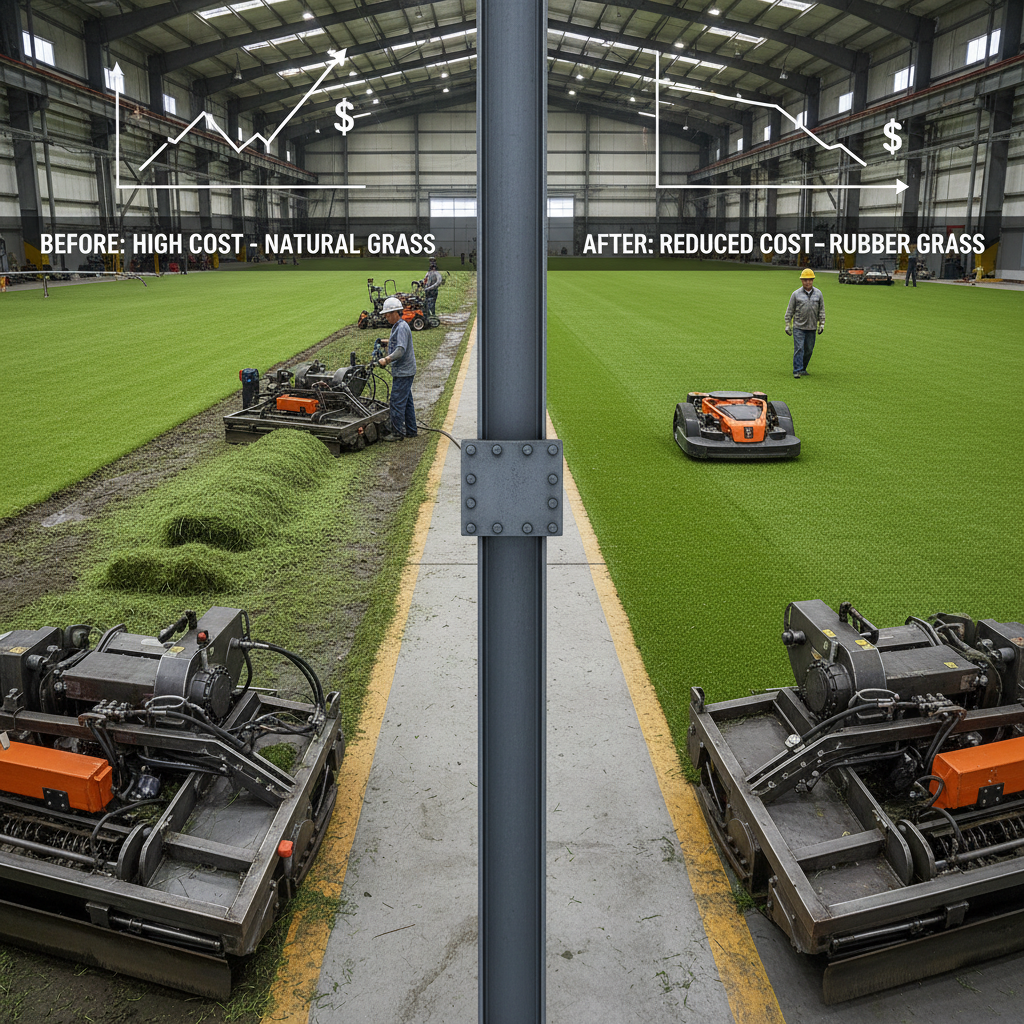
The grass lawn price is primarily dictated by the density of the stitches and the quality of the polyethylene or polypropylene used. Higher density turf provides a more lush, realistic appearance and better resilience under foot traffic, which naturally increases the production cost. For instance, sports-grade football grass requires a much higher stitch rate to maintain its shape, leading to a higher price point compared to basic decorative grass.
Additionally, the pile height—the length of the grass blades—plays a critical role. Longer blades often require more raw materials and specialized backing to stay upright, influencing the final grass lawn price. Whether you are opting for a short-pile golf grass or a long-pile garden grass, the intersection of material volume and manufacturing precision determines the overall cost.
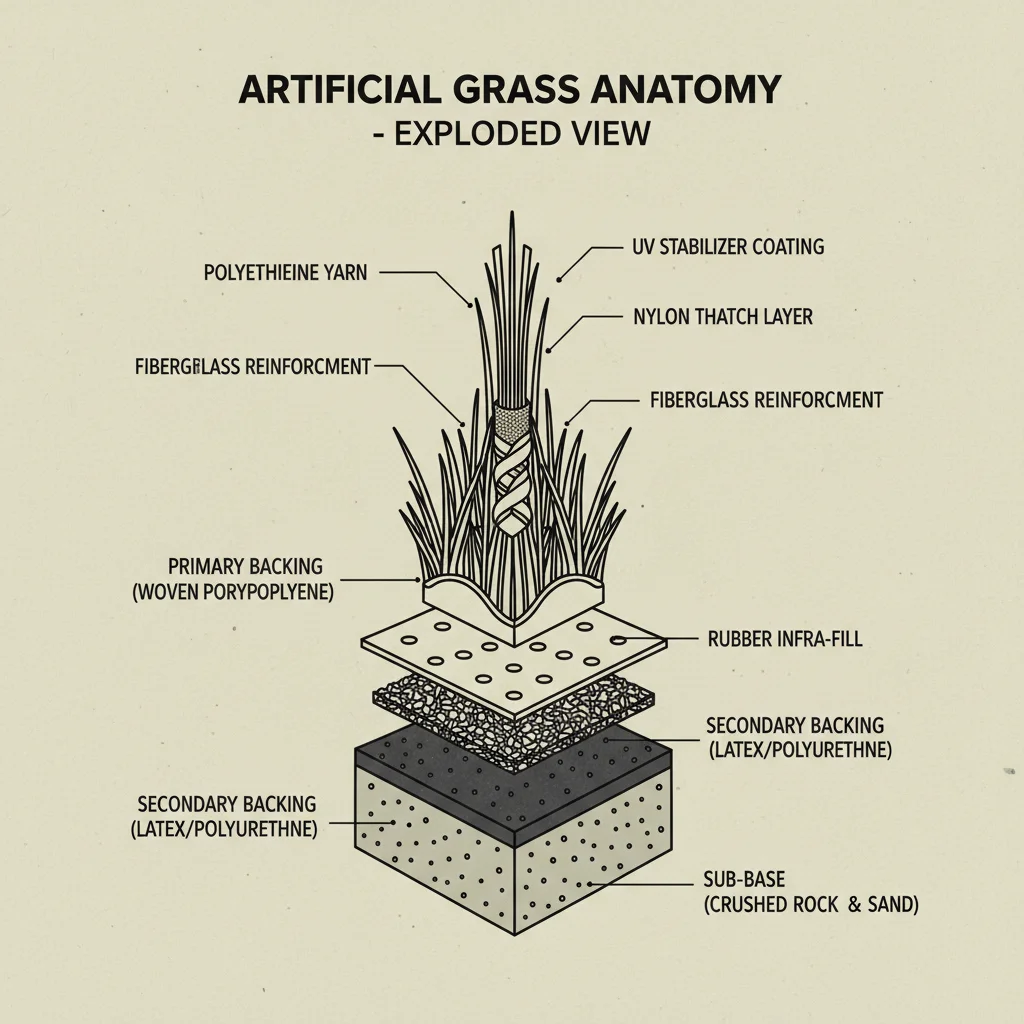
From a technical perspective, the raw material choice is the biggest driver of the grass lawn price. High-end artificial lawns utilize UV-stabilized polyethylene, which prevents the blades from becoming brittle or fading under intense sunlight. This additive increases the initial cost but drastically extends the product's lifespan, reducing the frequency of replacements.
The backing system is another hidden cost factor. A multi-layer backing consisting of a woven primary layer and a polyurethane secondary layer provides superior drainage and stability. While this increases the grass lawn price, it prevents the turf from wrinkling or shifting, which is essential for high-traffic areas like playgrounds or commercial walkways.
Furthermore, the integration of "curling" technology—where blades are shaped to mimic natural growth—requires more complex machinery. This aesthetic upgrade adds a premium to the grass lawn price but is highly sought after for luxury residential landscaping where a "natural look" is the priority.
When comparing budget-friendly options to professional grades, the grass lawn price reflects the intended usage. Budget lawns are typically designed for low-traffic decorative areas, featuring lower density and thinner blades, making them an affordable entry point for small balconies or exhibition spaces.
In contrast, the grass lawn price for sport-specific turf, such as football or golf grass, accounts for specialized shock-absorption layers and precise friction coefficients. These products are engineered to meet international sporting standards, ensuring athlete safety and consistent ball roll, which justifies the premium pricing.
Choosing based solely on the lowest grass lawn price can often lead to higher long-term costs due to premature wear and tear. We recommend a "fitness-for-purpose" approach: investing in high-grade turf for high-traffic zones and utilizing economy options for purely visual enhancements.
Different categories of artificial grass serve different needs, and their pricing reflects this diversity. For example, Colorful Grass used in playgrounds is priced not only on material but on the safety certifications and non-toxic pigments required for children's environments. Meanwhile, the grass lawn price for landscape grass focuses on color blending (mixing yellow and green hues) to achieve a realistic appearance.
To provide a clearer picture, we analyze how various product types stack up in terms of value and cost. The following data illustrates the relative positioning of different turf types based on their typical market grass lawn price and performance ratings.
In arid regions such as the Middle East, the grass lawn price is viewed as a strategic investment in water conservation. By replacing thirsty natural lawns with high-grade artificial turf, municipalities and private owners reduce their water consumption by up to 90%, making the initial cost negligible compared to the ongoing utility savings.
Conversely, in high-density urban centers like Singapore or New York, the grass lawn price is balanced against the high cost of urban maintenance. Rooftop gardens and vertical greening projects utilize lightweight artificial grass to provide psychological well-being for residents without adding excessive structural load or requiring complex irrigation piping.
When evaluating the grass lawn price, it is essential to consider the environmental footprint. Modern synthetic lawns are increasingly made from recyclable materials, reducing the waste associated with traditional landfilling. The elimination of chemical pesticides and fertilizers—standard in natural lawn care—creates a healthier ecosystem and reduces soil toxicity.
From a financial standpoint, the ROI of a synthetic lawn is realized through the "zero-maintenance" promise. When you factor in the cost of a lawnmower, fuel, water, and professional gardening services, the initial grass lawn price is often recouped within 3 to 5 years. This makes it an attractive option for commercial properties seeking to lower their operating expenses.
Furthermore, high-quality artificial grass increases property value. A pristine, evergreen landscape enhances curb appeal and attracts buyers, effectively turning the grass lawn price into a capital improvement that adds tangible equity to the real estate asset.
The future of the grass lawn price will be shaped by advancements in bio-plastics and circular economy policies. We are seeing a move toward "green polyethylene" derived from sugarcane, which reduces carbon emissions during production. While these sustainable materials may initially bump up the price, scale of production will eventually stabilize these costs.
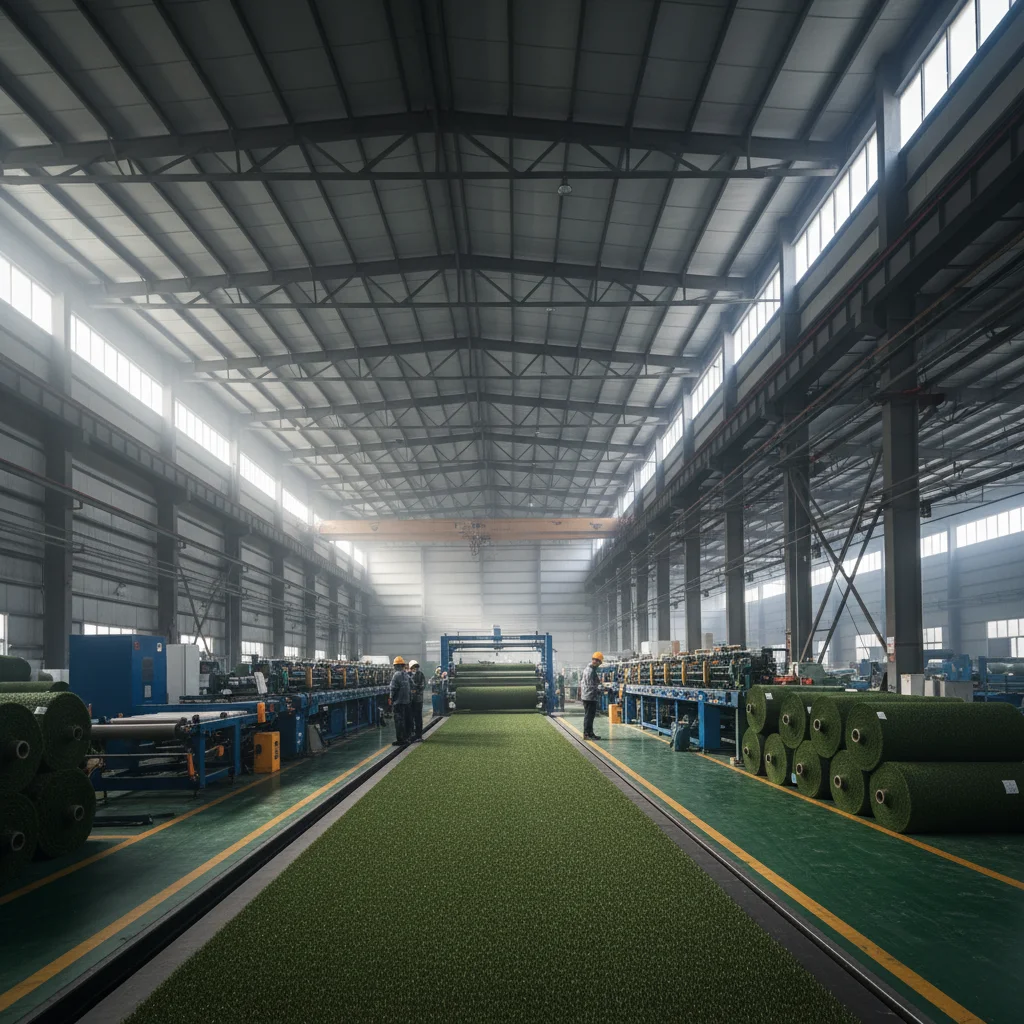
Digital transformation in manufacturing, such as AI-driven precision weaving, is also expected to optimize the grass lawn price. By reducing material waste during the production phase, manufacturers can offer higher-density products at more competitive price points, making luxury turf accessible to a wider market.
Additionally, the integration of smart-drainage systems and antimicrobial coatings will create new premium tiers. These innovations will introduce new variables to the grass lawn price, moving the industry from selling a simple product to selling a high-performance surface solution.
| Turf Type | Price Bracket | Durability Score (1-10) | Primary Cost Driver |
|---|---|---|---|
| Garden Grass | Low-Mid | 7 | Color Blending |
| Football Grass | High | 10 | Stitch Density |
| Playground Grass | Mid | 8 | Safety Padding |
| Golf Grass | Very High | 9 | Precision Pile Height |
| Landscape Grass | Mid | 7 | UV Resistance |
| Colorful Grass | Low-Mid | 6 | Pigment Grade |
The variation is primarily due to material quality and engineering specifications. A basic decorative lawn uses less material and simpler backing, keeping the price low. Conversely, professional sport turf requires high-density stitches, UV stabilization, and specialized drainage layers to withstand heavy use, which significantly increases the manufacturing cost and final market price.
Not necessarily, but usually. While price often correlates with density and durability, it's important to check the specifications. A high price might be due to a specific brand name or unique color. Always evaluate the stitch rate, Dtex (yarn weight), and the type of backing to ensure you are paying for actual performance improvements rather than just marketing.
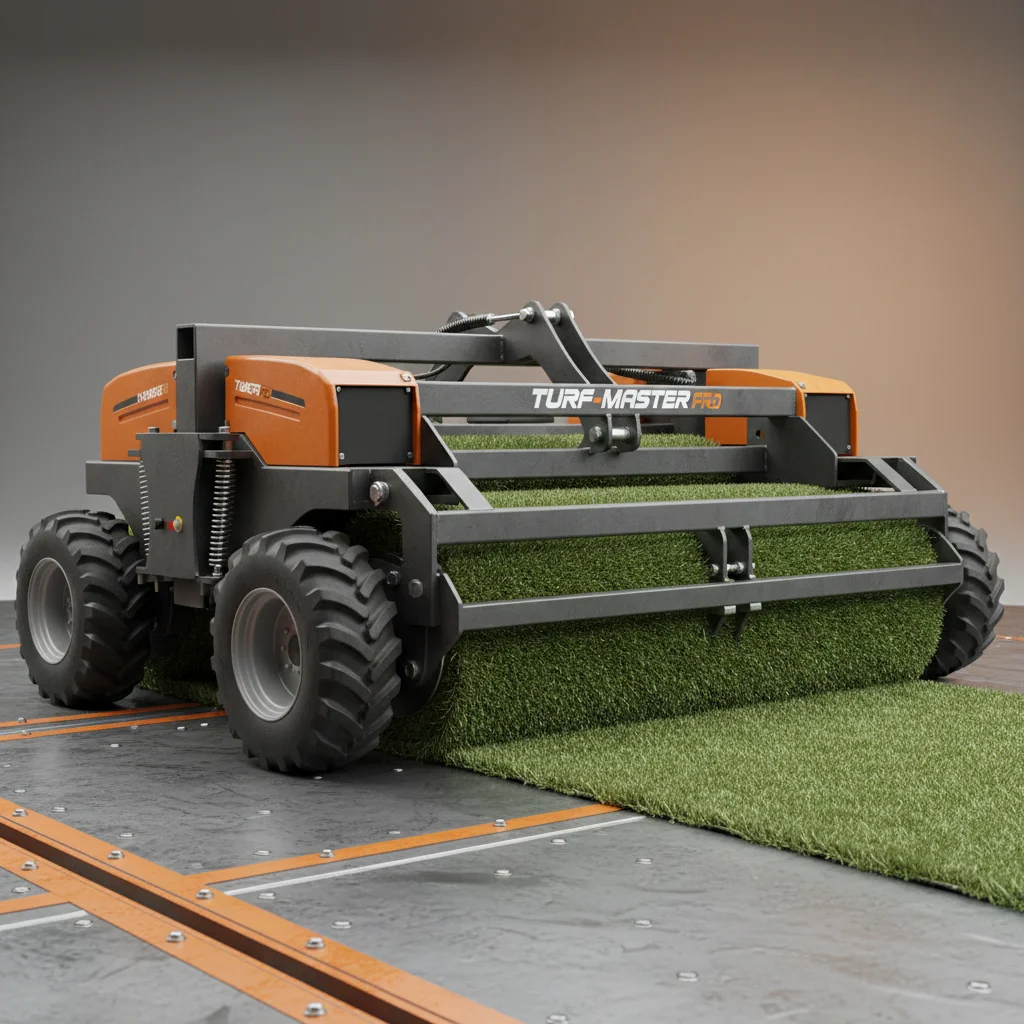
The material price is only one part of the equation. Total cost includes site preparation, such as removing old sod and laying a crushed stone or sand base. Proper installation is critical; without a quality base, even the most expensive turf will fail. Professional installation usually adds a significant percentage to the initial investment but ensures the product's longevity.
Yes, pile height affects the amount of raw polymer used. Generally, very short piles (like putting green grass) or very long, lush piles are more expensive due to specialized production. Choosing a standard mid-range pile height (30mm-40mm) often provides the best balance between aesthetic appeal and a competitive grass lawn price.
Absolutely. While the upfront grass lawn price is higher than sowing seed or laying sod, the cumulative cost of water, fertilizers, mowing equipment, and labor for natural grass is far higher. Most users find that artificial turf pays for itself within a few years through these operational savings, offering a much lower total cost of ownership.
Yes, shipping and import duties can impact the final cost. Sourcing directly from a manufacturer in a hub like China often results in a lower grass lawn price for bulk orders. However, for small residential projects, local distributors might offer better installation support and warranties, which can offset the slightly higher product price.
Navigating the complexities of grass lawn price requires a holistic view that extends beyond the initial quote. By understanding how material density, UV stabilization, and backing technology influence cost, consumers can select a product that meets their specific needs—whether it's a high-performance sports field or a serene home garden. The key is to align the performance grade of the turf with the expected traffic and environmental conditions of the installation site.
Looking forward, the industry is moving toward more sustainable, eco-friendly materials that will redefine the value proposition of synthetic lawns. Investing in a high-quality artificial grass today is not just an aesthetic choice, but a strategic move toward water conservation and reduced maintenance overhead. For those seeking a balance of premium quality and competitive pricing, we invite you to explore our professional range of solutions. Visit our website: www.xiongyigrass.com
Hit enter to search or ESC to close
If you are interested in our products, you can choose to leave your information here, and we will be in touch with you shortly.