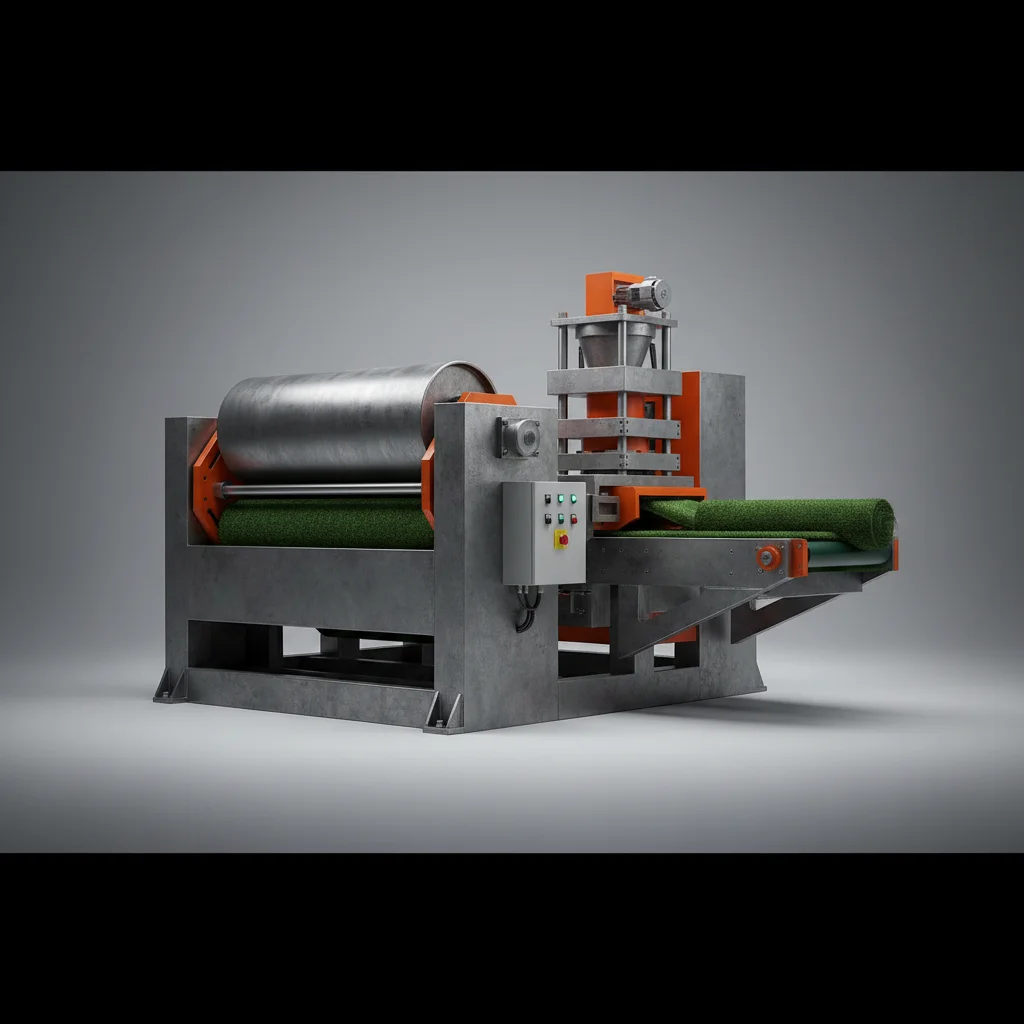
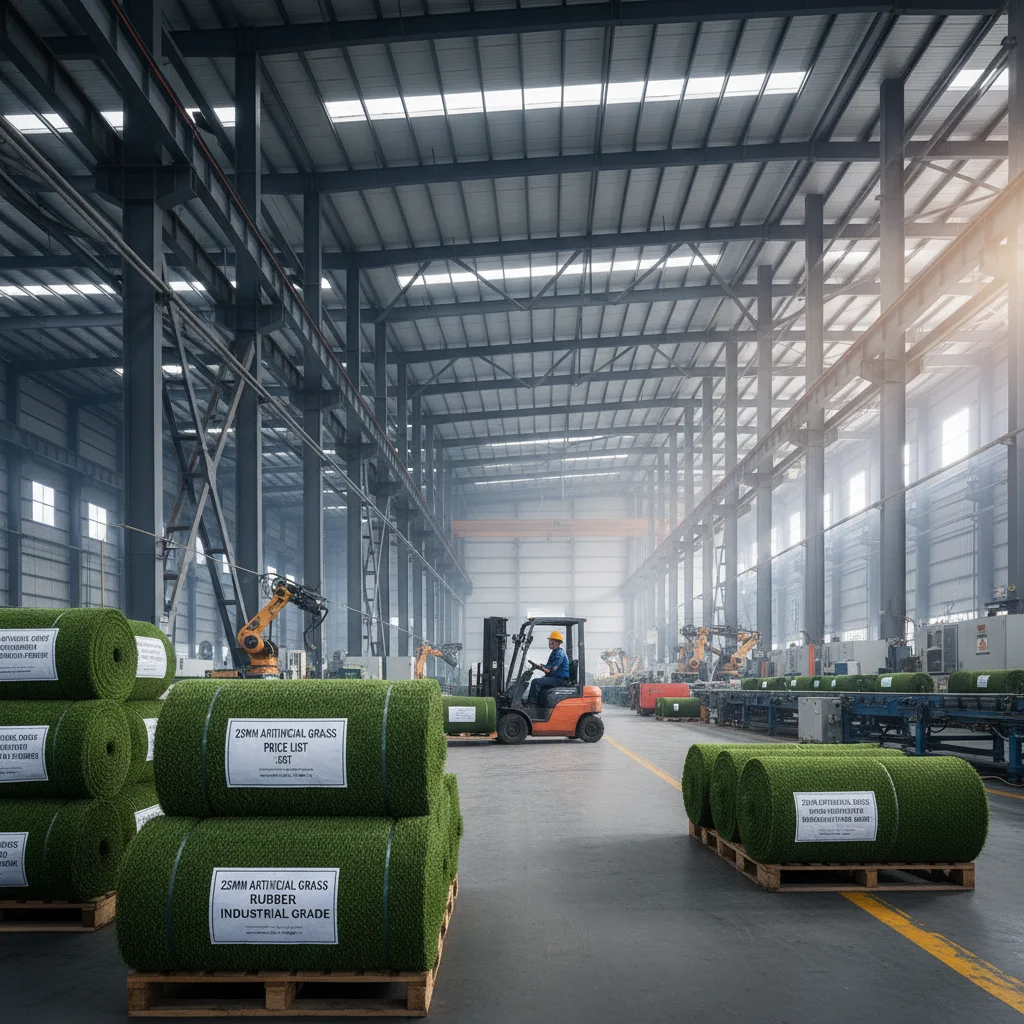
Understanding the dynamics of lawn turf prices is essential for homeowners, commercial developers, and sports facility managers who seek to balance aesthetic appeal with budgetary constraints. As the demand for sustainable, low-maintenance greenery grows globally, the pricing of synthetic alternatives has shifted from being a luxury niche to a mainstream investment in property value.
The fluctuation in lawn turf prices is often driven by raw material costs—specifically polyethylene and polypropylene—and the complexity of the pile construction. Whether you are looking for the lush feel of garden grass or the rugged durability of football grass, knowing how pricing is structured allows for a more informed procurement process.
Ultimately, evaluating lawn turf prices requires a shift in perspective from "upfront cost" to "lifecycle value." By analyzing the reduction in water bills, fertilizer expenses, and manual labor, the initial investment in high-quality artificial turf often pays for itself within a few short years.
Global Market Drivers of Lawn Turf Prices
On a global scale, lawn turf prices are heavily influenced by the petrochemical industry. Since most high-end artificial grass is composed of synthetic polymers, any volatility in the price of crude oil directly impacts the cost of raw resin. Furthermore, international shipping costs and import tariffs play a significant role in the final landing price for consumers in North America and Europe.
Beyond materials, the shift toward "Green Building" certifications (such as LEED) has increased the demand for eco-friendly, non-toxic turf. This transition has created a tiered pricing structure where sustainable, lead-free, and recyclable materials command a premium over standard options, reflecting a global movement toward environmental responsibility.
Technical Specifications Affecting Pricing
The most direct impact on lawn turf prices is the "pile height" and "face weight." A denser turf with a higher face weight contains more yarn per square meter, providing a plusher feel and better durability. This increased material usage naturally elevates the cost, making professional-grade sport grass more expensive than basic decorative turf.
Additionally, the shape of the blade—whether it is C-shaped, W-shaped, or V-shaped—determines the "resilience" of the grass. Blades designed to spring back after being stepped on require more advanced extrusion processes and higher-quality polymers, which adds a marginal but noticeable increase to the overall lawn turf prices.
Finally, the backing system is a critical cost driver. Multi-layer backings that incorporate moisture-permeable membranes and reinforced stitching offer superior stability and drainage. These technical enhancements ensure the turf doesn't ripple over time, justifying a higher price point for long-term commercial installations.
Comparing Artificial Grass Categories by Cost
When analyzing lawn turf prices across different product lines, Garden Grass and Landscape Grass typically fall into a mid-range bracket. These products prioritize a natural look and feel, utilizing a mix of green and tan "thatch" fibers to mimic real soil.
In contrast, specialized products like Football Grass and Golf Grass have higher lawn turf prices due to stringent performance requirements. These must adhere to FIFA or UGOLF standards, requiring specific shock-absorption layers and precise blade heights to ensure consistent ball roll and athlete safety.
On the more affordable end of the spectrum, Colorful Grass and basic Playground Grass are often priced lower. These are generally designed for shorter lifespans or specific aesthetic purposes where high-traffic durability is less critical than visual impact or basic safety cushioning.
Cost-Efficiency and ROI Analysis
Evaluating lawn turf prices should not be viewed as a sunk cost but as a strategic investment. The Return on Investment (ROI) is realized through the total elimination of mowing, edging, watering, and chemical fertilizing. For large commercial estates, these operational savings can be substantial over a five-year period.
Furthermore, the increase in property value is a tangible benefit. A well-maintained, evergreen landscape enhances curb appeal and attracts higher-quality tenants or buyers, effectively offsetting the initial lawn turf prices through equity growth.
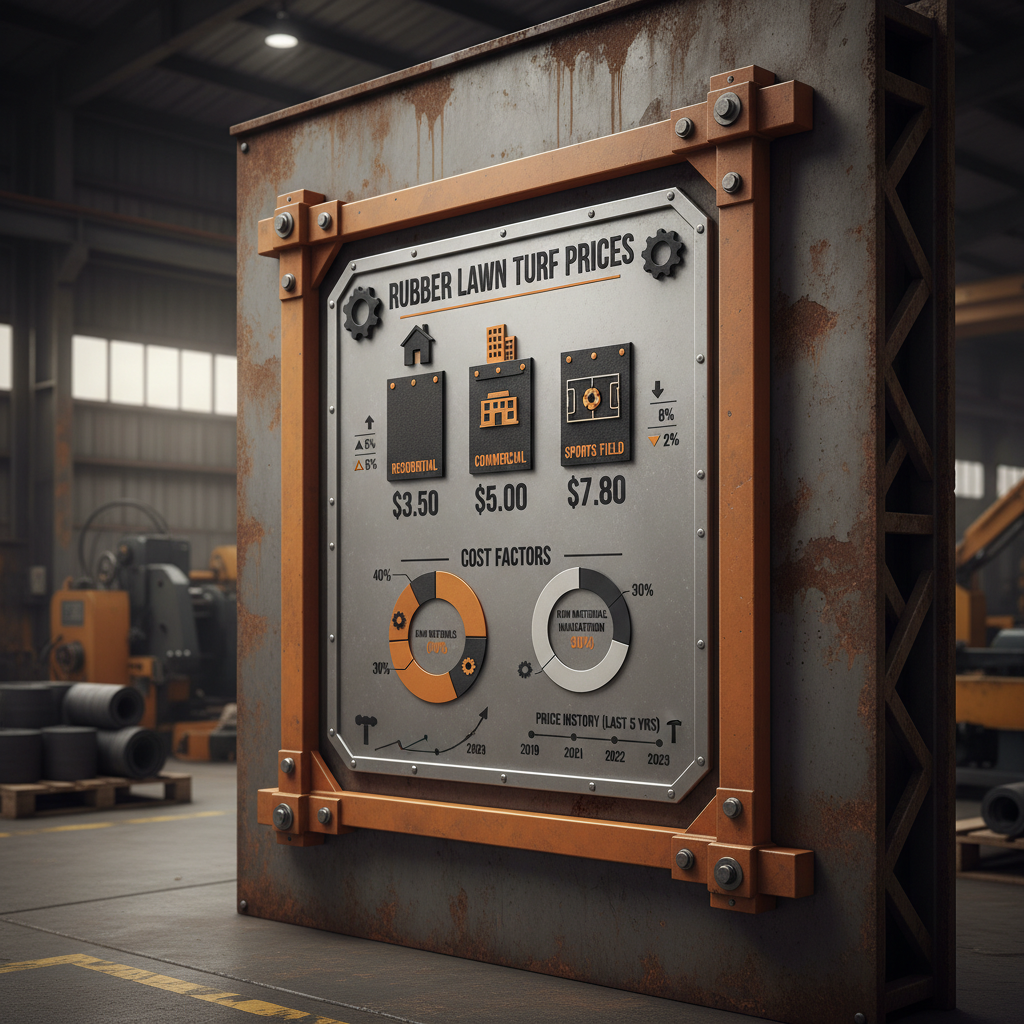
Comparative Value Analysis of Lawn Turf Prices by Application
Regional Variations in Turf Installation Costs
While the base lawn turf prices are relatively stable at the factory level, the total cost of installation varies by region. In arid climates like the Middle East or the Southwestern US, the demand for water-saving solutions is so high that installation labor costs often spike, though the long-term saving on water bills is most dramatic here.
Conversely, in regions with high humidity or heavy rainfall, the installation process requires more expensive sub-base preparation (such as crushed stone or specialized drainage layers) to prevent puddling. This means that while the material lawn turf prices remain the same, the total project cost may increase due to site-specific engineering.
Sustainability and Long-Term Value
From an environmental perspective, the long-term value of investing in artificial grass goes beyond simple lawn turf prices. By eliminating the need for pesticides and synthetic fertilizers, artificial turf prevents toxic runoff from entering local waterways, providing a hidden ecological benefit that is increasingly valued by municipal governments.
Furthermore, the durability of modern polymers means that a high-quality installation can last 15 to 20 years. When you divide the initial cost over two decades, the annual expenditure is remarkably low compared to the compounding costs of maintaining a natural lawn, making it a logical choice for sustainable urban planning.
Innovation in "cool-yarn" technology also adds value. Newer turfs are designed to reflect more UV rays and retain less heat, solving the common problem of artificial grass becoming too hot in summer. This added functionality justifies slightly higher lawn turf prices by enhancing the usability of the space.
Future Pricing Trends and Material Innovation
The future of lawn turf prices will likely be shaped by the integration of bio-plastics and recycled ocean plastics. As manufacturing processes for recycled polymers become more efficient, we expect to see a diversification in pricing where "ultra-green" recyclable turf becomes more affordable for the average consumer.
Digital transformation in the manufacturing sector, including AI-driven quality control and automated weaving, is also expected to reduce waste. This operational efficiency will help stabilize lawn turf prices even as raw material costs fluctuate, allowing for more competitive pricing in the global market.
Additionally, we anticipate the rise of "smart turf" integrated with sensors for moisture or temperature monitoring, particularly in professional sports settings. While this will create a new high-end price tier, it will push the overall industry toward greater technological sophistication.
Analysis of Product Specifications and Their Impact on Lawn Turf Prices
|
Turf Category
|
Pile Density
|
Durability Score (1-10)
|
Price Impact Level
|
| Garden Grass |
Medium |
7 |
Moderate |
| Football Grass |
High |
10 |
High |
| Golf Grass |
Very High |
8 |
Premium |
| Playground Grass |
Medium |
9 |
Moderate |
| Landscape Grass |
Medium |
7 |
Low-Moderate |
| Colorful Grass |
Low |
6 |
Low |
FAQS
Variations in lawn turf prices are primarily due to differences in material quality (polyethylene vs. polypropylene), pile density, and the UV-stabilization technology used. Premium suppliers use higher-grade polymers that resist fading and flattening, which increases the initial cost but significantly extends the product's lifespan.
Generally, yes. For sports applications, higher lawn turf prices usually reflect a higher face weight and a more robust backing system designed to handle intense friction and impact. Low-cost turf may lack the necessary resilience, leading to premature wear and increased risk of athlete injury.
Standard green shades typically have the most stable lawn turf prices due to mass production. However, specialized "Colorful Grass" or custom blended tones may require separate production runs or specific dyes, which can occasionally lead to a slight increase in cost depending on the manufacturer.
To find the total investment, you must add the cost of the sub-base materials (crushed stone, sand), the adhesive or nails, and the professional labor for installation. In many cases, the installation and preparation can equal or even exceed the base lawn turf prices.
Yes, as governments tighten regulations on microplastics and chemical leaching, manufacturers are investing in more sustainable materials. While R&D may initially raise lawn turf prices, the shift toward a circular economy will eventually lead to more cost-effective, recyclable options.
For small gardens, the initial lawn turf prices are low in absolute terms, but the ROI is found in the time saved. For those who struggle with poor soil or shade, artificial turf is an excellent way to achieve a lush look without the recurring expense of replacing dead natural sod.
Conclusion
In summary, navigating lawn turf prices requires a comprehensive understanding of material science, installation requirements, and long-term financial goals. From the high-performance demands of football grass to the aesthetic needs of residential garden grass, the price is a reflection of the durability, resilience, and sustainability integrated into the product. By focusing on the lifecycle value rather than the initial invoice, users can make decisions that enhance both their property's beauty and its economic value.
Looking forward, the industry is poised for a revolution in eco-friendly polymers and smart-surface technology, which will likely redefine how we perceive the value of synthetic greenery. We recommend that buyers prioritize UV-rated and lead-free certifications to ensure their investment stands the test of time and climate. For high-quality solutions and competitive pricing, visit our website: www.xiongyigrass.com.