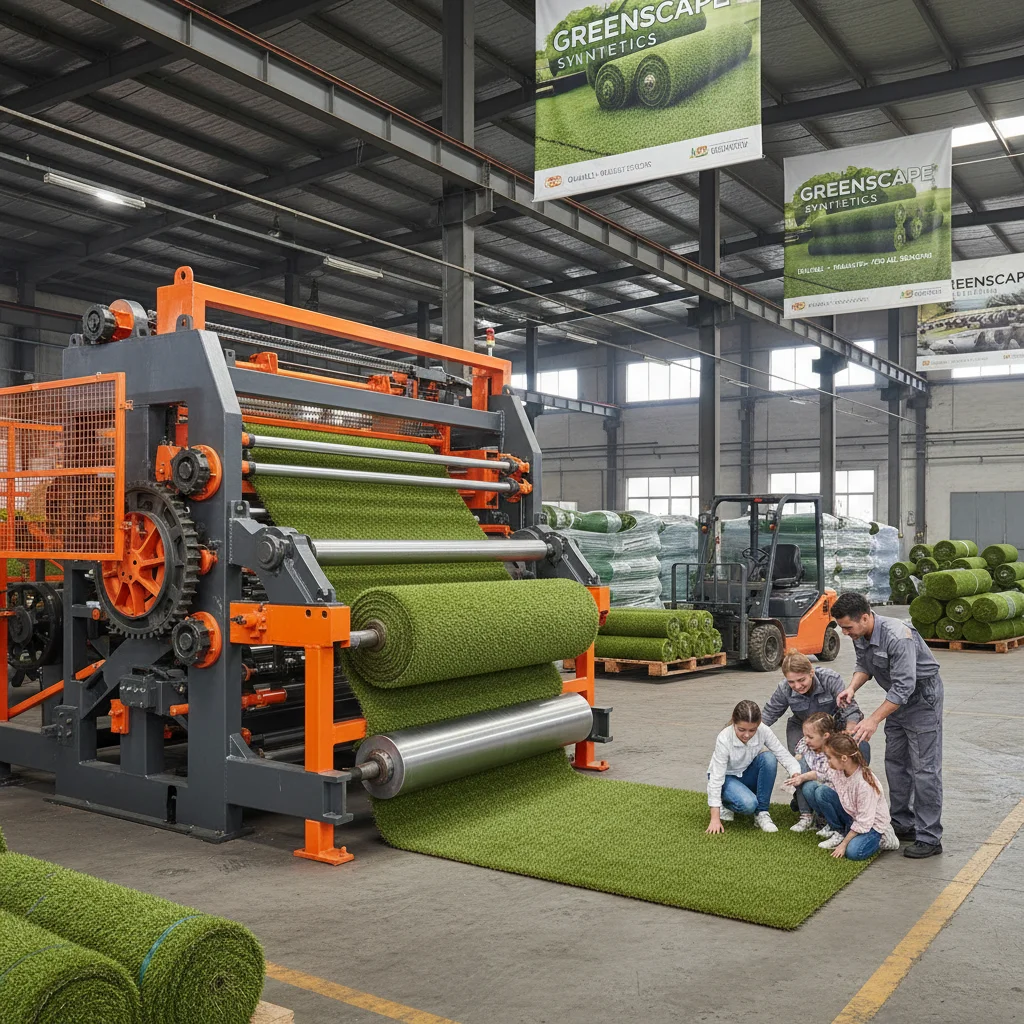
Understanding the complexities of football turf price is essential for sports facility managers, municipal planners, and private investors worldwide. As the demand for year-round athletic surfaces increases, the cost of high-performance synthetic grass has become a pivotal factor in determining the feasibility of community sports projects and professional stadium upgrades.
The global shift toward artificial surfaces is driven by the need for durability and reduced maintenance, but the variation in football turf price can be staggering based on material quality and installation standards. From basic community pitches to FIFA-certified professional fields, the financial investment reflects the engineering required to mimic natural grass dynamics.
By analyzing the drivers behind the football turf price, stakeholders can make informed decisions that balance upfront capital expenditure with long-term operational savings. This guide explores the technical variables, market trends, and value propositions that define the modern synthetic sports surfacing industry.
Factors Influencing the Initial Football Turf Price
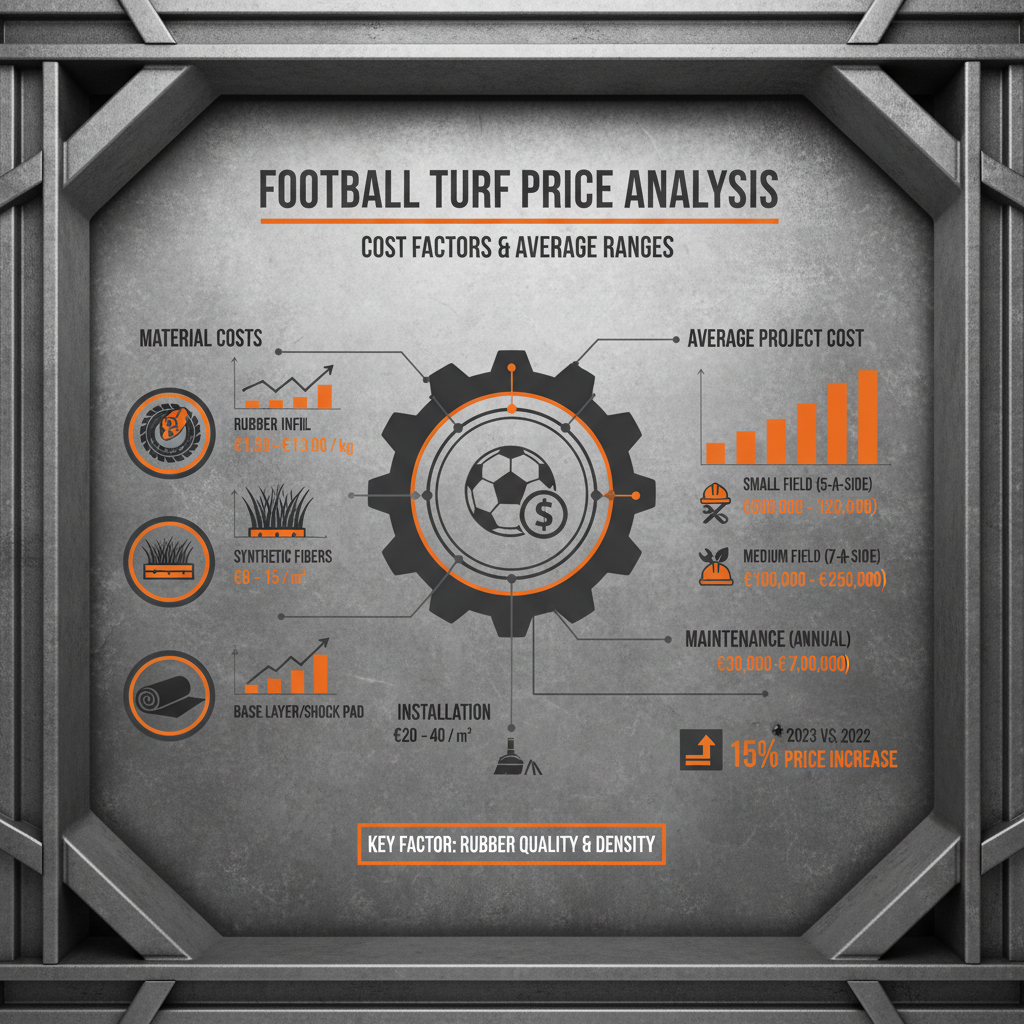
The football turf price is rarely a flat rate; instead, it is a composite of several critical variables. The primary driver is the quality of the synthetic fiber, where PE (polyethylene) and PP (polypropylene) options vary in cost based on their UV resistance and tensile strength. Higher-grade resins ensure that the field doesn't degrade under intense sunlight, which justifies a premium initial price point.
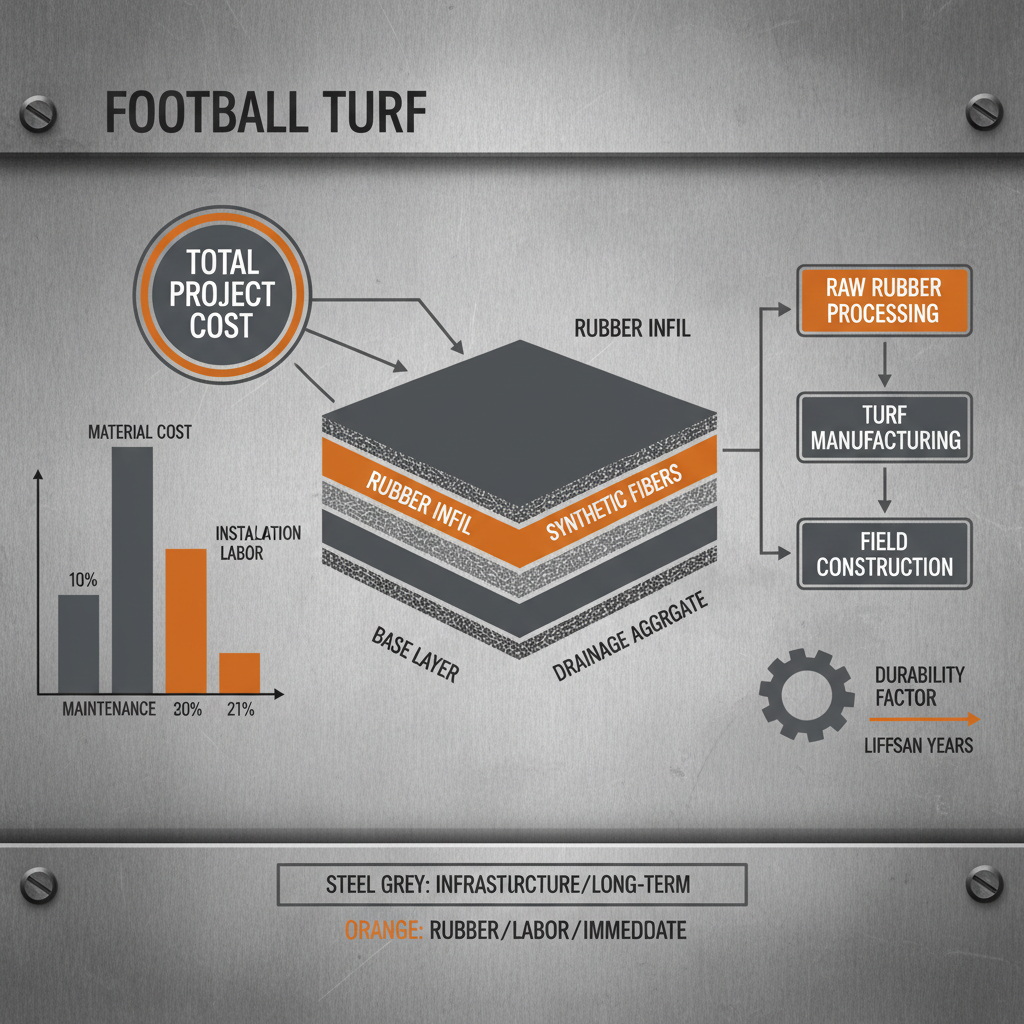
Beyond the turf itself, the sub-base preparation significantly alters the total football turf price. A professional-grade shock pad and a precisely leveled crushed stone base are required for competitive play to prevent injuries and ensure proper drainage. These infrastructural requirements often account for a substantial portion of the overall project budget, moving the cost beyond just the "price per square meter" of the grass.
The Relationship Between Pile Height and Cost
Pile height refers to the vertical length of the synthetic blades, and it is a direct determinant of the football turf price. Shorter piles are generally more affordable and are often used for multi-purpose areas or low-impact sports, whereas professional football fields require a specific height (usually between 40mm and 60mm) to allow for adequate infill and ball roll.
Increased pile height requires more raw polymer material per square meter, which naturally elevates the football turf price. However, taller grass provides better cushioning and a more "natural" feel, which is critical for reducing player fatigue and preventing joint stress during high-intensity matches.
When budgeting, it is important to recognize that the cheapest option in terms of pile height may lead to higher long-term costs due to faster wear and tear. Investing in an optimized pile height tailored to the expected usage volume ensures a balance between the initial football turf price and the lifespan of the pitch.
Material Composition and its Impact on Value
The chemistry of the fibers is where the most significant variance in football turf price occurs. Monofilament fibers, which are single-strand and more resilient, typically command a higher price than fibrillated fibers, which are split into smaller filaments. Monofilament grass offers superior "spring-back" capabilities, keeping the field looking pristine even after heavy use.
Infill materials, such as SBR rubber crumbs, EPDM, or organic cork, also shift the football turf price. While SBR is the industry standard due to its affordability, high-end projects are increasingly opting for eco-friendly or cooling infills that reduce surface temperature, adding a premium to the overall cost but enhancing player safety and comfort.
Furthermore, the backing layer—typically a combination of woven polypropylene and a latex or polyurethane coating—influences the football turf price. A high-density backing prevents the fibers from pulling out and ensures the turf remains stable across the sub-base, providing a critical structural foundation for the playing surface.
Comparing Installation Methods and Budgeting
Installation costs are often an overlooked component of the football turf price. A "turnkey" solution, where the manufacturer handles everything from excavation to the final line marking, usually carries a higher price tag but offers a comprehensive warranty. In contrast, sourcing the turf independently and hiring local contractors can lower the immediate football turf price but may introduce risks in quality control.
The complexity of the drainage system also plays a role. Advanced porous bases and perimeter drainage pipes are essential for high-traffic football fields to prevent waterlogging, which increases the installation phase of the football turf price but prevents costly field failures and closures during rainy seasons.
Cost-Efficiency Analysis of Football Turf Price Categories
Global Market Trends in Synthetic Grass Pricing
Across different continents, the football turf price is influenced by regional logistics and raw material availability. In Asia and the Middle East, there is a surging demand for heat-resistant fibers, which has led to a specialization in UV-stabilized polymers that slightly increase the football turf price but prevent melting or discoloration in extreme climates.
Moreover, the globalization of supply chains has made high-quality synthetic turf more accessible. While professional-grade certifications (like FIFA Quality Pro) once pushed the football turf price out of reach for most schools, increased production efficiency in manufacturing hubs has brought these costs down, allowing more institutions to provide safe, standardized playing surfaces.
Long-Term Maintenance vs Upfront Investment
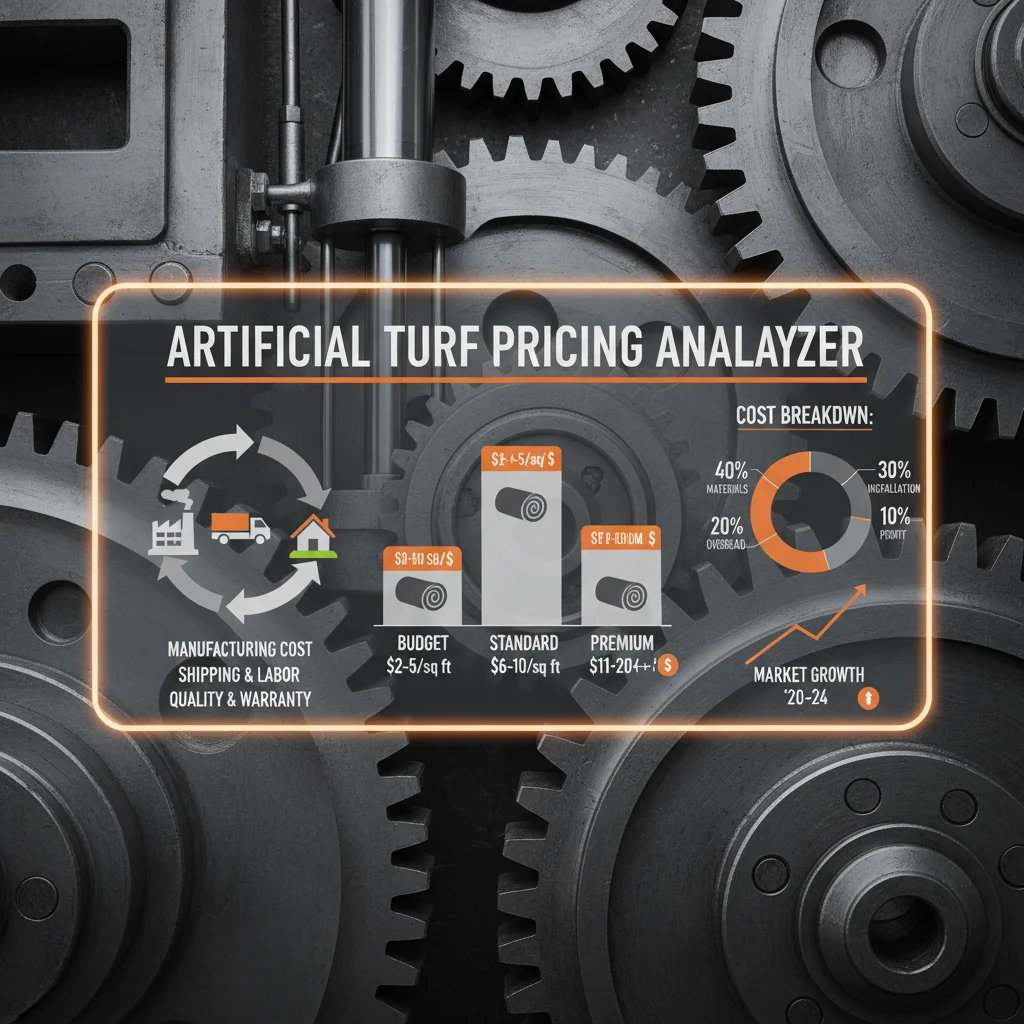
A common misconception is that a lower initial football turf price equates to a cheaper field over time. In reality, low-cost turf often requires more frequent grooming, faster infill replenishment, and a shorter replacement cycle. This "hidden cost" can quickly surpass the savings made during the initial purchase.
Investing in a higher-tier football turf price usually guarantees a longer lifespan—often 8 to 12 years compared to 5 years for budget options. Regular maintenance, such as brushing and aeration, is required for all types, but premium fibers resist "matting" much more effectively, reducing the labor costs associated with field upkeep.
Therefore, the most economical approach is to calculate the Total Cost of Ownership (TCO). When the football turf price is weighed against the reduced frequency of full-field replacements and lower annual maintenance hours, the premium options often emerge as the most financially sound choice.
Sustainability Innovations and Future Costing
The industry is currently pivoting toward "Green Turf," utilizing recycled plastics and biodegradable infills. While the development of these materials initially raised the football turf price due to R&D costs, economies of scale are beginning to bring these prices in line with traditional petroleum-based products.
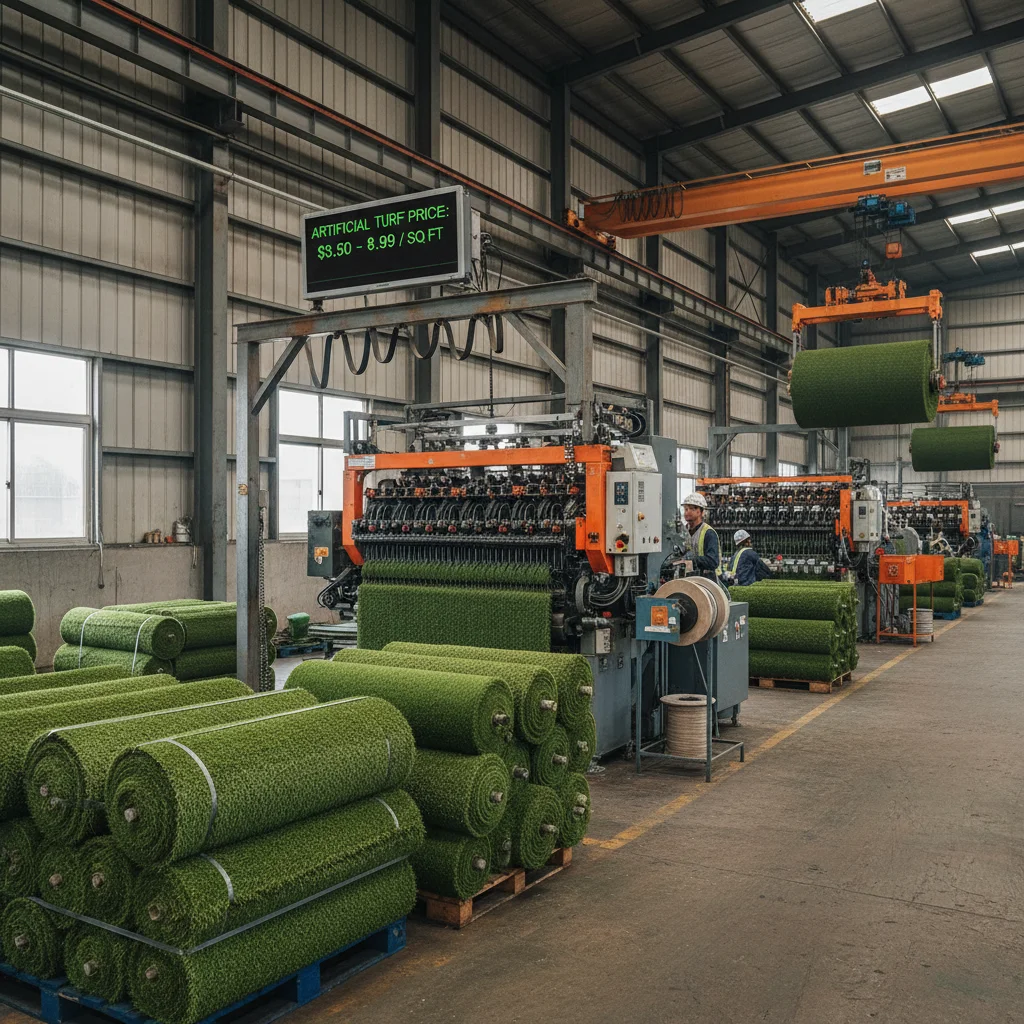
Digital transformation is also impacting the football turf price. Precision manufacturing and automated quality control reduce waste during production, which helps manufacturers keep costs stable despite the rising price of raw polymers. Additionally, new installation technologies are reducing the time and labor required, effectively lowering the final delivered cost.
Looking ahead, we expect a shift where the football turf price will be tied to the "circularity" of the product—meaning turf that can be fully recycled at the end of its life will be more valued and potentially more cost-effective through buy-back schemes.
Comparative Analysis of Turf Grades and Cost Factors
| Turf Grade |
Football Turf Price Level |
Expected Lifespan |
Primary Use Case |
| Economy/Basic |
Low |
4-6 Years |
Casual Play / Backyard |
| Mid-Range Sport |
Moderate |
6-8 Years |
School / Community Pitches |
| Professional (FIFA) |
High |
8-12 Years |
Professional Stadiums |
| Eco-Friendly Recycled |
Moderate-High |
7-10 Years |
Green-Certified Projects |
| Hybrid Systems |
Very High |
10-15 Years |
Elite League Academies |
| Multi-Sport Versatile |
Moderate |
6-9 Years |
Public Parks / Recreation |
FAQS
The price variation usually stems from the quality of the raw polymer, the UV stabilization technology, and the density of the stitching. High-end brands invest more in fiber resilience and "memory," ensuring the grass stands upright for years, whereas budget options may use lower-grade plastics that flatten quickly, leading to a lower initial price but higher replacement costs.
Yes, infill is a major cost component. Standard SBR rubber is the most affordable. However, EPDM, TPE, or organic cork infills, which offer better heat management and environmental safety, can increase the total cost by 15-30%. Many clients find the added cost worthwhile for the increased safety and comfort of the players.
To optimize costs, consider a hybrid approach: invest in high-quality turf fibers but use a more standard, reliable infill. Additionally, ensuring your sub-base is prepared correctly the first time avoids the need for expensive leveling repairs later, which is the most effective way to keep the long-term price per year low.
Not always. Some manufacturers provide a "material only" price per square meter, while others offer "installed" pricing. It is crucial to ask if the quote includes site preparation, shock pads, infill, and line marking. A "cheap" price per square meter can become expensive if installation is billed as a separate, high-cost service.
Larger projects typically benefit from "economies of scale." When ordering for a full-sized professional pitch, the cost per square meter of the turf often drops due to bulk material discounts and more efficient shipping. For smaller community pitches, the price per unit may be higher, but total capital expenditure remains lower.
It is likely. As governments ban certain rubber infills (like SBR) due to microplastic concerns, the industry is shifting toward organic and recyclable alternatives. While this transition might cause a temporary spike in the football turf price, the move toward sustainable materials will eventually stabilize as new manufacturing processes become the global standard.
Conclusion
Navigating the football turf price requires a shift in perspective from viewing it as a simple purchase to treating it as a long-term infrastructure investment. By understanding the interplay between fiber quality, pile height, infill choices, and installation standards, facility owners can avoid the pitfalls of "budget" options that lead to premature failure. The true value of a synthetic pitch lies in its ability to provide a consistent, safe, and durable environment for athletes, regardless of the weather or usage intensity.
As we look toward the future, the integration of sustainable materials and smart manufacturing will continue to refine the football turf price, making professional-grade surfaces accessible to a wider range of communities. We recommend prioritizing a Total Cost of Ownership analysis over the lowest initial bid to ensure the longevity and safety of your sports facility. For expert guidance and competitive pricing on high-performance sports grass, visit our website: www.xiongyigrass.com.