Exploring Fake Grass Prices Trends and Factors for Informed Purchasing Decisions
  • Home
  • Top Blog
  • Exploring Fake Grass Prices Trends and Factors for Informed Purchasing Decisions
0%

Table of Contents

Fake grass prices are a crucial consideration for a growing number of homeowners, businesses, and municipalities seeking cost-effective, low-maintenance landscaping solutions. The increasing demand for artificial turf is driven by factors like water conservation, reduced maintenance costs, and aesthetic appeal, creating a dynamic market with varying price points. Understanding the nuances of fake grass prices is essential for making informed purchasing decisions and maximizing return on investment.

Globally, the artificial turf market is experiencing substantial growth, fueled by environmental concerns and a desire for sustainable landscaping practices. Reports indicate a steady rise in demand across regions facing water scarcity or harsh climates. Factors influencing fake grass prices include material quality, pile height, density, and installation costs. This has led to a complex interplay of supply and demand, affecting market accessibility and affordability.

Fake grass prices represent more than just a monetary cost; they reflect an investment in long-term savings, environmental responsibility, and enhanced lifestyle. Choosing the right artificial turf requires careful consideration of various factors, including intended use, foot traffic, and aesthetic preferences, all of which impact the final price. Accessing accurate and up-to-date information on fake grass prices is therefore vital for consumers and businesses alike.
fake grass prices

Understanding the Factors Influencing Fake Grass Prices

fake grass prices

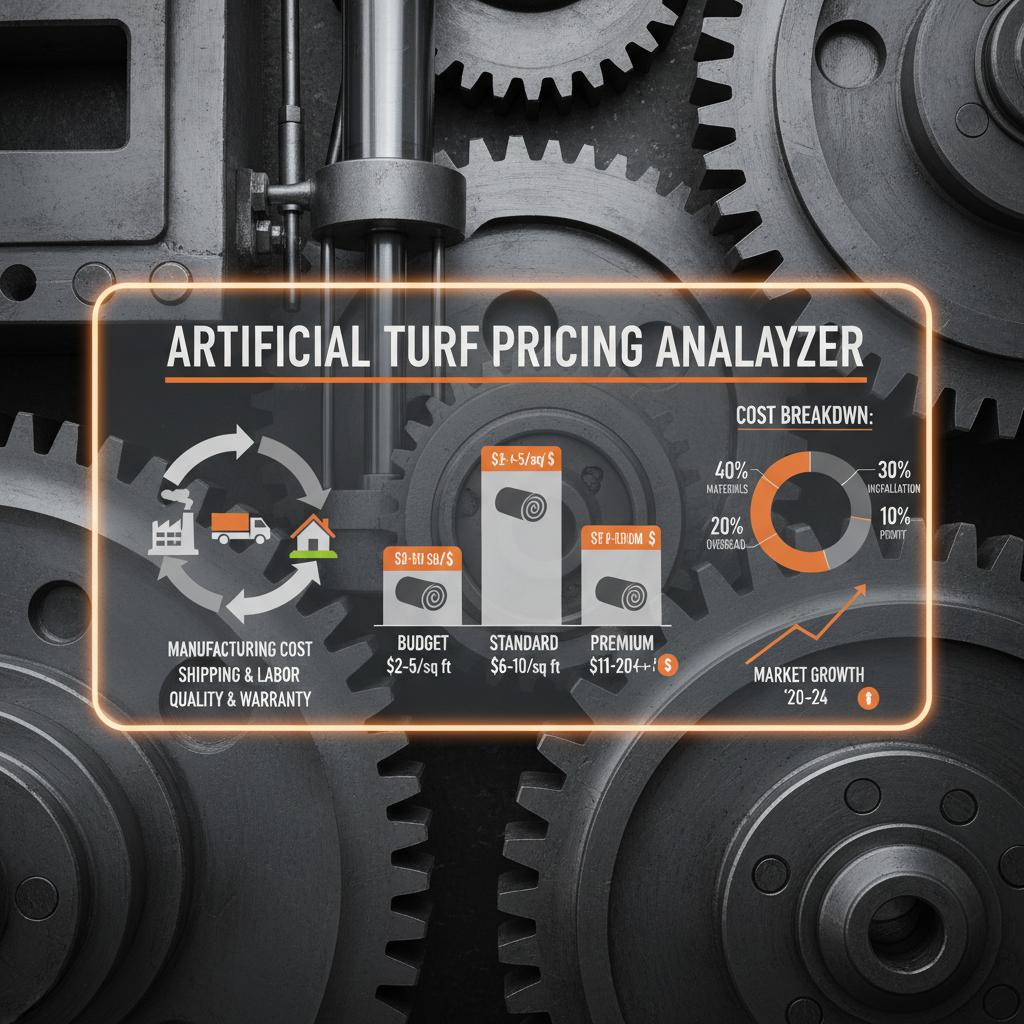
Several key factors contribute to the final fake grass prices. Material composition, specifically the type of fibers used (polyethylene, polypropylene, or nylon), significantly impacts cost. Higher-quality materials generally lead to higher prices but offer enhanced durability, UV resistance, and a more realistic appearance. Pile height, the length of the grass fibers, also plays a role; taller piles tend to be more expensive.

Installation costs are a major component of overall expenses. Factors such as site preparation (leveling, removing existing turf), the complexity of the installation area, and labor rates all contribute. The need for additional materials like infill (to support the fibers and provide cushioning) and geotextile fabric also adds to the total expense. Ultimately, understanding these variables allows for a more accurate budget and informed decision-making.

Regional Variations in Fake Grass Prices

Fake grass prices exhibit considerable regional variation due to differences in transportation costs, labor rates, demand, and local regulations. Areas with limited access or high transportation expenses typically experience higher prices. Similarly, regions with a strong demand for artificial turf, driven by water restrictions or aesthetic preferences, may see inflated costs.

Labor costs also play a significant role. States with higher minimum wages or a shortage of qualified installers will likely have higher installation fees. Furthermore, local regulations regarding waste disposal and environmental compliance can add to the overall cost. It's crucial to obtain quotes from local suppliers and installers to accurately assess prices in your specific area.

Comparing fake grass prices across different regions can reveal substantial savings. For example, purchasing materials from a supplier in a lower-cost area and arranging for installation separately might be a viable option, although transportation expenses should be carefully considered. Accessing online resources and comparing quotes from multiple providers is essential for finding the best deals.

The Impact of Quality on Fake Grass Prices

The quality of fake grass directly correlates with its price. Lower-quality products often use cheaper materials, resulting in a less realistic appearance, reduced durability, and shorter lifespan. While initially tempting due to their lower cost, these options may require more frequent replacement, ultimately leading to higher long-term expenses.

Higher-quality fake grass utilizes premium materials like polyethylene or nylon, offering superior UV resistance, colorfastness, and resilience. These products are designed to withstand heavy foot traffic, extreme weather conditions, and prolonged exposure to sunlight, ensuring a longer lifespan and sustained aesthetic appeal. Investing in quality upfront can translate into significant savings over time.

Beyond materials, quality is also reflected in the manufacturing process. Products manufactured with advanced technology and rigorous quality control standards tend to be more durable and consistent. Checking for certifications and warranties can provide assurance of product quality and manufacturer accountability. fake grass prices often reflect the level of investment in these quality control measures.

Fake Grass Prices: A Comparative Analysis of Materials

The choice of materials significantly influences fake grass prices. Polypropylene is the most affordable option, but it offers limited durability and UV resistance, making it suitable for low-traffic areas. Polyethylene is a popular mid-range choice, providing a good balance of affordability, durability, and realism.

Nylon is the most expensive material, renowned for its exceptional durability, resilience, and realistic appearance. It’s ideal for high-traffic areas and applications requiring long-term performance. When evaluating fake grass prices, it's essential to understand the material composition and its implications for long-term value.

Comparing Fake Grass Prices by Material

Applications Influencing Fake Grass Prices

The intended application of fake grass significantly impacts its price. Residential lawns typically have lower price points compared to specialized applications like sports fields or putting greens, which require higher-performance materials and more complex installation processes.

Sports fields demand exceptionally durable turf capable of withstanding intense use and providing optimal player safety. This necessitates higher-quality materials, specialized infill systems, and rigorous testing, all contributing to increased costs. Putting greens require precise surface characteristics and meticulous installation, further elevating prices.

Long-Term Cost Savings and the Value of Fake Grass

While the initial investment in fake grass may be higher than traditional lawn maintenance, the long-term cost savings can be substantial. Artificial turf eliminates the need for mowing, watering, fertilizing, and pest control, reducing ongoing expenses.


The elimination of water usage is a particularly significant benefit in regions facing water scarcity. Fake grass also requires minimal maintenance, freeing up valuable time and resources. Considering these factors, the long-term value of fake grass often outweighs its initial cost.

Future Trends and Predictions for Fake Grass Prices

Several trends are expected to influence fake grass prices in the coming years. Advancements in materials science are leading to the development of more sustainable and durable artificial turf options, potentially impacting cost structures.

Increased demand for environmentally friendly products is driving innovation in recycled materials and biodegradable infill systems. Furthermore, advancements in manufacturing processes and economies of scale could lead to lower production costs, making fake grass more accessible to a wider range of consumers.

The integration of smart technologies, such as sensors for monitoring turf health and automated irrigation systems, could also influence pricing. These developments promise to enhance the value and sustainability of artificial turf, further driving its adoption.

Summary of Key Factors Influencing Long-Term Fake Grass Prices

Material Quality Installation Complexity Regional Demand Maintenance Requirements
Higher-quality materials increase upfront cost but reduce long-term replacement expenses. Complex installations (e.g., uneven terrain) add to labor costs. High demand in specific regions can inflate prices due to limited supply. Minimal maintenance translates to significant long-term savings.
Nylon offers highest durability, but at a higher price point. Professional installation is crucial for optimal performance and longevity. Areas with water restrictions often see increased demand and higher prices. Eliminates costs associated with mowing, watering, and fertilizing.
Polyethylene provides a balance between cost and performance. Proper site preparation is essential for a smooth and durable surface. Competition among suppliers can drive prices down. Reduces the environmental impact associated with lawn care.
Polypropylene is the most affordable but least durable option. Drainage considerations are important for preventing waterlogging. Bulk purchases can often result in discounted prices. Increases property value and aesthetic appeal.
Material warranties offer protection against defects and premature wear. Infill selection impacts performance, cost, and maintenance. Seasonal demand fluctuations can affect pricing. Provides a safe and consistent playing surface for children and pets.
UV resistance is crucial for preventing fading and degradation. Professional installers ensure proper seam placement and finishing. Negotiating with suppliers can potentially lower prices. Eliminates the need for harmful pesticides and herbicides.

FAQS

What is the average cost of installing fake grass per square foot?

The average cost of installing fake grass typically ranges from $5 to $15 per square foot, including materials and labor. This price can vary significantly based on the quality of the turf, the complexity of the installation site, and regional labor rates. It’s important to obtain multiple quotes from local installers to get an accurate estimate for your specific project. Factor in potential costs for site preparation, like removing existing turf or leveling the ground.

How long does fake grass typically last?

High-quality fake grass can last anywhere from 15 to 25 years with proper care. The lifespan depends on factors like the material composition, the amount of foot traffic it receives, and exposure to UV rays. Nylon turf generally has the longest lifespan, followed by polyethylene and polypropylene. Regular brushing and occasional cleaning can help extend the life of your artificial lawn.

Is fake grass environmentally friendly?

Fake grass can be environmentally friendly compared to natural lawns, as it eliminates the need for watering, fertilizing, and pesticides. This conserves water resources and reduces the use of harmful chemicals. However, the manufacturing process of artificial turf does have an environmental impact. Choosing products made from recycled materials and opting for responsible disposal methods can minimize the environmental footprint. fake grass prices often reflect the sustainability of the materials used.

What maintenance is required for fake grass?

Fake grass requires minimal maintenance compared to natural lawns. Regular brushing helps keep the fibers upright and prevents matting. Occasional rinsing with water can remove debris and maintain cleanliness. It's also recommended to remove any weeds that may sprout and to occasionally replenish the infill material to maintain cushioning. Proper drainage is also essential to prevent waterlogging.

Does fake grass get hot in the sun?

Fake grass can get warmer than natural grass in direct sunlight, but advancements in technology have mitigated this issue. Modern artificial turf products often incorporate cooling technologies, such as specialized infill materials and reflective pigments, to reduce surface temperatures. Water misting systems can also help cool the turf on hot days.

What are the best infill options for fake grass?

Several infill options are available for fake grass, each with its own benefits and drawbacks. Silica sand is a common and affordable option, providing stability and support. Acrylic-coated sand offers improved durability and cushioning. Cork infill is an eco-friendly choice with excellent cooling properties. Choosing the right infill depends on the intended use of the turf and your budget.

Conclusion

In conclusion, fake grass prices are influenced by a complex interplay of factors, ranging from material quality and installation costs to regional demand and intended application. While the initial investment may be higher than traditional lawn maintenance, the long-term cost savings, reduced environmental impact, and enhanced aesthetic appeal make artificial turf a compelling alternative for homeowners, businesses, and municipalities alike. Understanding these dynamics is crucial for making informed decisions and maximizing the value of your investment.

Looking ahead, continued innovation in materials science and manufacturing processes is expected to drive down fake grass prices and improve its sustainability. As awareness of the environmental benefits of artificial turf grows, demand is likely to increase, further fueling innovation and competition within the industry. For those seeking a low-maintenance, eco-friendly, and aesthetically pleasing landscaping solution, exploring the options and obtaining quotes from reputable suppliers is a worthwhile endeavor. Visit our website at www.xiongyigrass.com to learn more about our products and pricing.

William Wilson

William Wilson

William Wilson is the Marketing and Communications Manager for XY Grass in the US market. He is responsible for developing and executing marketing strategies to increase brand awareness and generate leads. William manages the company’s website, social media channels, and online advertising campaigns. He focuses on highlighting XY Grass’s core advantages – integrated manufacturing, strong product supply, and commitment to quality. He also creates content showcasing successful installations and the benefits of artificial grass for various applications.
Previous Understanding Artificial Grass Price Factors and Long Term Value
Next Understanding Turf Prices Factors Installation and Long Term Value

If you are interested in our products, you can choose to leave your information here, and we will be in touch with you shortly.