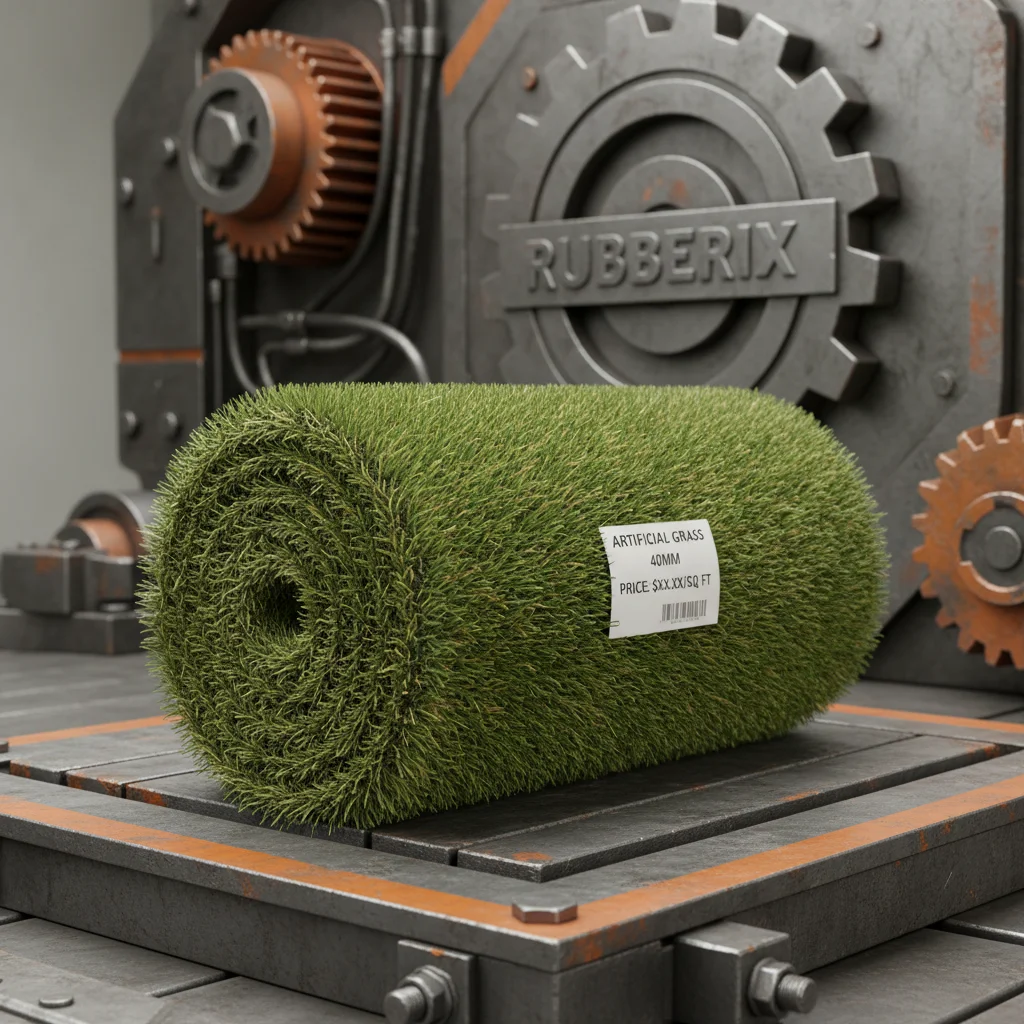
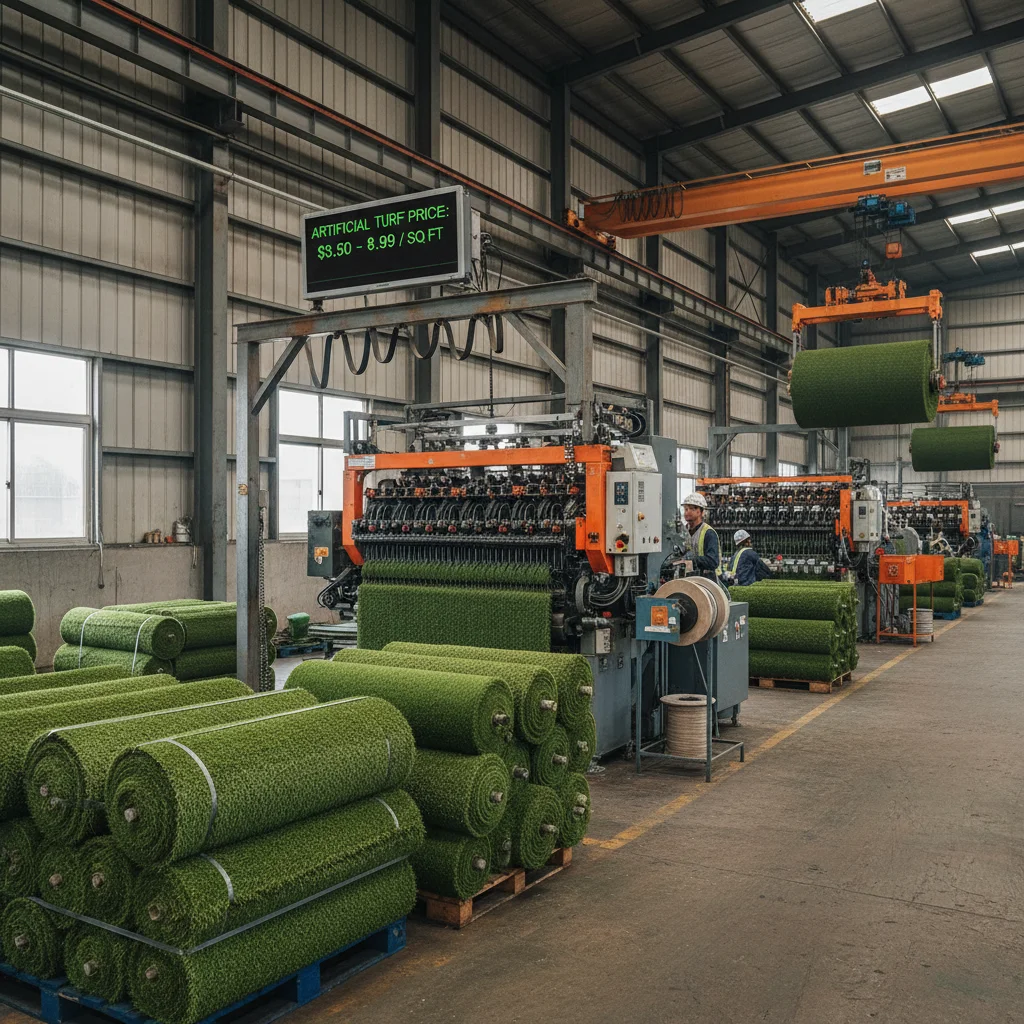
Turf prices, encompassing the cost of artificial grass and its associated installation, are a critical factor in a rapidly growing global market. From sporting fields and landscaping to commercial spaces and residential gardens, the demand for turf is steadily increasing. Understanding the nuances of turf prices is essential for budget planning, project feasibility, and informed purchasing decisions. This understanding extends beyond simply the cost per square foot; it involves considering factors like turf quality, pile height, density, and installation complexity.
The global turf market is driven by increasing urbanization, a growing emphasis on aesthetic appeal, and the desire for low-maintenance landscaping solutions. Data from industry reports indicate a consistent year-over-year growth, particularly in regions facing water scarcity where natural grass upkeep is challenging. The UN’s Sustainable Development Goals, specifically those relating to sustainable cities and communities, indirectly support the adoption of artificial turf as a water-conservation measure. Consequently, accurate knowledge of current turf prices is vital for stakeholders across diverse sectors.
Fluctuations in raw material costs, manufacturing processes, and transportation logistics significantly impact turf prices. Consumers and businesses alike are navigating a landscape of varying price points, demanding transparency and value for their investment. This guide aims to demystify the components of turf prices, providing a comprehensive overview of the factors influencing cost and helping individuals and organizations make well-informed choices.
Introduction to turf prices
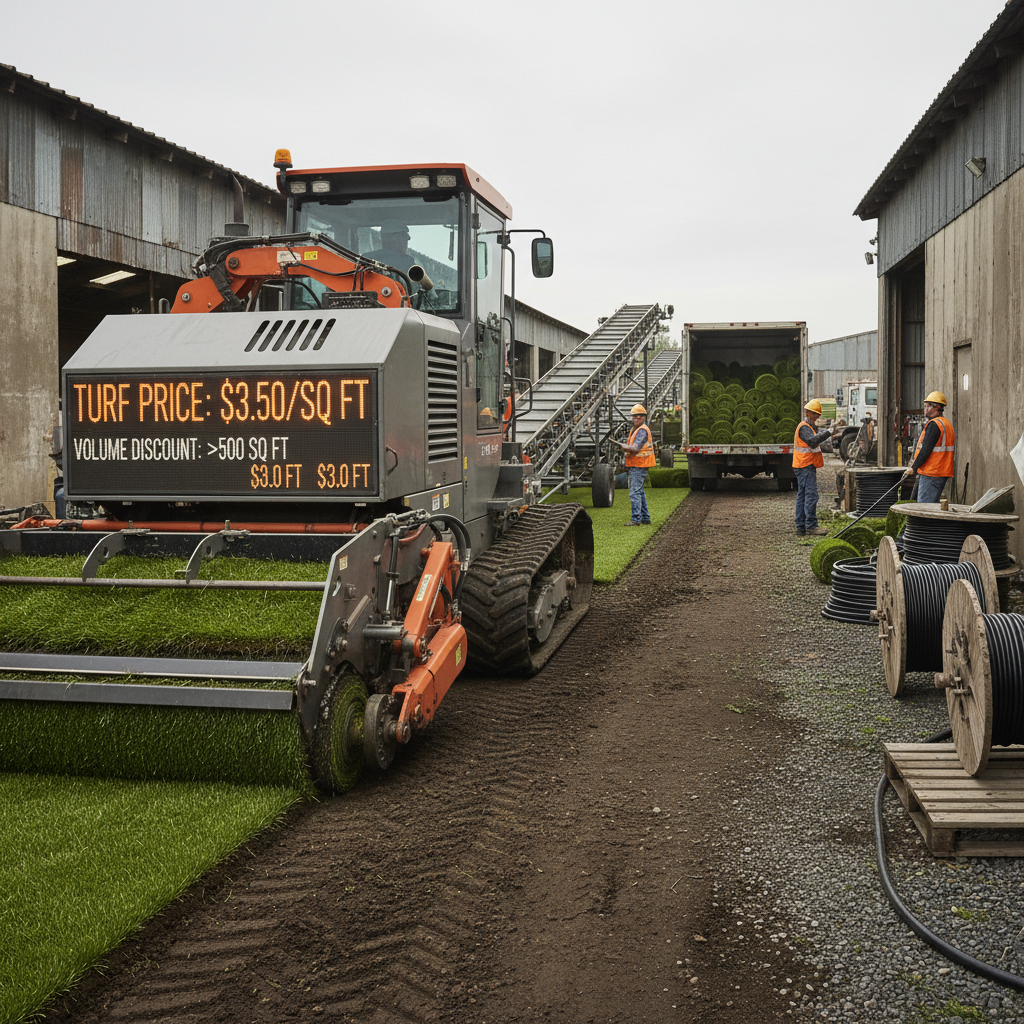
The concept of turf prices isn't merely about the monetary value assigned to artificial grass; it's a complex equation influenced by a myriad of factors. These include the type of fiber used in manufacturing, the density of the turf, the backing material, and the intricacy of the installation process. Understanding these components is crucial for accurately assessing the true cost of a turf project, avoiding hidden fees, and ensuring a return on investment. turf prices vary significantly based on these considerations.
Beyond the immediate purchase and installation costs, considerations such as maintenance requirements, lifespan, and potential resale value all contribute to the overall lifecycle cost of turf. While the initial investment may be higher than traditional grass, the long-term benefits, including reduced water consumption, elimination of mowing, and minimal fertilization, can often result in significant cost savings. Analyzing these factors provides a holistic view of turf prices and their economic viability.
Defining turf prices
Turf prices, in the most basic sense, represent the total cost associated with acquiring and installing artificial turf. This encompasses the price of the turf itself – typically calculated per square foot or square meter – as well as the additional expenses related to site preparation, material delivery, and professional installation services. The cost can also vary depending on the region, with areas experiencing higher labor costs generally reflecting higher overall turf prices.
However, a comprehensive definition of turf prices extends beyond these immediate costs. It includes an assessment of the turf's quality, durability, and expected lifespan. A lower price point may initially seem attractive, but a lower-quality turf might require more frequent replacements, ultimately increasing the long-term cost. Therefore, understanding the relationship between price, quality, and longevity is paramount.
In the modern context, turf prices are directly linked to the growing demand for sustainable landscaping solutions and the need to conserve water resources. As environmental awareness increases, the demand for low-maintenance, eco-friendly alternatives to natural grass is driving innovation in turf technology and influencing pricing strategies.
Core Components Influencing turf prices
Several key components contribute to the final turf prices. The fiber type – ranging from polyethylene (PE) and polypropylene (PP) to nylon – significantly impacts cost, with nylon being the most expensive due to its exceptional durability. The pile height, or the length of the grass blades, also affects the price, with longer pile heights generally commanding a higher premium.
The density of the turf, measured in stitches per square inch, is another critical factor. Higher density turf provides a more lush and realistic appearance, but also increases the material cost and installation complexity. The backing material – often polypropylene or polyurethane – plays a role in the turf’s durability and drainage capabilities, and therefore influences the overall turf prices.
Finally, installation costs represent a substantial portion of the total expense. These costs vary based on the site's condition, the complexity of the layout, and the labor rates in the specific region. Proper site preparation, including leveling and compaction, is essential for ensuring a long-lasting and aesthetically pleasing turf installation, adding to the overall expense.
Global Applications and the Impact on turf prices
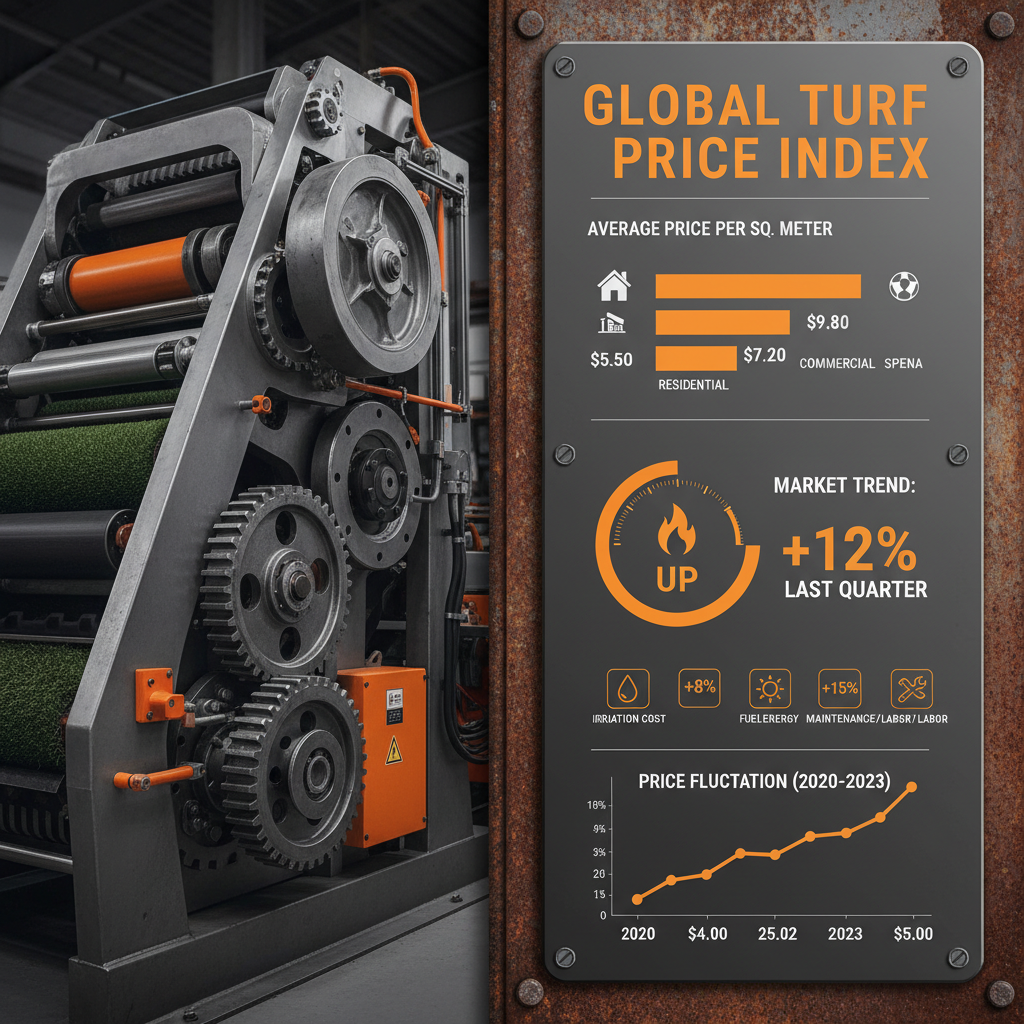
The application of turf significantly influences turf prices due to variations in requirements and installation complexities. For example, turf used in high-traffic sporting fields (soccer, football, baseball) demands a higher density, superior durability, and advanced shock absorption features, leading to a higher price point compared to turf used for residential lawns. The specific requirements dictated by governing sports organizations also contribute to increased costs.
In regions facing severe water restrictions, such as parts of California, Arizona, and the Middle East, the demand for drought-tolerant landscaping solutions has surged, driving up turf prices. Similarly, commercial applications, including rooftop gardens, indoor play areas, and pet-friendly spaces, are contributing to the growing market. In post-disaster relief operations, quick-installation turf can provide immediate recreational space for displaced communities, but logistical costs can significantly impact the overall price.
turf prices Comparison Based on Application
Advantages and Long-Term Value of Understanding turf prices
A thorough understanding of turf prices allows for informed budgeting and the selection of the most cost-effective solution for specific needs. By comparing prices from different suppliers, evaluating the quality of materials, and considering long-term maintenance costs, individuals and organizations can maximize their return on investment. Knowing how to evaluate turf prices empowers better financial planning.
Beyond cost savings, understanding the factors influencing turf prices contributes to more sustainable landscaping practices. Choosing durable, high-quality turf reduces the need for frequent replacements, minimizing waste and environmental impact. The long-term value extends to reduced water consumption, elimination of chemical fertilizers and pesticides, and a lower carbon footprint, aligning with environmental responsibility and promoting a healthier lifestyle.
Future Trends in turf prices
Innovation in turf technology is expected to drive changes in turf prices in the coming years. The development of bio-based turf fibers, made from renewable resources, could potentially reduce manufacturing costs and environmental impact, leading to more competitive pricing. Advanced yarn technologies, such as texturized yarns, are also improving the realism and performance of artificial turf, potentially increasing its value proposition.
The increasing adoption of smart turf systems, incorporating sensors for irrigation control and performance monitoring, will likely influence pricing. These systems can optimize water usage and identify potential maintenance issues, extending the lifespan of the turf and reducing long-term costs. Furthermore, advancements in installation techniques, such as robotic installation, could streamline the process and lower labor expenses.
Supply chain dynamics and geopolitical factors will continue to play a role in turf prices. Fluctuations in the cost of raw materials, shipping rates, and trade tariffs can all impact the final cost of turf. Adapting to these dynamic conditions and exploring alternative sourcing options will be crucial for maintaining competitive pricing.
Challenges and Solutions Regarding turf prices
One of the primary challenges surrounding turf prices is the lack of transparency in the market. Variations in pricing structures, hidden fees, and inconsistent quality standards can make it difficult for consumers to compare offers and make informed decisions. The proliferation of low-quality, imported turf also poses a challenge, as these products often lack durability and require frequent replacements.
To address these challenges, industry standardization and certification programs are becoming increasingly important. Establishing clear quality standards and labeling requirements can help consumers identify reputable suppliers and ensure they are receiving a product that meets their expectations. Promoting price transparency through online marketplaces and independent price comparison tools can also empower consumers to make informed choices.
Innovative financing options, such as leasing programs and installment plans, can help make turf more accessible to a wider range of customers. Furthermore, government incentives and rebates for sustainable landscaping practices can encourage the adoption of artificial turf and offset some of the upfront costs.
Core Factors Influencing Long-Term Turf Investment
| Initial Investment Cost |
Maintenance Expenses |
Lifespan & Replacement |
Water Conservation Impact |
| $5 - $10 per square foot (average) |
Minimal - occasional brushing/cleaning |
8 - 15 years (depending on quality) |
High - eliminates water usage for lawn upkeep |
| $7 - $12 per square foot (premium quality) |
Low - occasional sanitization for pet areas |
10 - 20 years (enhanced durability) |
Very High - significant reduction in water footprint |
| $4 - $7 per square foot (budget options) |
Moderate - may require more frequent cleaning |
5 - 10 years (shorter lifespan) |
Moderate - reduces water use compared to natural grass |
| $9 - $15 per square foot (specialty turf) |
Very Low - designed for minimal maintenance |
12 - 20+ years (exceptional longevity) |
High - promotes sustainable water management |
| $6 - $9 per square foot (standard installation) |
Minimal - infrequent infill replenishment |
7 - 12 years (typical lifespan) |
Medium - contributes to water savings initiatives |
| $10 - $18 per square foot (complex installations) |
Low - automatic cleaning systems available |
15+ years (premium build quality) |
Very High - supports responsible water stewardship |
FAQS
The primary drivers of turf prices are the cost of raw materials (like polyethylene and polypropylene), manufacturing processes, shipping and transportation costs, and demand. Global economic conditions, geopolitical events, and even seasonal factors can influence these costs. Higher quality turf, with denser fibers and more advanced backing, also commands a higher price. Understanding these components is key to navigating the market.
Installation costs can represent a significant portion – often 20-40% – of the total turf prices. Factors influencing installation cost include site preparation (leveling, compaction), the complexity of the layout, accessibility, and labor rates in your region. Poor site preparation can lead to premature turf failure, so it’s important to invest in professional installation services.
The lifespan of artificial turf typically ranges from 8 to 20 years, depending on the quality of the materials, the amount of foot traffic, and the level of maintenance. Higher-quality turf, while more expensive upfront, generally has a longer lifespan, making it a more cost-effective investment in the long run. Consider the lifecycle cost, not just the initial purchase price.
Potential hidden costs can include the removal and disposal of existing grass, the cost of base materials (gravel, sand), drainage solutions, and potential permitting fees. Some installers may also charge extra for complex shapes or difficult access to the installation site. Always get a detailed, written quote that outlines all costs before committing to a project.
Pile height refers to the length of the grass blades. Higher pile heights generally result in a more luxurious and realistic appearance, but also come with a higher price tag. Longer pile heights may also require more frequent maintenance to keep them upright and looking their best. Shorter pile heights are often preferred for high-traffic areas like sports fields.
When comparing quotes, don’t just focus on the price per square foot. Ensure each quote includes the same scope of work, including site preparation, materials, installation, and warranty. Check the specifications of the turf being offered (fiber type, density, pile height) and the installer's experience and reputation. Ask for references and review online testimonials.
Conclusion
In conclusion, understanding turf prices requires a holistic assessment of numerous factors, from material quality and installation complexity to long-term maintenance and environmental impact. It's not simply about finding the cheapest option; it's about making an informed decision that aligns with your specific needs, budget, and sustainability goals. A thorough understanding of the dynamics influencing turf prices empowers you to maximize your investment and enjoy the benefits of a beautiful, durable, and eco-friendly landscape.
Looking ahead, the turf industry is poised for continued innovation, with the development of more sustainable materials and advanced installation techniques. Embracing these advancements will not only drive down costs but also enhance the performance and environmental benefits of artificial turf. By staying informed and working with reputable suppliers and installers, you can ensure a successful and rewarding turf project.