Understanding Artificial Turf Price Per Sq Ft For Diverse Applications
  • Home
  • Top Blog
  • Understanding Artificial Turf Price Per Sq Ft For Diverse Applications
0%

Table of Contents

Artificial turf price per sq ft is a critical consideration for a wide range of projects, from residential lawns and athletic fields to commercial landscaping and specialized applications. Understanding the factors influencing this cost, including materials, installation, and ongoing maintenance, is essential for budgeting and making informed decisions. This knowledge empowers individuals and organizations to select the best turf solution for their needs and financial constraints, ensuring a successful and aesthetically pleasing outcome.

Globally, the demand for artificial turf is increasing due to factors like water scarcity, reduced maintenance requirements, and advancements in turf technology. This rise in demand directly impacts the artificial turf price per sq ft, influencing market dynamics and creating opportunities for innovation. Regions facing drought conditions, or with high labor costs associated with natural turf maintenance, are particularly driving this growth.

The artificial turf price per sq ft isn’t a fixed value; it varies significantly based on the quality of materials, installation complexity, and geographic location. As sustainable landscaping gains prominence, understanding and managing these costs becomes vital for both economic viability and environmental responsibility.
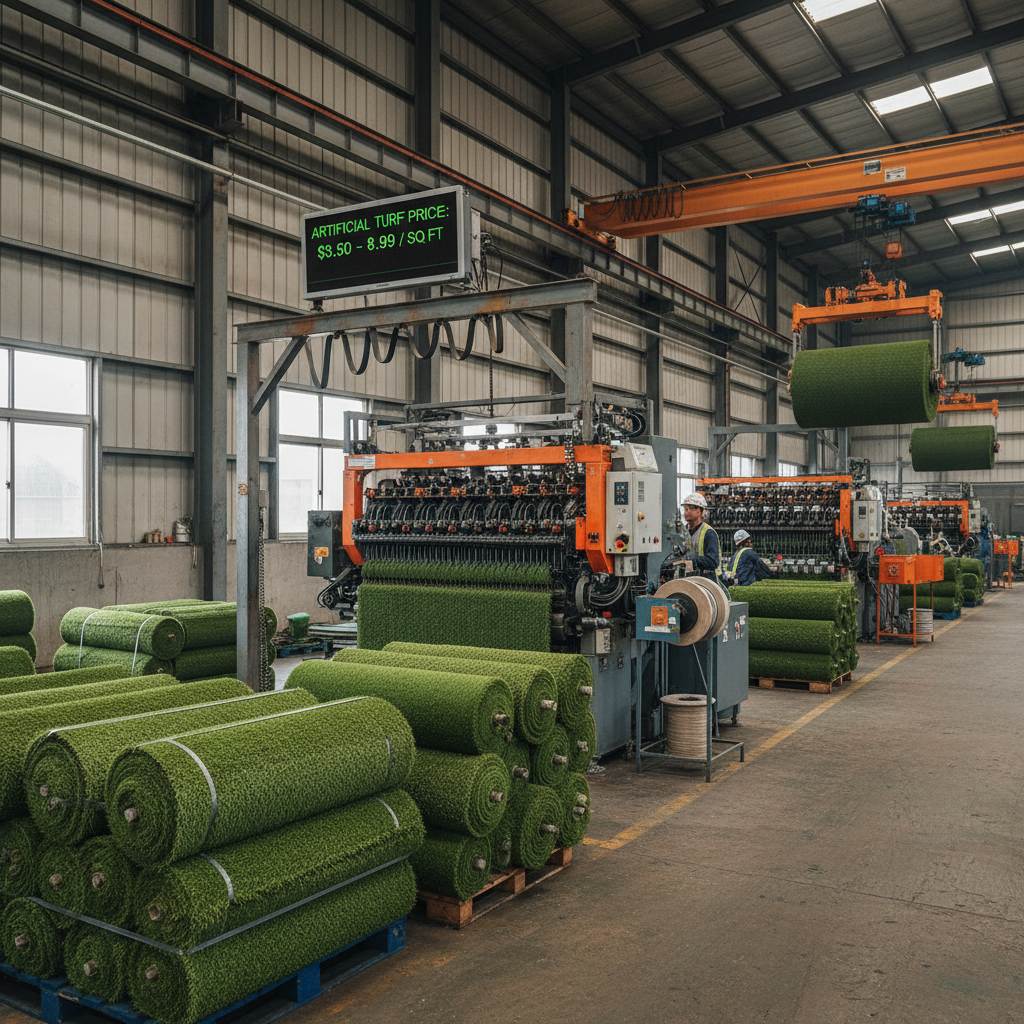
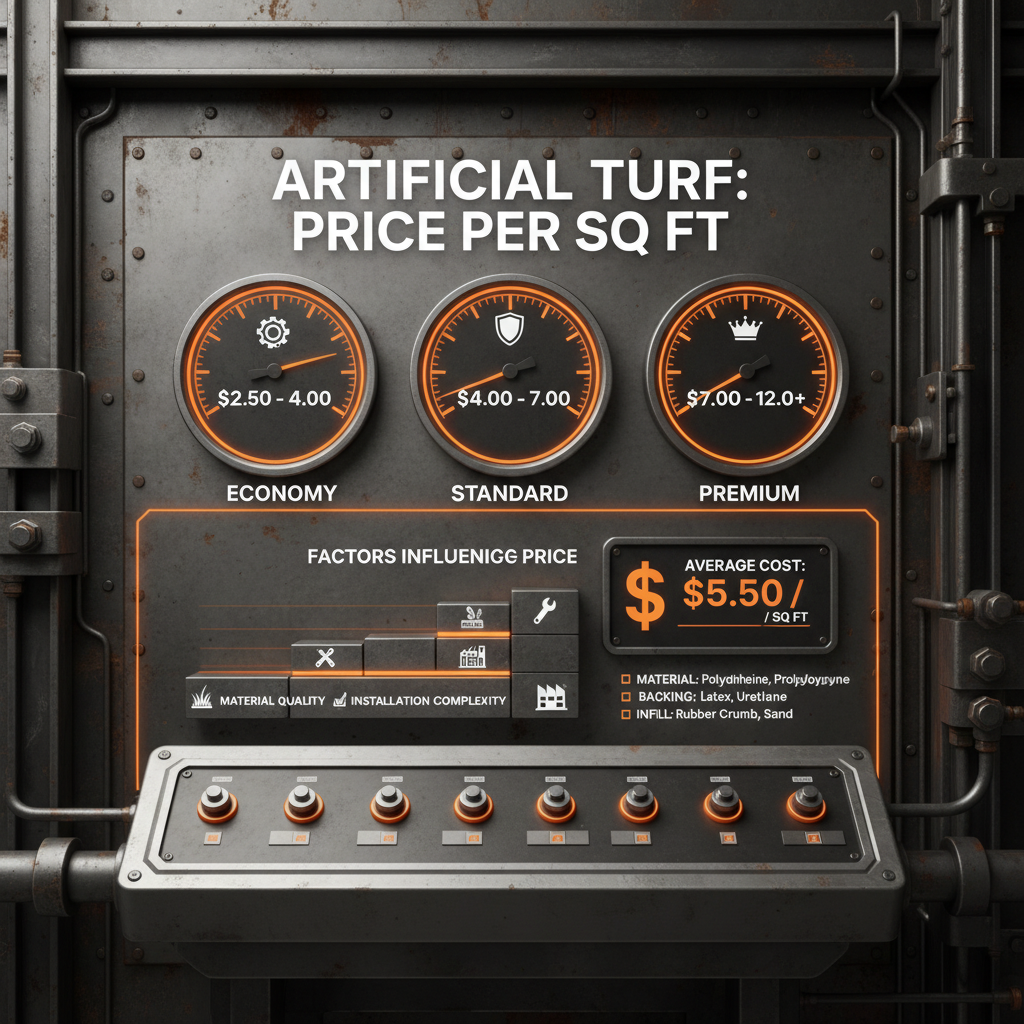
artificial turf price per sq ft

The Core Concepts of artificial turf price per sq ft

artificial turf price per sq ft

Understanding the components that constitute the artificial turf price per sq ft is crucial. This encompasses not only the cost of the turf itself – the fibers, backing, and infill – but also the preparatory work required for installation, such as site grading and base preparation. Accurately assessing these components allows for realistic budgeting and avoids unexpected costs.

The variability in artificial turf price per sq ft is significant. Factors like pile height, density, fiber type (polyethylene, polypropylene, nylon), and backing material all play a role. Higher quality materials generally equate to a higher initial investment, but often result in increased durability and a longer lifespan, potentially reducing long-term costs.

Global Market Trends in artificial turf price per sq ft

The global market for artificial turf is experiencing substantial growth, driven by factors such as increased urbanization, water conservation efforts, and the rising popularity of sports. This growth is directly influencing the artificial turf price per sq ft, with increased demand often leading to fluctuations in material costs and installation rates. Emerging markets in Asia-Pacific and Latin America are demonstrating particularly strong growth potential.

Supply chain disruptions, raw material availability, and geopolitical events can all impact the artificial turf price per sq ft. Monitoring these global trends is essential for forecasting costs and making strategic purchasing decisions. Furthermore, the development of more sustainable and eco-friendly turf materials is influencing market preferences and pricing structures.

Regional variations in labor costs and transportation expenses also contribute to the overall artificial turf price per sq ft. Areas with higher labor rates will typically see increased installation costs, while remote locations may incur higher transportation fees.

Defining artificial turf price per sq ft

Artificial turf price per sq ft represents the cost of installing one square foot of synthetic grass, encompassing materials (turf, infill, backing) and labor. It's a fundamental metric for comparing different turf options and budgeting for landscaping or sports field projects. The artificial turf price per sq ft should be considered alongside long-term maintenance costs when evaluating the overall investment.

This cost connects directly to modern industry needs for sustainable and low-maintenance landscaping solutions. It addresses the growing global concern of water conservation by providing a visually appealing alternative to natural grass that requires minimal watering. It also links to humanitarian needs by offering durable and safe playing surfaces in areas with limited resources.

Effectively understanding the artificial turf price per sq ft allows for informed project planning. It facilitates accurate cost estimations, enabling both individuals and businesses to make financially sound decisions regarding their landscaping or athletic field needs.

Key Factors Influencing artificial turf price per sq ft

Several factors influence the artificial turf price per sq ft, starting with the quality of materials. Higher-density polyethylene (PE) or polypropylene (PP) fibers generally cost more than lower-quality options. Backing material (woven or non-woven) and infill type (crumb rubber, silica sand, organic infill) also significantly impact the overall cost.

Installation complexity is another crucial determinant. Site preparation – leveling, grading, and base construction – can add significantly to the artificial turf price per sq ft, especially if extensive work is required. The accessibility of the installation site and any necessary drainage systems also contribute to labor costs.

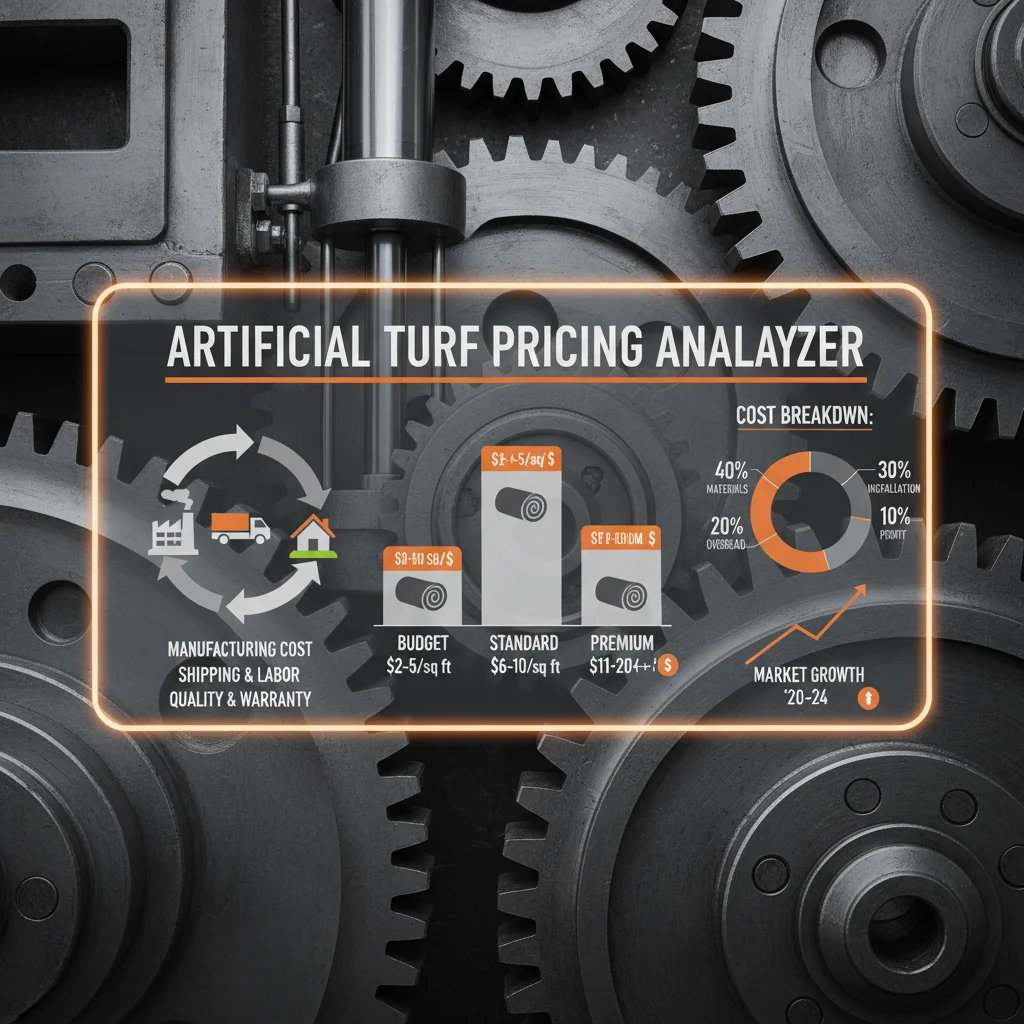
Artificial Turf Price per Sq Ft - Cost Breakdown

Applications of artificial turf price per sq ft

The application of artificial turf is incredibly diverse. Residential lawns benefit from reduced maintenance and a consistently green appearance. Sports fields, including soccer, football, and baseball, utilize artificial turf for enhanced performance, safety, and year-round usability.

Commercial landscaping, such as rooftop gardens, office complexes, and public parks, increasingly incorporates artificial turf for its aesthetic appeal and low upkeep requirements. In post-disaster relief operations, artificial turf can quickly provide safe and durable playing surfaces for children and communities.

Advantages and Value of artificial turf price per sq ft

The advantages of artificial turf extend beyond the initial artificial turf price per sq ft. Long-term cost savings are significant due to the elimination of watering, mowing, fertilizing, and other maintenance tasks. This contributes to environmental sustainability by conserving water and reducing carbon emissions from lawn care equipment.

Artificial turf offers enhanced safety features, providing a consistent and cushioned surface for athletic activities. The aesthetic benefits include a perpetually green appearance and customizable design options. From a social perspective, it provides accessible and usable recreational spaces for communities.

Future Innovations in artificial turf price per sq ft

Future innovations are focused on reducing the artificial turf price per sq ft while enhancing its performance and sustainability. The development of bio-based and recyclable turf materials is a key area of research. Advanced infill technologies, such as organic infill and engineered polymers, are aiming to improve shock absorption and reduce environmental impact.

Smart turf systems, incorporating sensors and data analytics, are emerging to optimize irrigation (for hybrid systems) and monitor turf health. Automated installation techniques and prefabricated turf panels promise to reduce labor costs and streamline the installation process, potentially lowering the overall artificial turf price per sq ft.

Continued focus on reducing microplastic shedding from turf fibers and improving end-of-life recycling options will be critical for ensuring the long-term sustainability of the industry.

Core Analysis of Factors Influencing Future Trends in Artificial Turf

Innovation Area Potential Impact on artificial turf price per sq ft Implementation Timeline Overall Feasibility (1-10)
Bio-based Turf Materials Moderate reduction in material costs due to sustainable sourcing. 5-10 years 7
Recyclable Turf Backing Reduced disposal costs and increased material recovery. 3-7 years 8
Advanced Infill Technologies Improved performance and potentially lower lifecycle costs. 2-5 years 9
Smart Turf Systems Optimized resource utilization and proactive maintenance. 5-10 years 6
Automated Installation Significant reduction in labor costs and installation time. 3-7 years 7
Prefabricated Turf Panels Faster installation and reduced on-site waste. 1-3 years 8

FAQS

What is the typical lifespan of artificial turf and how does that impact the long-term cost?

The lifespan of artificial turf typically ranges from 8 to 15 years, depending on quality, usage, and maintenance. While the initial artificial turf price per sq ft may be higher than natural grass installation, the extended lifespan and reduced maintenance costs (watering, mowing, fertilization) significantly lower the long-term cost of ownership. Choosing a high-quality turf with a longer warranty can maximize value and reduce replacement expenses.

How does the type of infill affect the artificial turf price per sq ft and performance?

The type of infill dramatically influences both the artificial turf price per sq ft and its performance. Crumb rubber is the most common and cost-effective option, but silica sand offers better drainage. Organic infills, like coconut coir, provide a more natural feel but can be more expensive. The artificial turf price per sq ft will increase with higher-performance and environmentally friendly infill options.

What site preparation is needed before installing artificial turf, and how does this impact the overall cost?

Proper site preparation is critical for a successful installation and significantly impacts the overall cost. This typically involves clearing the area, leveling the ground, installing a weed barrier, and creating a compacted base of gravel or crushed stone. Extensive grading or drainage improvements can substantially increase the artificial turf price per sq ft. Accurate site assessment is crucial for budgeting.

Are there any hidden costs associated with artificial turf installation that I should be aware of?

Potential hidden costs include permitting fees, removal and disposal of existing turf, unexpected drainage issues discovered during site preparation, and additional materials needed for specific landscaping features. Thoroughly reviewing quotes and understanding the scope of work is essential to avoid surprises. Always inquire about potential contingency costs to protect your budget.

How does the installation method (glue-down vs. non-glue) affect the artificial turf price per sq ft and longevity?

Glue-down installations, while more expensive upfront and impacting the artificial turf price per sq ft, generally provide greater stability and longevity, especially for high-traffic areas. Non-glue installations are quicker and more cost-effective but may be less durable and require more frequent maintenance. The best method depends on the specific application and budget.

What maintenance is required for artificial turf, and how does this compare to natural grass maintenance costs?

Artificial turf requires minimal maintenance compared to natural grass. Regular brushing to keep fibers upright, occasional infill replenishment, and debris removal are typically sufficient. This translates to significant cost savings in terms of watering, mowing, fertilizing, and pest control. While maintenance is needed, the overall cost is substantially lower than maintaining a natural lawn.

Conclusion

In conclusion, the artificial turf price per sq ft is a multifaceted consideration influenced by materials, installation complexity, and long-term maintenance. While the initial investment might appear significant, the benefits – including reduced water consumption, lower maintenance costs, and enhanced durability – often outweigh the upfront expense. Understanding these factors empowers informed decision-making and ensures a successful project.

Looking ahead, innovations in materials and installation techniques promise to further reduce the artificial turf price per sq ft while improving performance and sustainability. By embracing these advancements and prioritizing responsible lifecycle management, we can unlock the full potential of artificial turf as a valuable and environmentally sound landscaping solution. For more information and to explore available options, visit our website: artificial turf price per sq ft.
Robert Johnson

Robert Johnson

Robert Johnson serves as the Technical Support Manager for XY Grass in the US. With a background in polymer chemistry and materials science, Robert ensures that all products meet stringent quality control standards and comply with US safety regulations (UV resistance, fire retardancy, REACH, ROHS). He works closely with the R&D team in China, providing feedback on product development and optimization. Robert is often the first point of contact for installers and clients with technical questions, offering expertise on installation best practices and troubleshooting. He’s particularly proud of XY Grass’s commitment to creating safe surfaces for children and pets.
Previous Understanding Turf Prices Factors Installation and Long Term Value
Next Understanding Turf Price Per Square Foot for Successful Project Planning

If you are interested in our products, you can choose to leave your information here, and we will be in touch with you shortly.