Understanding turf price per square foot is crucial in today's construction and landscaping markets. It’s a fundamental metric for budgeting, project planning, and cost analysis, impacting everything from residential lawns to large-scale sports facilities. The ability to accurately assess and compare costs allows for informed decision-making, maximizing value and ensuring project success.
Globally, the demand for turf – both natural and synthetic – is consistently rising, driven by urbanization, a growing emphasis on recreational spaces, and an increased awareness of the aesthetic and environmental benefits of green areas. This demand directly influences turf price per square foot, which fluctuates based on material costs, manufacturing processes, transportation, and installation expertise. According to industry reports, the global artificial turf market alone is projected to reach $31.85 billion by 2032.
Accurately calculating turf price per square foot isn’t just about the initial material cost. It necessitates considering all associated expenses: site preparation, installation, ongoing maintenance, and potential replacement costs. This comprehensive approach is vital for sustainable land management and long-term financial planning, ensuring that investments in turf yield optimal returns.
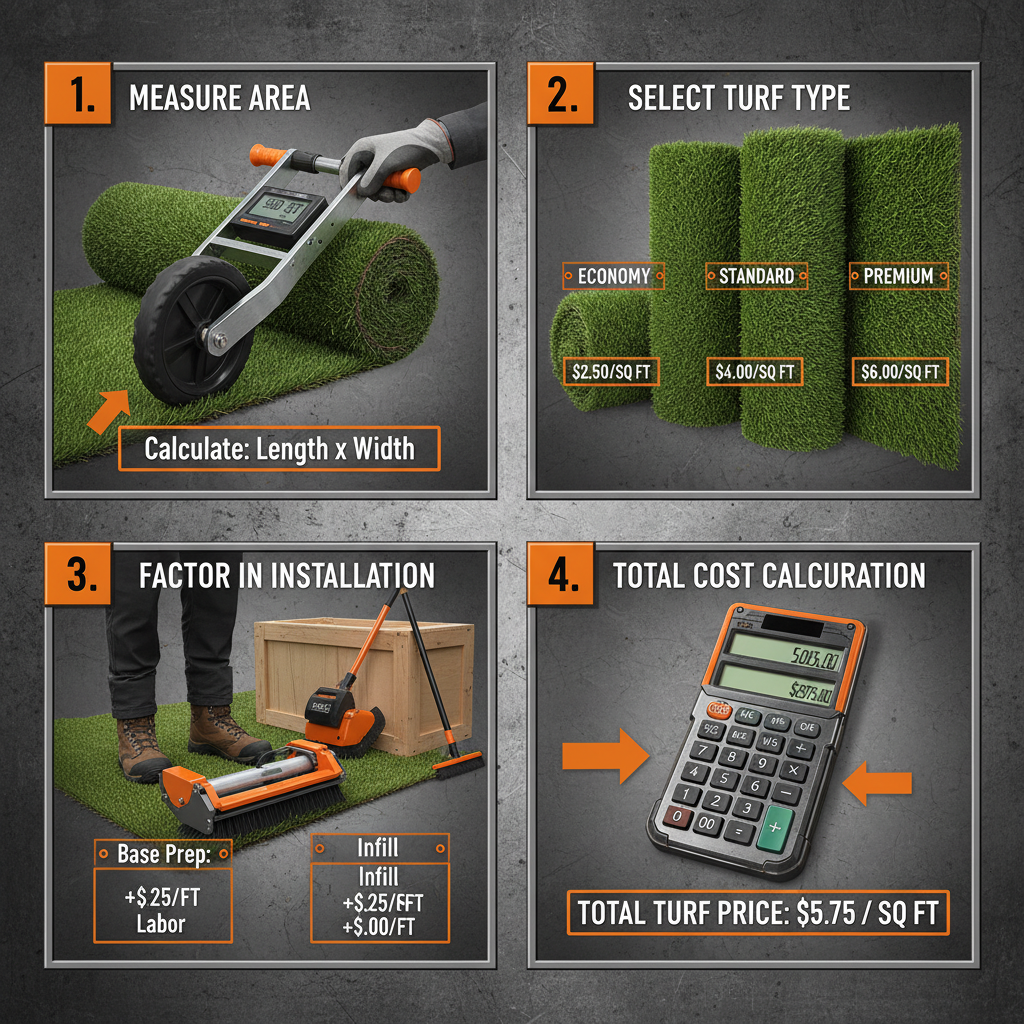
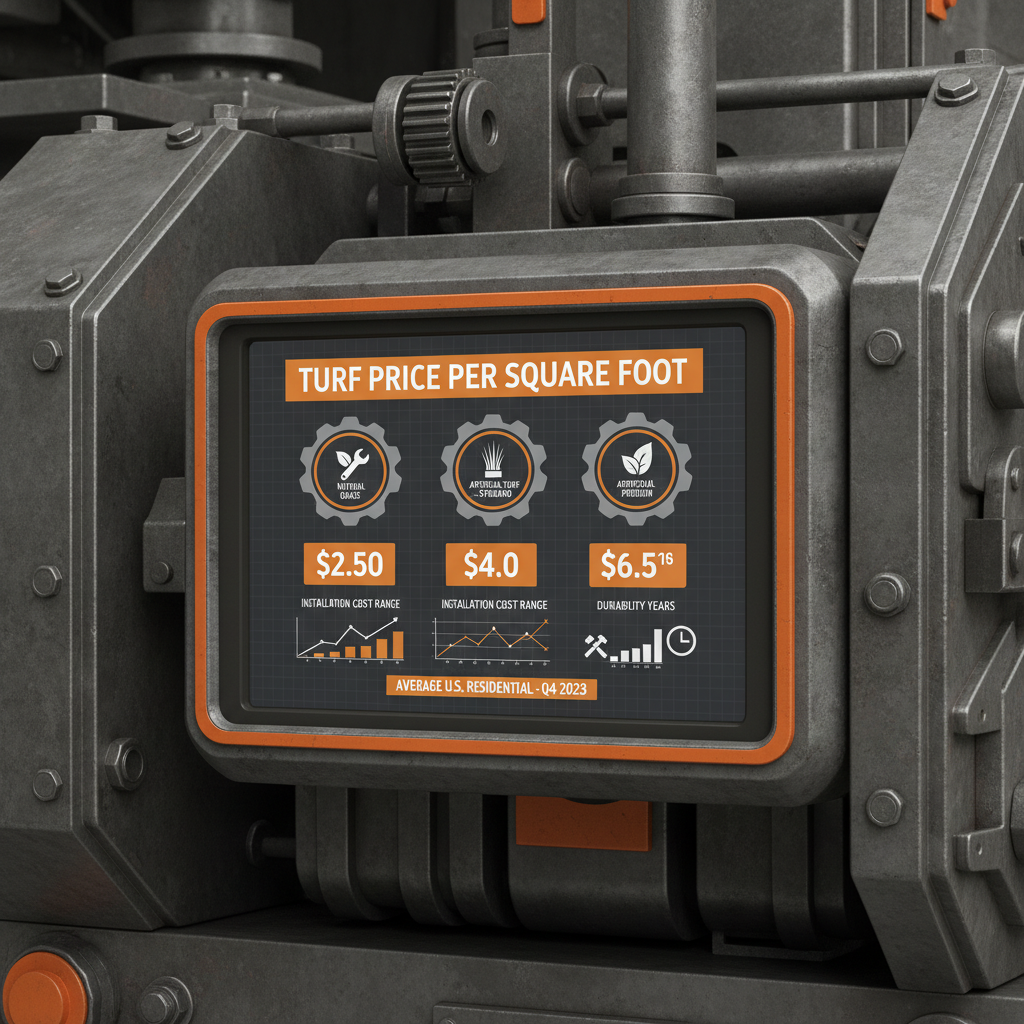
Understanding turf price per square foot is paramount for efficient resource allocation. Whether it’s a homeowner planning a small lawn or a municipal government undertaking a large park renovation, knowing the accurate cost is the first step toward successful project completion. Ignoring this vital metric can lead to budget overruns, compromised quality, and ultimately, dissatisfaction.
Moreover, turf price per square foot isn't static. It’s affected by supply chain dynamics, seasonal availability, and technological advancements. Staying informed about these fluctuations enables stakeholders to negotiate better deals and optimize their purchasing strategies.
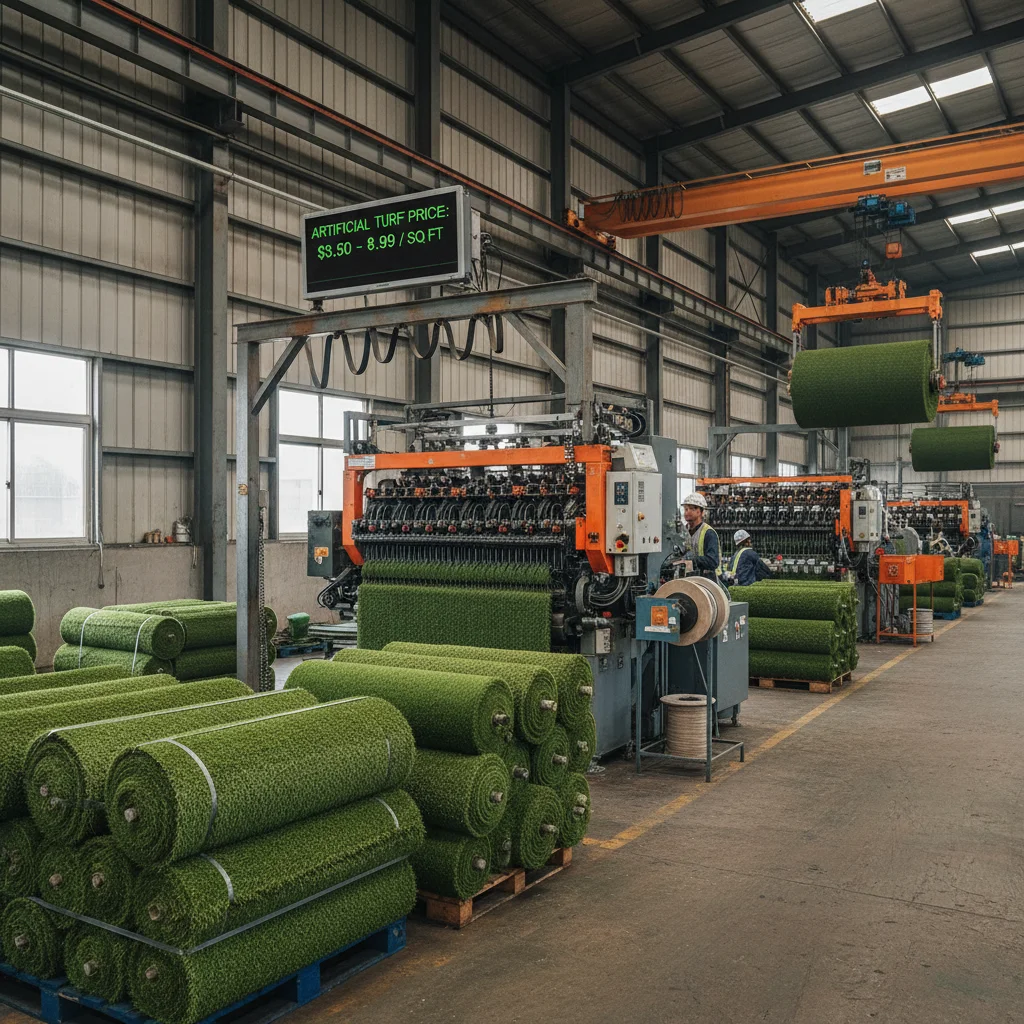
Several factors contribute to fluctuating turf price per square foot. These include seasonality (natural turf availability), geographic location (transportation costs), material costs (synthetic turf components), labor rates, and overall market demand. Economic conditions and energy prices also play a role, influencing manufacturing and transportation expenses. Monitoring these factors can help predict potential price changes.
Generally, the initial cost of synthetic turf is higher than natural sod on a turf price per square foot basis. However, synthetic turf often presents long-term savings due to significantly reduced maintenance requirements – no mowing, watering, or fertilizing. Natural sod requires ongoing upkeep, adding to its lifecycle cost.
The total cost per square foot encompasses more than just the turf material. It includes site preparation (leveling, soil amending, drainage), delivery charges, installation labor, any necessary permits, and potentially, the cost of removing existing vegetation. It’s crucial to obtain a detailed quote that itemizes all these components for accurate budgeting.
To secure the best turf price per square foot, obtain quotes from multiple installers, compare their offerings carefully, and inquire about discounts or promotions. Consider the time of year – off-season installations may be cheaper. Be sure to clarify what is included in each quote and check installer reviews and references.
Potential hidden costs can include unexpected site preparation needs (rock removal, extensive leveling), the cost of irrigation system modifications, and disposal fees for removed vegetation. It’s vital to discuss these possibilities with the installer beforehand and obtain a written agreement outlining all potential expenses to avoid surprises.
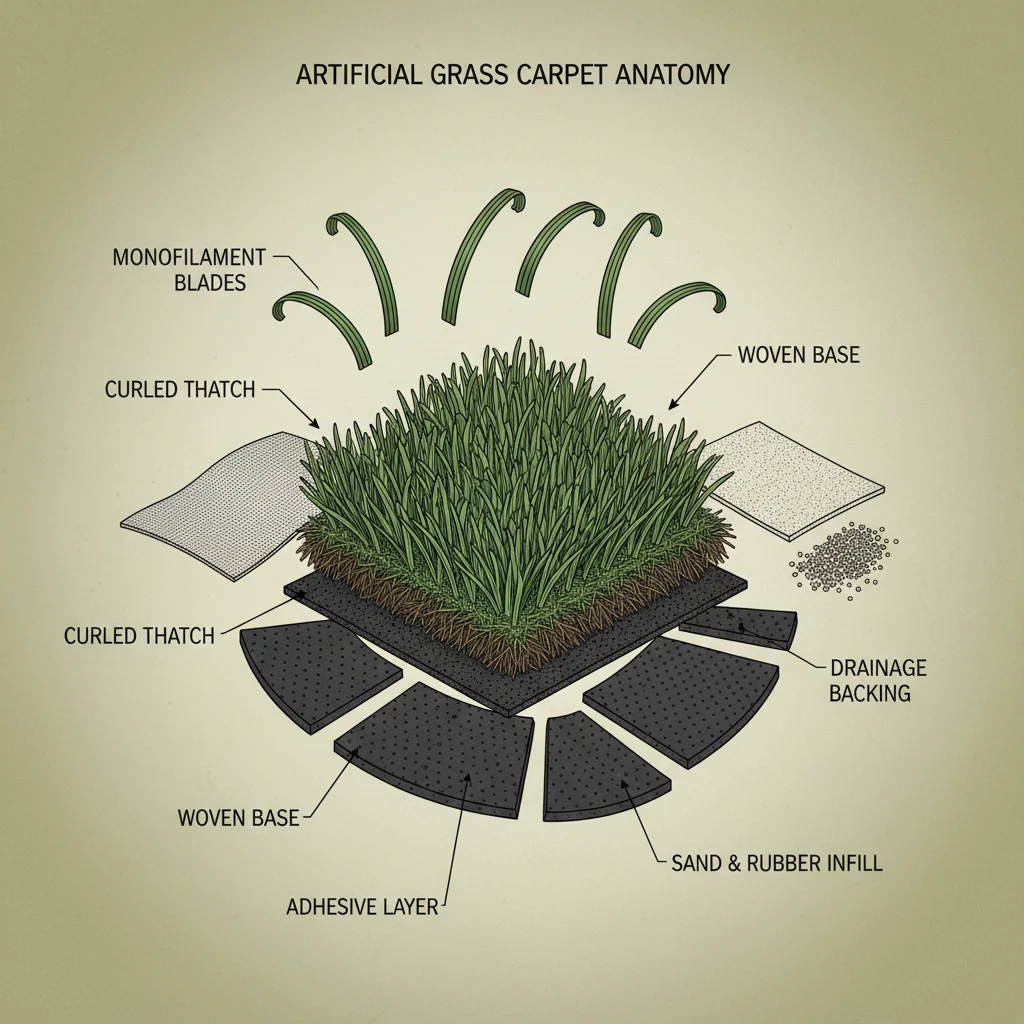
Turf quality is directly linked to price. Higher-quality turf, whether natural or synthetic, utilizes better materials, more advanced manufacturing processes, and stricter quality control measures. This results in a more durable, aesthetically pleasing, and longer-lasting product, justifying a higher turf price per square foot.
In conclusion, understanding turf price per square foot is not merely about comparing numbers; it's about making informed decisions that consider long-term value, sustainability, and project success. By carefully evaluating the factors that influence cost, considering lifecycle expenses, and staying abreast of emerging trends, stakeholders can optimize their investments and achieve optimal outcomes.
Looking ahead, the demand for efficient, sustainable, and aesthetically pleasing turf solutions will continue to grow. Embracing innovative technologies, prioritizing quality, and adopting a holistic approach to turf management will be essential for navigating the evolving landscape of turf price per square foot and ensuring responsible land stewardship. Visit our website to get a quote: www.xiongyigrass.com



Hit enter to search or ESC to close