Look, I’ve spent the last fifteen years tracking materials, walking job sites, and talking to the guys actually building things. When you’re in the field, you quickly realize how critical getting the right materials at the right price is. That's where understanding the artificial grass roll price comes in. It's not just about a number; it’s about project budgets, timelines, and frankly, whether you can deliver on your promises. The fluctuations in these costs can make or break a project, especially for smaller contractors.
We're seeing a huge shift in demand, not just for residential lawns, but for commercial landscaping, sports fields, and even public spaces. This demand is driving up prices, naturally, but it's also creating a lot of variability. Knowing where to source, what to look for in terms of quality to justify the artificial grass roll price, and understanding the different options is essential. It’s about being proactive, not reactive, to these market forces.
I’ve seen too many projects stalled because of unforeseen material costs. Proper planning, accurate budgeting based on realistic artificial grass roll price estimates, and solid supplier relationships – those are the things that separate the successful jobs from the headaches. It's a constantly evolving landscape, and you need to stay on top of it.
The Significance of Artificial Grass Roll Price
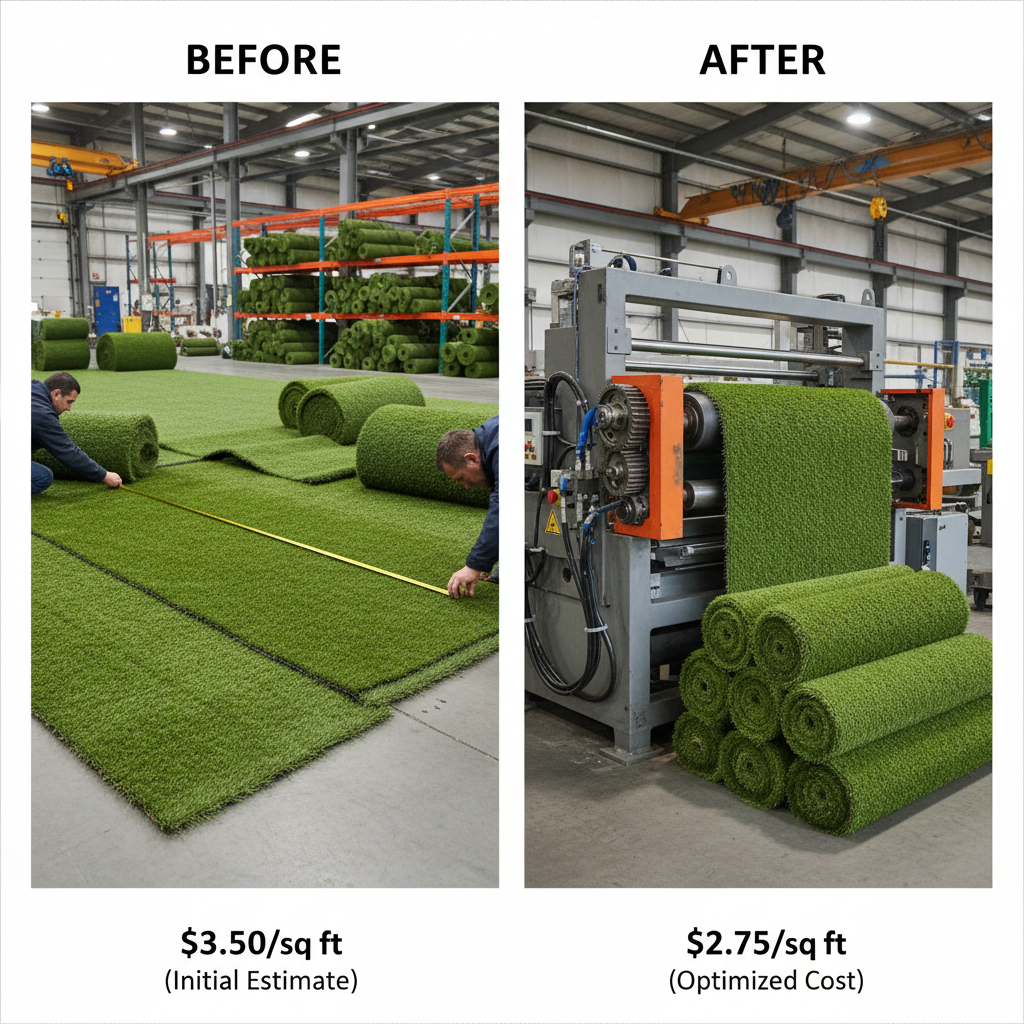
Honestly, from a practical standpoint, the artificial grass roll price dictates a huge chunk of whether a landscaping project even gets greenlit. It’s not just a line item; it ripples through everything – the client’s budget, the installer’s profit margin, and the overall feasibility of the design. We've seen prices jump significantly in the last few years, driven by raw material costs and global shipping issues, and that forces everyone to adapt.
Ignoring these price fluctuations is a recipe for disaster. You need to build in contingencies, understand the market dynamics, and be transparent with your clients. A clear understanding of what impacts the artificial grass roll price – from fiber type to backing material – allows for informed decision-making and avoids unpleasant surprises down the line.
Understanding the Core Concept of Artificial Grass Roll Price
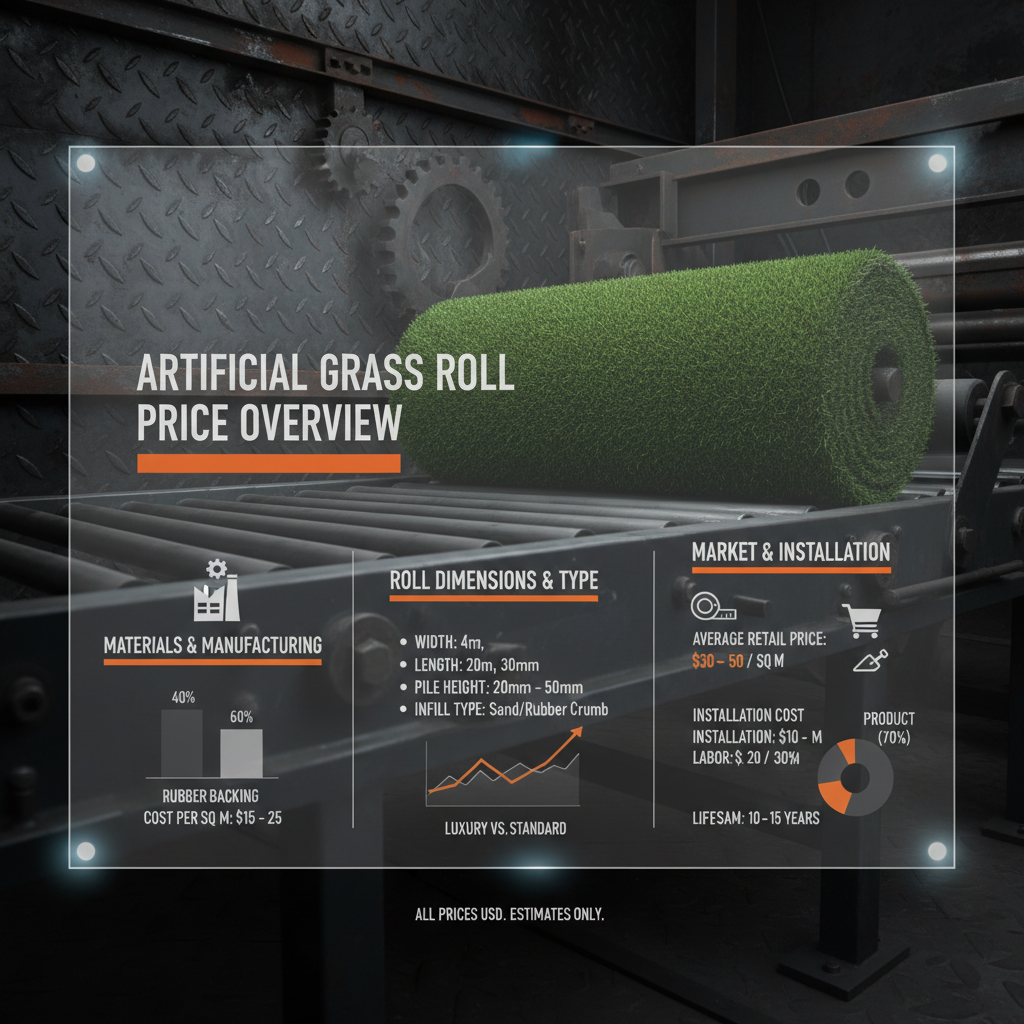
Okay, let's break it down. The artificial grass roll price isn't just what you pay per square foot. It’s a composite figure determined by a bunch of factors. Think about it like building a house – it's not just the cost of the lumber, but the grade of the lumber, the delivery fees, the installation labor, and so on. With artificial turf, it's similar. It's the cost of the materials, the density of the fibers, the quality of the backing, and ultimately, the labor to install it correctly.
It directly relates to the overall value proposition. Cheaper turf might seem appealing upfront, but it’ll likely wear out faster, require more maintenance (surprisingly), and just won't look as good. Investing in higher-quality turf – and understanding the associated artificial grass roll price – can save you money in the long run and deliver a better result.
In today’s construction industry, where sustainability is increasingly important, recognizing the lifecycle cost associated with the artificial grass roll price is critical. Lower initial costs can translate to higher replacement costs down the road, negating any initial savings.
Key Factors Influencing Artificial Grass Roll Price
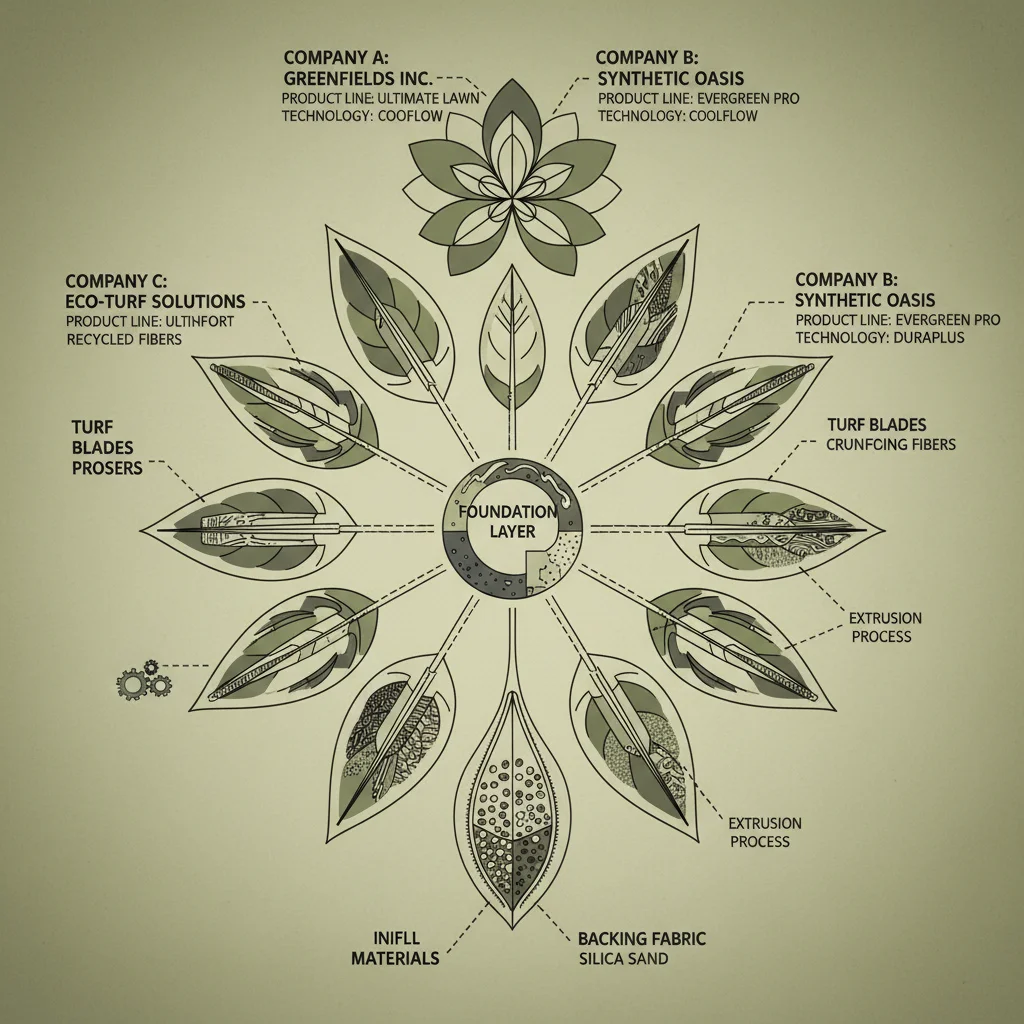
From where I stand, the biggest driver of artificial grass roll price is the raw material—polyethylene and polypropylene. Those are petroleum-based products, so oil prices have a direct impact. Then, you’ve got the density of the fibers, measured in Dtex. Higher Dtex means a denser, more durable product, but also a higher price tag.
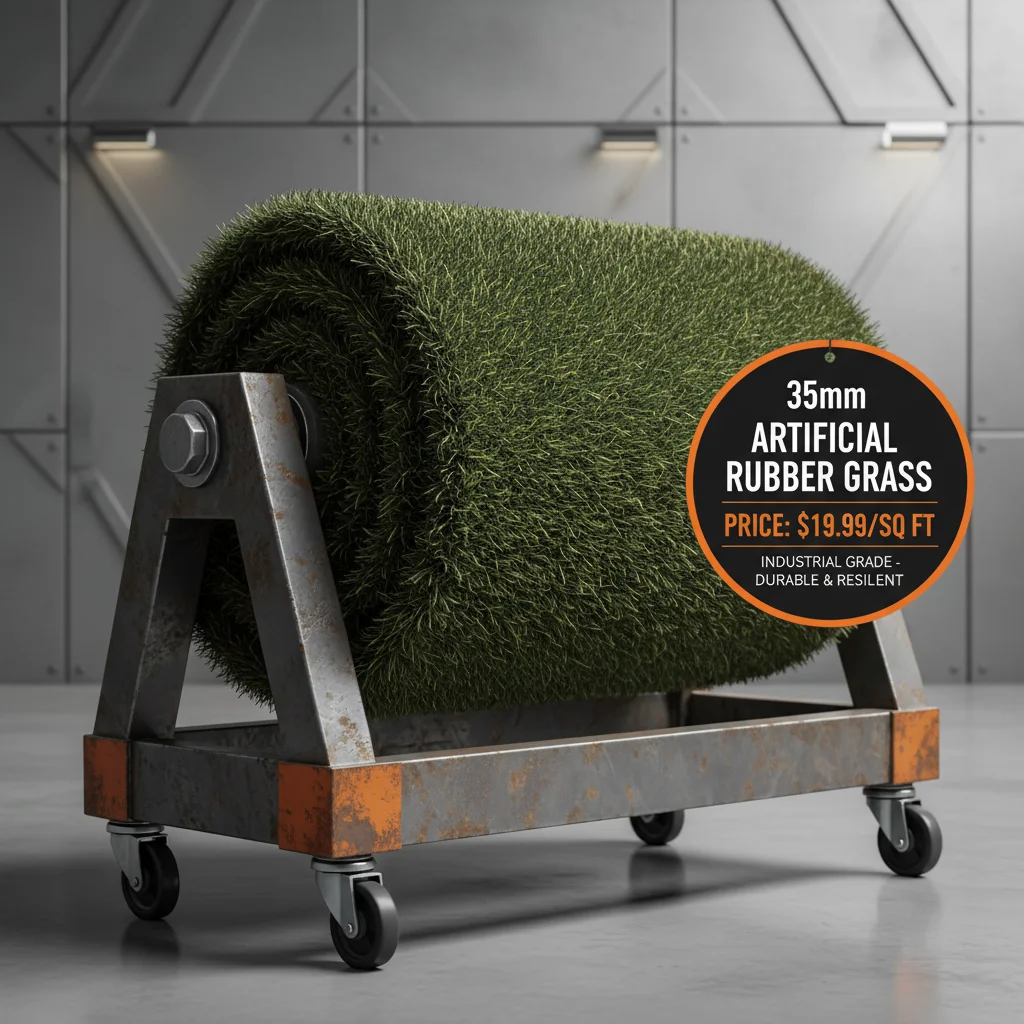
The backing material is huge too. Woven polypropylene is common, but you can get more robust options with multiple layers and enhanced drainage. That adds to the cost, but it's worth it for longevity and performance, especially in high-traffic areas. And don't forget about the pile height – longer pile feels more luxurious but can also be more expensive.
Finally, installation labor is a significant part of the overall cost. Proper installation is crucial for a long-lasting, aesthetically pleasing result. Cutting corners here will almost always lead to problems down the line.
Global Applications & Use Cases of Artificial Grass
It’s no longer just about lawns. I’m seeing artificial grass pop up everywhere. Schools are switching to it for playgrounds to reduce injuries and maintenance. Sports fields are using it for consistent playing surfaces. Even rooftop terraces and balconies are being covered with it. It's really expanded from just aesthetics.
We're doing a lot of work with municipal parks departments that are looking for low-maintenance options. They’re tired of the water bills and the constant upkeep of natural grass. And in drought-prone regions, it’s becoming a necessity. I’ve seen it used extensively in California, Arizona, and even parts of Texas.
Artificial Grass Application and Associated Roll Price
Advantages and Long-Term Value Proposition
Look, the upfront artificial grass roll price can be higher than natural grass, but you have to look at the total cost of ownership. No mowing, no watering, no fertilizing. That’s a huge saving on time and money, especially for commercial properties.
There's also the environmental aspect. Reduced water usage, no pesticides, and less carbon emissions from lawnmowers – it’s a more sustainable option in many cases. And let's not forget the aesthetics. A well-maintained artificial lawn looks good year-round, regardless of the weather.
Future Trends and Innovations in Artificial Grass
I'm seeing a lot of innovation in the materials themselves. Companies are developing more realistic-looking fibers with better UV resistance and improved drainage. Recycled materials are becoming more common, which is a big plus for sustainability.
Smart turf is also on the horizon – systems with built-in sensors that monitor moisture levels and even provide automated cooling. It’s still early days, but the potential is there. And I think we'll see more customization options, allowing clients to create truly unique landscapes.
The increased use of bio-based polymers in artificial grass manufacturing will likely reduce the reliance on petroleum-based products and lower the artificial grass roll price in the long term.
Challenges & Solutions Related to Artificial Grass Roll Price
The biggest challenge right now is supply chain disruptions. Getting materials has become more difficult and expensive, which is driving up the artificial grass roll price. Building strong relationships with suppliers and diversifying your sourcing is key.
Another issue is disposal. What do you do with old turf? Recycling options are limited, but they’re improving. We need to find more sustainable ways to handle end-of-life turf. And finally, educating clients about the true value proposition – explaining why a higher initial investment can save them money in the long run – is always a challenge.
To mitigate the impact of fluctuating prices, contractors can explore long-term contracts with suppliers, bulk purchasing, and value engineering options without compromising quality.
Analysis of Factors Influencing Artificial Grass Roll Price
| Material Quality |
Supplier Location |
Installation Complexity |
Market Demand |
| High (Premium Fibers) |
Domestic |
Moderate (Standard Yard) |
High (Peak Season) |
| Medium (Standard Fibers) |
International |
High (Complex Landscape) |
Medium (Average Demand) |
| Low (Budget Fibers) |
Local |
Low (Simple Installation) |
Low (Off-Season) |
| High (Recycled Materials) |
Domestic |
Moderate (Sloped Yard) |
Medium (Growing Trend) |
| Medium (Standard Fibers) |
International |
High (Irregular Shape) |
High (Sports Field) |
| Low (Basic Fibers) |
Local |
Low (Flat Surface) |
Low (Economic Downturn) |
FAQS
Several factors influence the price, including the quality of the materials (fiber type, pile height, backing), the density of the turf, the manufacturer, installation costs, and geographic location. Supply chain disruptions and raw material price fluctuations (like oil prices) also play a major role.
Higher-quality artificial grass typically costs more upfront, but it offers a longer lifespan and requires less maintenance. It's made with more durable fibers, a robust backing system, and better UV protection. Cheaper options might save money initially but often wear out quickly, leading to more frequent replacements.
Installation costs vary depending on the complexity of the project, the site preparation required, and the installer’s rates. Typically, installation includes site preparation (leveling, removing existing turf), base installation (gravel/aggregate), turf installation, and seaming. Expect installation to add 20-40% to the material cost.
Yes, potential hidden costs include debris removal, unexpected site preparation needs (like rock removal), drainage system installation if necessary, and potential permit fees. It’s crucial to get a detailed quote from a reputable installer that outlines all potential costs upfront.
Generally, a higher pile height increases the artificial grass roll price. Higher pile heights offer a more luxurious feel, resembling natural grass more closely. However, they can also be more prone to matting, especially in high-traffic areas. Lower pile heights are more durable and easier to maintain.
Artificial grass requires minimal maintenance compared to natural grass. Occasional brushing to fluff the fibers, removing debris, and rinsing with water are typically sufficient. Periodic infill top-ups (sand or rubber) may be needed. The long-term costs are significantly lower than those associated with lawn care, such as mowing, watering, and fertilizing.
Conclusion
In short, understanding the artificial grass roll price isn’t just about finding the cheapest option; it’s about weighing the costs against the benefits, considering the long-term value, and making informed decisions. It’s a complex equation, but one that’s critical for success in today’s building landscape.
Don’t be afraid to ask questions, get multiple quotes, and do your research. The right artificial grass can transform a space, reduce maintenance, and add lasting value. And if you’re looking for a reliable source, or just want to discuss your project, visit our website at www.xiongyigrass.com. We're always happy to help.