When budgeting for a landscape overhaul, understanding the variables that influence fake grass prices is often more critical than the initial quote itself. The cost of synthetic turf is not a flat rate but a reflection of material density, yarn technology, and the intended intensity of use.
For many commercial and residential buyers, the primary challenge lies in distinguishing between "budget" options that degrade quickly and "investment-grade" turf that maintains its aesthetic and structural integrity over a decade. The true cost is measured not just in the purchase price per square meter, but in the total cost of ownership, including installation and long-term maintenance.
This guide analyzes the economic drivers of artificial turf procurement, focusing on how technical specifications like M-shape resilience and drainage capacity translate into long-term financial value for the end user.

Decoding the Primary Cost Drivers of Synthetic Turf

The variation in synthetic turf pricing is primarily driven by the "Dtex" (linear mass density of the yarn) and the total stitch rate. A higher Dtex value indicates a thicker, more robust yarn, which naturally increases the raw material cost but provides significantly better durability under heavy foot traffic.
Beyond raw materials, the complexity of the color blend also impacts pricing. Basic single-tone greens are the most affordable, whereas professional-grade products, such as the Garden Grass (GG30) series, utilize a multi-tonal palette (field green, apple green, olive green) combined with brown thatch to mimic natural biological growth, requiring more sophisticated extruding processes.
Finally, the backing system—whether it is a simple coating or a reinforced latex-backed drainage system—determines both the initial price and the turf's lifespan. Advanced drainage technology prevents mold and puddling, which reduces the risk of premature failure and costly replacements.
The Technical Correlation Between Material Grade and Price
Technical superiority in synthetic turf is often found in the yarn shape. While standard C-shape or flat yarns are cheaper to produce, M-shape resilience technology ensures that the pile bounces back after compression, preventing the "flattened" look common in low-cost alternatives.
The chemical composition of the yarn—specifically the blend of PP (Polypropylene) and PE (Polyethylene)—is another critical factor. PE provides the softness and natural feel, while PP adds structural strength. A balanced blend treated for UV stability prevents the colors from fading under intense sunlight, extending the product's aesthetic life.
Safety certifications also add a premium to the cost. Products manufactured to be 100% non-toxic and lead-free, complying with international safety standards, are essential for playgrounds and residential gardens where children and pets are present, justifying a higher price point for peace of mind.
Application-Specific Cost Analysis for Different Turf Types
Different environments demand different technical specifications, and consequently, different price brackets. For example, Artificial Sport Grass (such as Football Grass) requires high-density tuft lock and specific pile heights to withstand athletic torsion, making it more expensive than basic Artificial Carpet Grass.
Landscape and Garden Grass focus heavily on the "lifelike" aesthetic. The GG30 series, with its 30mm pile height and integrated brown thatch, is positioned as a premium residential solution. In contrast, Playground Grass prioritizes impact absorption and non-toxicity over complex color blending, shifting the cost driver toward safety certifications.
Specialty products like Golf Grass or Colorful Grass involve high-precision manufacturing for specific performance outcomes—such as ball roll speed or visual branding—which often results in a niche pricing structure compared to general-purpose landscaping turf.
Quantifying Long-Term ROI vs Natural Grass Maintenance
When analyzing the cost of synthetic turf, the conversation must shift from "price" to "Return on Investment (ROI)." Natural grass requires constant capital expenditure for irrigation, fertilizers, pesticides, and professional mowing services.
Synthetic turf eliminates these recurring costs entirely. While the initial installation of a high-grade product like XY Grass requires a higher upfront investment, the cumulative savings on water and chemicals typically result in a break-even point within a few years of usage.
fake grass prices Performance Metrics
Furthermore, the durability of M-shape yarn and UV-stable PE/PP blends means the turf remains evergreen 365 days a year, removing the seasonal costs associated with lawn repair and winter dormancy management.
Strategic Procurement and Installation Cost Management
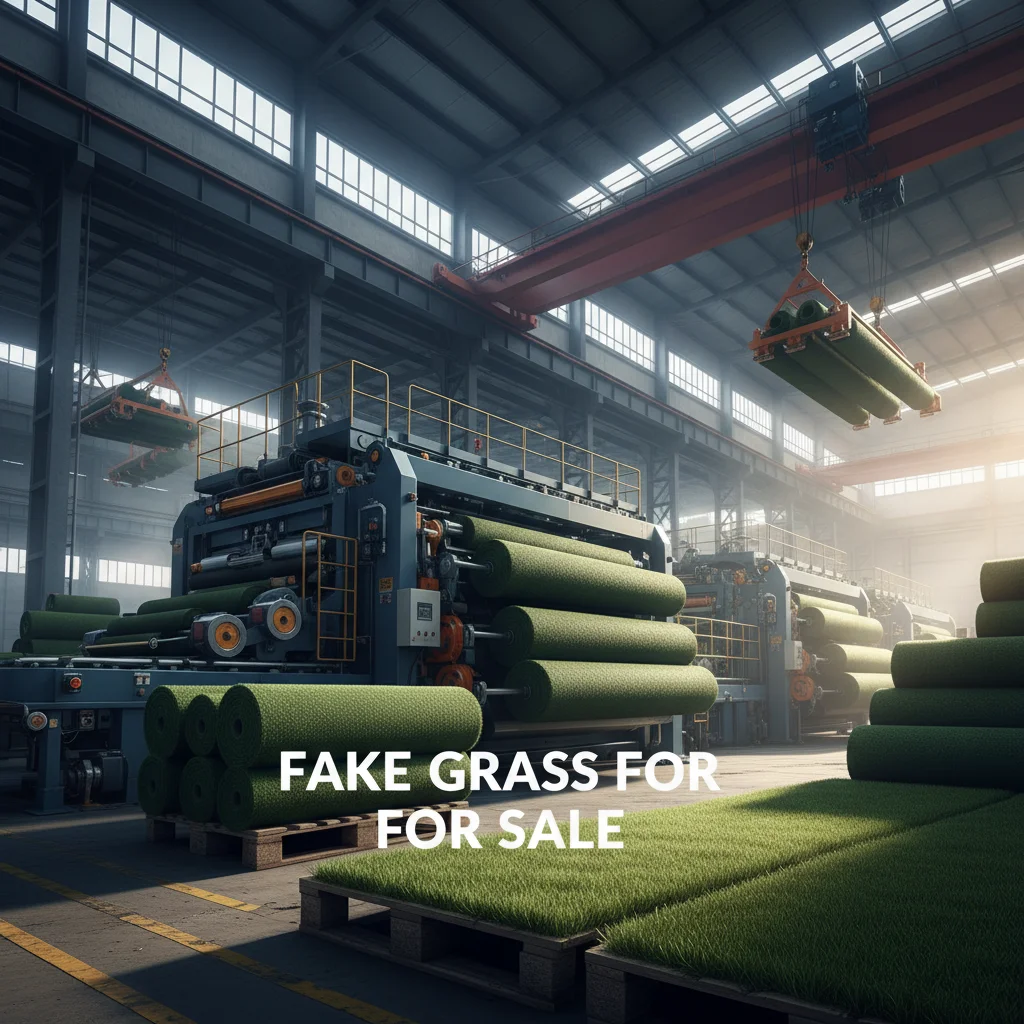
Procurement efficiency can be significantly improved by sourcing directly from integrated manufacturers. By eliminating middlemen, buyers can access wholesale pricing while maintaining direct quality control over the production process.
Installation costs are another variable that can fluctuate based on the roll width. For example, utilizing 4m wide rolls instead of 2m rolls reduces the number of seams required, which not only improves the aesthetic finish but also lowers the labor cost associated with joining and securing the turf.
Proper sub-base preparation is the most critical "invisible" cost. Investing in a high-permeability base maximizes the efficiency of the turf's drainage system (e.g., 60L/min/m2), preventing costly drainage failures and potential soil erosion under the synthetic layer.
Emerging Material Trends Affecting Future Market Pricing
The artificial turf industry is moving toward more sustainable, circular material economies. The integration of recycled polymers that maintain high UV resistance is likely to stabilize prices as raw petroleum-based resin costs fluctuate.
We are also seeing a shift toward "intelligent" drainage backings that can handle extreme weather events. As urban areas face more intense rainfall, the demand for high-speed permeability (30+ inches per hour) is expected to drive the adoption of more expensive, specialized latex-backed systems.
Additionally, the focus on non-toxic, lead-free certifications is becoming a baseline requirement rather than a premium feature. This transition may lead to a temporary increase in entry-level prices as manufacturers upgrade their facilities to meet stricter global health standards.
Buyer's Decision Matrix for Selecting Optimal Turf Value
Selecting the right product requires balancing immediate cost against the specific demands of the application. A "cheap" turf in a high-traffic area is a financial liability, while an "over-engineered" turf in a low-use decorative area is a wasted investment.
The following matrix helps buyers align their project requirements with the appropriate product specifications to ensure the best value for their budget.
| Application Scenario | Recommended Spec | Cost Driver | Value Proposition |
|---|---|---|---|
| Residential Garden | GG30 Series (30mm) | Multi-tonal Color | Aesthetic Realism |
| High-Traffic Public Park | High Dtex / M-Shape | Yarn Density | Wear Resistance |
| Children's Playground | Non-Toxic/Lead-Free | Safety Certification | Health Compliance |
| Professional Football | Sport-Grade / High Lock | Tuft Lock Force | Performance Stability |
| Indoor Decorative | Short Pile / Soft PE | Material Softness | Tactile Comfort |
| Commercial Green Wall | UV-Stable Vertical | Weathering Resin | Low-Maintenance Facade |
Ultimately, the most cost-effective choice is one that offers a verified warranty—such as the 5-year assurance provided on the GG30 series—which mitigates the risk of material failure and secures the long-term investment.
Frequently Asked Questions
Conclusion
Evaluating synthetic turf based solely on the initial price per square meter is a common procurement error. The true value is found in the intersection of material resilience, safety standards, and operational efficiency. By prioritizing specifications like M-shape yarn and professional drainage systems, buyers can avoid the hidden costs of frequent replacements and high maintenance.
For those seeking a balance of lifelike aesthetics and industrial-grade durability, reviewing the technical specifications of the GG30 series can provide a benchmark for quality. Readers evaluating the best options for their project can review the relevant product and company information available through www.xy-grass.com.