21 January 2026
Artificial landscape grass has become a mainstream solution for residential, commercial, and public outdoor spaces. From modern gardens and rooftop terraces to hotels, schools, and municipal projects, artificial turf landscaping is widely adopted for its durability, low maintenance, and consistent visual appeal. This guide explains what artificial landscape grass is, the main types available, its common uses, and the key benefits that make it an increasingly popular choice worldwide.
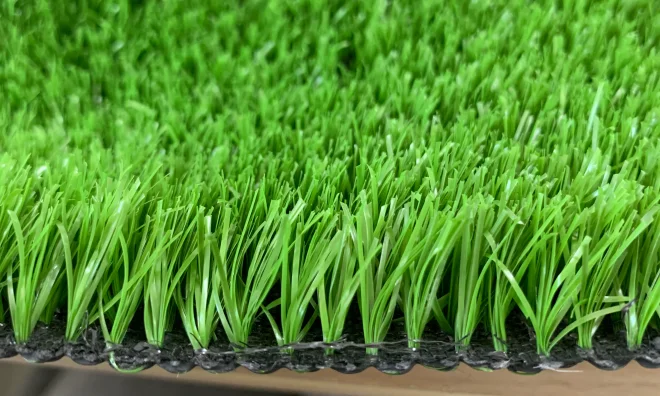
Artificial landscape grass is a synthetic surface designed to look and feel like natural grass. It is typically made from polyethylene (PE), polypropylene (PP), or nylon fibers that are tufted into a durable backing system. Unlike sports turf, landscape grass focuses more on natural appearance, softness, and comfort while still maintaining structural strength.
Modern artificial turf landscape products use multi-tone yarns, realistic blade shapes, and advanced backing technology to closely mimic real grass. They are engineered to withstand UV exposure, temperature changes, and heavy foot traffic, making them suitable for both decorative and functional landscaping.
Understanding the different types of artificial landscape grass helps you choose the right product for your project.
This is the most common type used in residential gardens and yards. It features medium pile height, soft fibers, and a natural green blend, making it ideal for home landscaping, front yards, and backyards.
Designed mainly for visual appeal, decorative turf often has shorter pile height and denser stitching. It is commonly used in commercial landscaping, display areas, exhibition spaces, and green walls.
This type of artificial turf landscaping grass is engineered with enhanced drainage and odor resistance. It is easy to clean and durable enough to handle pet activity, making it popular for dog runs, pet parks, and residential lawns with animals.
Used in high-traffic areas, this artificial landscape grass has reinforced backing and stronger yarns. It is suitable for playgrounds, schools, hotels, and public spaces where durability is essential.
Artificial turf landscape solutions are highly versatile and can be applied in many environments.
Residential Landscaping
Homeowners use artificial landscape grass for gardens, patios, balconies, rooftops, and pool surroundings. It provides a neat, green appearance year-round without mowing or watering.
Commercial and Hospitality Projects
Hotels, resorts, shopping centers, and office buildings rely on artificial turf landscaping to create attractive outdoor and semi-outdoor spaces with minimal maintenance costs.
Public and Municipal Areas
Parks, schools, playgrounds, and urban green zones often use artificial landscape grass to maintain a clean and safe surface even under heavy use.
Special Design Applications
Artificial grass is also widely used for rooftop gardens, vertical green walls, event decoration, and temporary landscaping projects where natural grass is impractical.
The growing demand for artificial turf landscape products is driven by several practical and economic advantages.
Low Maintenance
Artificial landscape grass eliminates the need for mowing, fertilizing, watering, and pest control. This significantly reduces ongoing maintenance time and costs.
Water Conservation
Unlike natural lawns, artificial turf landscaping requires no irrigation. This makes it an environmentally responsible solution, especially in regions facing water shortages or strict water-use regulations.
Year-Round Green Appearance
Artificial landscape grass maintains a consistent, lush look regardless of season, climate, or weather conditions. It does not turn brown in winter or dry periods.
Durability and Longevity
High-quality artificial turf landscape products are UV-stabilized and weather-resistant. With proper installation, they can last 8–15 years or more, even in high-traffic areas.
Safe and Clean Surface
Many artificial landscape grass products are designed with non-toxic materials and efficient drainage systems, making them safe for children, pets, and public use.
When comparing artificial landscape grass to natural grass, the differences are clear:
Maintenance: Artificial turf landscaping requires minimal upkeep, while natural grass demands constant care.
Cost Over Time: Initial installation costs may be higher for artificial grass, but long-term savings on water and maintenance are significant.
Environmental Impact: Artificial landscape grass saves water and reduces chemical usage, though sustainability depends on product quality and lifespan.
Appearance: Artificial turf landscape solutions offer consistent aesthetics, whereas natural grass varies with weather and soil conditions.
When selecting artificial landscape grass, consider the following factors:
Pile Height: Shorter piles are better for decorative areas; longer piles provide a softer, more natural feel.
Density and Stitch Rate: Higher density usually means better durability and appearance.
Yarn Material: PE yarns are soft and realistic, while PP is more economical.
Backing and Drainage: A strong backing with proper drainage ensures long-term performance.
Choosing the right artificial turf landscape product ensures optimal performance for your specific application.
Conclusion
Artificial landscape grass is a modern, practical alternative to natural lawns, offering versatility, durability, and long-term cost savings. With multiple types available and a wide range of applications, artificial turf landscaping is suitable for residential gardens, commercial properties, and public spaces alike. By understanding its types, uses, and key benefits, you can confidently select the right artificial landscape grass solution for your next landscaping project.




Hit enter to search or ESC to close