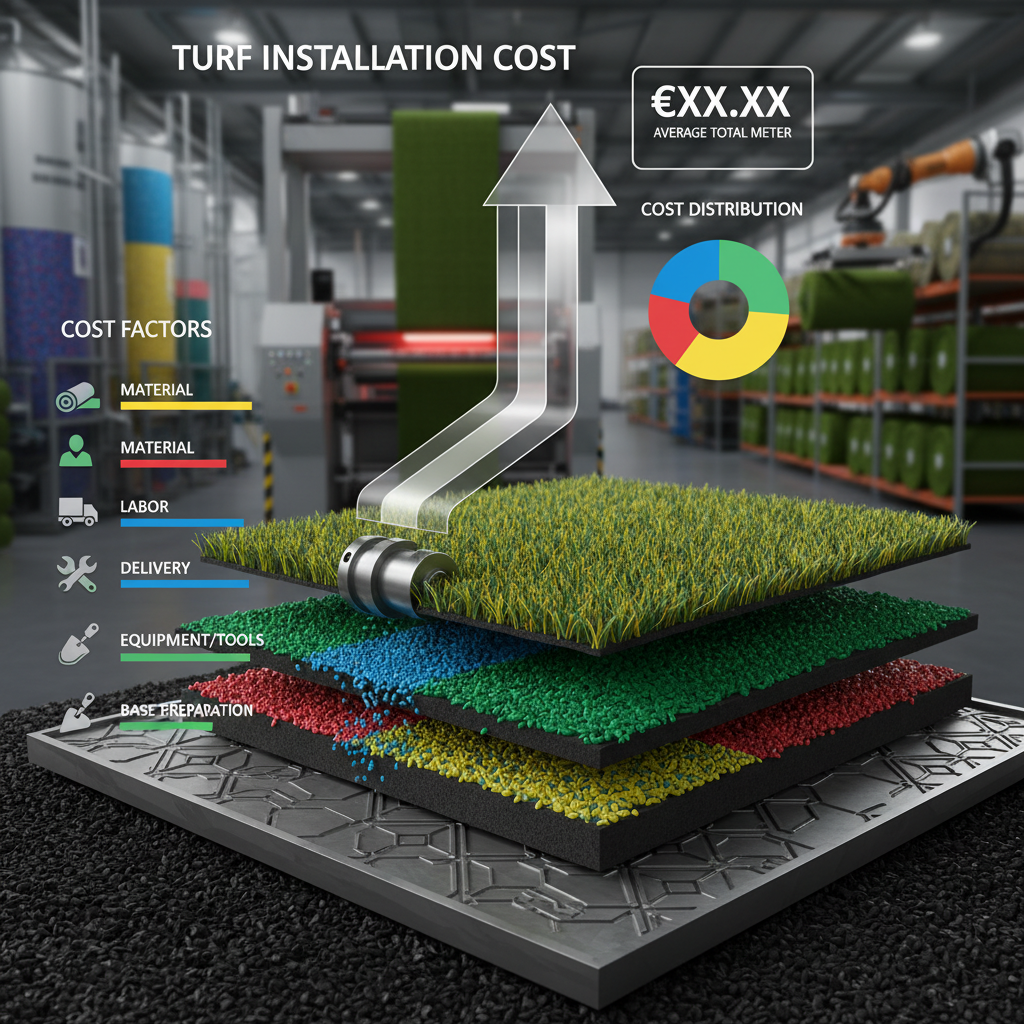
Understanding the total turf installation cost is essential for homeowners and commercial developers alike who seek a balance between aesthetic appeal and long-term financial viability. While the initial investment in high-quality synthetic grass may seem significant, it represents a strategic shift from recurring maintenance expenses to a one-time capital improvement. By analyzing the various components of the expenditure, stakeholders can make informed decisions that optimize their budget without compromising on turf quality.
Globally, the demand for artificial landscaping has surged as urban spaces become more condensed and water scarcity drives the need for sustainable alternatives. The turf installation cost is no longer just about the price per square foot of the grass itself, but involves a complex interplay of site preparation, material grade, and professional labor. As environmental regulations tighten, the industry is shifting toward more eco-friendly materials that maintain durability while reducing the overall carbon footprint of the installation process.
Ultimately, calculating the accurate turf installation cost allows for a clearer comparison between different product categories, such as Artificial Sport Grass for high-traffic areas or Artificial Landscape Grass for residential gardens. By breaking down the costs into transparent categories—materials, base work, and labor—clients can avoid hidden fees and ensure that their project is completed to ISO-level quality standards, guaranteeing a lush, green appearance for years to come.
Fundamental Components of Turf Installation Cost
When analyzing the turf installation cost, it is crucial to distinguish between the "hard costs" of materials and the "soft costs" of labor and design. The hard costs include the artificial grass roll, the inorganic infill (such as silica sand or rubber crumbs), and the adhesive or nails used for securing the edges. Depending on the product choice—whether it be Football Grass or Playground Grass—these material costs can vary significantly based on pile height and face weight.
The soft costs, on the other hand, encompass the professional expertise required to ensure a seamless finish. This includes the initial site survey, the removal of existing organic sod, and the grading of the land to ensure proper drainage. A failure to invest in proper site preparation can lead to undulating surfaces and water pooling, which ultimately increases the long-term turf installation cost due to necessary repairs and premature wear.
Material Grade and Its Influence on Investment
The quality of the synthetic fibers is perhaps the most influential variable in the turf installation cost. For instance, high-end Artificial Landscape Grass utilizes multi-layered polyethylene fibers that mimic the natural variation of real grass, providing a softer feel and higher UV resistance. These premium materials command a higher upfront price but offer superior longevity, often lasting 15-20 years compared to budget options that may degrade within five.
Specialized applications further complicate the pricing structure. For example, Golf Grass requires a specific density and shortness of pile to allow for accurate ball roll, requiring precision manufacturing that elevates the turf installation cost. Similarly, Colorful Grass used in creative playgrounds requires non-toxic, high-stability pigments to prevent fading under intense sunlight, adding a specialized cost layer to the material procurement.
Ultimately, the choice between "economy," "standard," and "premium" grades allows customers to scale their investment. While the initial turf installation cost for economy turf is lower, the lifecycle cost is often higher due to frequent replacements. Investing in a higher grade from the outset ensures that the aesthetic and functional integrity of the space remains intact without requiring recurring capital injections.
Site Preparation and Sub-base Requirements
The foundation of any synthetic lawn is the sub-base, and this phase often accounts for a substantial portion of the total turf installation cost. For residential garden grass, a base of crushed stone and fine sand is typically sufficient to provide stability and drainage. However, for high-performance surfaces like Football Grass, a complex multi-layered engineered base is required to withstand heavy athletic loads and ensure player safety.
An overlooked aspect of the turf installation cost is the "excavation and disposal" fee. Removing several inches of existing soil and hauling away organic debris requires machinery and labor. If the soil is particularly clay-heavy or rocky, the effort required for leveling increases, which can unexpectedly inflate the budget if not accounted for during the initial quoting phase.
Proper drainage is the final pillar of site preparation. Installing perforated pipes or integrating a permeable base layer prevents the "sponge effect," where water sits under the turf. While this increases the immediate turf installation cost, it protects the underlying structure of the property from erosion and mold, proving to be a critical investment for the long-term health of the landscape.
Comparative Analysis of Installation Methods
There are two primary approaches to managing turf installation cost: DIY installation and professional contracting. DIY methods significantly reduce labor expenses but place the risk of failure on the owner. Common pitfalls include poor seam joining and inadequate compaction of the base, which can lead to unsightly gaps and surface dips that diminish the overall value of the installation.
Professional installation, while increasing the turf installation cost, provides warranties and precision. Experts utilize professional-grade power brushes and seam tapes that ensure the turf looks like a single, continuous carpet. This precision is particularly vital for large-scale projects like sport complexes where consistency in ball bounce and player traction is non-negotiable.
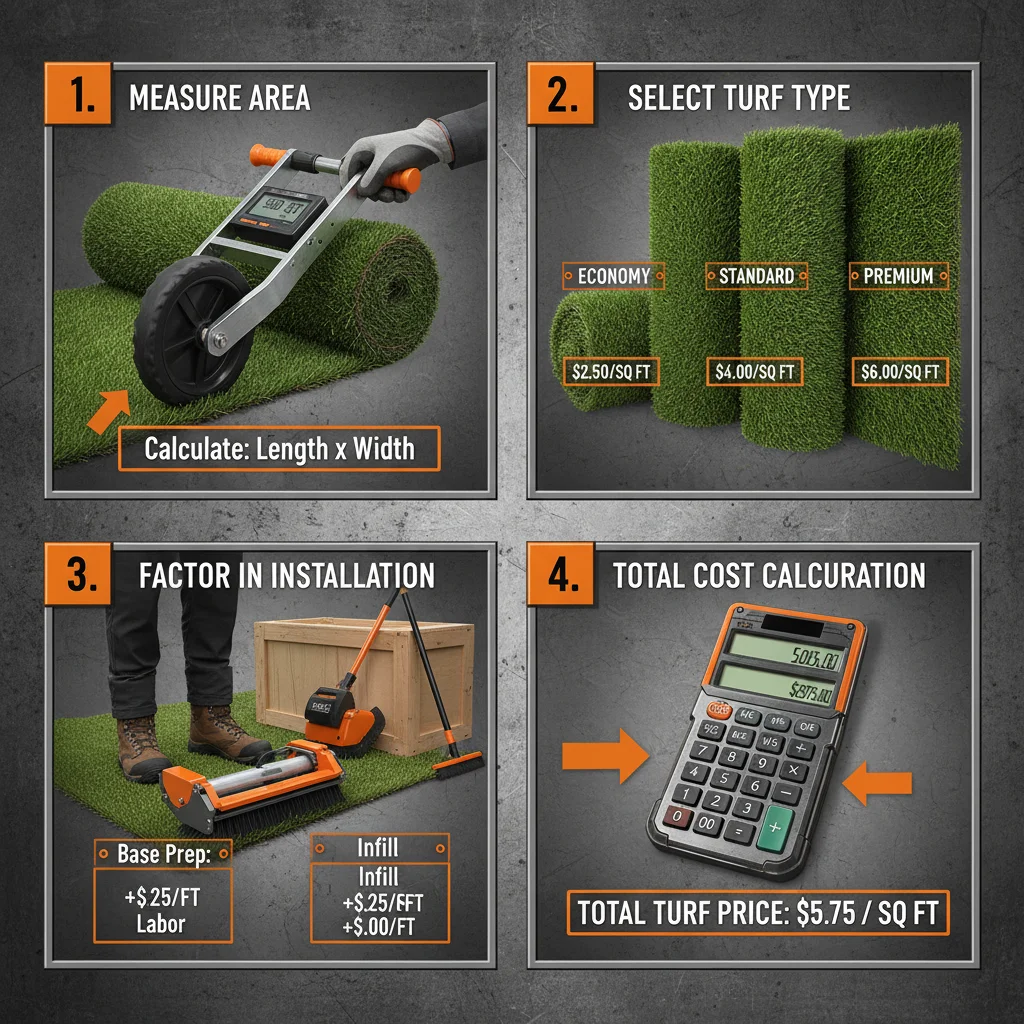
Efficiency vs. Cost Analysis of Turf Installation Methods
Global Applications and Market Variations
The turf installation cost varies significantly across different global regions due to labor market fluctuations and climate-specific requirements. In arid regions like the Middle East, the cost of high-UV resistant materials is higher, but the value proposition is immense due to the extreme scarcity of water. Conversely, in temperate European climates, the focus is often on drainage efficiency to handle high rainfall, which shifts the cost toward the sub-base engineering.
Industrially, we see the application of artificial turf in non-traditional zones, such as rooftop gardens in metropolitan hubs or remote industrial facility break areas. In these cases, the turf installation cost includes specialized logistics and weight-bearing assessments to ensure that the artificial grass does not compromise the structural integrity of the building.
Long-term Value and ROI of Synthetic Turf
Evaluating the turf installation cost requires a shift from "cost" thinking to "investment" thinking. Traditional grass requires constant mowing, fertilizing, seeding, and watering. When these recurring annual costs are aggregated over a ten-year period, they often far exceed the initial price of a premium artificial turf installation.
Beyond the financial aspect, there is a significant emotional and social ROI. For families, it means a mud-free home and a safe, evergreen play area for children. For sports organizations, it means the ability to host games regardless of weather conditions, thereby increasing revenue from ticket sales and memberships. The reliability of a high-quality surface enhances the professional image of any facility.
Sustainability also plays a role in the value equation. By eliminating the need for chemical pesticides and reducing water consumption to nearly zero, the turf installation cost is offset by a reduced environmental impact. This alignment with "green building" certifications (like LEED) can even increase the overall property value for commercial real estate owners.
Future Innovations in Cost-Effective Turf
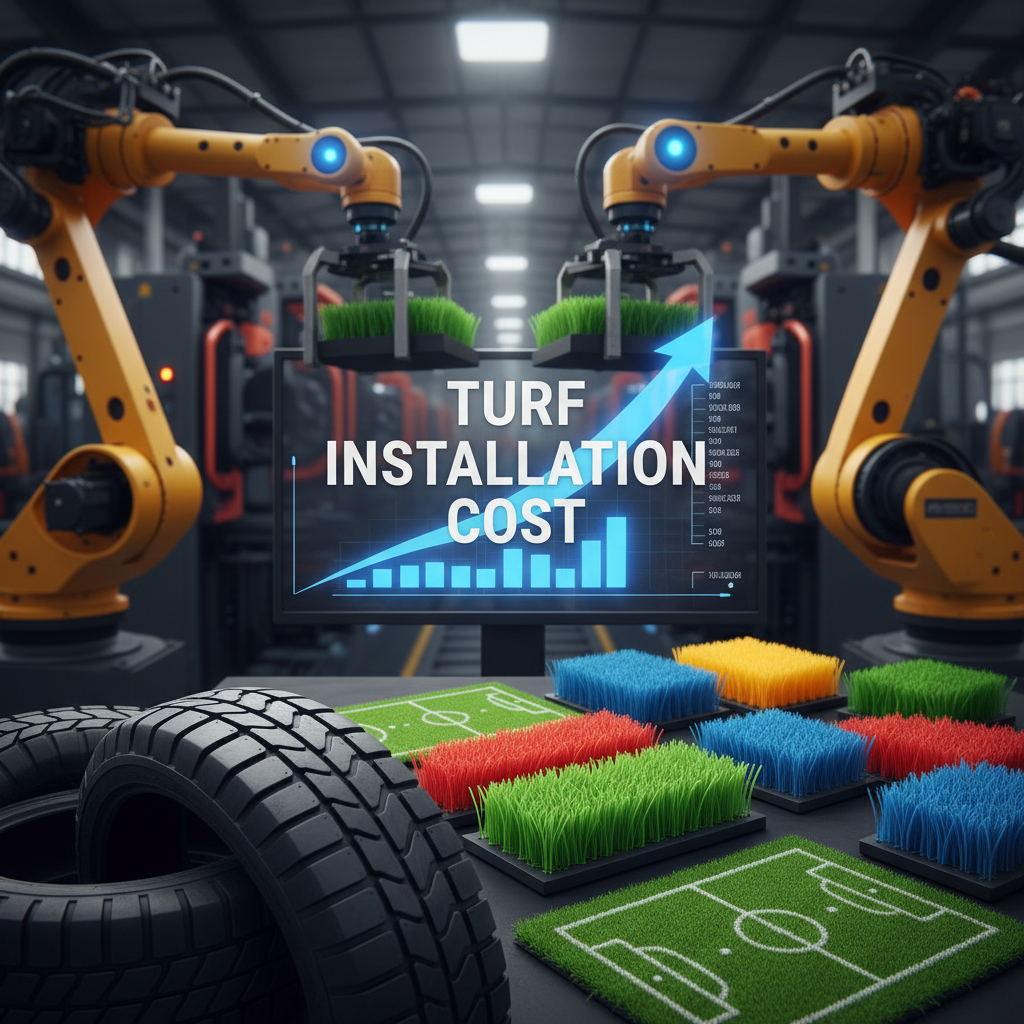
The industry is currently witnessing a digital transformation that is beginning to lower the turf installation cost through automation. Robotic site grading and AI-driven layout optimization are reducing labor hours and material waste. Furthermore, the development of new polymer blends is creating "hybrid" grasses that offer the durability of sport turf with the soft feel of residential grass at a more accessible price point.
Another exciting trend is the integration of recycled materials. The use of ocean-bound plastics and recycled rubber infills not only reduces the environmental footprint but also lowers the raw material cost, potentially making the turf installation cost more competitive for large-scale public projects.
Looking forward, the shift toward "smart turf"—embedded with sensors to monitor temperature or soil moisture—may increase the initial installation cost but will drastically reduce long-term maintenance by alerting owners to specific problem areas before they become expensive failures.
Analysis of Cost Factors Across Different Artificial Turf Categories
|
Turf Product Category
|
Installation Complexity
|
Expected Lifespan (Years)
|
Relative Cost Impact
|
| Garden Grass |
Low to Medium |
10 - 15 |
Moderate |
| Football Grass |
Very High |
8 - 12 |
High |
| Golf Grass |
High |
12 - 18 |
Premium |
| Playground Grass |
Medium |
10 - 15 |
Moderate |
| Landscape Grass |
Low |
15 - 20 |
Low to Moderate |
| Colorful Grass |
Medium |
8 - 12 |
Moderate |
FAQS
The cost typically ranges from $5 to $15 per square foot, depending on the grade of the grass and the complexity of the site preparation. Basic residential landscapes are on the lower end, while professional sport fields with engineered sub-bases fall on the higher end. It is important to include labor, materials, and base work in your final estimate to avoid surprises.
Not always. Some quotes provide a "material only" price, while "full-service" quotes include excavation, soil removal, and the installation of a crushed stone base. We strongly recommend choosing full-service options, as proper sub-base installation is critical to preventing drainage issues and ensuring the turf remains flat over time.
Different grass types have different densities and materials. For example, Football Grass requires a higher face weight and specialized infill for shock absorption, increasing the cost. Conversely, simple Landscape Grass may have a lower cost but offers sufficient durability for low-traffic areas. The more specialized the function (e.g., Golf Grass), the higher the premium.
Yes, you can reduce costs by handling the "demolition" phase—removing old sod and clearing debris—before the professionals arrive. However, we advise against DIYing the base compaction or the final seaming, as these steps require professional equipment to ensure the longevity and aesthetic quality of the lawn.
Absolutely. While the initial turf installation cost is higher, you eliminate monthly water bills, fertilizer costs, mowing equipment maintenance, and the labor involved in lawn care. For most homeowners, the "break-even" point occurs between year 3 and year 7, after which the synthetic lawn essentially pays for itself.
Be wary of quotes that do not specify the cost of waste disposal (hauling away old grass), the cost of the infill material, or the cost of specialized adhesives for edges. Ensure your quote includes a detailed breakdown of the sub-base materials to ensure you aren't receiving a "thin" base that will settle and dip over time.
Conclusion
In summary, the turf installation cost is a multifaceted investment that balances initial material expenditures with long-term operational savings. From the critical importance of a well-engineered sub-base to the selection of high-grade UV-resistant fibers, every decision impact's the lawn's lifespan and performance. By understanding the breakdown of labor, materials, and site preparation, property owners can maximize their ROI and enjoy a sustainable, evergreen landscape.
As we move toward a future of smarter, more recycled materials and automated installation processes, the accessibility of high-quality synthetic turf will only increase. We encourage homeowners and commercial developers to prioritize quality and professional installation over the lowest possible bid to ensure a durable, safe, and beautiful environment. For professional guidance and a detailed quote tailored to your specific needs, visit our website: www.xiongyigrass.com