Guide to Understanding Artificial Grass Cost and Value
  • Home
  • Top Blog
  • Guide to Understanding Artificial Grass Cost and Value
0%

Table of Contents

When planning a landscape renovation or a commercial sports facility, understanding the artificial grass cost is often the primary deciding factor for property owners. Unlike natural turf, which requires ongoing investments in water, fertilizers, and labor, synthetic turf represents a front-loaded investment that pays dividends in long-term maintenance savings and aesthetic consistency.

The global shift toward sustainable urban planning and water conservation has significantly increased the demand for high-quality synthetic turf, making the analysis of artificial grass cost more complex than ever. From high-traffic football pitches to luxury garden patches, the price variance is driven by material density, pile height, and the specific technology used in the backing of the carpet.

Navigating the pricing landscape requires a balance between initial expenditure and the expected lifespan of the product. By analyzing the components that influence the artificial grass cost, stakeholders can make informed decisions that optimize both their budget and the functional performance of their green spaces.
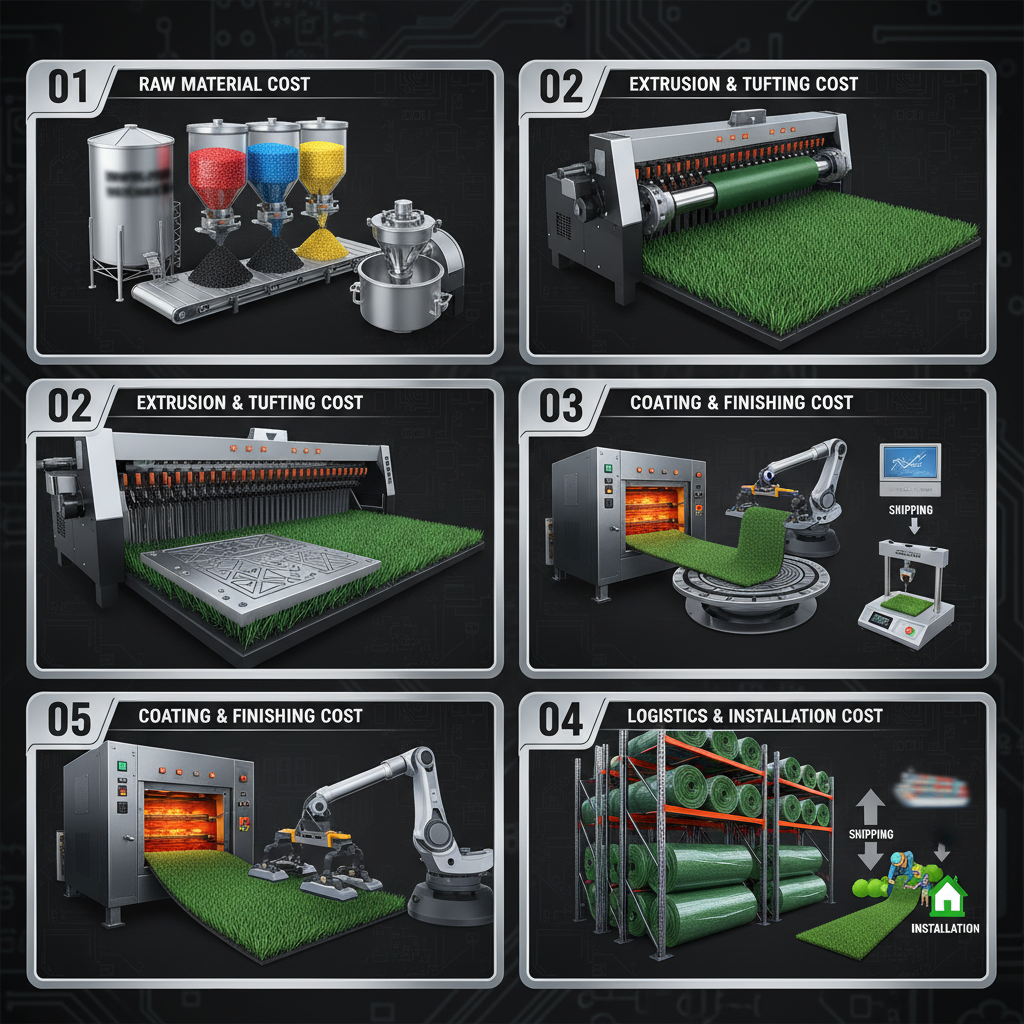
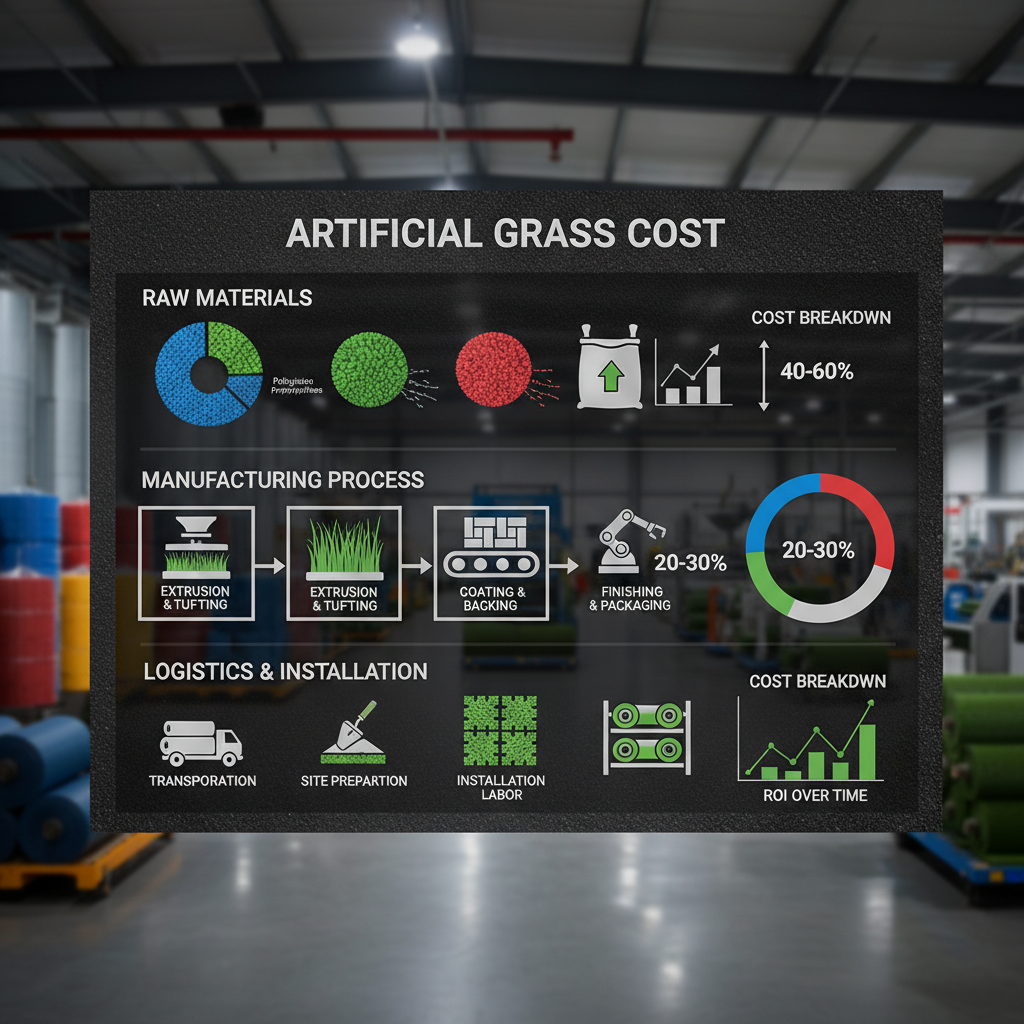
artificial grass cost

Global Market Drivers of Artificial Grass Cost

artificial grass cost

The global fluctuations in the artificial grass cost are intrinsically linked to the petrochemical industry, as the primary raw materials—polyethylene and polypropylene—are derivatives of crude oil. As global supply chains stabilize and new polymer technologies emerge, the industry is seeing a shift toward more sustainable, recycled materials that aim to lower the environmental footprint without compromising the structural integrity of the turf.

Furthermore, international standards such as ISO certifications for quality management have standardized production, leading to more predictable pricing models. In regions facing extreme water scarcity, the economic justification for the initial artificial grass cost is strengthened by the staggering reduction in irrigation expenses, aligning with global UN Sustainable Development Goals regarding responsible water consumption.

Technical Definitions of Synthetic Turf Pricing

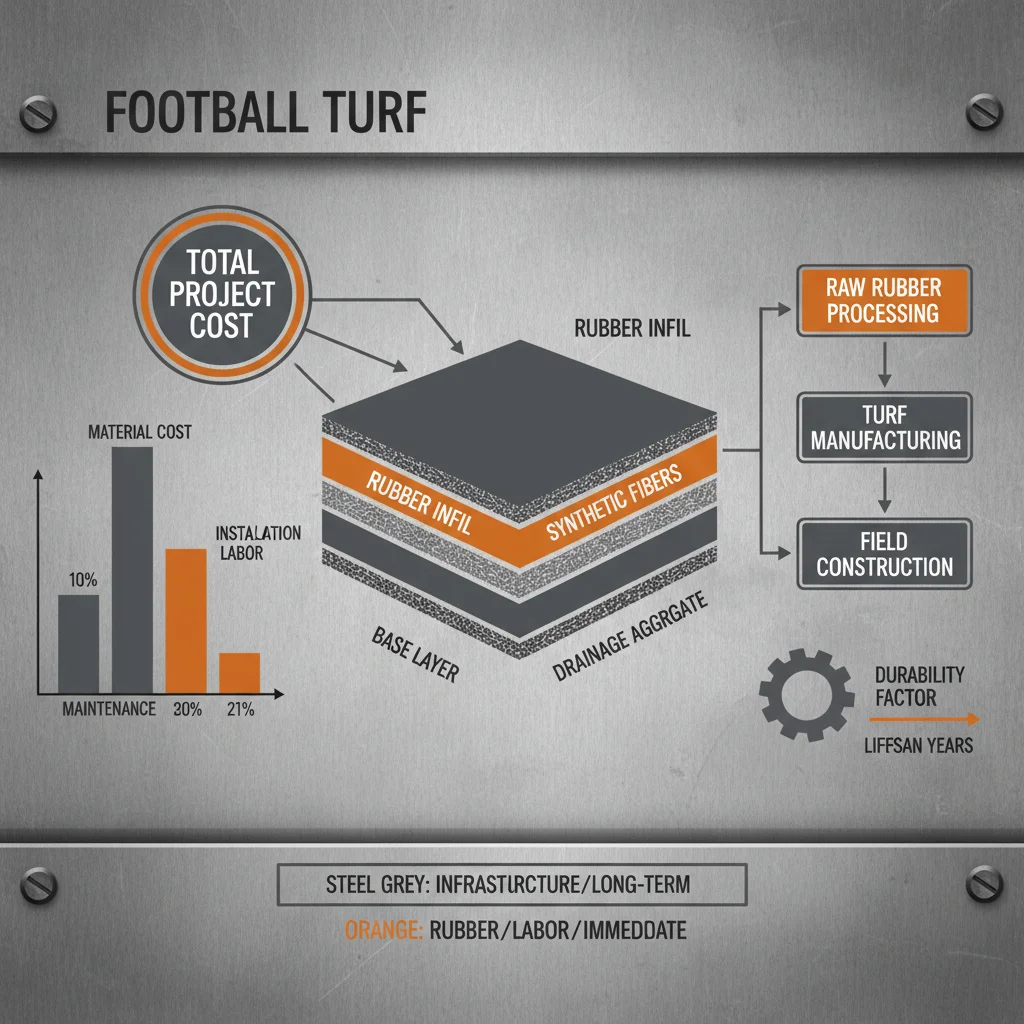
In professional terms, the artificial grass cost is not a single figure but a composite of material costs, installation labor, and site preparation. The "material cost" refers specifically to the price per square meter of the synthetic carpet, which varies based on the stitch rate, gauge, and the density of the tufting.

From an industrial perspective, this cost is viewed as a capital expenditure (CAPEX) that replaces the recurring operational expenditure (OPEX) associated with natural grass. This transition is critical for municipalities and sports clubs that need to predict their budgets over a 5-to-10-year lifecycle.

Understanding these definitions allows buyers to differentiate between "budget" options—often used for low-traffic decorative areas—and "performance" options, such as Football Grass or Golf Grass, where the cost is higher due to specialized shock pads and infill materials designed for athlete safety.

Core Factors Influencing Material Expenses

The most significant driver of artificial grass cost is the pile height and density. A higher stitch count creates a lusher, more realistic appearance and better resilience under pressure, but requires more raw polymer, thus increasing the manufacturing price.

Durability and UV stabilization are second-tier cost drivers. High-end turf incorporates advanced UV inhibitors that prevent the blades from fading or becoming brittle under intense sunlight, ensuring that the initial artificial grass cost translates into a longer lifespan and fewer replacements.

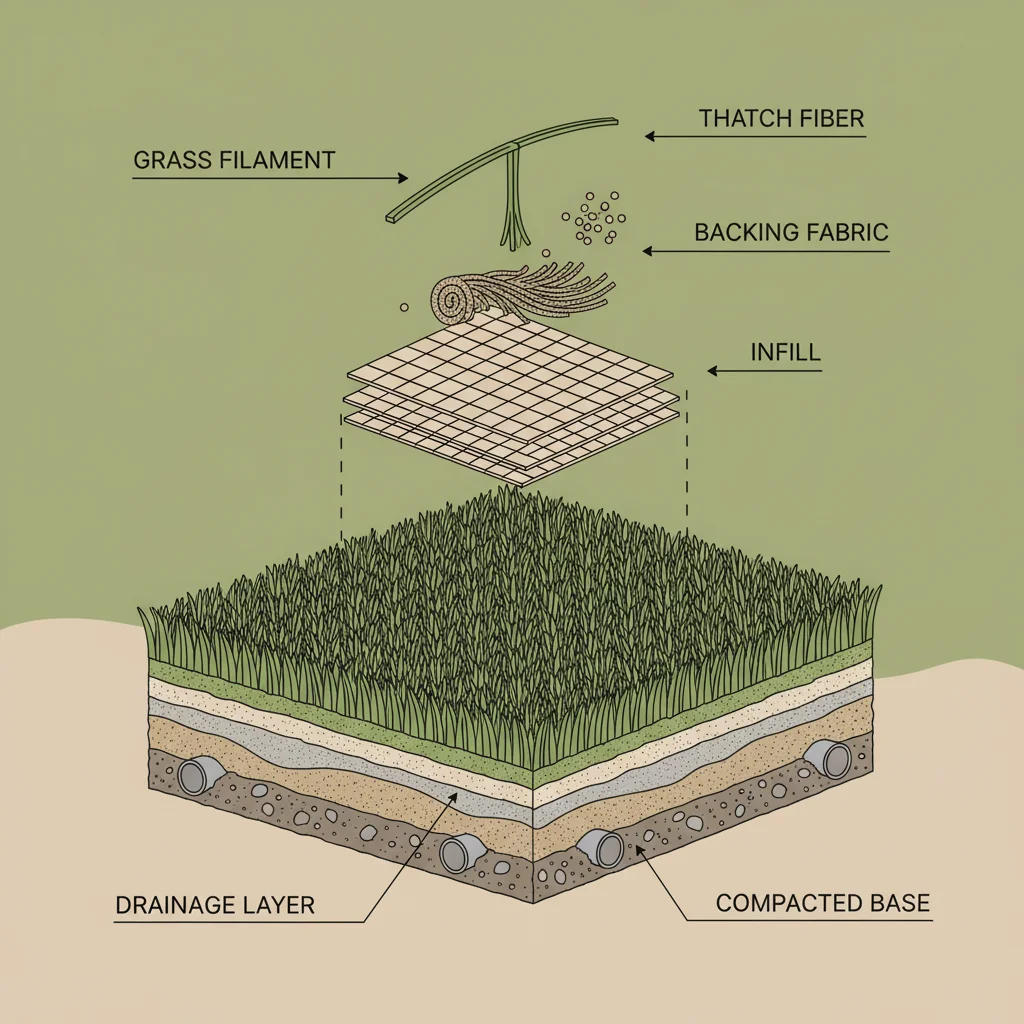
Lastly, the backing system—whether it is a single-layer latex or a multi-layer polyurethane reinforced mesh—determines the product's stability and permeability. Enhanced drainage capabilities, essential for Sport Grass, add to the complexity of production and the overall cost.

Comparative Value Analysis by Application

Different applications demand different specifications, which directly impacts the artificial grass cost. For instance, Garden Grass focuses on aesthetics and softness, whereas Playground Grass prioritizes safety certifications and impact absorption, often requiring a thicker underlay.

When comparing Football Grass to Landscape Grass, the former is an engineered system including sand and rubber infill, making its total installed cost significantly higher but offering an unmatched durability for high-intensity athletic use.

Comparison of Specialized Artificial Grass Cost Efficiency

Global Use Cases and Regional Pricing

In the Middle East and North Africa (MENA) region, the artificial grass cost is viewed as a strategic investment due to the impossibility of maintaining natural lawns in arid climates. Here, the focus is on high-UV resistance and heat-reflective technologies to keep the turf cool.

Conversely, in Europe and North America, the adoption of synthetic turf in residential gardens is driven by the "low-maintenance" lifestyle trend. In these markets, the cost is often balanced against the saving on professional landscaping services and the elimination of chemical fertilizers that leach into groundwater.

Long-Term ROI and Economic Advantages

Calculating the true artificial grass cost requires a life-cycle cost analysis. When you aggregate the costs of mowing, watering, seeding, and pest control over a decade, natural grass often becomes more expensive than a high-quality synthetic installation.

Beyond the financial metrics, there is a significant emotional and logical value in reliability. The guarantee of a green, pristine environment regardless of the season provides a level of psychological comfort and property value increase that transcends the initial price tag.

For commercial entities, the ROI is further enhanced by the increased availability of the space. A football pitch that doesn't need "rest periods" for grass regrowth can host double the number of events, effectively turning the artificial grass cost into a revenue-generating asset.

Future Innovations in Cost-Efficient Turf

The future of artificial grass cost is being reshaped by the introduction of biodegradable polymers and recycled ocean plastics. These innovations not only address environmental concerns but are beginning to streamline production costs through circular economy practices.

Automation in the tufting process is also reducing labor costs during manufacturing, allowing for more complex, multi-tonal "colorful grass" to be produced at price points previously reserved for basic monochromatic turf.

Smart-turf integrations, featuring embedded sensors for temperature and moisture control, are emerging. While these increase the initial cost, they offer unprecedented data for sports facility management, further optimizing the long-term operational budget.

Comparative Analysis of Turf Technologies and Cost Impacts

Turf Technology Impact on Initial Cost Maintenance Level Expected Lifespan
Polyethylene Monofilament Moderate Low 8-12 Years
Polypropylene Fibrillated Low Medium 5-8 Years
High-Density Sport Yarn High Low 10-15 Years
Recycled PET Turf Moderate Low 7-10 Years
Hybrid-System Turf Very High Medium 12-18 Years
Decorative Colorful Turf Moderate Low 6-10 Years

FAQS

What is the average artificial grass cost per square foot?

While prices vary by region and quality, the artificial grass cost typically ranges from $2 to $12 per square foot. This includes a wide spectrum from basic residential landscape grass to high-performance sport turf. To get an accurate estimate, you must account for the specific pile density and the cost of the sub-base preparation, which can fluctuate based on your existing soil conditions.

Does a higher artificial grass cost always mean better quality?

Not necessarily, but generally yes. A higher cost usually reflects superior materials like UV-resistant polyethylene, a higher stitch count for density, and a more robust backing. However, it's important to match the "quality" to the "use case." Paying a premium for professional football grass for a small decorative balcony is an unnecessary expense; the key is finding the optimal balance for your specific traffic levels.

How does the installation affect the total artificial grass cost?

Installation can account for 30% to 50% of the total project cost. This includes removing old sod, leveling the ground with crushed stone or sand, and the precise cutting and seaming of the turf. Professional installation ensures proper drainage and prevents seams from opening, which protects your investment and prevents costly repairs in the future.

Can I reduce the artificial grass cost by installing it myself?

Yes, DIY installation reduces labor costs significantly. However, for large areas or sport-grade turf, we advise caution. Improper base preparation can lead to puddling or uneven surfaces. If you choose the DIY route, invest in high-quality adhesives and seaming tapes to ensure the turf remains secure, as poor installation can lead to a shorter lifespan, increasing the long-term cost.

How long does synthetic turf last before needing replacement?

Most high-quality synthetic turf lasts between 10 to 20 years. The longevity is heavily dependent on the initial artificial grass cost investment—higher-grade materials with better UV protection and density resist wear and tear more effectively. Regular maintenance, such as brushing the fibers to keep them upright, can further extend the life of the product.

Is artificial grass more cost-effective than natural grass over time?

Absolutely. While the initial artificial grass cost is higher, the absence of monthly water bills, fertilizer, pesticide, and mowing labor creates a "break-even" point usually within 3 to 7 years. For commercial properties or drought-prone areas, the savings are even more dramatic, making it a fiscally responsible choice for long-term property management.

Conclusion

Understanding the multifaceted nature of artificial grass cost is essential for anyone looking to enhance their outdoor space. By weighing the initial material and installation expenses against the long-term savings in maintenance and the added value of a permanent green landscape, it becomes clear that synthetic turf is an investment in both efficiency and aesthetics. Whether for sports, gardens, or commercial playgrounds, the right choice depends on balancing density, durability, and specific functional requirements.

As we look toward the future, innovations in sustainable polymers and smarter manufacturing will continue to make high-performance turf more accessible. We recommend consulting with industry experts to tailor a solution that meets your budgetary constraints while ensuring the highest possible ROI. For premium, cost-effective synthetic turf solutions tailored to your needs, visit our website: www.xiongyigrass.com.
If you are interested in our products, you can choose to leave your information here, and we will be in touch with you shortly.