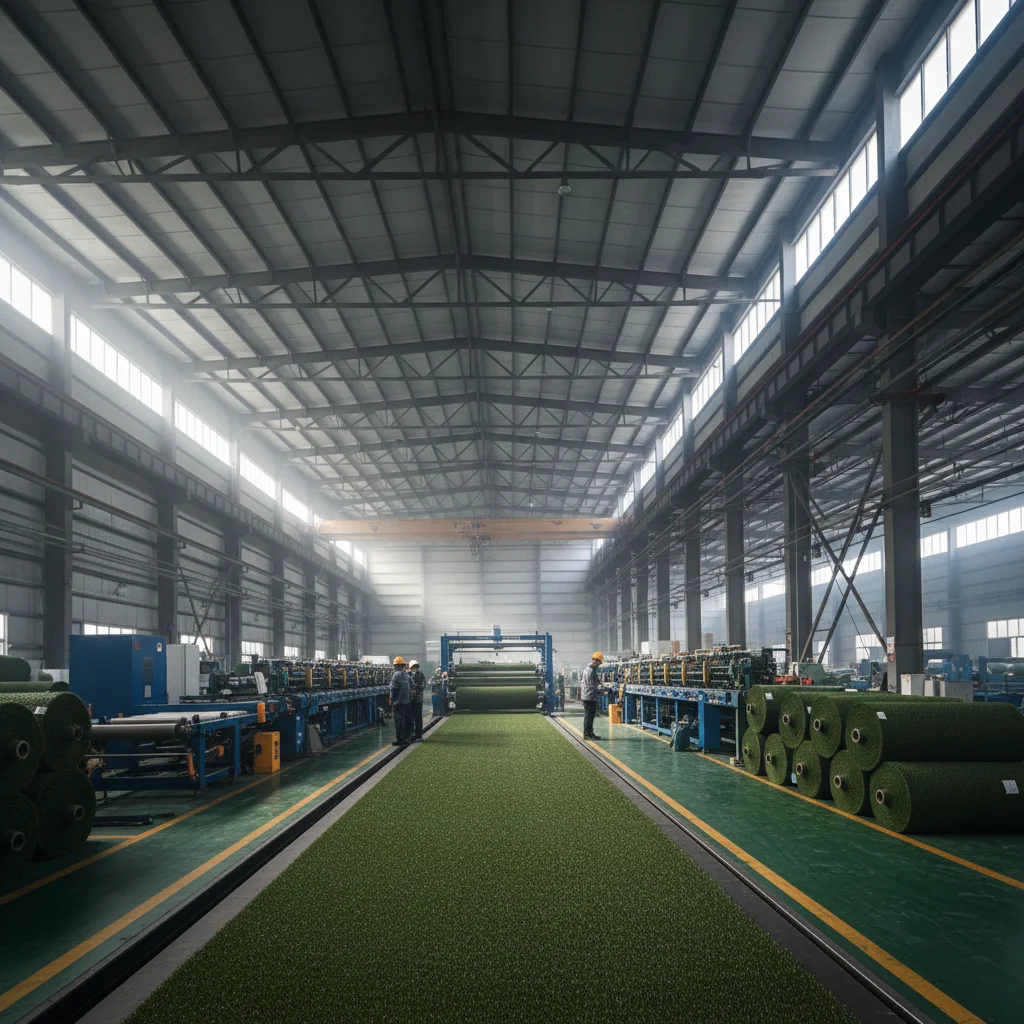
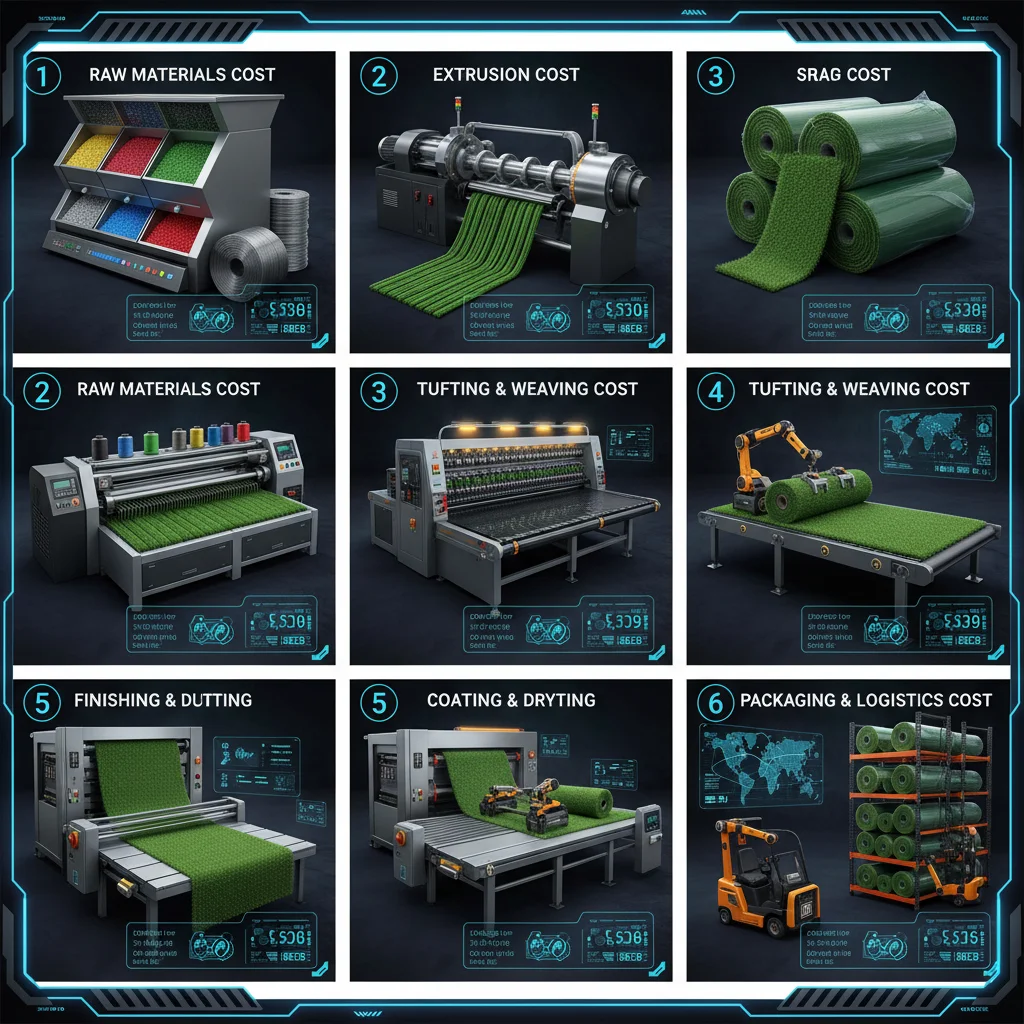
Selecting the right synthetic turf suppliers is a critical decision for any commercial or residential project aiming to balance aesthetics with long-term durability. As urban spaces become more constrained and the demand for low-maintenance, evergreen landscapes grows, the role of a professional supplier extends beyond mere product delivery to providing technical guidance on material specifications and installation standards.
The global shift toward sustainable urban planning has placed a spotlight on the efficiency of artificial surfacing. Modern advancements in polymer science have allowed industry leaders to create turf that mimics the look and feel of natural grass while eliminating the need for excessive watering and chemical fertilizers, thereby reducing the overall environmental footprint of landscape management.
For those managing kindergartens, public parks, or sports facilities, partnering with experienced synthetic turf suppliers ensures that the chosen surfacing meets rigorous safety and drainage standards, providing a reliable environment for children and athletes alike.

The Global Relevance of Synthetic Turf Suppliers
In an era of increasing urbanization and fluctuating climates, the demand for reliable synthetic turf suppliers has surged globally. From the sprawling sports complexes in North America to the compact urban playgrounds of Europe and Asia, the need for surfaces that remain consistent regardless of weather is paramount. The industry now operates under strict international quality standards to ensure that synthetic fibers are not only durable but also safe for human contact.
The primary challenge addressed by top-tier suppliers is the volatility of natural landscapes. Muddy fields, uneven patches, and the high cost of irrigation make natural grass impractical for high-traffic areas. By providing engineered solutions like the PG Series, suppliers enable cities to maintain "evergreen" public spaces that are accessible 365 days a year, significantly reducing maintenance downtime.
Understanding the Role of Modern Turf Providers
At its core, synthetic turf suppliers are specialized manufacturers and distributors who engineer artificial grass systems tailored to specific functional needs. They do not simply sell "plastic grass"; they provide integrated surfacing systems that include UV-stabilized fibers, reinforced backings, and drainage layers designed to handle specific loads and weather patterns.
This connection to modern industry is most evident in the humanitarian and educational sectors. For instance, in daycare centers and elementary schools, the focus shifts from mere aesthetics to safety. Providers ensure that the turf is soft enough to minimize impact injuries while being durable enough to withstand the constant activity of hundreds of children.
Furthermore, these suppliers act as consultants for architects and contractors. They help determine whether a project requires a 30mm pile height for comfort or a denser structure for sports performance, ensuring that the final installation is fit for its intended purpose and compliant with local safety regulations.
Core Technical Components of Premium Playground Turf
Durability is the cornerstone of any product offered by leading synthetic turf suppliers. For a playground surface like the PG30, this is achieved through the use of high-quality Polyethylene (PE) and Polypropylene (PP) compositions. The inclusion of UV inhibitors during the manufacturing process is essential, as it prevents the fibers from becoming brittle or fading under intense sunlight.
Another critical factor is the backing system. Reputable synthetic turf suppliers utilize polyurethane-coated backings that provide superior seam strength. This prevents the turf from pulling apart under heavy foot traffic and ensures that the permeable backing allows water to drain at industry-leading rates, typically around 60L/min/m2, keeping the surface dry and usable.
Finally, the "feel" of the grass is determined by pile height and density. A 30mm pile height, combined with a C/M yarn shape and a density of 15,750 stitches/m2, provides the necessary cushioning for children. By focusing on these technical parameters, synthetic turf suppliers ensure that the surface is not only visually appealing but also provides a safe, resilient playing environment.
Practical Applications in Urban Recreation
The versatility of products from synthetic turf suppliers allows for installation in diverse environments. In municipal parks and kindergarten playgrounds, the PG30 series is often paired with a shock pad to create a high-safety zone. This combination is ideal for areas around swings and slides, where impact attenuation is the primary safety concern.
Beyond traditional parks, these solutions are increasingly found in rooftop recreation spaces, shopping mall children's zones, and residential apartment communities. In these settings, the ability to install turf over concrete or asphalt makes it a transformative tool for urban designers who want to introduce greenery into "gray" industrial zones without the burden of complex irrigation systems.
Comparison of Performance Metrics from Synthetic Turf Suppliers
Long-Term Value and Sustainability Benefits
The long-term value of partnering with professional synthetic turf suppliers is most apparent when analyzing the total cost of ownership. Natural grass requires constant mowing, fertilizing, and watering, leading to high recurring labor and utility costs. In contrast, artificial turf like the PG Series eliminates these expenses, offering a significant return on investment over its 5-year warranty period and beyond.
From a sustainability perspective, the reduction in water consumption is a critical advantage. In regions facing water scarcity, synthetic turf provides a way to maintain green spaces without depleting local water reserves. Additionally, the elimination of chemical pesticides and fertilizers prevents toxic runoff from entering the groundwater, making it a more ecologically responsible choice for community projects.
Future Innovations in Artificial Surfacing
The future of the industry is moving toward "smarter" materials. Leading synthetic turf suppliers are exploring the integration of recycled ocean plastics into the yarn manufacturing process, further enhancing the circular economy. These new fibers aim to maintain the same softness and UV resistance as virgin PE while reducing the reliance on new petroleum-based polymers.
Digital transformation is also playing a role in how turf is designed and installed. Advanced 3D modeling and site analysis tools now allow suppliers to customize roll widths and lengths precisely to the contours of a project, minimizing waste during the installation phase. This precision ensures that seams are placed strategically to maintain the structural integrity of the playground.
Furthermore, we are seeing a trend toward "hybrid" systems that combine synthetic fibers with organic infills or advanced shock-absorbing membranes. These innovations focus on improving the thermodynamic properties of the turf, reducing the surface heat during summer months to ensure the grass remains comfortable for children's skin.
Overcoming Common Implementation Challenges
One common concern when dealing with synthetic turf suppliers is the issue of drainage. If the base is not prepared correctly, water can pool on the surface regardless of the turf's permeability. The solution lies in professional base preparation—using compacted stone or asphalt—and ensuring the permeable backing of the PG30 is fully utilized to allow water to seep into the ground efficiently.
Another challenge is the "heat island" effect, where synthetic surfaces can become warmer than natural grass. Expert suppliers address this by recommending specific fiber shapes and colors that reflect more sunlight, as well as suggesting the use of appropriate underlays that help regulate temperature and provide additional cushioning.
Finally, maintenance is often misunderstood. While "low maintenance" does not mean "no maintenance," the requirements are minimal. Routine care—such as brushing fibers to prevent flattening and rinsing the surface to remove debris—is all that is needed to ensure the turf maintains its resilience and appearance for years.
Technical Analysis of PG30 Playground Turf Specifications
| Feature Category | Technical Specification | Performance Value | Impact on User Experience |
|---|
| Pile Height | 30mm (Total 33mm) | High Resilience | Enhanced cushioning for children |
| Composition | PP + PE | UV-Inhibited | Resists fading in all seasons |
| Backing | PU Coated / Perforated | 60L/min/m2 | Fast drainage after rain |
| Stitch Rate | 150 stitches/m | 15,750 stitches/m2 | Consistent surface density |
| Tuft Lock | ≥40N | High Stability | Prevents fiber loss under traffic |
| Geotextile | PP Composite Mesh | 120 g/m2 | Stronger structural support |
FAQS
The PG30 series is specifically engineered for playgrounds. Unlike standard decorative turf, it features a 30mm pile height optimized for comfort and resilience, integrated UV inhibitors to prevent fading, and a professional polyurethane-coated permeable backing that ensures industry-leading drainage, making it safer and more durable for high-traffic children's areas.
Yes, PG30 can be installed over concrete, asphalt, or compacted stone. However, for playgrounds with climbing frames or slides, we highly recommend installing a shock-absorbing underlay (shock pad) beneath the turf. This ensures the installation meets safety requirements for impact attenuation while maintaining the aesthetic appeal of the grass.
Maintenance is minimal compared to natural grass. There is no mowing, watering, or fertilizing. Routine care involves occasionally brushing the fibers to keep them upright and removing leaves or debris with a blower or vacuum. Rinsing the surface with water periodically is sufficient to keep the area clean and hygienic for children.
Absolutely. The PG30 is manufactured using high-quality, durable polyethylene fibers that are soft to the touch. By eliminating the need for pesticides and avoiding the muddy patches or uneven holes common in natural lawns, it provides a cleaner and more consistent environment for children to crawl and play safely.
The turf features a specially formulated non-absorbent, perforated backing. This allows water to pass through the carpet smoothly and seep into the ground below. With a permeability rate of 60L/min/m2, it prevents pooling on the surface, allowing the playground to be used shortly after rainfall.
While the service life depends on installation quality and usage intensity, the PG30 is designed for long-term performance. XYGrass provides a 5-year warranty, but with proper routine care and a correct base installation, the turf can maintain its color, resilience, and drainage capabilities for many years.
Conclusion
Selecting the right partnership among synthetic turf suppliers is essential for ensuring that a play area is safe, sustainable, and cost-effective. By prioritizing technical specifications—such as the 30mm pile height and permeable backing of the PG30 series—project managers can create a landscape that eliminates the burdens of traditional lawn maintenance while providing a resilient surface for the next generation.
As we look toward the future of urban development, the integration of high-performance artificial surfacing will continue to play a pivotal role in creating accessible, green cities. We encourage developers and contractors to invest in certified, UV-resistant materials that guarantee both immediate visual impact and long-term operational reliability. Visit our website for more professional solutions: www.xy-grass.com