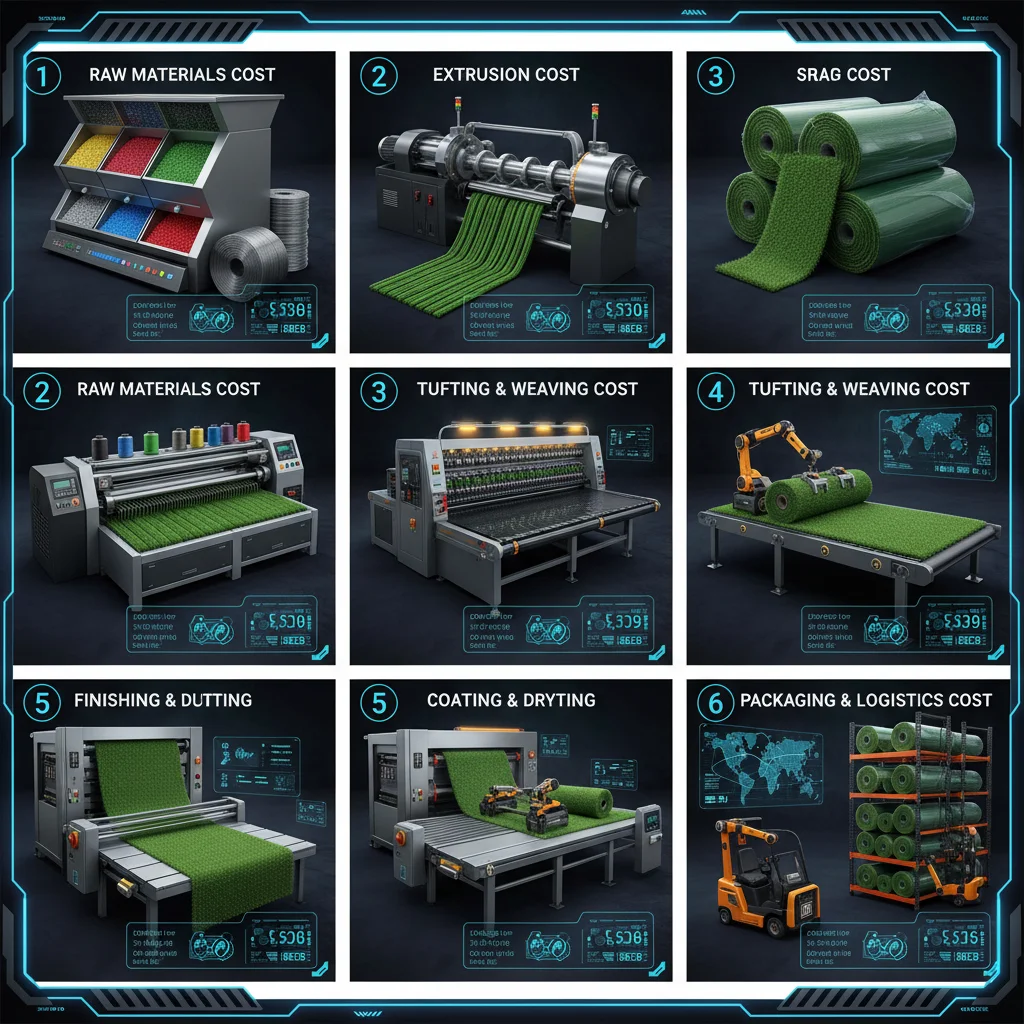
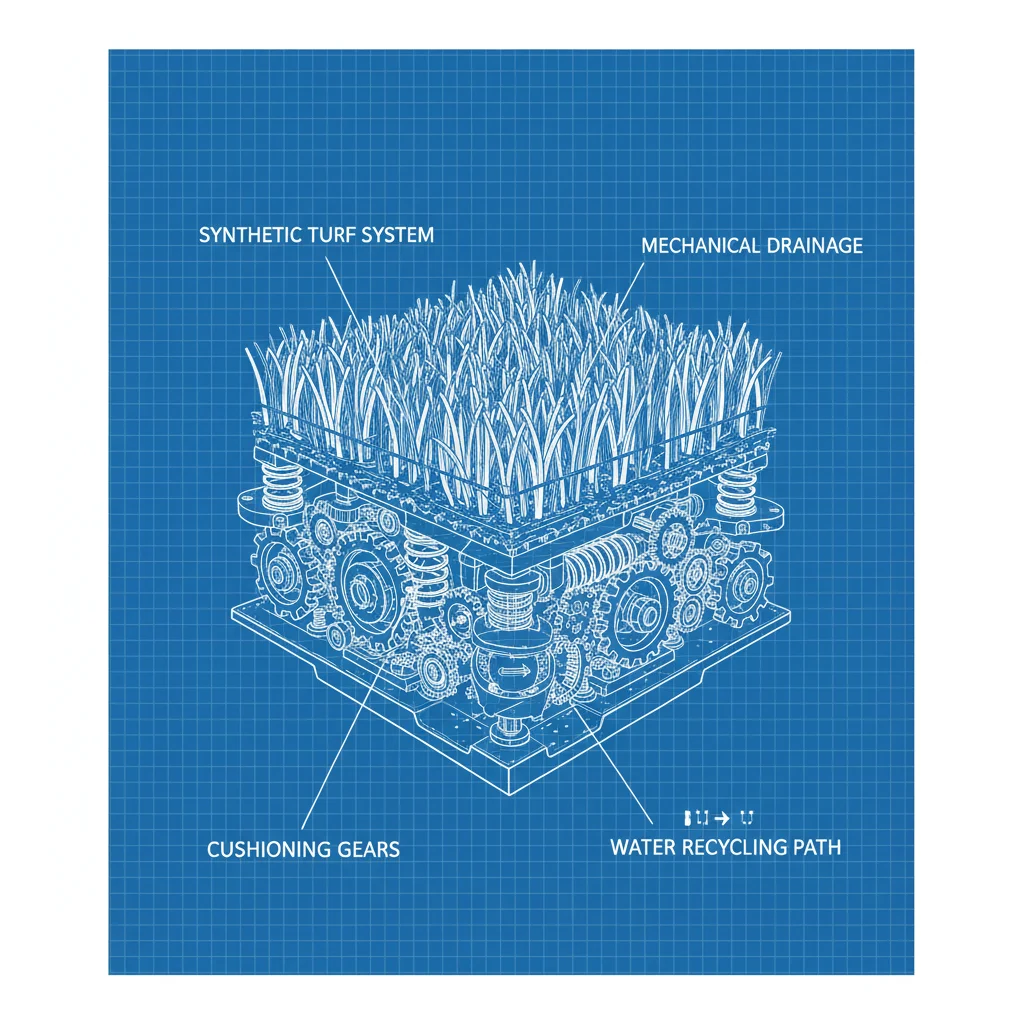
When planning a landscape upgrade or a sports facility, understanding the synthetic grass cost is often the first and most critical step in the decision-making process. Far from being a simple price-per-square-foot calculation, the total investment encompasses material grade, installation complexity, and long-term maintenance savings. For homeowners and commercial developers alike, balancing the initial expenditure with the desired aesthetic and durability is key to achieving a high return on investment.
Globally, the shift toward artificial turf is driven by increasing water scarcity and the rising cost of traditional lawn care. By analyzing the synthetic grass cost, it becomes evident that while the upfront price is higher than sowing natural seed, the elimination of irrigation, fertilizers, and mowing creates a financial break-even point typically within a few years. This economic shift is transforming urban planning and sports management across North America, Europe, and Asia.
Navigating the market requires a nuanced understanding of how different product categories—such as Artificial Sport Grass, Golf Grass, or Playground Grass—impact the final budget. Whether you are looking for a low-cost solution for a small garden or a high-performance surface for a professional football pitch, knowing the variables that influence synthetic grass cost ensures you don't overpay for unnecessary features or under-invest in quality that will degrade prematurely.
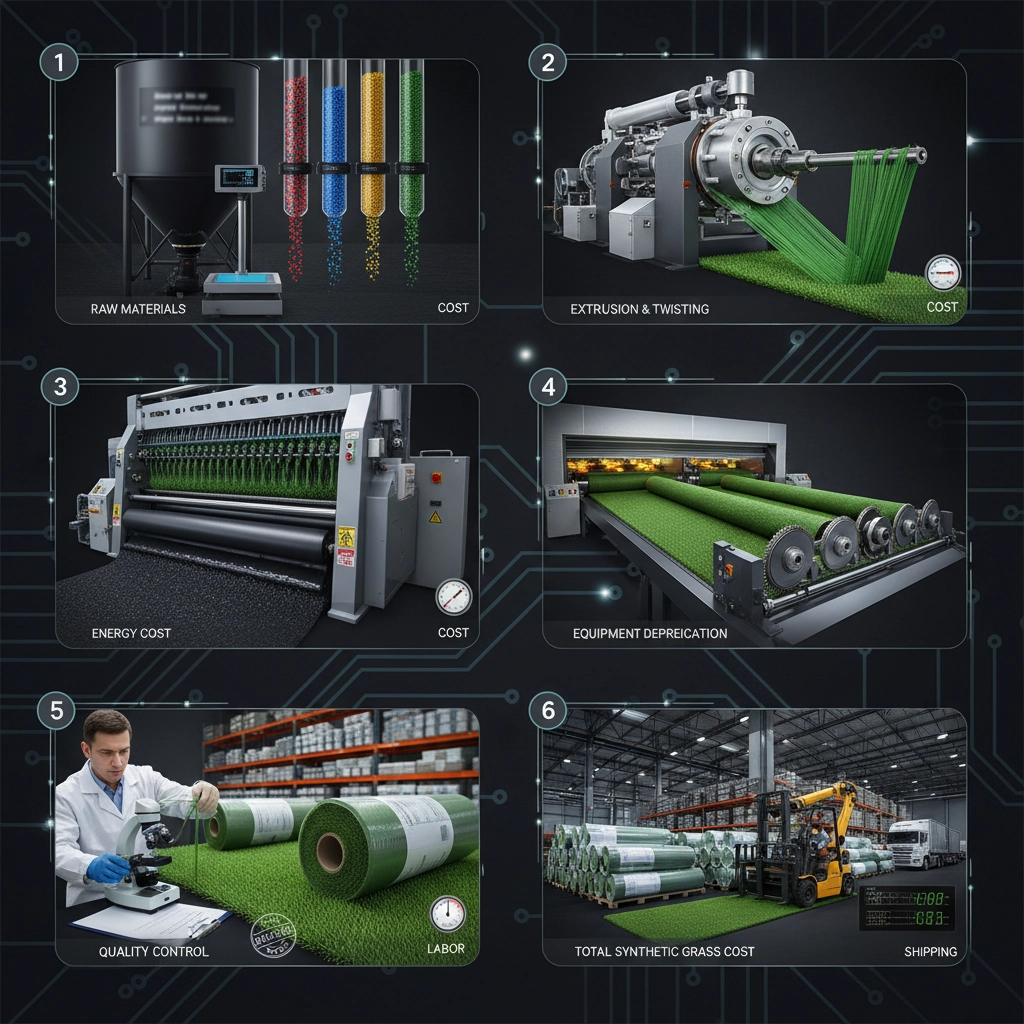
Global Market Dynamics of Synthetic Grass Cost
The global market for synthetic turf has seen a significant evolution, with the synthetic grass cost becoming more competitive due to advancements in polymer science. According to industry trends, the integration of recycled materials and more efficient manufacturing processes in regions like Asia has lowered the barrier to entry for residential users, while high-end sports turf continues to command a premium based on ISO performance standards.
However, price fluctuations are often tied to the cost of raw petroleum-based resins. As global supply chains stabilize, we see a move toward "value-engineered" solutions where the focus shifts from the cheapest possible material to the lowest total cost of ownership. This global shift is critical for municipal governments and sports organizations trying to balance budget constraints with the need for durable, all-weather playing surfaces.
Defining the Components of Synthetic Grass Cost
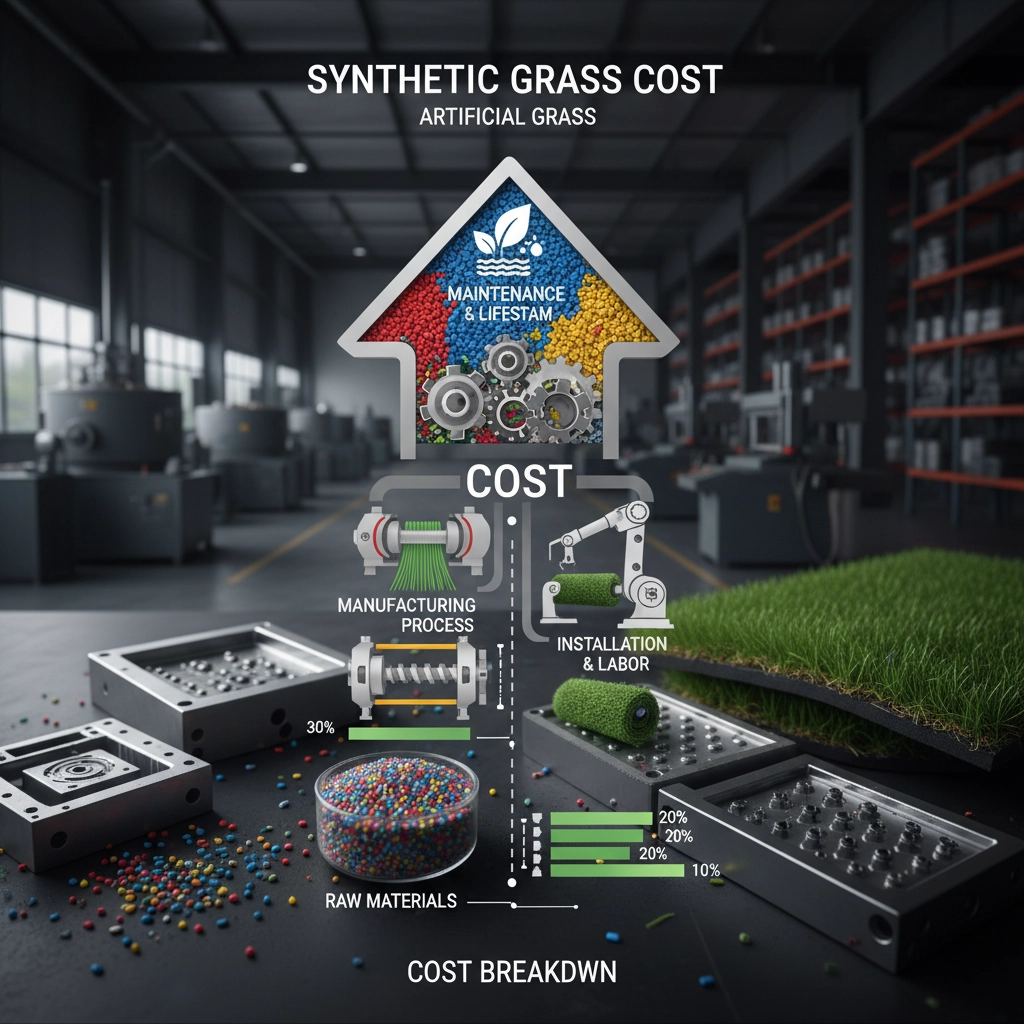
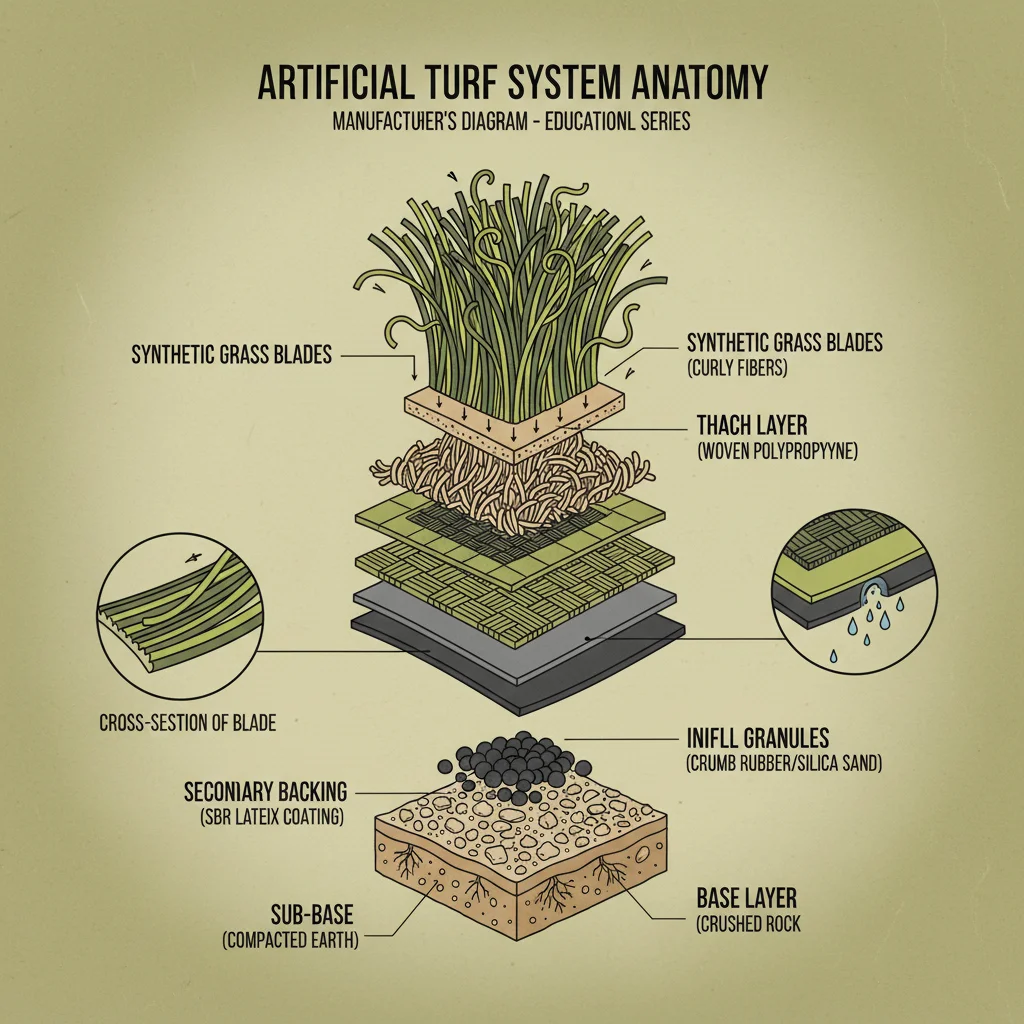
To truly understand synthetic grass cost, one must look beyond the surface material. The total price is typically divided into three primary pillars: the product cost (the turf itself), the base preparation (excavation, weed barrier, and crushed stone), and the labor for installation. Neglecting the base preparation often leads to drainage issues, which can double the long-term maintenance costs.
The material cost is further broken down by pile height, face weight, and the type of backing used. For instance, a high-density "Football Grass" requires a more robust backing and specialized infill to withstand heavy athletic impact, which naturally increases the synthetic grass cost compared to a decorative "Colorful Grass" used in playgrounds or exhibitions.
Finally, the "invisible" costs—such as shipping, logistics, and local permits—can add 10-15% to the total project budget. For international buyers, understanding the balance between freight costs and bulk material pricing is essential to optimizing the overall expenditure of their landscaping project.
Key Factors Influencing Price Variability
One of the most significant drivers of synthetic grass cost is the material composition, specifically the use of Polyethylene (PE), Polypropylene (PP), or Nylon. PE is widely used for its softness and durability in residential areas, whereas Nylon is often reserved for high-traffic sports fields due to its superior resilience and heat resistance.
The density of the stitches, known as the "gauge," also plays a pivotal role. A tighter stitch pattern results in a lusher, more natural look and a higher resistance to crushing, but this increased material usage directly elevates the synthetic grass cost. Professional-grade Artificial Landscape Grass often utilizes a multi-tone yarn to mimic real grass, adding a layer of manufacturing complexity.
Furthermore, the inclusion of UV stabilizers and antimicrobial treatments affects the price. While budget options may fade under intense sunlight, premium turf includes high-grade UV inhibitors that ensure the green hue remains vibrant for 10-20 years, effectively lowering the annualized synthetic grass cost over the lifetime of the product.
Cost-Efficiency Across Different Product Categories
Different applications demand different specifications, which leads to a wide spectrum of synthetic grass cost. For example, Garden Grass emphasizes softness and aesthetics, requiring lower face weights, whereas Football Grass requires specialized shock pads and infill materials to prevent athlete injury, significantly increasing the per-square-meter investment.
When comparing a luxury Golf Grass installation to a standard Playground Grass setup, the primary cost difference lies in the precision of the pile height and the density of the fibers. Golf surfaces require extreme consistency for ball roll, necessitating tighter quality control and more expensive manufacturing tolerances.
Comparison of Investment Levels by Grass Category
Global Applications and Regional Price Trends
In arid regions like the Middle East and the Southwestern United States, the synthetic grass cost is viewed as a strategic investment in water conservation. In these areas, the high cost of desalinated water makes artificial turf an economic necessity for large-scale public parks and residential estates, where the environmental "cost" of natural grass is simply too high.
Conversely, in European markets, there is a stronger trend toward eco-friendly, biodegradable backings. While these sustainable materials can slightly increase the initial synthetic grass cost, they are often offset by government subsidies for green building practices and reduced landfill taxes at the end of the product's lifecycle.
Long-Term Value and Sustainability ROI
Evaluating synthetic grass cost requires a shift from "Price" to "Value." For a commercial facility, the elimination of weekly mowing, edging, and fertilizing reduces labor costs by nearly 90%. When you factor in the longevity of the product—often lasting 15 years or more—the cost per year is significantly lower than the cumulative expense of maintaining a natural lawn.
Beyond the financial ledger, there is a social and emotional value. In urban "concrete jungles," the installation of high-quality artificial grass provides a safe, clean space for children and pets, enhancing the dignity and quality of life for residents. This "wellness ROI" is a critical part of the value proposition that justifies the initial synthetic grass cost.
Furthermore, the reliability of a synthetic surface ensures that sports venues remain operational 365 days a year, regardless of rain or snow. This increase in venue utilization allows sports clubs to generate more revenue through rentals and events, effectively turning the synthetic grass cost into a profit-generating asset.
Future Innovations Reducing Installation Costs
The future of synthetic grass cost is being shaped by automation and material science. We are seeing the emergence of "click-lock" installation systems and pre-fabricated base layers that drastically reduce the need for specialized labor, which has historically been one of the most expensive parts of the project.
Digital transformation is also playing a role. Using AI-driven landscape design software, contractors can now calculate the exact amount of material needed, minimizing waste and reducing the total synthetic grass cost. This precision ensures that homeowners only pay for the exact square footage required, including optimized cutting patterns.
Additionally, the development of "cool-yarn" technology is reducing the need for expensive cooling infills or irrigation systems to keep the turf temperature down in summer. This innovation simplifies the installation process and reduces the ancillary costs associated with heat management in tropical climates.
Analysis of Cost Factors Across Different Turf Tiers
| Turf Grade |
Typical Material Cost |
Installation Complexity |
Expected Lifespan |
| Budget/Decorative |
Low ($) |
Simple / DIY |
3-5 Years |
| Residential Premium |
Medium ($$) |
Moderate Professional |
8-12 Years |
| Commercial Landscape |
Medium-High ($$$) |
Professional Grade |
10-15 Years |
| Professional Sport |
High ($$$$) |
Complex / Specialized |
12-15 Years |
| Elite Golf/Putting |
Very High ($$$$$) |
Precision Installation |
10-15 Years |
| Custom Colorful/Play |
Variable ($$ - $$$) |
Standard Professional |
7-10 Years |
FAQS
While prices vary wildly, residential-grade synthetic grass typically ranges from $2 to $10 per square foot for the material alone. When including professional installation and base preparation, the total synthetic grass cost often lands between $8 and $20 per square foot. Commercial and sports-grade turf usually cost more due to higher density and specialized infill requirements.
Sport grass is designed for high-impact resilience and consistent ball bounce, requiring denser fibers and expensive shock-absorbing underlays. Garden grass focuses on aesthetics and "soft-touch" feel, which allows for lower face weights. Consequently, the synthetic grass cost for a sports field is significantly higher per square meter than for a residential lawn.
Yes, for most users. By eliminating the costs of water, lawnmowers, fertilizers, pesticides, and professional landscaping labor, most homeowners find that the synthetic grass cost is offset within 3 to 7 years. The long-term value is found in the drastic reduction of monthly utility bills and maintenance time.
Standard green hues generally have the most stable pricing. However, "Colorful Grass" or highly realistic multi-tone blends (incorporating tan "thatch" fibers) can slightly increase the synthetic grass cost due to the more complex weaving process and the use of specialized pigments to prevent fading.
The most common hidden synthetic grass cost is site preparation. If your current ground is uneven or has poor drainage, the cost of excavation and adding a crushed stone base can sometimes equal the cost of the turf itself. Always ask for a comprehensive quote that includes "base prep" and "waste removal."
DIY installation significantly lowers the immediate synthetic grass cost by removing labor fees. However, professional installation ensures proper drainage and seamless joints. A poor DIY job can lead to bubbling or drainage failure, which may cost more to fix than the original professional installation fee.
Conclusion
Understanding the synthetic grass cost is a journey of balancing immediate budgetary constraints with long-term functional requirements. From the material selection—whether it's high-performance Football Grass or aesthetic Garden Grass—to the critical importance of base preparation, every decision impacts the final price and the product's lifespan. By focusing on the total cost of ownership rather than just the initial quote, investors can secure a durable, sustainable, and visually stunning landscape that adds genuine value to their property.
As technology advances, we expect the barriers to entry to lower further, making professional-grade artificial turf accessible to a wider range of budgets. Whether you are aiming for environmental sustainability, athletic excellence, or simply a maintenance-free backyard, investing in quality synthetic turf is a forward-thinking choice. For the best balance of quality and pricing, we invite you to explore our full range of solutions. Visit our website: www.xiongyigrass.com