

The Complete B2B Guide to Artificial Grass Base Layer: Selection, Specs & Sourcing
For import managers, brand owners, and wholesale buyers, selecting the right artificial grass base layer is a critical, yet often overlooked, procurement decision. This foundational component directly impacts installation longevity, drainage efficiency, and overall project ROI. This guide cuts through the confusion, providing actionable data on material specifications, compliance, and how to source a reliable base layer from a manufacturing partner that aligns with your volume, timeline, and customization needs.
Industry Pain Points: Why the Wrong Base Layer Costs You More
Sourcing a substandard or incompatible base layer leads to cascading failures. Common pain points for B2B buyers include:
- Premature Settlement & Uneven Surfaces: Inferior compaction or low-density materials cause dips and bumps, leading to customer complaints and costly reinstalls.
- Inadequate Drainage & Waterlogging: Poorly designed permeability results in pooling water, creating hazardous surfaces and promoting microbial growth.
- Supply Chain Inconsistency: Fluctuating material quality, delayed shipments, and poor communication disrupt project timelines and inventory planning.
- Hidden Costs of Non-Compliance: Materials that don't meet regional safety or environmental standards can result in rejected shipments, fines, and brand liability.
- Limited Customization: Off-the-shelf solutions often fail to meet specific project requirements for unique roll sizes, composite materials, or branding.
artificial grass base artificial lawn base artificial grass exterior
Strategic Sourcing: The Base Layer as a System Component
The solution is to treat the base layer not as a commodity, but as a precision-engineered system component. This requires a supplier with integrated manufacturing capability, quality assurance protocols, and the flexibility to support your business model, whether you require bulk OEM/ODM design or consistent private-label supply.
Common Base Layer Types & Applications
| Material Type | Key Properties | Ideal Application Scenario | Considerations for Buyers |
|---|---|---|---|
| Geotextile Fabric (Non-Woven) | Weed suppression, soil separation, filtration | Landscaping projects over soil substrates | Grammage (gsm), tensile strength, UV resistance |
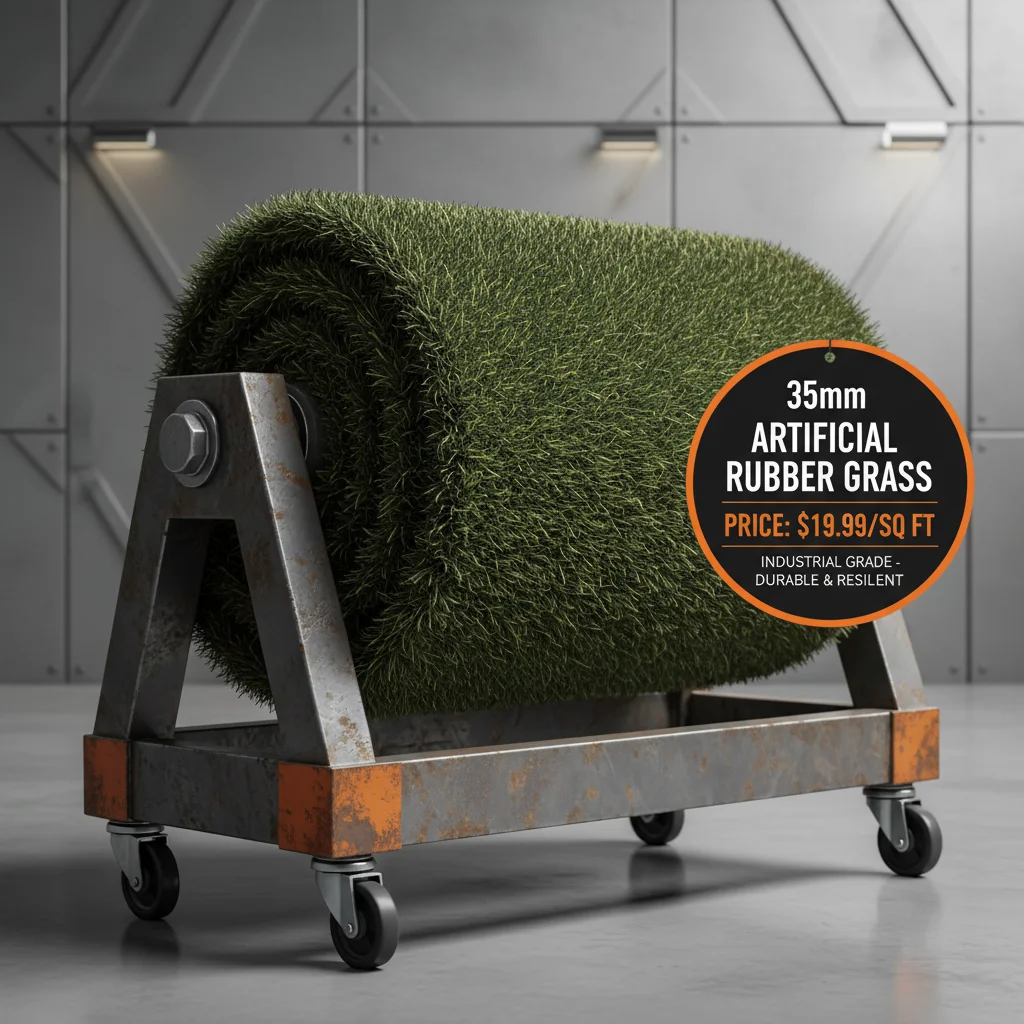
| Rubber Shock Pad | Impact absorption, player safety, enhanced cushioning | Sports fields, playgrounds, fitness areas | Critical fall height ratings, thickness (mm), density (kg/m³) |
| Composite Drainage Layer | High-flow drainage, subsurface water management | Roof gardens, balconies, areas with poor natural drainage | Flow rate (gal/min/ft²), compression resistance | Foam Underlay | Softening feel, thermal insulation, minor leveling | Residential landscaping, pet areas | Density, recovery rate, long-term compression set |
Note: Specifications are for reference. Always request technical data sheets and test reports for your specific project requirements.
Partnering with a Capable Manufacturer: Beyond the Price Per Square Meter
When evaluating a factory for artificial grass base layer production, technical capability and supply chain reliability are paramount. Here’s what a robust partnership entails:
1. Integrated Manufacturing & Quality Assurance
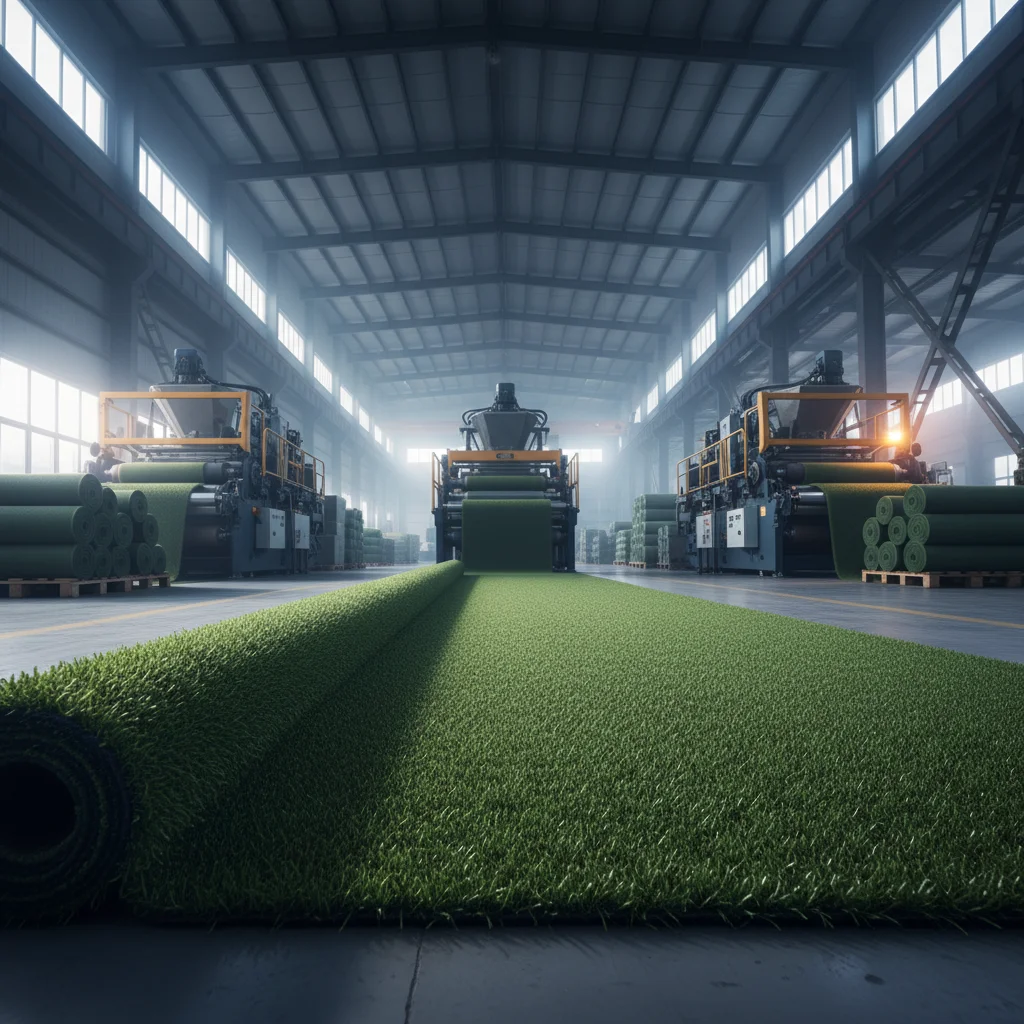
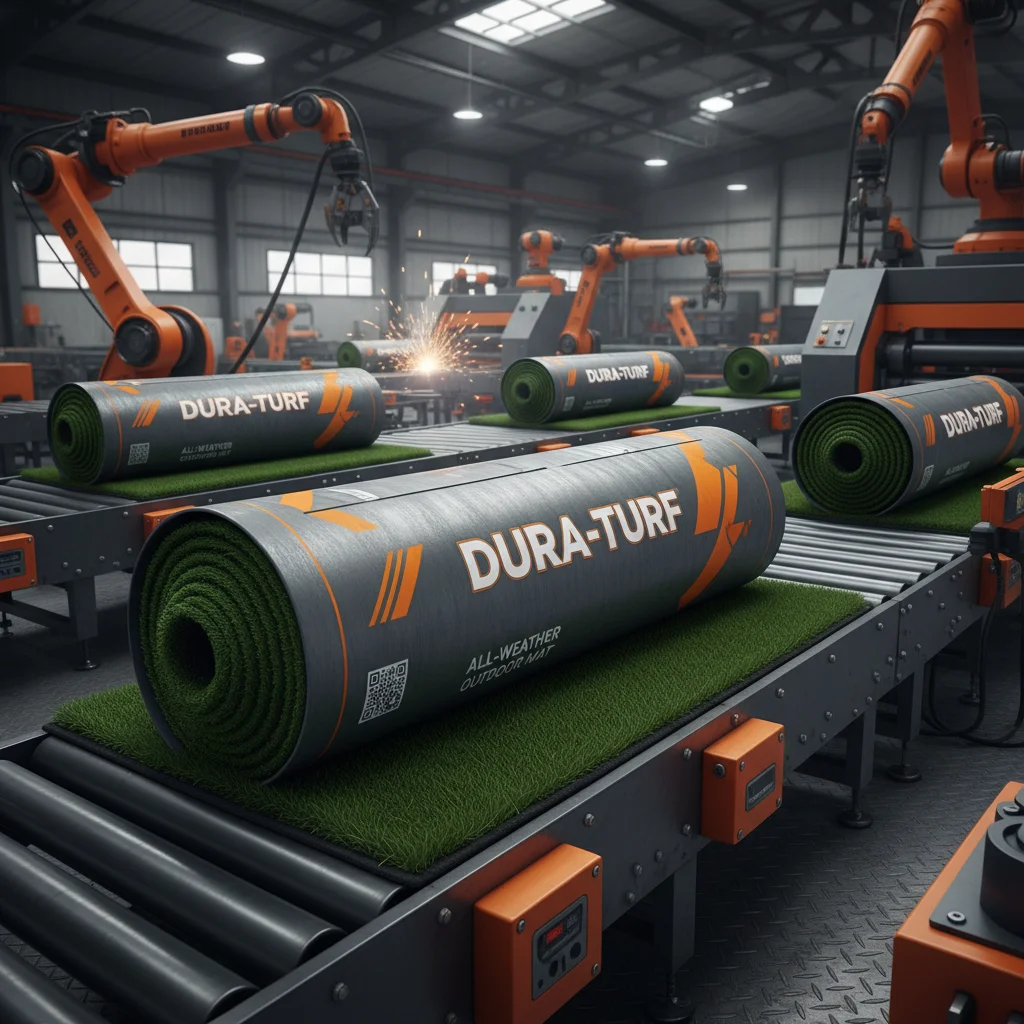
HEBEI XIONGYI RUBBER & PLASTIC PRODUCTS CO., LTD. (“XY Grass”) operates from a 5,000 m² production facility, allowing for in-house control over key processes like material compounding, weaving, and composite lamination. This vertical integration enables consistent quality assurance through:
- Incoming Raw Material Inspection: Verification of polymer grades and filler content.
- In-Process Testing: Monitoring of grammage, thickness, and tensile strength during production.
- Batch Sampling: Final product testing for key performance indicators relevant to your market.
Typical quality benchmarks include tests for tensile strength (ASTM D4632), permeability (ASTM D4491), and UV stability (ASTM D4355). Factories may also hold management system certifications such as ISO 9001.
2. OEM/ODM Design & Customization Support
For brand owners and wholesalers, product differentiation is key. A capable manufacturer offers OEM/ODM design services including:
- Custom Roll Dimensions: Tailoring width and length to minimize on-site waste and fit your packaging.
- Material Blending: Adjusting rubber granule mixes or polymer blends for specific performance or environmental goals.
- Branding Integration: Custom printed geotextiles or branded packaging solutions.
3. Logistics & Supply Chain Terms
Clear commercial terms are essential for smooth procurement. Key points to clarify include:
- MOQ (Minimum Order Quantity): Often based on a container load (e.g., 20GP or 40HQ) to optimize logistics cost. Flexible MOQs may be available for composite or hybrid products.
- Lead Time: Typically 15-30 days for standard items, subject to order volume and customization complexity. A supplier with strong China's supply chain networks can ensure material availability for high-speed delivery on repeat orders.
- Packaging: Standard export packaging includes rolled on cores, wrapped in plastic, and loaded on pallets. Custom packaging is negotiable.
- Payment Terms: Common terms include T/T (30% deposit, 70% against BL copy), L/C at sight, or secure trade assurance platforms.
- Incoterms: Clearly negotiated FOB (Free On Board) or CIF (Cost, Insurance, and Freight) terms.
Project Reliability: What Real Buyers Say
Here is feedback shared by professionals who have sourced base layers for large-scale projects:
"We ordered a custom composite drainage layer for a series of rooftop gardens in Florida. The specifications were precise, and the factory's engineering team provided valuable input. The consistency across all 40 containers was impressive, which made installation predictable." – Mark T., Project Director, Commercial Landscaping Firm, USA
"As an importer, communication and on-time delivery are as important as product quality. Our partner factory has consistently met our just-in-time delivery windows for our private-label shock pads, which is critical for our inventory turnover." – Sarah L., Import Manager, Sports Facility Supplier, Canada

"We needed a geotextile with specific weed barrier properties and a custom black color for an aesthetic requirement. The OEM support was seamless, and the product performed as per the lab report provided. It gave us confidence to specify it across our franchise network." – David K., Brand Owner, Landscaping Franchise, Australia
Next Steps: Request Your Technical Portfolio & Quotation
Transforming your base layer sourcing from a cost center to a value-added component starts with precise information. To move forward, we recommend preparing the following for your supplier request:
- Project Scope: Target application, estimated annual volume.
- Technical Requirements: Desired material, key performance parameters (e.g., thickness, weight, drainage rate).
- Compliance Needs: Any required test reports or certification references.
- Commercial Terms: Target price point (CIF/FOB), preferred payment method, and ideal lead time.
Ready to streamline your supply chain? Contact the XY Grass team to discuss your artificial grass base layer requirements. Request a comprehensive technical portfolio, including available specifications and customizable options.
HEBEI XIONGYI RUBBER & PLASTIC PRODUCTS CO., LTD. (XY Grass)
Contact: Alex Chen (Senior Trade Manager)
Tel/WhatsApp: +86-13931845866
Email: sales@xiongyigrass.com
Website: https://www.xy-grass.com
Address: Hope New District, Mengcun County, Cangzhou City, Hebei Province, China.
FAQ: Artificial Grass Base Layer Sourcing
What is the typical MOQ for a custom base layer order?
MOQs are typically optimized for container loads (e.g., one 20-foot or 40-foot container) to ensure cost-effective shipping. For standard geotextiles, this can be approximately 10,000 - 20,000 square meters. For composite or rubber shock pads, MOQ is often calculated by volume. Discuss your project scope with the factory for precise MOQ details.
Can you provide base layers with CE marking or other certifications?
Many manufacturers can produce base layers that comply with relevant standards for CE marking (Construction Products Regulation) or other regional benchmarks. It is crucial to specify the exact standard and required test reports during your inquiry. The factory can then confirm if their production process and materials meet those specific compliance requirements.
How do you ensure consistent quality across production batches?
A structured Quality Management System (QMS) is key. This includes standardized raw material sourcing, controlled production parameters, and batch-wise testing. Request information on the factory's in-process and final inspection procedures, and ask for sample test reports to verify claimed specifications.
What is the standard packaging for export?
Base layers are typically rolled onto sturdy cardboard cores, shrink-wrapped in heavy-duty plastic, and secured on wooden pallets. This protects the product from moisture and damage during ocean freight. Custom branding on the plastic wrap or labels is often available under OEM agreements.
What information do I need to provide for an accurate OEM/ODM quote?
Provide detailed specifications: target material composition, physical dimensions (width, length, thickness), performance data (e.g., puncture strength, permeability), color, and any special packaging or labeling requirements. Sample swatches or technical drawings are highly beneficial for complex custom projects.

About the Author: Michael Reynolds
Michael is a landscape materials consultant with over 12 years of experience specializing in synthetic turf systems and subsurface components. He has worked with municipalities, sports complexes, and major importers across North America and Europe to specify and source performance-driven materials. His writing focuses on translating technical manufacturing data into actionable procurement insights for B2B buyers.
Disclaimer: All technical data, lead times, MOQs, and compliance capabilities mentioned are for illustrative purposes and represent common industry practices. Final specifications, pricing, and terms are subject to the specific requirements of your project and formal order confirmation with the supplier. Always conduct due diligence and request current samples and test reports before procurement.