

Unveiling the Foundation of Excellence: The Role of Artificial Grass Base Layers
As a seasoned advocate for the beauty and functionality of artificial grass, I've had the pleasure of witnessing its transformation from a simple landscaping choice to a multifaceted, versatile option for various applications. One element that often goes unnoticed but is crucial to its performance is the base layer. In this article, I'll dive into the world of artificial grass base layers, exploring their significance, specifications, and how they contribute to the overall quality of artificial grass installations. So, let's roll up our sleeves and get into the nitty-gritty of what makes a great base layer.
The Significance of Artificial Grass Base Layers
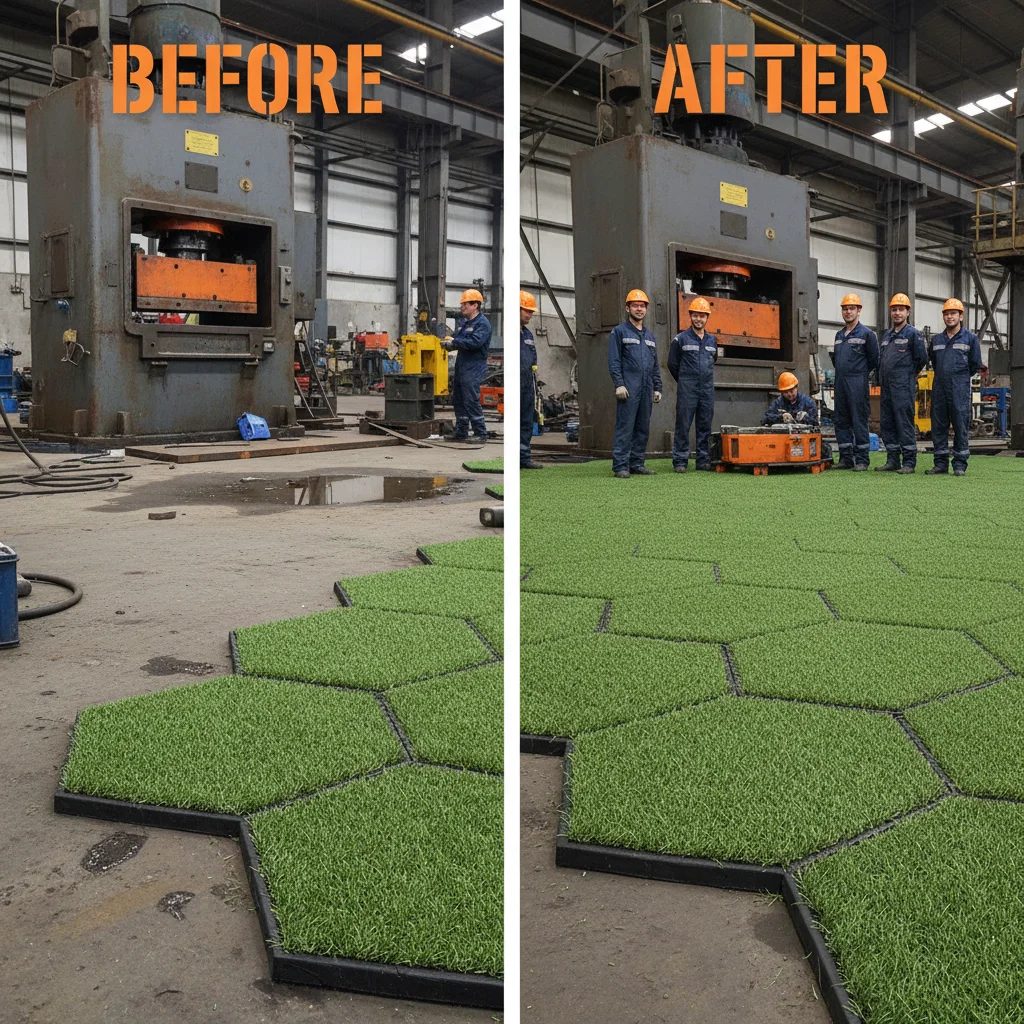
Imagine laying a beautifully designed rug over a lumpy, uneven floor. It would look great from a distance, but get up close, and you'd notice the imperfections. Similarly, an artificial grass installation is only as good as its foundation. The base layer is the unsung hero that ensures your grass lies flat, provides excellent drainage, and offers a stable surface for play or leisure.
How Base Layers Enhance Performance
- Improves Drainage: Water is the enemy of artificial grass. A well-designed base layer ensures that rainwater quickly drains away, preventing pooling and damage to the grass fibers.
- Ensures Evenness: A level surface means your grass looks lush and uniform, rather than bumpy and uneven.
- Supports Grass Stability: The base layer provides a sturdy foundation for the grass, allowing it to withstand heavy foot traffic and maintain its shape over time.
Understanding the Technical Specifications of Base Layers
When selecting a base layer for your artificial grass project, it's important to consider several technical specifications. Here's a breakdown of the key factors to look for:
Thickness and Density
Base layers come in various thicknesses, typically ranging from 20mm to 50mm. Thicker layers offer greater stability and improved drainage. Density, on the other hand, refers to the number of stones or aggregates packed into the layer. A higher density ensures a more even and firm surface.
Compressibility
This refers to how much the base layer can be compacted under pressure. A lower compressibility means the layer will maintain its shape and structure over time, ensuring consistent performance.
Permeability
Permeability is a measure of how well water can pass through the base layer. A highly permeable layer allows water to drain quickly, minimizing the risk of damage to the grass.
Product Specifications: The XY Grass Solution
At XY Grass, we understand the importance of a high-quality base layer. Our product, "XY Grass Base Layer," is designed to meet the needs of both residential and commercial projects. Here are the specifications:
| Specification | Description |
|---|---|
| Thickness | 25mm to 50mm |
| Density | 60-80 kg/m³ |
| Compressibility | 10-15% at 5kN/m² |
| Permeability | ≥80% under 1.0kPa |

artificial turf layers artificial turf base base for artificial grass
Case Study: Transforming a Residential Landscape
One of our recent projects involved transforming a residential backyard into a lush, green oasis. The homeowner wanted a space that was both visually appealing and functional for family gatherings. We chose our "XY Grass Base Layer" to ensure a stable and well-draining surface. The results were stunning – the grass looked perfect, and the homeowners were thrilled with the transformation.
Conclusion
As you can see, the right base layer is an essential component of a successful artificial grass installation. At XY Grass, we pride ourselves on offering high-quality products and solutions that enhance the beauty and functionality of artificial grass. If you're considering an artificial grass project, don't skimp on the base layer. Contact us today at sales@xiongyigrass.com or call us at 0086-13931845866. Let us help you create the perfect space for your needs.