

Artificial Grass Deep Cleaning: A Comprehensive Guide for B2B Buyers & Facility Managers
For import managers, brand owners, and commercial facility operators, maintaining the pristine appearance and longevity of artificial grass inventory or installations is a significant operational concern. Artificial grass deep cleaning moves beyond routine brushing and rinsing to address ingrained dirt, microbial growth, and stubborn stains that can degrade product quality and user experience. This guide details the professional-grade processes, equipment, and partnership criteria necessary for effective large-scale maintenance, ensuring your commercial synthetic turf investments—from wholesale inventory to finished installations—retain their value and performance for years.
Beyond Surface Cleaning: The Hidden Challenges in Commercial Artificial Turf
While artificial grass is celebrated for its low maintenance, commercial and high-traffic applications present unique challenges that simple hosing cannot solve. B2B buyers and operators must understand these pain points to protect their assets.
- Biofilm and Algae Formation: In shaded, damp, or humid environments, organic matter and moisture lead to slippery biofilm and algae, creating safety hazards and unpleasant odors.
- Ingrained Particulate and Dust: Over time, fine dust, pollen, and sand settle deep within the turf backing and infill, compacting and reducing drainage efficiency.
- Stubborn Organic Stains: Spills from food, beverages, or animal waste can seep into the fibers and infill, leading to persistent stains and attracting pests if not thoroughly sanitized.
- Loss of Fiber Resilience: Without periodic deep cleaning to remove compacted debris, turf fibers can remain matted down, affecting the aesthetic appeal and performance characteristics of sports or landscaping turf.
The Professional Deep Cleaning Protocol: A Step-by-Step Breakdown
Effective deep cleaning artificial turf is a systematic process. For businesses managing large areas or inventory, adopting this protocol ensures consistency and results.
Step 1: Advanced Dry Debris Removal
Before any wet cleaning, use industrial-grade power blowers or vacuum systems designed for synthetic turf. This removes surface leaves, loose litter, and dry particulates that can create mud during washing.
Step 2: Pre-Treatment and Targeted Stain Removal
Apply EPA-approved, turf-safe cleaning solutions to heavily soiled areas or specific stains. These bio-enzymatic or specialized cleaners break down organic matter and oils without harming polyethylene or polypropylene fibers. Allow dwell time as per manufacturer guidelines.
Step 3: Mechanical Agitation and Deep Rinse
This is the core of the deep clean. Use a rotary brush machine or a oscillating surface cleaner (similar to a hard surface cleaner but with soft bristles) to agitate the pile and infill. Simultaneously, apply low-pressure, high-volume water to flush dislodged debris through the drainage holes in the backing. High-pressure washers are not recommended as they can damage fibers and force infill out of place.
Step 4: Sanitization and Disinfection
For sports fields, playgrounds, or pet areas, applying a non-residual, broad-spectrum disinfectant is crucial. This step eliminates bacteria, viruses, and mold spores, addressing odor at its source and ensuring a hygienic surface.
Step 5: Final Grooming and Inspection
Once the turf is completely dry (typically 24-48 hours), use a power brush or drag brush to lift the fibers and restore the natural, upright look of the grass. Conduct a final inspection for evenness and cleanliness.
Essential Equipment & Solutions for Effective Deep Cleaning
Partnering with a manufacturer who understands this process is key. Quality turf is designed to withstand it, and the right partner can supply both the turf and maintenance guidelines.
| Equipment/Solution | Purpose | Professional Consideration |
|---|---|---|
| Industrial Power Blower/Vacuum | Dry debris removal | Essential for large-area pre-cleaning; reduces water usage. |
| Rotary Turf Brush Machine | Mechanical agitation | Must have adjustable height and soft bristles to avoid fiber damage. |
| Turf-Safe Cleaning & Disinfectant Solutions | Stain treatment, sanitization | Must be PH-neutral, non-bleaching, and compliant with local environmental regulations (e.g., EPA, REACH). |
| Low-Pressure, High-Volume Rinse System | Flushing debris | Preserves infill level and backing integrity. A standard garden hose is often insufficient for commercial jobs. |
cleaner for artificial grass clean artificial grass artificial grass how to clean
Note: Specific equipment and chemical recommendations may vary based on turf type and infill material. Always consult your turf supplier's maintenance guidelines.
Why Deep Cleaning Protocols Matter for Your Sourcing Decisions
The ease and effectiveness of deep cleaning artificial grass are directly influenced by the quality of its manufacture. When sourcing, these are the material and construction features to specify:
- High-Density, Permeable Backing: A robust backing with precise laser-perforated drainage holes allows for rapid water and debris flush-through during cleaning, preventing pooling and mildew.
- UV-Stabilized, Colorfast Fibers: Premium polyethylene (PE) or polypropylene (PP) yarns resist fading from UV exposure and cleaning agents, ensuring the turf color remains consistent for years.
- Durable Infill Materials: Whether silica sand, SBR rubber, or organic options like cork, the infill should be resistant to compaction and bacterial growth, aiding the cleaning process.
- Strong, Weather-Resistant Latex Coating: The coating that binds the turf fibers to the backing must withstand repeated wetting, drying, and mechanical agitation without delaminating.
Partnering with a Manufacturer Engineered for Durability and Ease of Maintenance
HEBEI XIONGYI RUBBER & PLASTIC PRODUCTS CO., LTD. (XY Grass) understands that a product's lifecycle cost includes maintenance. Our manufacturing philosophy integrates features that simplify professional artificial grass deep cleaning for our B2B partners worldwide.
Technical Capabilities and Quality Assurance
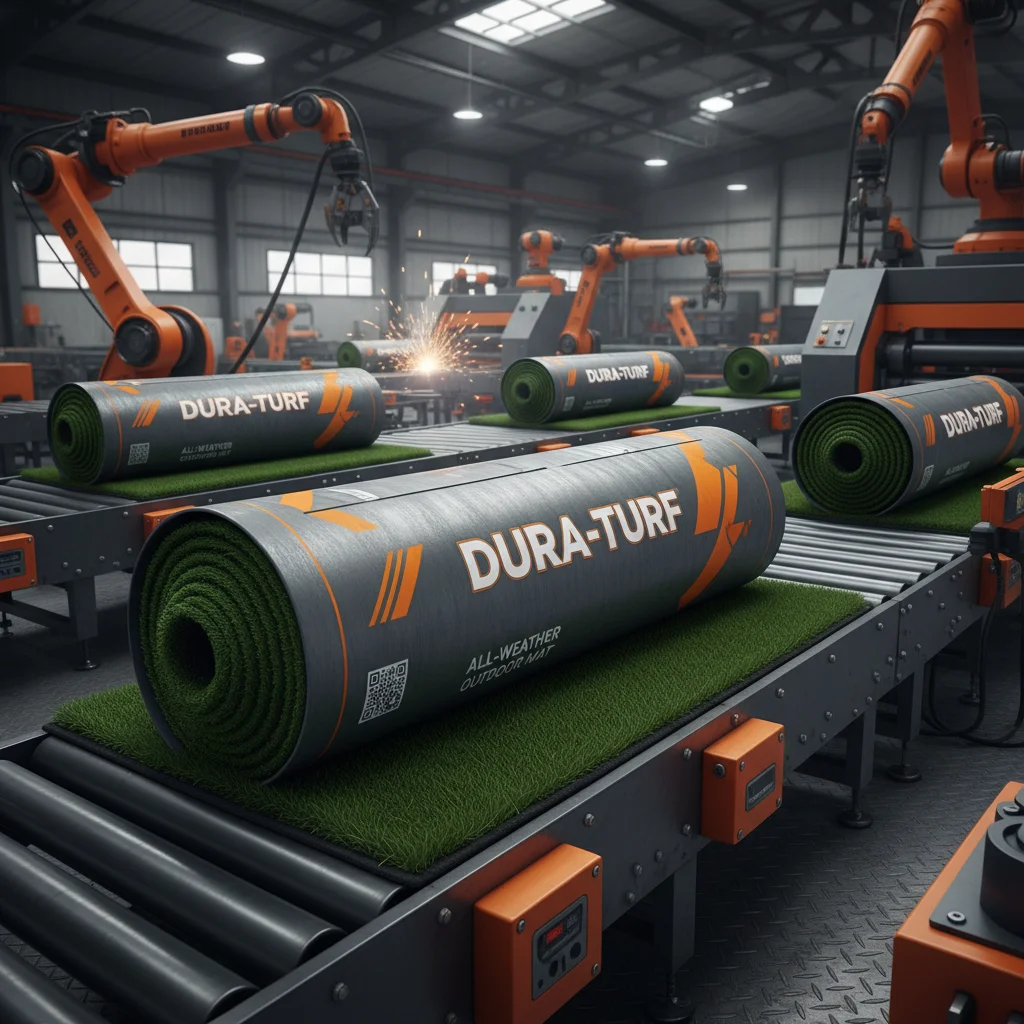
Our facility, covering over 5,000 m², utilizes automated tufting and coating lines to ensure consistent product density and backing integrity. We implement a multi-point Quality Control (QC) system aligned with ISO 9001 management principles, checking for drainage rate, stitch count, and color uniformity. This consistency means every square meter of turf you receive performs predictably under cleaning protocols.
Full-Service OEM/ODM Support for Brand Owners
As a brand owner or wholesaler, differentiating your product is key. Our OEM/ODM team supports custom pile heights, densities, colors, and even proprietary backing formulations. We can develop turf lines specifically marketed as "Easy-Clean" or "Professional-Grade," complete with your branded maintenance guidelines, giving you a competitive edge in your local market.
Supply Chain Efficiency for Import Managers
Leveraging China's integrated supply chain, we ensure stable raw material sourcing, minimizing production delays. Our standardized packaging and consolidated container loading optimize logistics. Standard lead times are competitive, and we offer flexible MOQ arrangements to suit both trial orders and large-volume contracts. For specific FOB/CIF terms and delivery schedules, please request a formal quotation.
Compliance and Specifications
Our products are developed with international standards in mind. While specifications vary by product line, we can provide materials that meet or exceed relevant testing for factors like heavy metals (RoHS), fire resistance (according to regional standards), and durability. Always inform us of your target market's key compliance requirements during inquiry.

Insights from the Field: What Commercial Users Say
Here is feedback from professionals who manage large-scale artificial turf installations:
Michael T., Facilities Manager for a Southeastern US School District: "We installed XY Grass's sports field system in five of our high schools. After three seasons, we conducted our first deep clean. The drainage was so effective that the cleaning contractor noted how quickly the water flushed through compared to other fields. The fibers bounced back perfectly with no signs of damage from the cleaning agents."
"Sunscape Landscaping" (Arizona-based Commercial Landscaper): "We source turf for hotel and condo projects in arid climates where dust is a major issue. We switched to XY Grass as a supplier two years ago. The deep cleaning process on their turf is straightforward—the dust doesn't seem to cling as tenaciously to the fiber, saving our maintenance teams significant time on our service contracts."
David L., Owner of a Pet Care Franchise in the Midwest: "Odor control is our #1 priority. The turf we sourced through our agent from XY Grass for our indoor dog play areas has a great backing system. Our weekly deep clean with enzymatic cleaners is highly effective. The turf has shown no deterioration after 18 months of heavy use and frequent washing, which is a testament to the material quality."
Next Steps for B2B Buyers: From Inquiry to Optimized Supply
Optimizing your artificial grass supply chain for long-term performance and lower total cost of ownership starts with a detailed conversation.
Request a consultation to:
- Discuss your specific market application (landscaping, sports, leisure) and receive tailored product recommendations.
- Obtain technical data sheets detailing drainage rates, fiber specifications, and recommended maintenance protocols.
- Explore OEM/ODM possibilities for your private label.
- Get a detailed quote including MOQ, lead time, packaging, and preferred shipping terms.
Contact XY Grass Today:
Email: sales@xiongyigrass.com | Tel: +86-13931845866
Visit our Contact Page: https://www.xy-grass.com/contactus/
Let's build a partnership that focuses on lasting quality and performance.
Frequently Asked Questions (FAQ) on Artificial Grass Deep Cleaning
How often should commercial artificial grass be deep cleaned?
Frequency depends on usage. High-traffic public spaces, sports fields, or pet areas may require deep cleaning 1-2 times per year. Lower-traffic landscaping may only need it every 2-3 years. Visual inspection and reduced drainage are key indicators.
Can I use a standard pressure washer on artificial turf?
It is not recommended. High pressure can damage fibers, separate seams, and displace infill. Always use low-pressure, high-volume water for rinsing in conjunction with mechanical brushing.
What certifications should I look for in cleaning solutions?
For the US market, look for EPA-registered disinfectants if sanitization is required. Solutions should be labeled as safe for synthetic turf, biodegradable where possible, and free of harsh solvents or bleaches that can degrade fibers.
Does deep cleaning void the turf warranty?
Proper deep cleaning using manufacturer-recommended methods typically does not. However, using improper equipment or harsh chemicals might. Always refer to and follow the warranty guidelines provided by your turf supplier.
Can you supply turf with built-in antimicrobial properties?
Yes, through our OEM/ODM services, we can discuss incorporating additives during the manufacturing process that inhibit microbial growth on the fibers, which can be a valuable feature for certain markets and simplify maintenance.
What is the typical lead time for a container order of artificial grass?
Lead times vary based on product specification, order quantity, and production schedule. For standard products, lead times are typically competitive. We provide a confirmed production and shipping timeline with every formal quotation. Please contact us for current lead time estimates.

About the Author: Alex Carter is a senior consultant with over 15 years in the synthetic turf and outdoor surfaces industry. Having worked with municipalities, sports franchises, and major landscaping distributors, Alex specializes in the lifecycle management and performance optimization of artificial grass for commercial applications. The insights provided are based on field experience and technical data from manufacturers like XY Grass.
The information in this article is for professional guidance. Product specifications, MOQ, lead time, and pricing are subject to change. Please refer to the final order confirmation and specifications sheet from HEBEI XIONGYI RUBBER & PLASTIC PRODUCTS CO., LTD. for all transaction details.