

Average Cost of an Artificial Turf Football Field: A 2024 Procurement Guide
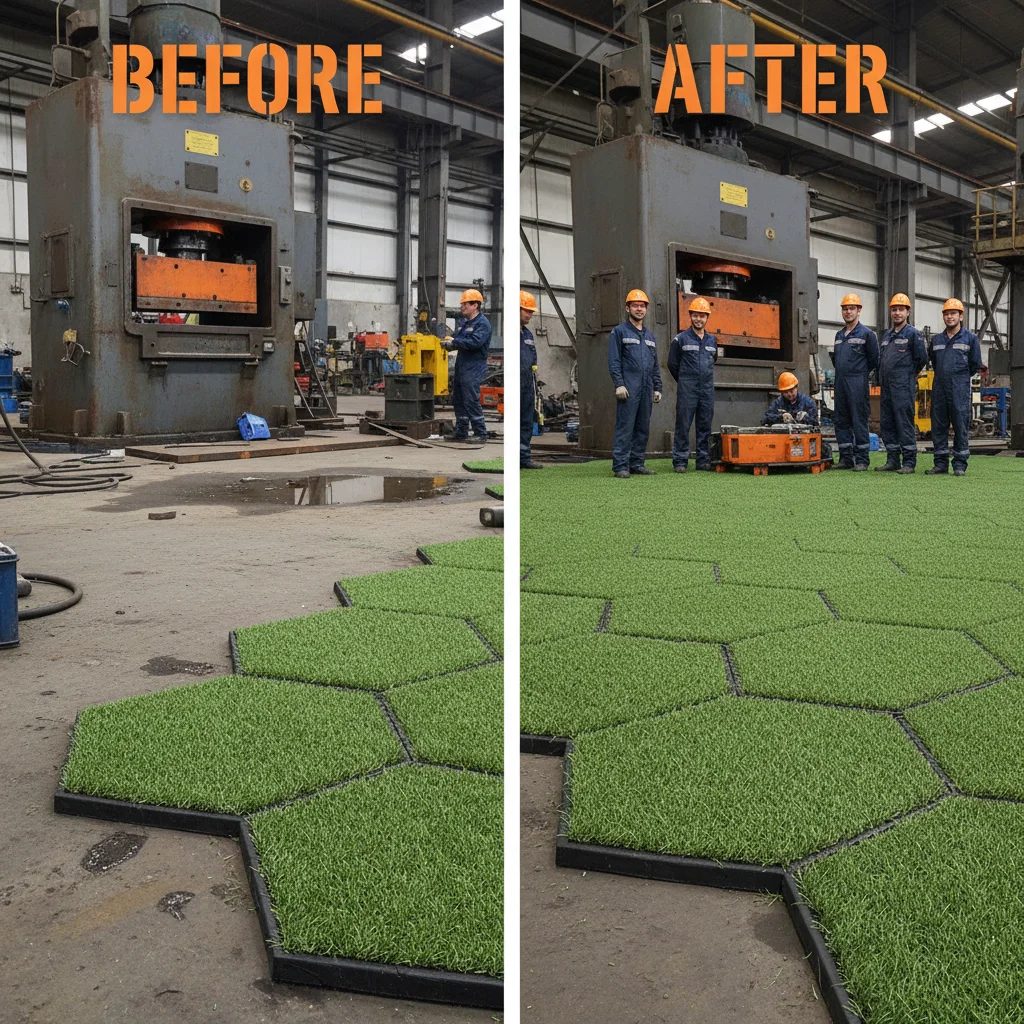
For import managers, brand owners, and sourcing agents, the average cost of an artificial turf football field typically ranges from $4 to $10 per square foot, FOB China. This wide range translates to a total project budget between $200,000 and $800,000+ and is determined by fiber quality, system specifications, order volume, and logistics. This guide deconstructs the cost drivers and outlines how partnering with a specialized manufacturer like XY Grass leverages China's supply chain for optimal value without compromising on performance or compliance.
Navigating the Complex Cost Landscape for Football Turf
Procuring a synthetic turf field involves more than a simple per-square-meter quote. Buyers often face significant challenges in budgeting accurately and ensuring long-term value.
Common Procurement Challenges
- Hidden Cost Variables: Initial quotes may not fully account for pile weight, backing composition, infill requirements, or necessary certifications, leading to budget overruns.
- Quality vs. Price Uncertainty: Distinguishing between a genuinely durable, high-performance system and a superficially similar, lower-cost alternative is difficult from specifications alone.
- Supply Chain Inefficiency: Delays in production, inconsistent communication, and unexpected logistics costs can erode projected savings and delay project timelines.
- Compliance and Warranty Risks: Fields that fail to meet local safety standards or lack robust, enforceable warranties can result in costly liabilities and replacements.
A Strategic Sourcing Framework
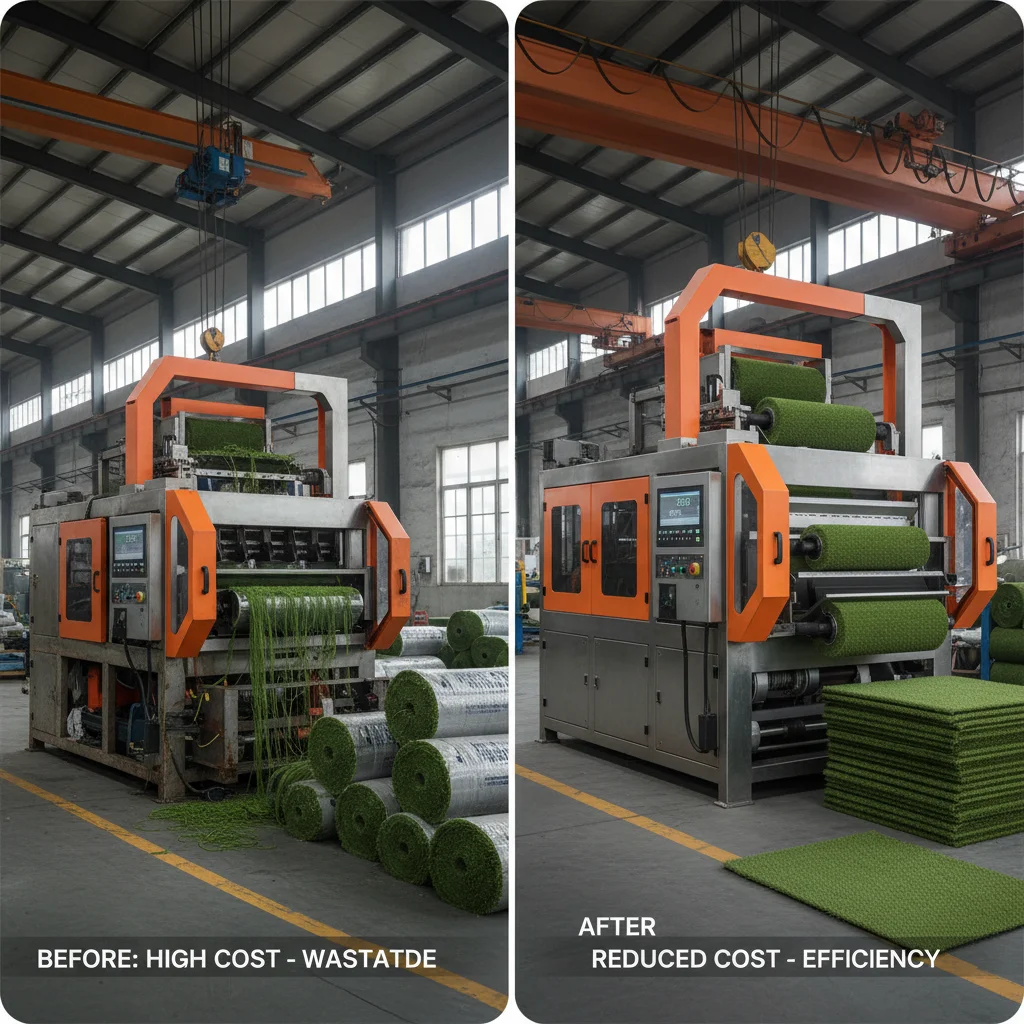
The solution lies in a transparent, component-based cost analysis and a supplier partnership model. By understanding each cost layer—from raw materials to logistics—and selecting a factory with integrated control from yarn extrusion to palletization, buyers can achieve predictable budgeting and secure a field built for longevity and performance.
Deconstructing the Cost: Key Components of a Turf System
The total installed cost consists of the turf system itself, ancillary materials, and installation labor. As a manufacturer, we focus on the FOB cost of the turf system, which is the core procurement decision. The following table outlines the primary cost drivers within the turf product.
| Cost Component | Specification Range & Impact | Price Influence |
|---|---|---|
| Face Fiber (Yarn) | Material: PE (Polyethylene), PP (Polypropylene), or Nylon (PA). PE is standard for balance of performance and cost. Weight & Height: Dtex (yarn thickness) and pile height (40mm-65mm common) directly correlate to durability, feel, and material usage. | High. Constitutes 50-70% of raw material cost. Premium polymers and higher dtex increase cost but enhance longevity. |
| Backing System | Primary Backing: Woven polypropylene. Secondary Backing: SBR (Styrene-Butadiene Rubber) or PU (Polyurethane) latex coating. PU offers superior dimensional stability and moisture resistance. | Medium. A high-coverage, two-layer PU backing adds cost but is critical for tuft bind strength and preventing delamination. |
| Infill Material | SBR Rubber Granules: Standard performance. TPE/EPDM: Higher performance, better consistency, and often enhanced environmental profiles. Not always included in turf FOB price. | Medium to High. Often sourced separately but specified by the turf manufacturer. Quality infill is essential for player safety and system longevity. |
| Certifications | FIFA Quality Pro/Quality, IAAF, World Rugby. Independent lab testing for critical head impact (GMAX), vertical ball bounce, and abrasion resistance (Lisport). | Medium. Testing and certification fees are factored in but are non-negotiable for professional or institutional use to mitigate liability. |
Note: All specifications and prices are for reference. Final pricing and technical parameters are subject to the project-specific quotation and order confirmation.
How XY Grass Controls Cost While Ensuring Quality
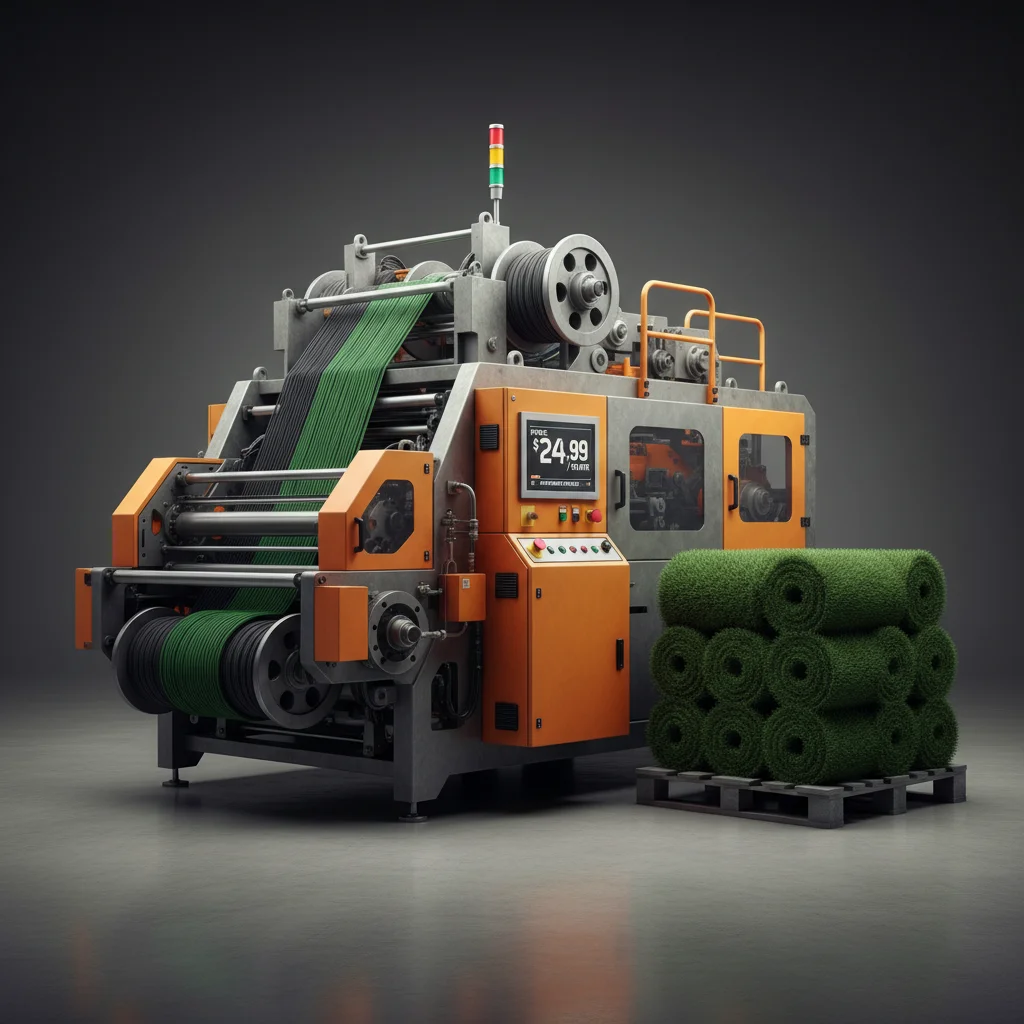
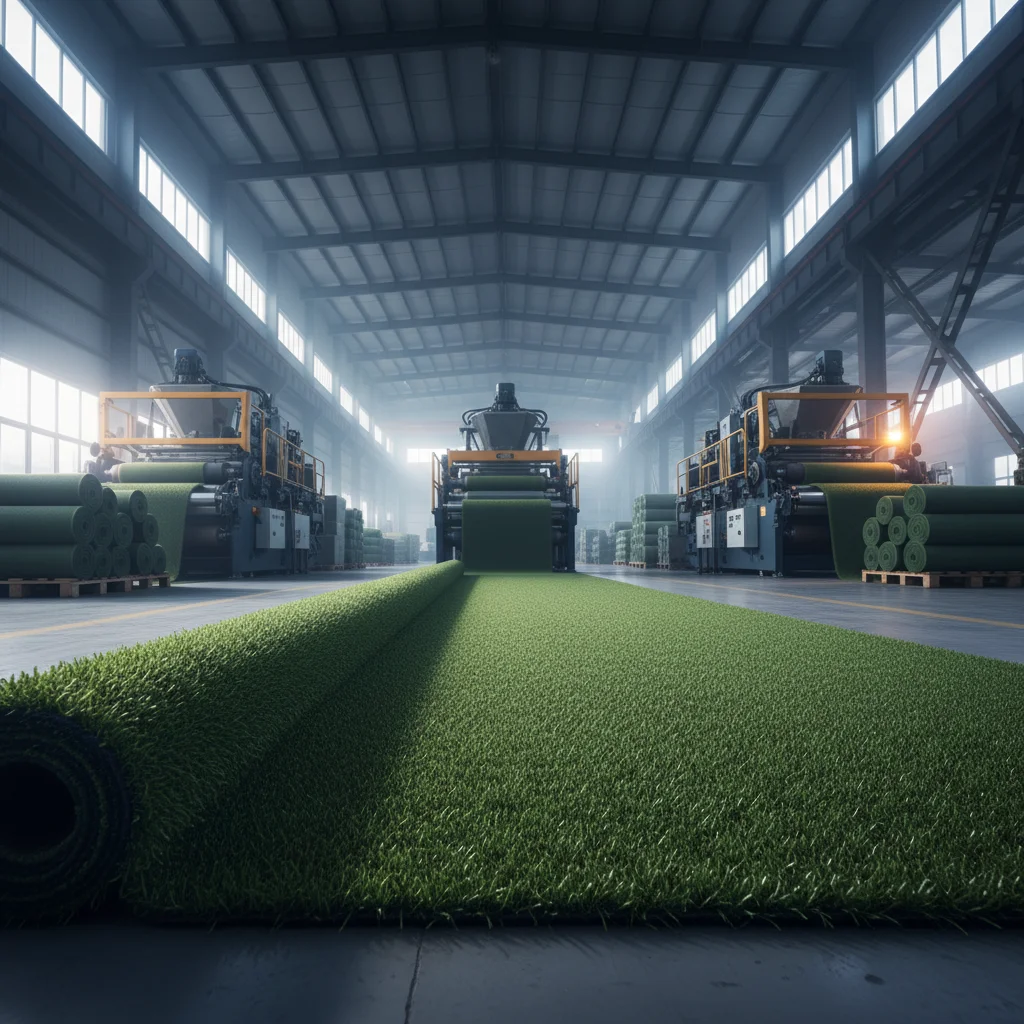
HEBEI XIONGYI RUBBER & PLASTIC PRODUCTS CO., LTD. ("XY Grass") operates from a 5,000 m² integrated facility, allowing direct control over key production stages. This vertical integration is the foundation of our value proposition for B2B buyers.
cost of artificial turf football field artificial turf football field cost artificial turf football field installation cost
Core Sourcing Advantages
- Integrated Production & Quality Assurance: From polymer processing to final rolling, our in-house production minimizes subcontracting risks, ensures consistent quality batches, and reduces intermediate margins. Our factory is equipped with ISO 9001-aligned quality control checks at each stage.
- OEM/ODM Design Capability: We support full customization—pile height, stitch rate, color blends, and logo integration—without the excessive MOQs typical of smaller workshops. This allows brand owners and wholesalers to differentiate their market offerings.
- High-Speed Delivery Protocol: Leveraging our established supply chain in Cangzhou, we maintain a stable inventory of raw materials. For standard products, we quote a lead time of 2-4 weeks for production, with efficient coordination for FOB/CIF terms from Tianjin or Qingdao ports.
- Transparent Compliance: We produce turf to meet international standards like EN 15330-1 (for sports surfaces) and can facilitate third-party testing for specific certifications required in your market (e.g., CE marking for EU).
Commercial Terms for B2B Buyers
MOQ: 1 x 40HC container (approx. 500-700 sqm, depending on roll dimensions) for standard products. Custom projects may have higher MOQs.
Lead Time: 15-30 days for standard items; 30-45 days for customized projects.
Payment: Standard terms are 30% T/T deposit, 70% balance against copy of B/L.
Packaging: Turf rolls are wrapped in plastic and shipped on wooden pallets, compliant with IPPC ISPM 15 for international phytosanitary standards.
Warranty: Product warranties range from 5 to 8 years, covering UV degradation and fiber integrity, backed by manufacturing defect insurance.
Next Step: Request Your Project-Specific Quotation
Understanding the average cost of an artificial turf football field is the first step. The next is obtaining a precise quotation tailored to your specific performance requirements, volume, and destination.

To provide an accurate quote, we need:
- Intended use level (Professional Club, University, Community/School)
- Desired certifications (if any)
- Approximate total area (in square meters or square feet)
- Target budget range and port of destination
Contact our export sales team:
Email: sales@xiongyigrass.com
Tel/WhatsApp: +86 139 3184 5866
Visit our Contact Page to submit your project details.
HEBEI XIONGYI RUBBER & PLASTIC PRODUCTS CO., LTD. | Hope New District, Mengcun County, Cangzhou City, Hebei Province, China

About the Author: Michael Turner
Michael serves as the Senior Technical & Export Advisor at XY Grass, with over 12 years of experience in the synthetic surfacing industry. His expertise lies in matching international ASTM, EN, and FIFA standards to client projects across North America, Europe, and Oceania. He focuses on delivering clear, compliant, and cost-optimized specifications for B2B buyers and large-scale project tenders.
Frequently Asked Questions (FAQ)
What is the typical lifespan of a mid-range artificial football field?
A well-constructed field using PE fibers with a minimum 6,000 dtex, proper infill, and compliant to general sports standards can have a usable lifespan of 8-12 years, depending on usage hours and maintenance levels.
Does the FOB price include installation?
No. FOB (Free On Board) price covers the manufactured turf system packed and delivered to the designated Chinese port, loaded onto the vessel. It does not include international freight, insurance, import duties, local ground transportation, site preparation, sub-base construction, installation labor, or infill installation in your country.
Can you supply the required infill and accessories?
Yes. We can provide a full "turf system package" including SBR or EPDM rubber granules, jointing tape, and adhesives. This is often packed in the same container, ensuring component compatibility and simplifying your procurement logistics.
How do you ensure the turf meets our local safety standards?
We advise buyers to confirm the exact test standards required in their region. We produce turf with formulations and constructions designed to pass key international tests (e.g., GMAX, abrasion). We can arrange for third-party sampling and testing at accredited laboratories (like Labosport or SATRA) at the buyer's cost, and provide supporting documentation for compliance.
What is your process for handling custom color and logo designs?
For OEM/ODM projects, we require a vector file of the logo or a Pantone color code. We then produce a small sample swatch for approval before commencing bulk production. Custom color yarns may involve a minimum order quantity for the polymer batch.