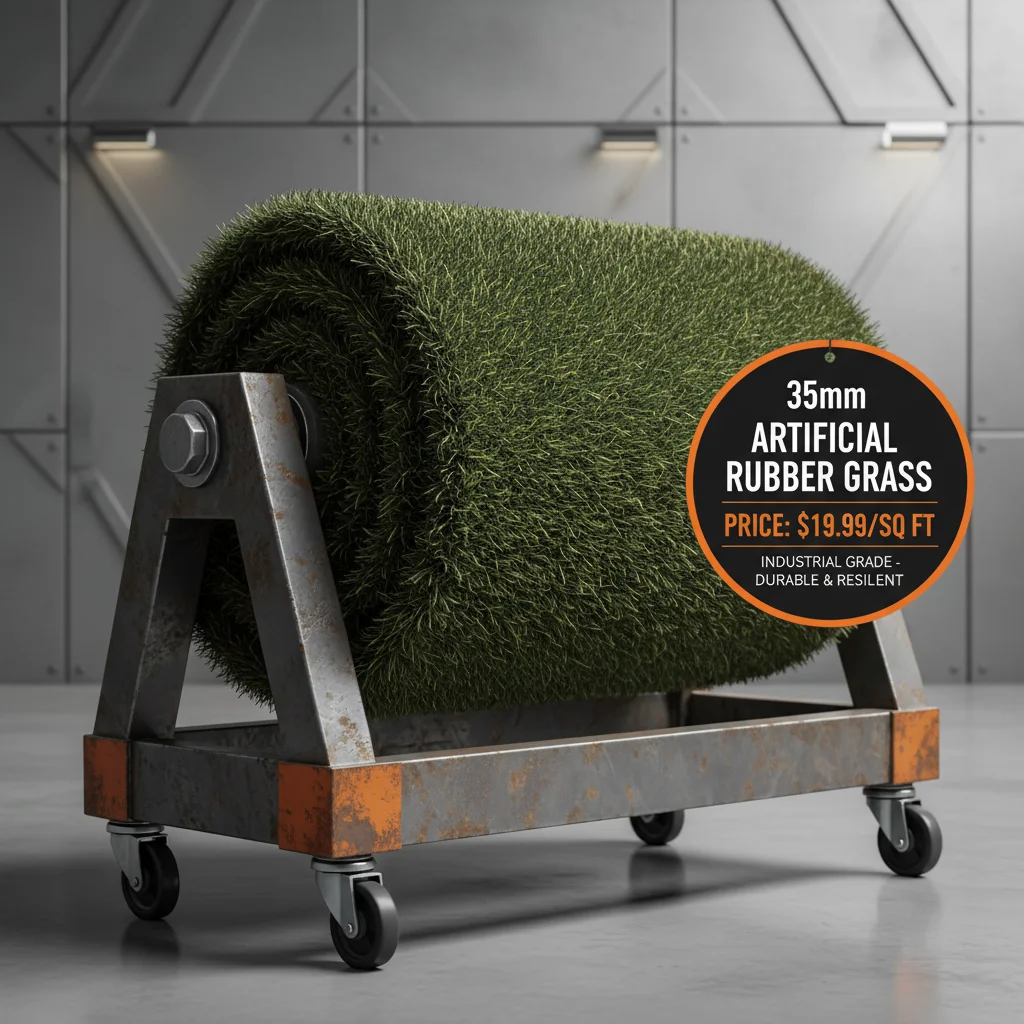


garden grass best garden hose 2025 english garden
Article: The Ultimate Guide to Creating the Best Raised Bed GardenIntroduction
Are you tired of a lackluster garden that doesn't quite live up to your dreams? Look no further! A raised bed garden can be the game-changer you need to create a lush, productive, and visually stunning space. In this article, we'll dive into everything you need to know about crafting the best raised bed garden, including product specifications, design tips, and maintenance tricks. Let's get your green thumb going!
H1: Why Choose a Raised Bed Garden?
**H2: Improved Soil Quality**
One of the biggest advantages of raised bed gardens is the ability to control the soil quality. By using high-quality soil in your raised beds, you can create an ideal growing environment for your plants. This means healthier plants, more abundant yields, and less work for you!
**H2: Enhanced Accessibility**
Raised beds are also easier to access, making it simpler for gardeners of all ages and abilities to care for their plants. No more bending over or kneeling to reach the soil—simply step up into your raised bed and enjoy a more comfortable gardening experience.
**H2: Reduced Weed Growth**
With raised beds, you can minimize the amount of weeding required. The walls of the bed act as a barrier to prevent weeds from spreading into your garden. This saves you time and effort, allowing you to focus on other aspects of gardening.
H1: Choosing the Right Raised Bed Garden System
**H2: Material Matters**
When selecting a raised bed garden system, it's essential to choose the right material. Here are some popular options:
* **Wood:** Wood raised beds are durable, attractive, and have a natural look. However, they require regular maintenance to prevent rot and splintering.
* **Plastic:** Plastic raised beds are easy to install and maintain, but they may not be as durable as wood. Look for high-quality, UV-resistant plastic for the best results.
* **Metal:** Metal raised beds are durable and have a sleek look, but they can be expensive and may not be suitable for all garden designs.
**H2: Size and Shape**
Consider the size and shape of your raised bed garden system. Make sure it fits comfortably in your space, and choose a shape that allows for easy access and maintenance. A popular option is a rectangle or square, as these shapes are easy to divide into smaller sections if needed.
**H2: Product Specifications**
When shopping for a raised bed garden system, pay attention to the following product specifications:
* **Material:** Ensure the material is durable, weather-resistant, and suitable for your climate.
* **Size:** Choose a size that fits your space and meets your gardening needs.
* **Height:** Raised beds can vary in height, so choose one that provides adequate space for plants to grow and allows you to reach the soil comfortably.
* **Weight:** Consider the weight of the raised bed, especially if you plan to move it or if you have limited mobility.
**H3: Example: XY Grass Raised Bed Garden System**
Introducing the XY Grass Raised Bed Garden System, a premium raised bed garden solution designed to meet your needs. This system features:
* **High-quality materials:** Made from durable, weather-resistant materials, the XY Grass Raised Bed Garden System is built to last.
* **Versatile sizes:** Available in various sizes to fit any space, from small urban gardens to large residential landscapes.
* **Comfortable height:** With a height of 12 inches, the XY Grass Raised Bed Garden System ensures easy access and maintenance.
* **Stable construction:** The raised bed system is securely constructed to provide a stable foundation for your plants.
**H2: Technical Table**
| Feature | XY Grass Raised Bed Garden System |
| --- | --- |
| Material | Durable, weather-resistant materials |
| Sizes | Various options available |
| Height | 12 inches |
| Stability | Secure construction |
| Warranty | 5-year limited warranty |
H1: Designing Your Raised Bed Garden
**H2: Location, Location, Location**

The first step in designing your raised bed garden is to choose the right location. Consider the following factors:
* **Sunlight:** Most plants require at least 6-8 hours of sunlight per day. Choose a spot that receives ample sunlight.
* **Drainage:** Ensure that your raised bed garden is in a well-draining area to prevent waterlogging and root rot.
* **Accessibility:** Make sure the location is easily accessible for watering, fertilizing, and harvesting.
**H2: Soil Preparation**
Once you've chosen the location, it's time to prepare the soil. Here's a step-by-step guide:
1. **Remove weeds and debris:** Clear the area of any weeds, rocks, or other debris.
2. **Loosen the soil:** Use a garden fork or tiller to loosen the soil to a depth of 12-18 inches.
3. **Add organic matter:** Mix in organic matter such as compost, manure, or peat moss to improve soil quality and drainage.
4. **Level the soil:** Use a rake to level the soil and create a smooth, even surface.
**H2: Planting Your Garden**
Now it's time to plant your garden! Here are some tips for success:
* **Choose the right plants:** Select plants that are well-suited to your climate, soil, and growing conditions.
* **Plant in rows:** Arrange your plants in rows to make it easier to water, fertilize, and harvest.
* **Space plants appropriately:** Follow the recommended spacing guidelines for each plant to ensure healthy growth and prevent overcrowding.
* **Water and mulch:** Water your plants regularly and apply a layer of mulch to conserve moisture and suppress weeds.
H1: Maintaining Your Raised Bed Garden
**H2: Watering**
Watering is crucial for the health of your raised bed garden. Here are some tips:
* **Water deeply:** Water your plants thoroughly to ensure moisture reaches the roots.
* **Water regularly:** Keep the soil consistently moist, but avoid overwatering.
* **Mulch:** Apply a layer of mulch to help retain moisture and reduce the frequency of watering.
**H2: Fertilizing**
Fertilizing your raised bed garden is essential for healthy plant growth. Here's how to do it:
* **Choose the right fertilizer:** Select a fertilizer that is suitable for your plants and soil type.
* **Apply according to instructions:** Follow the recommended dosage on the fertilizer package.
* **Fertilize regularly:** Feed your plants with fertilizer every 4-6 weeks during the growing season.
**H2: Weed Control**
Weed control is an ongoing task in any garden, but it's particularly important in raised bed gardens. Here's how to keep your garden free of weeds:
* **Mulch:** Apply a layer of mulch to suppress weeds and retain moisture.
* **Hand-pick:** Remove weeds by hand as soon as you notice them.
* **Use herbicides:** If necessary, use herbicides to control persistent weeds. Be sure to follow the instructions carefully and apply them only to non-target plants.
**H2: Harvesting**
Harvesting your raised bed garden is the best part! Here's how to get started:
* **Know when to harvest:** Harvest your plants at the recommended time to ensure the best flavor and quality.
* **Use clean utensils:** Use clean, sharp utensils to harvest your plants to prevent damage.
* **Enjoy your bounty:** Enjoy the fruits (and vegetables!) of your labor!
Conclusion
Creating the best raised bed garden is a rewarding endeavor that can bring years of joy and productivity to your life. By choosing the right raised bed garden system, following proper design and maintenance guidelines, and taking care of your plants, you can enjoy a lush, bountiful garden that will be the envy of your neighbors. So go ahead, roll up your sleeves, and start crafting your dream garden today!